




Where to Buy a 12V 90A Alternator for Hyundai Models?
To find a alternator/12v-90a-alternator-for-hyundai">12V 90A alternator for Hyundai, procurement workers look for providers with IATF16949 certification, regular quality control, and the ability to handle large or small orders. Some reliable channels are certified OEM makers like XITU, specialized B2B platforms, and authorized distributors who can offer full technical help and paperwork that proves compatibility. Suppliers with a good reputation not only provide parts but also long-term relationship value through strict testing procedures, batch consistency, and quick after-sales service that meets the complex needs of brand owners, resellers, and remanufacturers in the global car aftermarket.
Understanding the 12V 90A Alternator for Hyundai Models
The 12V 90A alternator for Hyundai is the electrical heart of Hyundai cars. It takes mechanical energy from the engine and turns it into safe electrical current that powers systems on board and keeps the battery healthy. This gadget solves one of the biggest problems in current car design, which is how to get enough power while also using energy efficiently in a variety of driving situations.
How the 90A Output Balances Power and Efficiency
Unlike 70A units, which have a lower capacity, the 90A design gives you plenty of room for electrical devices without putting too much stress on the charging system. This grade works best for Hyundai models that have infotainment systems, smart safety sensors, and computer control units that use a lot of power. The extra capacity makes sure that the power stays the same even when there is a lot of demand, like when driving in the city at night with a lot of devices on. Fleet managers of Hyundai i30 or Accent cars like this stability because it keeps batteries from dying too quickly from chronic undercharging, which happens a lot when alternators run at full capacity all the time.
Critical Role in Electrical System Stability
The alternator keeps the voltage in the small range of 14.2V to 14.8V that current gadgets need for charging. This level of accuracy stops voltage spikes that can damage sensitive ECU parts and voltage sags that make headlights dim or power windows move slowly. When starting in sub-zero temperatures, the 90A capacity provides a strong charging current that quickly restores battery voltage after high-drain spinning events. This is especially useful in markets like the northern United States where performance in cold weather directly affects fleet uptime.
Recognizing Early Failure Symptoms
Maintenance teams should keep an eye out for certain warning signs that an alternator is breaking down. If the internal lights dim when the engine is not running, the engine bay makes strange whining noises, or the battery warning lamps light up, it means that the alternator is not working as well as it should. If you test the voltage at the battery connections while they are under load, you can see if the output stays within the range that was set. If you take care of these signs right away, you can avoid breakdowns on the side of the road and the damage that builds up when cars don't have enough charging capacity, like engines that won't start during crucial delivery times.

Key Considerations When Purchasing a 12V 90A Alternator for Hyundai
To make sure that the supply chain is reliable in the long term and that the product works well, procurement choices need to take a lot of technical and business factors into account when selecting a 12V 90A alternator for Hyundai.
OEM Versus Aftermarket Quality Standards
Genuine OEM alternators that are made to the original specs are certified to work with other parts and perform consistently. These units go through the same technical proof as factory-installed parts to make sure they meet Hyundai's standards for electrical power, thermal management, and vibration protection. The quality of aftermarket parts varies a lot. Premium aftermarket suppliers like XITU follow OE specs and use IATF16949-certified methods to make parts that work as well as OEM parts at prices that are competitive and good for bulk purchases. Lower-quality options made in a workshop might not have the right process controls, which could lead to inconsistent build quality, bearings breaking down early, and bad voltage regulation that can harm electronics in the car.
Evaluating Amperage Requirements
Even though 90A power works for most Hyundai uses, sometimes different specs are needed. Alternators with 100A or more power may be better for cars with aftermarket music systems, extra lighting, or refrigeration units. On the other hand, basic transportation companies that don't have any extra electricity loads can work fine with 80A units. If you choose alternators with too much power, they cost more and don't work better, but if you choose units that are too small, they constantly fail to charge. Before defining alternator capacity, procurement managers should look at real electrical loads through power consumption checks. This is especially important when standardizing parts across groups of different models.
Supplier Certification and Credibility Assessment
Third-party certifications and clear manufacturing paperwork are ways that reliable sources show what they can do. Structured process controls are shown by ISO 9000 quality systems, and IATF16949 approval proves that a company is qualified to make cars. Suppliers should give detailed match lists that show how OE part names, like the Hyundai 373002B300 series, are similar to Valeo or Delco Remy designations. Professional sellers are different from opportunistic vendors because they answer technical questions quickly, are ready to send sample units for validation testing, and have clear guarantee terms. Checking the production capacity of wholesalers makes sure they can meet repeat orders without lowering the quality, which is very important for sellers who need to keep their inventory levels steady.
Where to Buy Genuine 12V 90A Alternators for Hyundai: Trusted Channels
Finding trusted ways to buy things makes the process of buying easier and lowers the risks that come with having fake or low-quality 12V 90A alternators for Hyundai in the supply chain.
Certified OEM Manufacturers
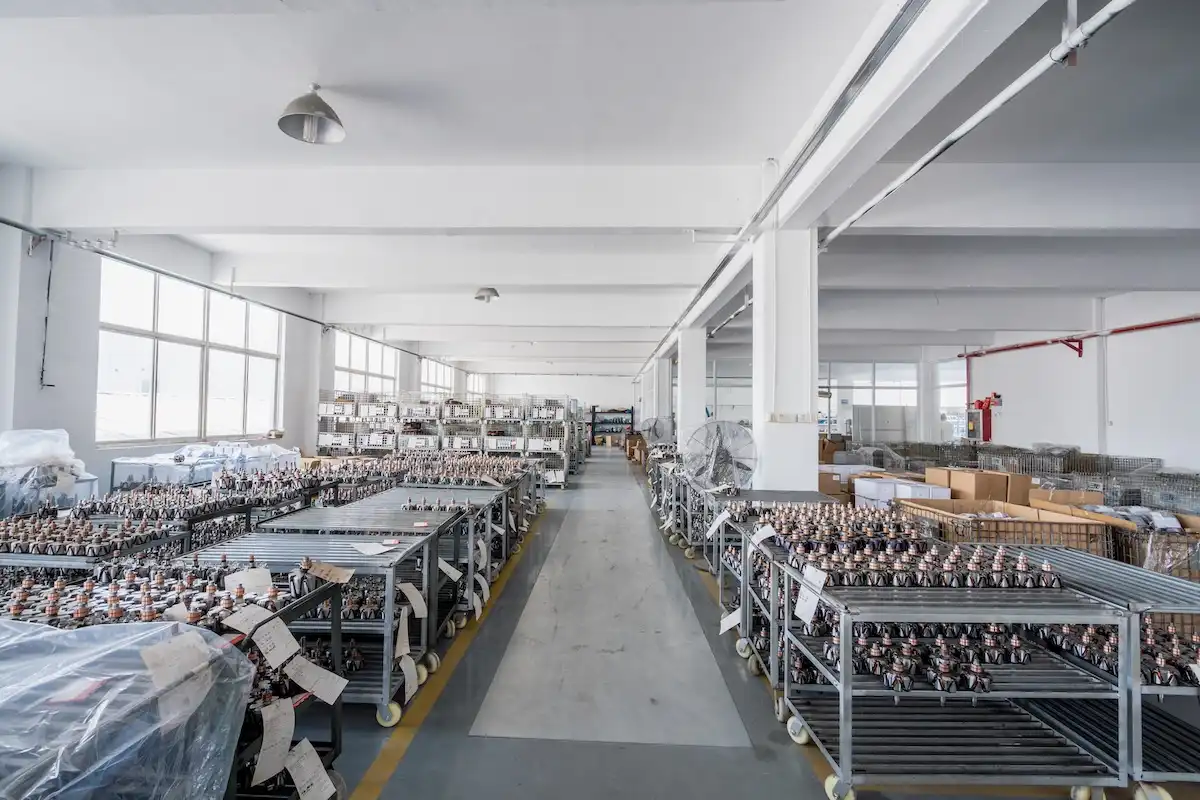
B2B buyers can get a lot of benefits from working directly with IATF16949-certified producers. Wuxi XITU is a great example of this type of company because it has been making things for 28 years and has built OEM supply relationships with car companies around the world. Original equipment (OE) performance standards are strictly followed in their factories, which use copper windings, metal housings, and high-grade silicon steel blades that meet or beat OE standards. The company has its own research and development (R&D) department, which lets them make custom engineering solutions for specific uses. They also keep their production wait times between 30 and 60 days, which makes it easy to plan their supplies.
Certified makers offer detailed technical information, such as dimensional sketches, electrical specs, and compatibility grids, which makes it easier to integrate their products into buying systems. As part of their quality control procedures, they test the output at full load, look at the ripple voltage, test for salt spray rust according to ASTM B117 standards, and balance the rotor dynamically to stop bearing wear caused by shaking. These tests make sure that each unit can last the 100,000-mile or more work life that is typical for professional fleets.
B2B Procurement Platforms
Through supplier competition, online B2B markets bring together buyers from around the world with verified suppliers. This streamlines the buying process and makes prices more competitive. Platforms that focus on car parts have advanced search tools that let you sort results by approval status, production capacity, and minimum order amounts. For example, when searching for a 12V 90A alternator for a Hyundai, buyers can quickly filter for suppliers that meet quality standards and volume requirements. Mid-sized distributors can get bulk order prices, even though they might not be able to get them if they went straight to big factories and asked for very high MOQs. Transaction security features like escrow payment systems and confirmed source badges lower buying risk. This is especially helpful for cross-border sourcing agents who work for clients in other countries.
In order to provide objective measures for evaluating vendors, these platforms collect performance data from suppliers, such as how quickly they ship orders, how many quality disputes they have, and how quickly they respond to customer service requests. Communication tools make it easier to talk about technical details and make sure everyone understands the requirements before making a promise. This cuts down on mistakes that can cause wrong shipments or problems with compatibility.
Authorized Distribution Networks
Regional wholesalers offer benefits that are specific to the area and work well with direct producer ties. When unexpected problems happen with a fleet, being close by speeds up emergency shipments, which can often bring new units within 24–48 hours, compared to the time it takes for international freight. Distributors keep popular part numbers in stock locally, so there are no wait times for regular repairs. Their technical support teams know how vehicles are set up in different parts of the country and can suggest alternator specs that are right for certain model years and engine types.
After-sales help through distributor networks makes it easier to file warranty claims and return products because they can be processed locally instead of having to go through foreign shipping. Established distributors build relationships with regional fleet managers and maintenance shops. This helps them learn about common failure modes and the best ways to maintain vehicles in areas with harsh conditions, like high humidity along the coast or rough terrain.
Installation, Testing, and Maintenance Considerations for 12V 90A Alternators
The 12V 90A alternator for Hyundai will last longer if it is installed correctly and maintained regularly. If it fails too soon, it can damage the vehicle's trustworthiness.
Technical Installation Specifications
Checking technical compatibility, such as the design of the mounting brackets, the number of pulley grooves, and the routing of the serpentine belt, is the first step to a successful installation. The normal 6PK (six-groove) pulley design works with most Hyundai belt setups, but to make sure it fits correctly, it's best to check it against the original unit. Pay close attention to the polarity and terminal torque specs for electrical connections to make sure they make a good connection without breaking the threaded posts. The fully sealed housing design keeps out dust and water, but workers should make sure the cover is still intact during installation to protect the environment.
Different engine bay layouts across Hyundai's model line can be accommodated by mounting options that are both horizontal and vertical. It is very important to set the belt tension correctly. Too much tension speeds up bearing wear, and not enough tension causes the belt to slip, which lowers charging efficiency and makes noise. By using a belt tension tool to take readings according to the manufacturer's instructions, these problems can be avoided.
Post-Installation Testing Protocols
Before 12V 90A alternators for Hyundai are put back into service, they are put through a lot of practical tests to make sure they work properly. When the engine is going, measuring the battery voltage should show 14.2V to 14.8V across a range of RPM, which confirms that the voltage regulator is working correctly. During load testing, several electrical devices are turned on at the same time while the voltage is closely watched to make sure the generator can keep up with real-life demand. Using an oscilloscope to test ripple voltage can find broken rectifier diodes that let AC voltage into the DC charging system. This can damage electrical parts over time.
Strange noises during operation could mean that an internal bearing is wearing out or the rotor isn't balanced, which needs instant attention. Thermal imaging can find problems with internal resistance or a lack of cooling flows that cause too much heat to be produced. By writing down standard performance metrics, you can compare them during future maintenance periods, which will show how things are slowly getting worse before they break down completely.
Preventive Maintenance Best Practices
Regular inspections greatly increase the life of alternators. Every 10,000 miles, the state of the belt is checked to find cracks, glazing, or tearing that make the transfer of power less effective. Checking electrical connections stops rust from building up, which raises resistance and makes leads hot. Cleaning the outside surfaces gets rid of built-up dirt and grime that can block the flow of cool air through the housing's ventilation holes.
Alternators are kept from working too hard by keeping an eye on the state of the batteries. Batteries that aren't working well and have less power capacity cause alternators to keep running at full power, which speeds up wear. Instead of waiting for the battery to fail, replacing it early based on load tests lowers the stress on the generator. Fleet repair programs that keep track of how often alternators need to be replaced across groups of vehicles can find patterns of early failure that point to environmental factors or fitting problems that need to be fixed.
Making the Final Decision: How to Select the Best 12V 90A Alternator Supplier for Your Hyundai Fleet
When choosing a strategic provider for a 12V 90A alternator for Hyundai, you have to carefully look at their success in a number of areas that affect the total cost of ownership and the reliability of their operations.
Critical Supplier Evaluation Metrics
Product dependability is the most important thing to think about. Suppliers should be able to show that their products have low flaw rates by using statistical quality data and should be ready to give failure analysis reports for units that are sent back. When setting prices, being competitive must be weighed against quality control. Unreasonably low prices often mean that parts have been tampered with or testing methods aren't up to par. Instead of just looking at unit price, total cost analysis should include how long the guarantee covers, how replacements are handled, and how easy it is to get expert help.
Delivery speed affects the cost of keeping goods and the risk of running out of stock. When suppliers keep their 30–60-day wait times uniform, it's easier to predict demand accurately and keep safety stock levels low. Flexible minimum order amounts let you test the market for new product lines without having to buy too much inventory. This is especially helpful for sellers who are growing into new markets.
Aligning Supplier Capabilities With Fleet Requirements
Small fleet owners look for sources with low MOQs and compatibility with a variety of models so that parts can be consolidated across a wide range of vehicles—for example, a 12V 90A alternator for Hyundai that fits multiple Hyundai platforms would be an ideal consolidation piece. Large fleet managers need suppliers who can make enough to meet regular bulk orders without lowering the quality of their products and who also have the technical know-how to support specific needs for unique uses. Remanufacturers need providers that can give them high-quality core units that can be used in rebuilding projects and have consistent internal component standards that make the remanufacturing process go more smoothly—and a steady supply of core units like the 12V 90A alternator for Hyundai ensures remanufacturing consistency across batches.
Geographical factors affect the choice of seller. When there is an emergency, domestic suppliers can respond faster, but foreign suppliers may offer lower prices for planned product replenishment. To accurately compare costs between choices, you should look at the total landed cost, which includes freight, taxes, and inventory loans.
Strategic Partnership Development
Long-term agreements with suppliers are more beneficial for both parties than one-time purchases. Collaborative forecasts make production planning more accurate, which could mean that buyers get better prices or are given priority when supplies are low. Technical teamwork makes it possible to customize products to meet the needs of specific markets, which sets them apart from competitors. Over time, joint quality improvement projects lower the number of defects, which lowers the cost of warranties and raises customer happiness.
Suppliers who engage in relationship building through regular business reviews, open communication about production plans, and a willingness to listen to feedback show that they are committed to the success of the partnership rather than just fulfilling orders. These things set key supply partners apart from common vendors.
Conclusion
To find solid 12V 90A alternators for Hyundai fleets, technical specs, provider skills, and business terms must all be carefully considered. To choose the right capacity, you need to know how the alternator affects the security of the electrical system. To lower the risk of buying, you should look at a supplier's quality certifications, production capacity, and service timeliness. Strategic buying from approved OEM makers, checked B2B platforms, and well-known dealers makes sure that the parts are real and work the same way every time. When you follow the right installation steps and do regular upkeep, your services will last longer. This has a direct effect on how much your fleet runs and how much it costs to own for automotive experts who have to manage a wide range of vehicles in difficult working conditions.
FAQ
1. Can a 90A alternator replace a 70A unit in Hyundai vehicles?
Of course. Since the voltage stays at 12V, higher-amperage alternators can safely be used instead of lower-capacity ones. The higher amperage gives devices more electrical space without hurting the main electrical system. The car only uses as much electricity as it needs, so the extra capability is just there in case there is a lot of demand. This upgrade is helpful for cars that have aftermarket technology or that are used in harsh areas where the heating or cooling systems need a lot of power.
2. How do I verify compatibility for my specific Hyundai model?
Check to see if the OE part number from your old alternator matches up with the compatibility chart for the new one. Alternators from XITU can be used in Solaris 1.6L, Accent, i20, i30, ix20, and Veloster models with motors G4FA, G4FC, G4FD, G4FG, and G4FJ. Also, make sure you check the physical measurements, the number of pulley grooves (usually 6PK), and the mounting bracket design. Reliable sellers provide thorough compatibility matrices that show Hyundai part numbers like the 373002B300 series and their related Valeo, Delco Remy, and WAI designations to make sure that the parts work perfectly.
3. What causes alternator whining noise?
Whining or grinding sounds usually mean that a bearing is worn out or an internal part is failing. Bearings that are worn out make noises that get louder as the engine RPM goes up. Electrical noise can happen when rectifier diodes fail. If the drive belts are too loose, the car may squeal instead of whine. Taking care of strange sounds right away keeps other parts from getting damaged. Noise-level tremor testing is done by good providers like XITU during production to check for bearing flaws before shipping, which lowers the number of failures in the field.
4. Do these alternators include internal voltage regulators?
Solid-state voltage regulators are built into modern car alternators. These regulators keep the charging voltage within the 14.2V–14.8V standard range. This combined design gets rid of the need for external controllers that were used in past systems. This makes the system more reliable and makes installation easier. The regulator checks the voltage of the battery and changes the field current of the generator to keep charging at the best level without any help from the driver, even when the engine speed and electrical load change.
5. Is the 90A output achieved at engine idle?
The 90A power is at its highest when the engine is running, which is usually above 2,000 RPM. Alternators make about 40–50% of their rated capacity when they are not in use, which is enough for basic car electrical systems. The alternator depends on the engine's mechanical drive speed, which is shown by this trait. Modern units improve low-speed power to meet electricity needs during long periods of idling that are common in city driving. This keeps the battery from dying during stop-and-go traffic.
Partner With XITU for Premium 12V 90A Alternator Solutions
With IATF16949-certified manufacturing quality and 28 years of proven industry knowledge, XITU is ready to help you buy a Hyundai alternator. As a 12V 90A alternator for Hyundai source, we can offer open ODM/OEM customization, stable 30–60 day production cycles, and a full six-month guarantee with dedicated technical support. We have strict quality standards for the OEM clients we work with around the world. These standards include full-load testing, salt spray rust validation, and dynamic balance verification. Our team offers quick contact and dependable global shipping partnerships, whether you need samples of a single unit or shipments of a container's worth of goods. Contact arisa@xitu-auto.com right away to talk about your specific needs and find out how our focus on the customer makes your supply chain easier while giving you low prices and unwavering quality for your fleet operations.
References
1. Bosch, R. (2018). Automotive Electrics and Automotive Electronics: Systems and Components, Networking and Hybrid Drive. Springer Vieweg.
2. Denton, T. (2020). Automobile Electrical and Electronic Systems. Routledge, 6th Edition.
3. SAE International. (2019). Surface Vehicle Recommended Practice J1765: Reference and Dimensional Standards for Alternators.
4. Kim, H. & Park, S. (2021). "Thermal Management Strategies for High-Output automotive alternators." Journal of Automotive Engineering, Vol. 235(8), pp. 2156-2167.
5. IATF. (2016). IATF 16949:2016 Quality Management System Requirements for Automotive Production and Relevant Service Parts Organizations.
6. Miller, J. (2022). Fleet Maintenance Management: Optimizing Commercial Vehicle Electrical Systems. McGraw-Hill Professional.