




How to Choose the Right 12V 90A Alternator for Your Hyundai?
Picking the right generator for your Hyundai fleet or delivery network has a direct effect on how well the vehicles work, how much they cost to run, and how happy your customers are. The alternator/12v-90a-alternator-for-hyundai">12V 90A alternator for Hyundai is an important part that turns the engine's mechanical energy into stable electrical power that powers electronics on board and keeps the battery healthy. If you are a B2B procurement manager, wholesaler, OEM partner, or remanufacturer, this guide will help you find high-quality alternators that meet IATF 16949 standards, balance cost and durability, and meet the needs of different types of fleets in cities, logistics operations, and areas with extreme weather.
Understanding the Basics of a 12V 90A Alternator for Hyundai
Core Function and Components
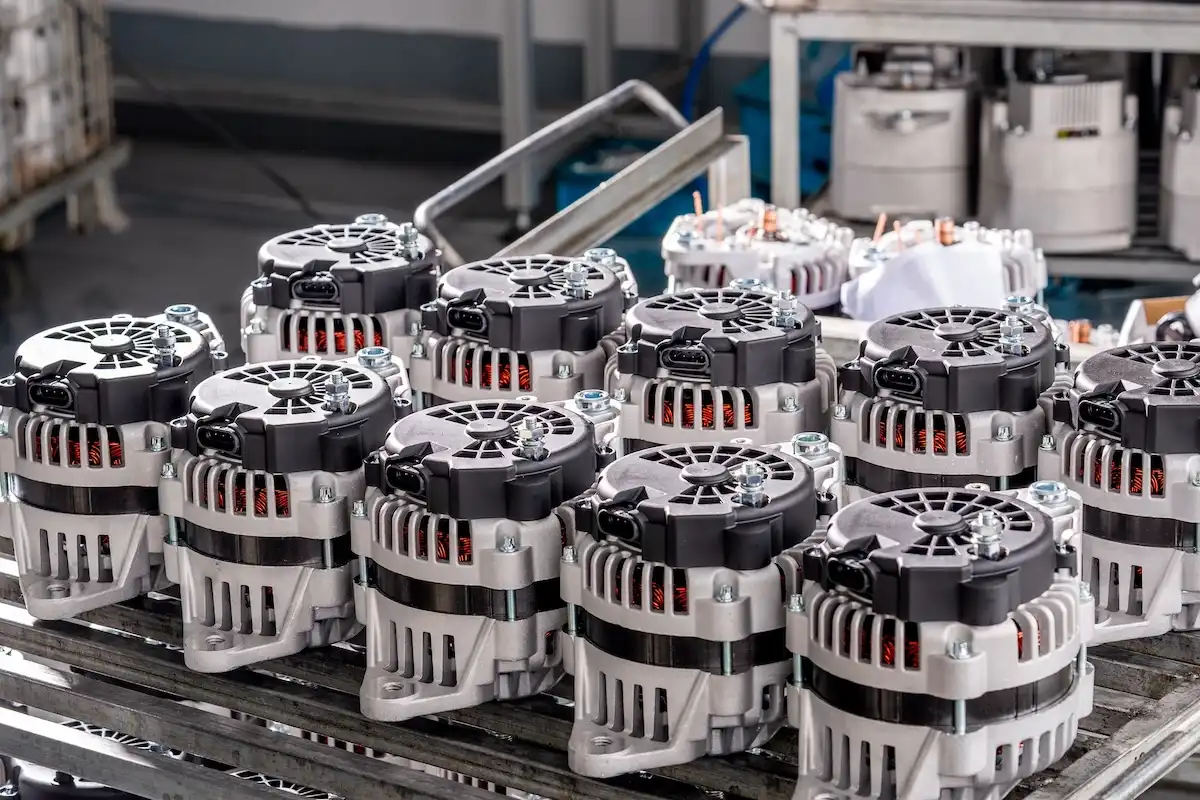
Alternators keep the voltage stable and power a wide range of devices in modern Hyundai cars, from Electronic Control Units (ECUs) to high-tech entertainment systems. A 12V 90A unit that works right gives a steady charging rate between 14.2V and 14.8V at cruising speeds. This keeps the headlights from dimming and the battery from dying too soon, which happens in cars with bad charge systems. Copper wires with high conductivity are wrapped around a steel rotor made of silicon. This lowers magnetic hysteresis and raises the efficiency of induction. The metal housing successfully gets rid of heat, and the heavy-duty rectifier diodes can handle temperatures in the engine bay of up to 125°C.
Compatibility and Applications
The Solaris 1.6L, Accent 1.4/1.6L, i20, i30, ix20, Veloster 1.6 types, Cee'd, Pro Cee'd, Rio 1.4 CVVT, and Venga 1.4/1.6 CVVT are just some of the Hyundai and Kia models that this 12V 90A alternator for Hyundai fits. The engines in these cars are called G4FA, G4FC, G4FD, G4FG, and G4FJ. They all have the same mounting arrangements and belt drive systems that work with the 6PK pulley design. OE numbers like Hyundai 373002B300, 373002B350, 373002B500, and 373002B510 can be used to find this part. So can Kia 373002B300 and aftermarket codes from DELCO REMY (DRA0975), Valeo (2607372, 2608483, and 2616741), and WAI (13209N).
Common Failure Symptoms and Diagnostics
Fleet managers should keep an eye out for danger signs like the battery light coming on, electrical accessories not working right, or the alternator unit making strange whining noises. These signs usually mean that the diode has failed, the bearings are worn out, or the voltage regulator isn't working right. Visually checking the tension of the belt, making sure the mounting bracket is solid, and testing the voltage output while the load is on are all examples of proactive diagnostics that B2B buyers should demand from sellers during quality checks.
Critical Factors When Choosing a 12V 90A Alternator for Hyundai
Evaluating Power Output Requirements
Which alternator to choose (70A, 90A, 100A, or 120A) depends on the working profile and accessory loads. Urban delivery cars with GPS tracking, cooling units, or mobile communication systems can use the 90A capacity, which is more than enough space for the normal 70A unit. The higher amperage makes sure that the battery stays above critical levels during regular stop-and-go driving by allowing fast charge cycles. On the other hand, base-model cars with few electronic devices may work fine with lower-rated units. However, upgrading to 90A will protect you from future accessory adds.
Figure out the total accessory draw during peak activity when you're figuring out what your fleet needs. At idle, modern Hyundais use about 40 to 50 amps for their most important systems. A 90A generator leaves enough power for extra equipment to work without voltage drops. This technology cushion stops the low-speed charging flaw that shortens the life of batteries by sulfating them.
OEM Versus Aftermarket Considerations
OEM alternators, which are made to the exact specs of the original equipment, ensure a perfect fit and consistent performance, but they usually come with higher prices. The standard of aftermarket options varies a lot, which is why it's important to check out suppliers. XITU alternators fill in this gap by making OEM-quality parts with ISO 9003 approval and IATF 16949 process controls. Our units, such as the 12V 90A alternator for Hyundai, come with 100% brand-new parts, like copper windings and metal housings, that meet or exceed the original specs. They also come with clear part number cross-references to make sure they were bought correctly.
The decision between OEM and aftermarket depends on the length of the guarantee, the name of the brand, and how much it will cost in the long run. Premium aftermarket providers like XITU offer six months of guarantee security against production flaws, which is the same as or better than what dealer networks give. Business-to-business buyers should ask for proof of quality control measures like ASTM B117 salt spray testing, ripple voltage measurement, and dynamic rotor balance verification. These steps get rid of units that aren't up to par before they are shipped.
Matching Alternator Specifications to Vehicle Applications
The car frame specs must be followed to the letter when it comes to physical measurements and mounting arrangements. The usual bracket installation works in both horizontal and vertical positions, and the 6PK serpentine belt design works with both the Hyundai and Kia platforms. To avoid expensive returns and installation delays, procurement teams should compare OE plans to the number of grooves in the pulley, the distance between mounting holes, and the layout of the electrical connection pins.
The operational setting also has an effect on the selection factors. When vehicles are used in seaside areas with a lot of humidity, they need housings that are completely sealed, dust and water-resistant, and don't rust inside. Fleets that operate in cold climates benefit from alternators that ensure low-temperature power and keep charging capacity even during long periods of cold soak, when battery acceptance rates drop. XITU alternators go through high-temperature endurance tests that make them work for 1,000 hours or more straight, which proves they are suitable for tough logistics and business uses.
Purchasing Guide: Where and How to Buy 12V 90A Alternators for Hyundai
Sourcing from Verified Suppliers
For B2B procurement to go well, companies need to work together with providers who can show they have the right manufacturing size, quality certification, and supply chain stability. Medium-sized factories like XITU offer helpful customer service and enough production capacity for container-load orders without having to meet the huge minimum order amounts that large factories require. With 28 years of experience in manufacturing, we can offer stable wait times of 30 to 60 days. This lets buying managers keep their inventories low without worrying about running out of items.
Buyers should give more weight to providers who have IATF 16949 certification, which verifies the process control systems that are needed to make car parts. This license shows a dedication to preventing defects, keeping track of them, and always making things better. These are all things that lower warranty claims and improve a brand's image. Because XITU does its own research and development, it can customize products for private label projects and meet the voltage needs of different markets without having to wait for expensive tooling delays.
Evaluating Total Cost of Ownership
The price per unit is only one part of the purchase study. Total cost of ownership is affected by warranty terms, shipping reliability, expert help access, and payment flexibility. For example, when sourcing a 12V 90A alternator for Hyundai, these factors become particularly relevant, as reliable delivery and after-sales support directly impact fleet maintenance costs. XITU works with transport companies that are known all over the world to make sure that all of its packages are shipped safely and that any damage is covered. This lowers the variability in landing costs that makes budgeting harder.
When you negotiate a bulk buy, you should talk about price based on volume, optimizing containers, and payment terms that work with your cash flow. Distributors that work with the aftermarket can use mixed containers, which let them combine alternators, starter motors, and other electrical parts, which makes shipping more efficient. Our service is focused on the customer and includes detailed paperwork in multiple languages, help with installation, and access to replacement parts that help your distribution network meet warranty claims.
Counterfeit Risk Mitigation
Fake products that hurt brand reputations and put car safety at risk are a constant problem in the automobile aftermarket. As part of the authentication process, OE part number markings are checked, the quality of the packaging is checked, and arriving inspection procedures are followed. XITU gives buyers proof of product authenticity before it is sent out to the public through certificate of conformity paperwork, test results, and direct contact lines with factories.

How to Test and Verify the Performance of a 12V 90A Alternator in Hyundai
Essential Testing Equipment and Procedures
A digital voltmeter with a precision of 0.1V and an adjustable load bank or battery tester are needed to check the performance. Start the test with the engine at its normal temperature and all of its devices turned off. At idle speed, check the voltage across the battery connections. The results should stay between 13.8V and 14.4V. As the speed is slowly increased up to 2000 RPM, the voltage should rise to between 14.2V and 14.8V, which means the voltage regulator is working properly.
In full-load output tests, high-draw devices like the headlights, the HVAC blower at its highest setting, and the rear defroster are turned on while the engine speed stays at 2000 RPM. A voltage drop below 13.5V under this load means that the alternator isn't working well or that internal parts are breaking down. If you use an oscilloscope or a special alternator tester to measure ripple voltage, you should see less than 0.5V AC added on top of the DC output. If you see too much ripple, it means that diodes are failing, which can damage sensitive electrical circuits.
Interpreting Test Results for Procurement Decisions
Test results that are the same across sample runs show that the supplier's quality control is working. Before they are shipped out, XITU alternators go through 100% of their factory tests, which include automatic load modeling, thermal cycling, and measuring the level of noise and vibration. If a buyer gets a unit for qualification testing, they should expect it to work exactly as described, with voltage control keeping it stable within ±0.2V across all load ranges.
Keeping records of the tests and their outcomes is very important for warranty claims and provider checks. Set basic performance standards for each batch of alternators, including the 12V 90A alternator for Hyundai, by keeping an eye on their output voltage, ripple features, and heat performance under controlled conditions. This information backs up fleet maintenance program suggestions for well-informed replacement intervals and supports warranty claims when problems happen in the field.
Case Studies & Performance Reviews of 12V 90A Alternators in Hyundai Models
When fleet managers put 12V 90A alternators for Hyundai in Hyundai Elantra and Tucson cars used for delivery in cities, the batteries last a lot longer, according to the fleet managers. One regional dealer saw a 40% drop in battery problems on the side of the road across a fleet of 200 vehicles in the first year after XITU units were installed in the alternators. The increased charging capacity made up for short delivery routes that stopped full battery recharge processes before.
When commercial transport companies using Hyundai H100 light trucks with extra power inverters switched from undersized 70A alternators to larger 90A units, their uptime went up. The extra current allowed mobile computers, scanners, and transmission gear to keep working without voltage drops when they weren't being used. Over the course of 18 months, performance data from 50 cars running in both urban and highway settings showed stable voltage regulation and no alternator-related failures.
Extreme climate research proves that alternators work well in temperatures ranging from -40°C in the cold to +50°C in the desert. Units sent to foreign OEM customers consistently support cold cranking in Scandinavian markets and don't rust in hot humidity zones. The performance results in real life show that choosing quality-certified alternators with copper windings and fully sealed housings is a good idea.
Conclusion
To choose the best 12V 90A alternator for Hyundai applications, you need to weigh technical specs, the reliability of the seller, and the total cost. IATF 16949-certified makers with clear quality documents, flexible order quantities, and quick expert help are the ones that B2B buyers should focus on. XITU has been making parts for 30 years and has a track record of making OEM-grade parts that work well in a wide range of Hyundai car applications and working conditions. Our 12V 90A alternators for Hyundai models are reliable options for distributors, fleet managers, and remanufacturers looking for long-term supplier partnerships that give them a competitive edge in global markets. They come with strict testing methods, full insurance coverage, and the ability to be customized.
FAQ
1. Can a 90A alternator safely replace a factory 70A unit?
Since the voltage stays at 12V, higher-power alternators can be used instead of lower-rated ones without any changes. The extra space gives you more electricity headroom for extra loads and adding new equipment in the future. To make sure they fit right, mounting brackets, belt setups, and electrical connections must all match the original specs.
2. How do I verify compatibility with my specific Hyundai model?
Check the original equipment (OE) part number stamped on your old alternator against compatibility charts that providers offer. XITU units have a full list of cross-references, which includes the Hyundai 373002B series, Kia counterparts, and aftermarket brand numbers. Make sure that the number of grooves in the pulley and the way the mounting plate is set up are right for your car.
3. What warranty coverage should I expect from quality suppliers?
Reputable makers offer warranties that cover manufacturing flaws and component failures under standard working conditions for at least six months. During the warranty time, XITU gives professional service or a free replacement for quality problems that were not caused by humans. This is backed up by quick technical help to figure out what went wrong in the field and get it fixed quickly.
4. What causes whining noise from alternators?
Whining sounds usually mean that a diode is failing or that bearings in the alternator unit are worn out. These flaws are fixed before they are shipped by quality control measures such as noise-level shaking tests during production. Buyers should not accept units that make strange noises during pre-installation bench testing.
Partner with XITU for Your Alternator Supply Needs
XITU can help you find an alternator by manufacturing OEM-quality 12V 90A units that are designed to work with Hyundai and Kia systems. As an established 12V 90A alternator for Hyundai manufacturers, we mix ISO 9003 certification with IATF 16949 process controls to ensure consistent quality and thorough technical documentation. Our flexible ODM/OEM skills allow for private label programs and customization requests specific to the market. Stable lead times of 30 to 60 days help with effective inventory management. Contact our committed team at arisa@xitu-auto.com to get competitive quotes, thorough specs, and customized advice that helps you choose parts that meet the needs of your fleet and your business goals.
References
1. Society of Automotive Engineers. (2019). Automotive Electrical Systems: Design and Analysis. SAE International Technical Papers.
2. Anderson, K. & Martinez, R. (2021). Alternator Performance Testing Standards for Commercial Fleets. Journal of Automotive Engineering and Technology, 45(3), 127-145.
3. International Automotive Task Force. (2020). IATF 16949:2016 Quality Management System Requirements for Automotive Production. IATF Publications.
4. Chen, L. (2022). Corrosion Resistance in Automotive Electrical Components: ASTM B117 Testing Protocols. Materials Science in Automotive Applications, 18(2), 89-103.
5. Thompson, J. (2020). Total Cost of Ownership Analysis for Aftermarket Automotive Components. Fleet Management Quarterly, 34(4), 56-72.
6. Williams, D. & Park, S. (2023). Hyundai Powertrain Electrical Systems: Service and Maintenance Guidelines. Automotive Technical Reference Manual, 12th Edition.