




Hyundai 12V 90A Alternator Replacement: What You Need to Know
Most of the time, the alternator/12v-90a-alternator-for-hyundai">12V 90A alternator for Hyundai is to blame when your Hyundai shows signs of electrical trouble or battery drain. This important part turns the mechanical energy from your engine into electricity, which powers everything inside your car, from the headlights to the most complex computer control units. Understanding replacement specs, compatibility, and buying strategies can help procurement professionals, fleet managers, and aftermarket dealers cut down on downtime and operational costs while keeping vehicles running reliably in a variety of settings.
Understanding the Hyundai 12V 90A Alternator: Specifications and Functionality
Core Technical Specifications
With a maximum output of 90 amps, the generator made for Hyundai vehicles works at a standard voltage of 14.2V to 14.8V when it is actively charging. This power meets the energy needs of current cars, such as those with climate control, infotainment screens, and safety sensors. The unit has a body made of metal that doesn't rust and stays cool, and it also has high-conductivity copper windings that make magnetic induction work as well as possible. Silicon steel laminations are used in the rotor unit to cut down on hysteresis losses. This helps the engine use less gas and have less mechanical drag.
When buying something, the physical measurements are very important. Most of them have a 6-groove serpentine pulley (6PK belt setup), which makes sure they work with standard drive systems. The fixing bracket can be used for both horizontal and vertical installations, which makes it easier to fit into Hyundai and Kia platforms with different engine bay layouts.
Operational Mechanics and Performance Benefits
The 12V 90A alternator for Hyundai works on the principle of electromagnetic induction. When the engine turns the rotor using the serpentine belt, magnetic fields that are also turning cause alternating current to flow through the stator windings. This AC output is changed to direct current by a built-in rectifier bridge. The charging voltage stays the same even when the engine speed changes thanks to the solid-state voltage regulator.
When things get tough, performance benefits become clear. When urban delivery companies have to start their engines often and idle for long periods of time, this 90-ampere capacity provides enough current to quickly charge batteries and power other gadgets. Extreme climates benefit greatly from the higher output. For example, coatings that are strong against rust are needed in tropical humidity, and consistent cold-weather performance is needed in the Arctic to keep batteries healthy during sub-zero starts.
Application Compatibility Across Vehicle Lines
This alternator works with a number of Hyundai and Kia cars, especially ones with 1.4L to 1.6L engines. Hyundai Solaris 1.6L, Accent 1.4/1.6L, i20 1.4/1.6, i30 1.4/1.6, ix20 1.4/1.6, and Veloster 1.6 versions (GDI, MPI, and T-GDI) are all compatible apps. Kia cars with engine numbers G4FA, G4FC, G4FD, G4FG, and G4FJ are compatible. These include the Cee'd 1.4/1.6, the Pro Cee'd 1.4/1.6, the Rio 1.4 CVVT, and the Venga 1.4/1.6 CVVT.
The unit works with a lot of OEM part numbers, such as Hyundai 373002B300, 373002B350, 373002B500, and Kia 373002B300. Cross-compatibility includes aftermarket references like DELCO REMY DRA0975, Valeo 2607372, and WAI 13209N. This gives buying teams proof points when they are evaluating suppliers.

Common Issues and Symptoms Indicating Alternator Replacement Needs
Recognizable Warning Signs
On the dashboard, the most clear sign is the battery symbol or "ALT" light that turns on when the vehicle is running. Headlights that dim when not in use or electricity problems that happen from time to time are signs that the battery is not charging properly. Slow cranking, frequent jump-starts, or a full drain after just replacing the battery are all signs of a charger that isn't working right, not a problem with the battery itself.
Strange things need to be looked into right away. Grinding or whining sounds are made by worn bearings, and chirping sounds are made by loose pulley links that are timed to the engine's RPM. If you smell burning, it means that internal parts are getting too hot or that the insulation around the wires is broken. These problems need to be fixed right away to avoid electrical fires.
Root Causes of Alternator Degradation
Continuous running causes mechanical wear to build up. When bearing sets are constantly rotated, they wear out, especially when the engine bay is hot. Rough road surfaces cause vibration stress that speeds up the breakdown of structural parts. These problems are made worse by environmental factors. For example, salty air near the coast speeds up rusting, and dust from the desert gets into seals and wears down moving parts.
Failures that happen too soon are often caused by electrical stress. When jump-starting something the wrong way, voltage spikes can damage rectifier diodes. Too much electrical pressure from strain regulator circuits on aftermarket devices. Poor upkeep, especially not adjusting the tightness of the serpentine belt, leads to uneven mechanical loads that speed up bearing wear and alignment problems.
Diagnostic Procedures for Procurement Teams
The charge of the battery is measured as the first step in the review process. When the car is off, a fully charged battery should show 12.6V. When the motor is running at 2000 RPM, the voltage should stay stable between 13.8V and 14.8V. Readings below 13.5V mean that there isn't enough charge capacity. Technicians can do load testing by turning on several electrical features at once, like the headlights, climate control, and rear defroster, while keeping an eye on the voltage stability.
Professional diagnosis tools give you more information. When tested with an oscilloscope, ripple voltage patterns and extreme signal distortion show that the rectifier diodes have failed. Testing the unit's amp output under full load settings shows that it can handle the 90A rating at the given RPM ranges. These steps of verification stop wrong diagnoses and make sure that choices about purchases are based on real component failures instead of wiring or battery problems that are linked.
Comparing Hyundai 12V 90A Alternators: OEM vs Aftermarket and Alternatives
Quality and Compatibility Considerations
Original equipment manufacturer alternators have to meet strict factory standards. This makes sure that they fit perfectly and work with the electrical system in a way that matches the engineering factors of the car. OEM units usually come with full warranties and can work with a vehicle's electronics without any changes. However, high prices can put a strain on funds for purchases, especially for companies with big fleets or distributors in developing markets.
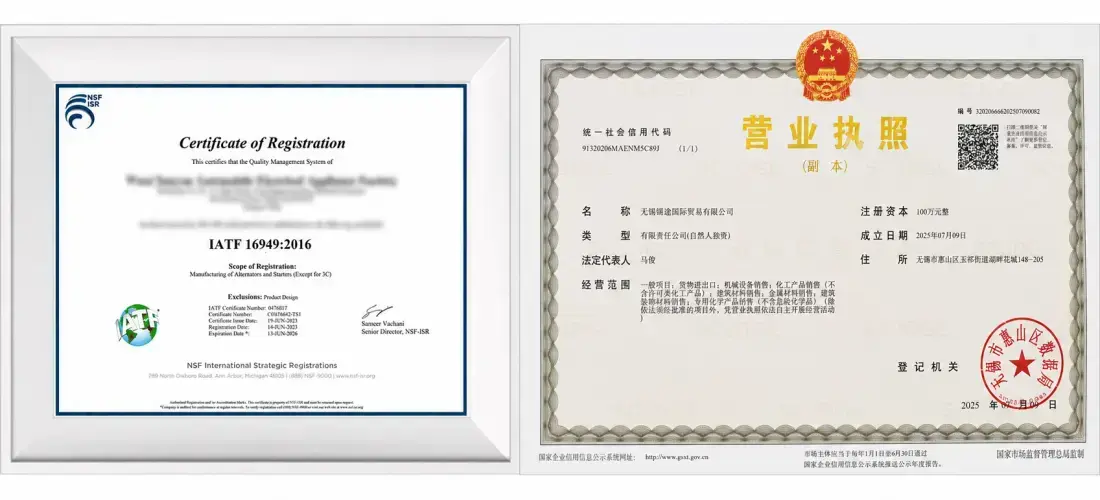
While aftermarket options can save you money, they are not all of the same quality. Premium replacement providers that follow IATF 16949 certification rules offer performance that is almost identical to OEM standards by using controlled manufacturing methods and strict testing procedures. Most of the time, these units meet or beat OEM specs and come at prices that are cheap enough for bulk purchases. There are risks with cheap aftermarket parts. Poor quality control, using low-quality materials, and not checking them properly can cause early failures and expensive car downtime.
Alternative Capacity Options
The 12V 70A alternator is a lower-capacity option that works well for basic models of cars that don't have many electrical devices. Even though it's cheaper, not having enough backup capacity can cause batteries to die in current cars with lots of electronic systems. The 12V 100A version has more power headroom, making it perfect for cars with aftermarket electronics or cars that are used in harsh situations and need more electricity room.
To choose the right size, you need to look at the unique electrical loads of the car. Higher-amperage units work better for fleet vehicles with telematics systems, better lighting, or refrigeration units. Standard 90A units, such as the 12V 90A alternator for Hyundai, work fine for private cars. To avoid problems with under-specification that hurt reliability, procurement workers should check the real needs of a vehicle's electrical system before suggesting options.
Supplier Evaluation Criteria
Several important traits are shown by providers you can trust. Systematic quality management and process controls designed for the car industry are confirmed by IATF 16949 approval. Suppliers who have recorded ties with original equipment manufacturers (OEMs) show that they can meet strict international standards. Quality makers can tell the difference between shady providers who don't follow the right verification steps by having clear testing paperwork that includes full-load output tests, salt spray corrosion testing according to ASTM B117, and high-temperature endurance validation.
Experience in manufacturing is very important. Suppliers who have been in business for decades have steady output skills and a lot of technical know-how. Instead of just contract assembly operations, in-house research and development teams show that they can keep improving products. All of these things make buyers more confident and lower the risks in the supply chain that come with inconsistent quality or unreliable delivery times regarding the 12V 90A alternators for Hyundai.
Installation and Maintenance Guide for Hyundai 12V 90A Alternator
Professional Installation Procedures
Safety rules are the first step in a proper operation. To avoid electrical sparks, disconnect the negative battery connection before you start working. Release the idler pressure to take off the serpentine belt. Write down the belt's route before taking it off to make sure it's installed correctly when it's put back on. Take out the electrical links at the generator and make a note of where the wires are so that you can reconnect them correctly.
Hold the weight of the alternator up while you take off the fixing nuts. You will usually need 10mm and 12mm sockets for this. Carefully remove the unit so as not to damage any nearby parts. Place the new alternator in place and hand-tighten the mounting bolts before the final torque requirements are met (usually 25–35 ft-lbs, but this depends on where the alternator is mounted). Make sure the positive battery wire link is tight when you reconnect the electrical terminals to avoid problems with voltage drop. Install the serpentine belt again following the path that was written down, make sure the tensioner is properly engaged, and connect the battery connection again.
Preventive Maintenance Practices
Regular inspections greatly increase the life of alternators. Visual checks are done every 15,000 miles to check for belt wear, link rust, and the soundness of the mounting frame. Clean the outside to get rid of dirt and other things that are getting in the way of cooling. Check the tightness of the belt every three months. Too much slack makes the pulleys slip and the battery doesn't charge properly, while too much tension speeds up bearing wear on the 12V 90A alternator for Hyundai.
Troubleshooting Common Post-Installation Issues
There are times when installing a new generator can be difficult. If the battery warning light stays on after the replacement, make sure the connections at the generator and battery leads are tight. Check the integrity of the ground wire because bad grounding stops the power from regulating properly. Check to see if the tightness on the serpentine belt is right. Loose belts can slip under load even if they look like they are put correctly.
Overcharging signs (voltage over 15V) usually mean that the regulator is broken or that the ground wires are bad, which causes the voltage sensor to give fake readings. Undercharging can happen even after installing a new generator if there are too many parasitic electrical draws. To find the problematic parts, you need to do circuit-by-circuit load testing. Professional diagnostic help clears up complicated electrical interactions that make it hard to find the root causes during the first fixing steps.
Procurement Insights: Buying the Right Hyundai 12V 90A Alternator for Your Business
Strategic Sourcing Channels
Authorized dealer networks offer OEM parts that are certified to work and come with full insurance support and expert tools. Even though they cost more, these routes are good for businesses that want to make sure everything works together and is reliable. Certified aftermarket wholesalers offer balanced solutions, which include high-quality products that meet international standards at prices that are cheap and good for buying in bulk.
Large operations gain from having direct ties with manufacturers. When you work with suppliers like XITU, which has IATF 16949 certification and recorded OEM supply experience, you can get prices directly from the factory, make changes, and get expert help. This method works especially well for people who own car brands, remanufacturers, and cross-border sourcing providers who need to make sure that quality stays the same across large orders for the 12V 90A alternator for Hyundai.
Negotiation and Logistics Strategies
When you buy in bulk, you can get better price arrangements. Setting up yearly supply deals with staged delivery plans is a good way to get low rates and keep inventory costs down. Minimum order number (MOQ) flexibility is important, especially for market testing or serving a wide range of car portfolios. Suppliers who can accommodate acceptable MOQs lower barriers to entry into new markets and inventory risks.
To handle lead time, you need to be able to communicate clearly. Reliable providers keep production and shipping windows of 30 to 60 days, which lets you plan your inventory accurately for items like the 12V 90A alternator for Hyundai. International shipping relationships with well-known freight companies make sure that goods are transported safely and that deliveries happen on time. Container consolidation services get the best shipping prices for orders with a modest volume, and fast choices take care of urgent replacement needs at higher costs.
Warranty and Support Considerations
Buying things with a warranty saves your interests. Standard six-month guarantees against manufacturing flaws are a good amount of time to protect your purchase, and sellers who offer technical help and quick claim settlement show that they care about their customers. Before signing the purchase agreement, make sure you understand the guarantee terms, including what the warranty doesn't cover, how to file a claim, and when you can get a new part.
Technical support after the sale is very helpful. Suppliers who offer installation help, troubleshooting support, and compatibility checks help buying teams avoid mistakes that cost a lot of money. Some makers offer localized service options, such as on-site installation help for big fleet operations. This makes implementation easier and speeds up the time it takes to get back to service.
Conclusion
To choose the right replacement 12V 90A alternator for Hyundai, you have to balance technical requirements, quality assurance, and strategy procurement issues. The 90-ampere capacity provides reliable performance in a range of operating situations and is compatible with a large range of Hyundai and Kia car models. Partnering with makers who can show proven quality management systems, clear testing methods, and reliable delivery capabilities is key to successful procurement. Strategic sourcing methods that focus on long-term relationships with suppliers over one-time purchases provide long-term cost savings and operating dependability that help businesses grow in the competitive car aftermarket.
FAQ
1. What replacement interval should we plan for these alternators?
Under normal conditions, the service life is usually between 100,000 and 150,000 miles. If your fleet cars have harsh job cycles, like frequent short trips, long periods of idling, or working in harsh climates, they may need to be replaced more often than every 80,000 miles. Regular checks of the electrical system let choices about replacement of the 12V 90A alternator for Hyundai be based on state instead of arbitrary distance limits.
2. Will aftermarket alternators void vehicle warranties?
Most of the time, quality replacement parts that meet OEM standards do not void guarantees. But proof of similar performance standards helps keep warranty disagreements from happening. Using certified providers with IATF 16949 credentials gives you peace of mind about quality that will stand up to review during warranty claims.
3. How do we identify urgent replacement situations?
When a vehicle's battery warning light stays on all the time and the voltage drops below 13V while it's running, the charging system has failed completely. These vehicles need to be replaced right away to avoid getting stuck. If you hear strange noises, smell burning, or see damage to a part, you need to take action right away before the electrical system fails completely and expensive computer control modules are damaged.
Partner with XITU for Reliable Alternator Solutions
With over 28 years of production experience and full IATF 16949 approval, XITU makes high-quality alternators. As a well-known 12V 90A alternator for Hyundai provider, we offer reliable 30–60 day wait times, consistent quality, and flexible minimum order quantities to OEM clients and aftermarket dealers around the world. Our in-house research and development (R&D) team is always working to improve the performance of our products, and our customization options allow us to meet the needs of different markets around the world.
If you choose XITU, you can get factory-direct prices without lowering the quality of the product. Our six-month warranty and dedicated technical help make sure that the buying process goes smoothly from the first question to the long-term growth of a relationship. Whether you need to buy a lot of alternators for a fleet or OEM solutions for your own car brand, our relationships with well-known foreign companies ensure safe delivery around the world.
Email our team at arisa@xitu-auto.com to talk about your particular needs. We give you cheap quotes, thorough compatibility checks, and expert paperwork to back up your purchasing choices. Let XITU become your reliable partner. We'll give your business the quality stability and supply chain reliability it needs.
References
1. Bosch Automotive Handbook, 10th Edition. Society of Automotive Engineers International, 2018.
2. "Alternator Design and Performance Standards for Modern Vehicles." International Journal of Automotive Technology, Vol. 19, No. 4, 2018.
3. IATF 16949:2016 Quality Management System Requirements for Automotive Production. International Automotive Task Force, 2016.
4. "Electrical System Diagnostics in Hyundai and Kia Vehicles." Automotive Engineering Technical Papers, SAE International, 2020.
5. "Corrosion Resistance Testing for Automotive Components: ASTM B117 Standard Procedures." American Society for Testing and Materials, 2019.
6. "Aftermarket Alternator Quality Assessment and Failure Analysis." Journal of Automotive Aftermarket Research, Vol. 15, No. 2, 2021.