




Cheapest Alternator Brands That Still Offer Good Performance
When we talk about the alternator/cheapest-alternator">cheapest alternator choices, we're talking about power generation units that create electricity without spending a lot of money on Tier-1 OEM parts. These alternators are a practical choice for fleet owners, parts dealers, and remanufacturers who need reliable power output but are on a tight budget. Low-cost alternators are made with efficient production, materials that are bought in bulk, and standard designs that can be used in a variety of situations. Figuring out which brands offer real value and which ones make risky concessions can change the way you buy things and protect your bottom line.
Understanding the Value of Affordable Alternators Without Sacrificing Quality
What Defines a Cost-Effective Alternator
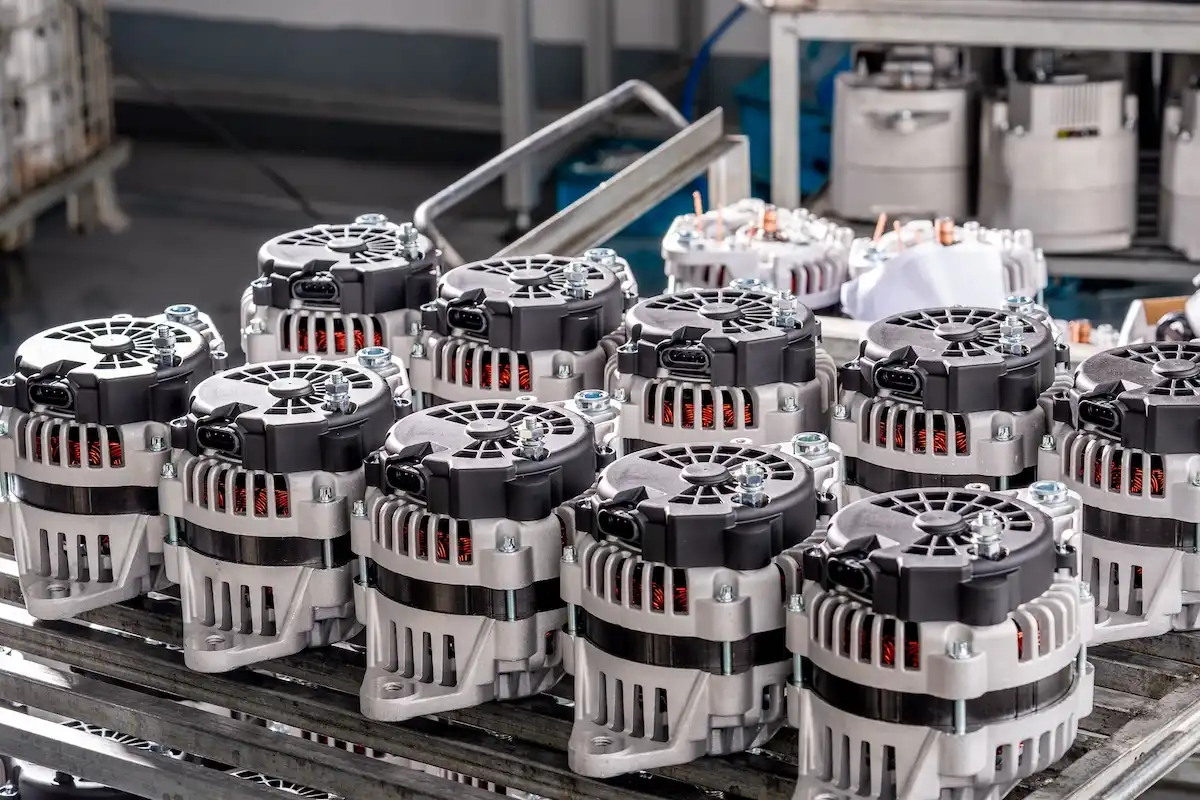
There are a lot of different price ranges for car electrical components, but not all of the cheap ones are good value. A truly cost-effective generator strikes a balance between three important factors: how efficiently it is made, the quality of its parts, and how consistently it works. Usually, these units have die-cast metal housings for heat management, high-conductivity copper windings with Class H insulation, and rectifiers with high-surge diodes that are built in. Instead of cutting costs on key functions, the price drop comes from making the production process more efficient.
Key Cost Drivers in Alternator Manufacturing
Alternator prices are affected by a number of things. Getting the materials takes up about 40% of the cost of production. The most expensive parts are the copper windings and precise bearings. Scale of production is very important. Medium-sized companies like XITU can give reasonable prices and meet IATF16949 certification standards, which small workshops can't do. Investing in tools, following quality testing methods, and getting the right certifications can also affect the end price. For example, the cheapest alternator may look attractive upfront, but when procurement workers understand these factors, they can figure out if a lower price really means more efficiency or lower quality.
Common Misconceptions About Budget Alternators
A lot of people buy the cheapest alternators, thinking they are all repaired or remanufactured units with unknown backgrounds. Good makers make brand-new units without charging for the core. This gets rid of the problems of returning old ones and not knowing how they were used before. Another myth is that cheap models can't handle the electricity needs of current cars. Standard electrical systems can be safely powered by alternators that are well-designed and have a rating of 60A to 150A and the right voltage control (13.5V to 14.8V). The most important difference is picking ISO 9001-certified makers with testing methods that can be checked out instead of suppliers that haven't been checked out.
Top Alternator Brands Delivering Reliable Performance at Competitive Prices
Established Global Brands with Budget Lines
There are a number of well-known brands in the generator market that offer value-oriented product lines. Bosch makes affordable units by drawing on decades of experience in the electrical systems of cars. These units are widely available through global distribution networks. Denso's cheap models benefit from Japanese production accuracy that has been tweaked for markets that want to save money. Valeo alternators blend the history of European design with low prices that make them ideal for use in aftermarket vehicles. These brands have good names for quality and offer basic choices that meet OEM requirements.
Regional Manufacturers with Strong Value Propositions
In addition to multinational companies, regional producers offer strong options. Remy International is a company that sells both new and refurbished alternators and has a big presence in the North American market. With solid mid-range prices, ACDelco serves both the GM and aftermarket markets. ANCO is mostly used in business vehicles, where reliability is more important than high-end features. While they may not always offer the cheapest alternator, most of the time, these smaller manufacturers offer more customization choices and less rigid minimum order amounts than their bigger rivals.
XITU: A Proven Alternative for B2B Procurement
With 28 years of production experience and IATF16949 certification, XITU stands out as a medium-sized producer. This is something that is hard to find at a reasonable price. The commercial cars we work with are Hyundai, Kia, and Mitsubishi. These include the HD72, HD78, K3600, and Canter models, all of which have diesel engines running from 2.4L to 4.9L. The housings of these units are made of metal, the windings are copper, and they are completely sealed to keep dust and water out. Hyundai 3730041512, Kia 0K80018300, and Valeo 600856 are just a few of the OEM part numbers that are compatible.
XITU alternators have many technical benefits, such as stable power through 2PK belt configurations, heat-resistant parts that have been tried in extreme engine bay temperatures, and designs that reduce vibrations that make the units last longer. Our in-house research and development team is always working to improve the longevity of our products by balancing the rotors, choosing the right bearings, and controlling the temperature. Having worked with foreign OEM clients proves that our manufacturing is consistent and that we have good process control.
How to Identify and Procure Budget Alternators That Meet Your Requirements
Matching Specifications to Application Needs
Accurately meeting specifications is the first step to a successful purchase. Different types of vehicles need different voltages (12V for cars and 24V for trucks). Amperage must be enough to cover all electricity loads and battery charging. With both horizontal and vertical mounting options, XITU alternators can work with both voltage standards, giving installers a choice of different installation situations. Engine compatibility is a must; cross-referencing OEM part numbers keeps expensive fitting mistakes from happening. With precise fitting ear shapes, our units work with 4D56, 4M40, 4M42, 4D32, 4D31, and 6D31 engine types.
Evaluating Supplier Reliability and Compliance
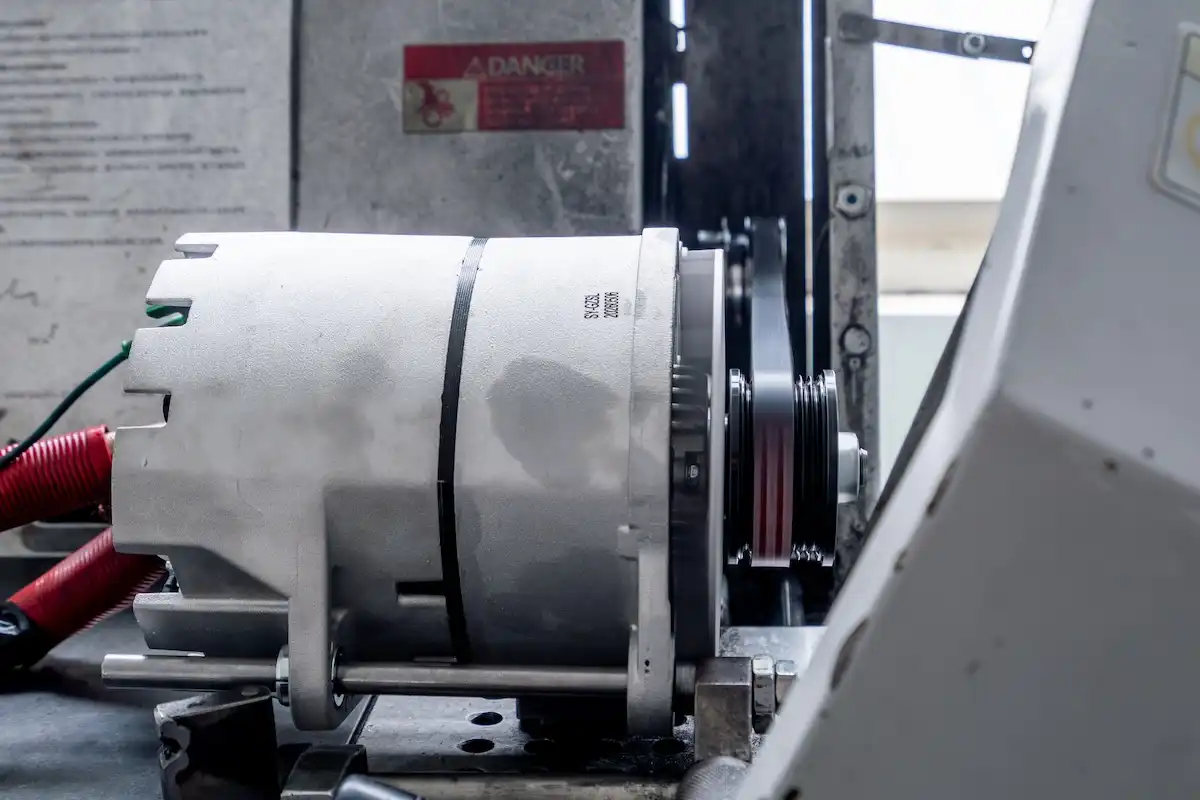
While the cheapest alternator might seem appealing at first glance, product specs, manufacturing skills, and quality systems play a far greater role in choosing a supplier. IATF16949 certification shows quality control for the car industry, which small companies don't have. Stable lead times of 30 to 60 days show that production schedules and material supply lines are well-established. Brand owners who need to check their suppliers should make sure the factory is ready for an audit. XITU keeps detailed records, methods for tracking things, and full-load performance tests (that meets SAE J180 standards) that meet strict OEM audit requirements.
Cost-Benefit Analysis: New vs. Rebuilt vs. OEM
When making purchases, people should think about the total cost of ownership, not just the price of the item itself. With brand-new alternators from approved makers, you don't have to worry about how they were used before, whether parts have failed, or whether they were remanufactured correctly. Rebuilt units are cheaper up front, but the quality may not be uniform, and they need to be serviced less often. OEM-branded parts are the most compatible, but they usually cost 40–60% more than options of the same quality. For fleets with a lot of miles driven or older vehicles that need to be replaced on a regular basis, new budget alternators from dependable sources offer the best return on investment.
Negotiation Strategies and Bulk Procurement Best Practices
Buying in bulk can save you a lot of money, but you need to plan ahead. Setting minimum order amounts that balance inventory costs with price breaks is the best way to get the most out of your business. Long-term supply deals keep prices stable and give production priority during times of high demand. Working together with makers on a technical level lets you make changes that set your business apart in the market. XITU provides ODM/OEM services that are suited to local voltage standards, mounting configurations, or branding needs. Payment terms and logistics planning through well-known foreign carriers lower the cost of landing and make customs procedures easier.
Maintenance and Longevity Tips for Budget-Conscious Alternator Selection
Routine Inspection Protocols
To make a generator last longer, you need to do regular repair. Every 10,000 miles, the belt tension, pulley alignment, and link strength should be checked visually. Testing the voltage output under load makes sure that the regulator works and that the diode works well. Failures that are indicated by noise or high temperatures can be caught early and avoided, avoiding crashes on the side of the road. XITU alternators are fully sealed, which reduces the risk of contamination. However, cleaning them from the outside gets rid of conductive dust that can cause electrical tracks.
Diagnosing Common Failure Modes
Even the cheapest alternator tends to break down in the same ways. As internal gaps get bigger, bearing wear makes grinding noises. If the voltage regulator doesn't work right, the battery can overcharge (above 15V) or undercharge (below 13V). When a diode fails, it causes AC ripples that hurt electronics that are easily damaged. By recognizing these signs, you can make focused fixes instead of replacing the whole thing. You can get a 6-month warranty on manufacturing flaws, and a good diagnosis can tell the difference between a failing part and mistakes made during installation or problems with the electrical system outside the product.
Maximizing Warranty Value and After-Sales Support
Knowing what your guarantee covers will help keep your investment safe. For six months, XITU guarantees that any quality problems that aren't caused by people will be fixed or replaced for free. It is easier to file a warranty claim when you write down the installation conditions, working settings, and failure modes. Technical help teams can figure out what's wrong from afar, which cuts down on downtime. Keeping in touch with suppliers who offer ongoing technical support provides long-term value that goes beyond the original transaction. For example, our customer-centered service model includes help with installation and fixing problems.
Conclusion
To find the cheapest alternators that meet performance standards, you need to know the basics of manufacturing, evaluate the skills of suppliers, and use smart buying strategies. Premium OEM parts can be replaced with parts from well-known global names, specialized regional makers, and approved mid-sized producers like XITU. The key is to check quality systems, make sure that standards are met exactly, and work with providers who offer expert help and guarantee protection. If you're trying to save money on buying, that doesn't mean settling for lower quality. Instead, it means finding makers who are efficient through scale, process optimization, and focused product portfolios, rather than sacrificing important performance characteristics.
FAQ
1. Can Budget Alternators Handle Modern Vehicle Electrical Demands?
Standard electrical systems can be safely powered by high-quality, cheapest alternators that are rated correctly for the energy they need to handle. To make sure there is enough capacity, figure out the total electricity load that includes lights, HVAC, and tools. Commercial cars with mild electricity needs can use XITU 24V 40A units, while applications needing more power can use higher-output models.
2. How Do Warranty Terms Compare Across Budget Brands?
The length of the warranty ranges from 90 days to 12 months, based on how confident the manufacturer is in the product's quality. XITU has 6-month guarantees that cover problems with the way the product was made and include skilled repair or replacement. Always be clear about the difference between failures that qualify for a guarantee and mistakes made during installation or external wiring problems.
3. What Compatibility Verification Steps Prevent Fitment Issues?
Compare several markers, such as OEM part numbers, car VINs, engine codes, and mounting arrangements. XITU alternators work with Hyundai 3730041512–3730041701, Kia 0K80018300, and other Valeo models that are similar. To make sure of a straight fit, check the pulley type, belt setup, and connector pinout before placing an order.
Partner with XITU for Reliable Alternator Supply Solutions
To find reliable alternators at a good price, you need a production partner that knows how hard it is to buy things from other businesses. XITU has been making parts for 28 years and is IATF16949 certified. They offer OEM-quality parts at a price that isn't too high. Fleets of industrial vehicles use our 24V 40A alternators, which have been shown to work reliably on Hyundai, Kia, and Mitsubishi systems. We offer 30- to 60-day lead times, variable MOQs that are good for trying out new markets, and full technical support for the entire lifecycle of the product. As a seller of alternators with a lot of experience, we can offer ODM/OEM customization, factory audit readiness, and established transportation partnerships for safe shipping around the world. Get in touch with our team at arisa@xitu-auto.com to talk about your unique application needs and get customized quotes backed by our 6-month guarantee promise.
References
1. Society of Automotive Engineers. (2019). Surface Vehicle Recommended Practice: Alternator Test Procedure – Electrical Performance Requirements SAE J180. SAE International Standards.
2. International Automotive Task Force. (2016). IATF 16949:2016 Quality Management System Requirements for Automotive Production and Relevant Service Parts Organizations. IATF Administration.
3. Denton, T. (2017). Automobile Electrical and Electronic Systems (5th ed.). Routledge.
4. Ribbens, W. B. (2016). Understanding Automotive Electronics: An Engineering Perspective (8th ed.). Butterworth-Heinemann.
5. Bosch GmbH. (2018). Bosch Automotive Electrics and Automotive Electronics: Systems and Components, Networking and Hybrid Drive (6th ed.). Springer Vieweg.
6. Larminie, J., & Lowry, J. (2012). Electric Vehicle Technology Explained (2nd ed.). John Wiley & Sons.