




What Is Normal 12V Alternator Output for Your Vehicle?
Understanding what constitutes normal alternator%2012v%20120a&type=products">12v alternator output is fundamental for maintaining your vehicle's electrical health and preventing unexpected breakdowns. A properly functioning alternator typically produces between 13.5 and 14.8 volts when the engine runs, not the nominal 12 volts many assume. This higher voltage is necessary to overcome the internal resistance of your battery and ensure efficient charging. The amperage output, commonly ranging from 60A to 200A depending on your vehicle model, must match your electrical system's demands. When these parameters fall outside normal ranges, you risk battery failure, dimmed headlights, and compromised performance of electronic systems.
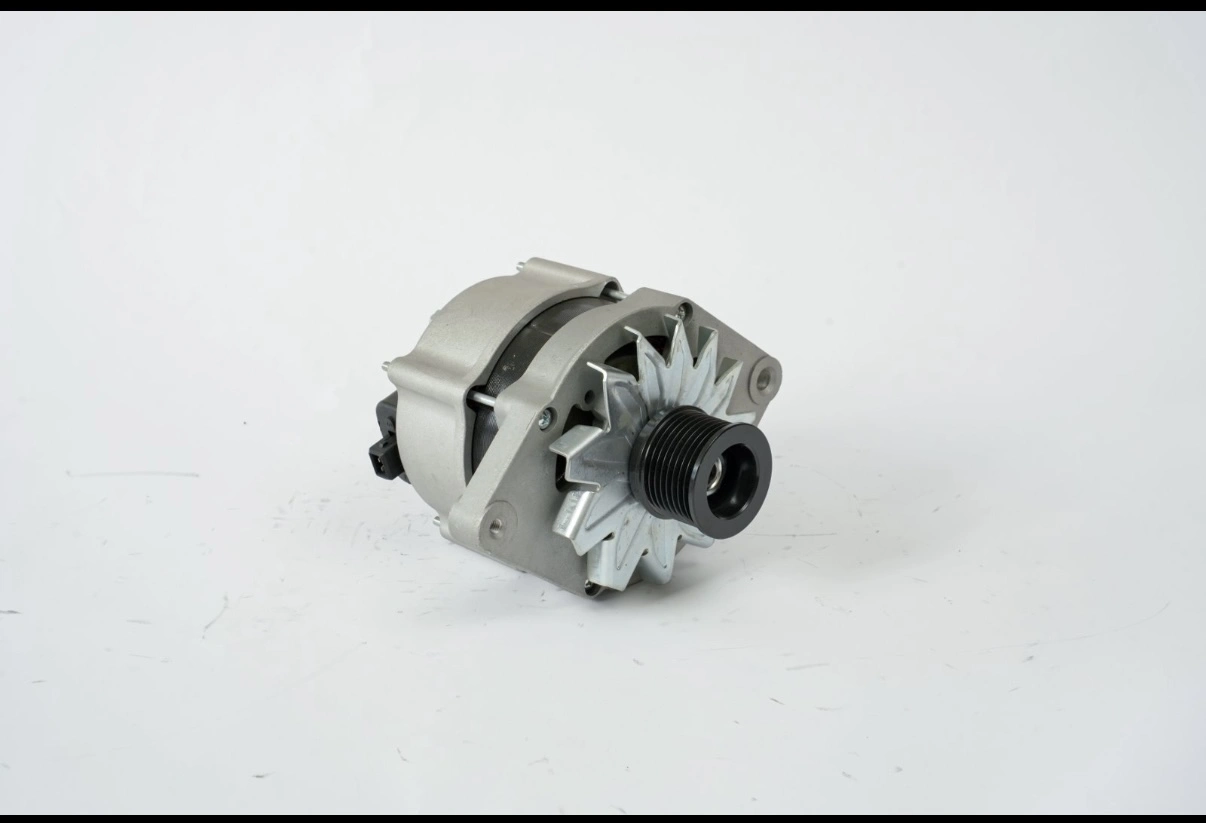
Understanding Standard Voltage and Amperage Parameters
What Defines Normal Operating Voltage Range
Modern alternators have a voltage regulation system that keeps the output in a very narrow range. You should be able to read 13.8 to 14.4 volts at the battery terminals when the engine is running at idle or a moderate RPM. The chemical process needed to charge lead-acid batteries properly is based on this voltage. When the temperature goes up, good alternators have temperature adjustment circuits that lower the power a little to keep the battery from losing electrolyte and gases.
The voltage regulator is like the brain of the system; it constantly checks the state of the batteries and the load on the electricity. It changes the field current going through the rotor windings so that the output stays stable even if the engine speed changes. If the regulator fails, the voltage could rise above 15 volts, which can damage sensitive electronics, or it could fall below 13 volts, which would leave the battery permanently undercharged.
How Amperage Output Varies by Application
The alternator's amperage capacity shows how much power it can send to all electrical loads while still charging the batteries. Most standard passenger cars have alternators that run on 60A to 120A, which is enough to power the headlights, climate control, and basic entertainment systems. Heavy-duty industrial vehicles, emergency service vehicles, and vehicles with aftermarket additions often need 150A to 250A units to power extra lighting, hydraulic pumps, communication gear, and cooling systems all at the same time.
The charging curve shows how the delivery of amperage changes as the RPM changes. At idle speeds of about 700 RPM, the rotor speed of a typical alternator might be too slow to produce more than 40 to 50 percent of its maximum power. As the engine RPM rises to cruising speeds on the highway, the alternator's full power is reached, which is usually recorded at 6,000 alternator RPM. Because of this, "idle output" is an important standard for vehicles that stay still for a long time with electricity loads on, like delivery trucks or emergency response vehicles.
Recognizing Signs of Output Problems
Several warning lights show that the output of your alternator has dropped below what is considered acceptable. The most noticeable sign is the warning light on the dashboard, but it usually only comes on after the voltage drops a lot. If the headlights dim when high-draw devices like the air conditioner are turned on, it means that the vehicle's amperage ability is not enough. If the battery needs to be jump-started over and over again even though it's not very old, it means that the generator isn't putting out enough power.
A voltmeter is a reliable way to measure 12v alternator output. When the engine is going at 2,000 RPM and all the tools are turned off, a voltage below 13.5V means that either the potential regulator is broken or the brushes are worn out, which lowers the field current. Voltage above 15V means the regulator isn't working right, which could damage parts. Seeing a voltage drop of more than 0.5V when the headlights and fan motor are turned on is a sign that the alternator isn't able to keep up with demand, either because it doesn't have enough power or because it's breaking down inside.
Choosing the Right Alternator Output for Your Specific Needs
Matching Output to Vehicle Classification
OEM alternators, usually 80A to 100A, function well in passenger automobiles with normal electrical systems. Equipped with electronic stability control, power steering assist, fuel injection, and standard lights, these are simple to use. If your car is simply utilised for basic transportation, keeping it to OEM specs can ensure reliability and compatibility with wiring harnesses and mounting layouts.
Commercial trucks, buses, and construction equipment need extra space. A concrete mixer truck may need 200A to operate its hydraulic systems, auxiliary lights, and telemetry tracking equipment during protracted inactivity. Emergency automobiles must use medical equipment, emergency lighting, and communication systems while they stop, making circumstances worse. Dual-rectifier configurations keep output high at high temperatures, where alternators lose 10–20% power.
Complex marine uses require fire- and rust-resistant housings. Stainless steel screws and conformal-coated circuit boards are needed because saltwater breaks down alternators faster. These particular units must charge deep-cycle house battery banks and power navigation systems in humid areas where automobile alternators fail quickly.
Evaluating Technical Differences Between System Voltages
Knowing when 24V systems are better than 12V affects fleet management and OEMs' procurement. Heavy machinery and commercial vehicles use 24V electrical systems because greater voltages require less current. This allows thinner wire, saving weight and money on installation. The 24V system uses two 12V batteries in series. The alternator output maintains 27V–28.5V to charge batteries.
Compatibility requires more than voltage matching. The generator's internal rectifier bridge, voltage regulator, and field winding need the proper system voltage. Putting a 12V generator in a 24V system or vice versa will fail immediately. To avoid overheating the DC-DC converter and allow the main alternator to manage conversion losses, 12V accessories for 24V autos must be properly calibrated.
XITU makes 12V and 24V alternators. Metal housings with copper windings and a sealed construction keep dust and water out. Our devices can be installed horizontally or vertically with standard mounts, enabling integration in cars, trucks, buses, and construction equipment easy. Each alternator undergoes ISO 9000 certification testing before shipment.
Comparing Manufacturer Quality Standards
Industry leaders Bosch, Denso, Valeo, and Delco Remy set quality standards that procurement managers use to evaluate providers. These firms invest heavily in new technologies like hairpin winding construction, which densifies the stator's copper fill, reducing internal resistance and increasing efficiency. Quality units have temperature-compensating voltage regulators that adjust output dependent on ambient temperature. This protects the gadget from overcharging and heat damage.
XITU has 28 years of manufacturing experience and meets OEM quality standards. For the Kia Sportage I 2.0 TD K00 (1996–2002), Retona 2.0 TD, and Sportage 2.2 4WD, our alternators match OEM numbers like WAI 23236R, BOSCH F032CA1795, DELCO REMY DRA4198, and Hyundai 373002W000/373002W001 series This 12V 60A arrangement with 1/2PK belt charges steadily and resists heat, vibration, and mechanical damage for a long lifespan.
Technical Testing Methods and Maintenance Protocols
Conducting Accurate Output Measurement
Load performance testing demonstrates the alternator provides maximum power at all RPMs. This requires a carbon pile load tester or electronic load bank that can pull the generator's maximum current while monitoring voltage. Load the engine to 2,000 RPM and keep the voltage between 13.5V and 14.5V. When the load is applied, a voltage drop below 13V indicates weak diodes, brushes, or stator windings.
After the alternator reaches 90°C, the thermal soak test measures power loss. Many alternators lose 10–15% of their rated power when hot because the copper windings become more resistive and the converter performs poorly. Premium units with greater cooling and larger parts maintain maximum power over more temperatures. Test the alternator's cold and hot output to see if it can handle summer traffic or extended highway travels.
Oscilloscopes detect rectifier diode failures in 12v alternator output. AC entered the DC electrical system due to these problems. Healthy alternators have less than 10% AC ripple voltage compared to their maximum output. Ripple can harm electronic control modules, make audio systems noisy, and disrupt radio reception. The alternator must be replaced before ripple worsens due to a single failing diode in the six-diode rectifier bridge.
Maintaining Supporting System Components
Belt tension affects generator performance because low tension lets the belt slip, lowering the effective driving ratio. Modern serpentine belts require a particular gauge for tensioning. A tight belt stresses the bearings and accelerates wear, whereas a slack belt squeaks and doesn't charge when the engine is idling. Automatic tensioners simplify maintenance, but they wear out and need to be changed to maintain spring force.
Power flows freely when alternator and battery wire links are low-resistance. Resistance from corrosion at connectors causes heat and voltage drop. The regulator increases field current to compensate. This initiates a harmful loop where current accelerates corrosion. All charging circuit links should be disassembled, cleaned and reassembled with dielectric oil to prevent moisture during the annual check.
Because a weak battery with high internal resistance requires the alternator to work constantly at full output to charge it, its lifespan is affected. High duty cycle shortens alternator bearing life, generates heat, and stresses rectifier diodes. In mild climates, changing batteries every 4 to 5 years reduces alternator stress and prevents rapid battery death, leaving the alternator unable to power electrical equipment.
Troubleshooting Common Output Issues
An alternator must be tested in a planned method to distinguish between failure, wire difficulties, and too much electrical loads. Parasitic drain testing finds circuits that take power even when the engine is off when the battery voltage is normal but it keeps draining. Even with a working alternator, improperly installed aftermarket equipment can deplete the battery overnight.
Most charging stops and starts because the brushes are worn out and making uneven contact with the slip rings, the wiring connections are loose and shaking while driving, or the voltage regulator is failing. These difficulties may appear during testing on the road or in changing conditions. Longer voltage-tracked test cycles can reveal occasional issues bench testing misses.
An alternator bearing failure causes the rotor to touch the stator and make metallic scraping sounds. Seized bearings put stress on the drive belt, which can break and stop charging or the water pump. Consider replacing the bearing if you hear it early instead of calling for help on the way.
Strategic Procurement Considerations for B2B Buyers
Assessing Current and Future Electrical Demands
When electrifying a fleet, electrical loads will climb as cars have additional electronics, driver assistance, and connection features. After adding fleet tracking systems, dashcams, mobile phone gear, and better lights, 80A alternators in first-generation cars may need 120A. Avoid accessory loads overloading the alternator by making modifications beforehand. Batteries may not charge properly and parts may fail early.
Assessing electrical load profiles requires listing all customers and their simultaneous operation probability. If all accessories are running, the alternator doesn't need to handle maximum load. But real-life situations require prudence. With the liftgate open, climate control on, and navigation on, delivery cars' alternators must handle large loads for long durations without overheating.
Scalability affects fleet specs. Standardising higher-capacity alternators for similar vehicle platforms streamlines inventory management and facilitates future changes without alternator upgrades. Although more expensive, this technique is simpler and easier to adjust to changing operating needs.
Evaluating Supplier Capabilities and Certifications
IATF 16949 certification means a supplier's auto quality management system meets international standards. This clearance requires written process controls, product tracking, and continuous improvement initiatives to maintain product quality. Medium-sized IATF 16949-certified manufacturers can generate more items than small workshops and serve faster than large factories.
Supplier audits are essential for consumer and government plant checks. Audits benefit vendors with organised production, paperwork, and quality systems. Risky suppliers lack scale and processes. Ask potential partners to self-assess their credentials, production capacity, quality control, and testing equipment before ordering.
The ISO 9000-certified XITU factory has 28 years of manufacturing experience and advanced quality control. Our expert R&D team improves our products' structure and performance to make them stronger. They tailor to each market. We supply several foreign automakers, proving our reliability and global competitiveness. Production stability allows 30–60-day wait durations and fast servicing.
Verifying Product Authenticity and Quality
Global supply chains struggle with counterfeit vehicle electrical parts. Poor alternators with phoney brand insignia can break down early and damage the vehicle. Real products from reputed manufactures have design and material specs to justify their premium pricing. However, fakes employ inferior materials and bypass crucial manufacturing steps to save money.
Checking holographic signs, serial numbers against maker databases, and certifications of conformance with 12v alternator output production batches are means to verify authenticity. Physically inspecting the alternators reveals quality differences. Genuine alternators have excellent machining, consistent paint, and proper screw torque. Most fakes include sloppy casting, irregular gapping, and loose assembly, indicating they were created rapidly without quality control.
Test sample units before placing large orders to avoid subpar items. A two- to four-hour full-load heat run shows that the voltage regulator maintains power as temperatures rise. ISO 16750-3 vibration endurance testing simulates rough roads. The casing meets standards after ASTM B117 salt spray testing shows its solidity and corrosion resistance. Validation steps cost money, but they prevent costly product problems after deployment.
Implementing Best Practices for Long-Term Performance
Establishing Routine Inspection Schedules
Alternators should be serviced alongside other vehicle parts. Every 15,000 to 30,000 miles, check the electrical system depending on how hard the automobile is used. An examination requires measuring output voltage and amperage while the machine is running, checking drive belt tension, wire connections for corrosion or looseness, and listening for abnormal bearing sounds.
Tracking test results lets you spot patterns and see how performance is declining. If the alternator's output drops from 14.2V when new to 13.7V after 80,000 miles, problems are developing and should be replaced promptly. By monitoring fleet output voltage, you may determine if certain car types or working profiles promote alternator breakdown. This data can improve future purchase specifications.
Thermal imaging can detect overheating before it causes major damage. Hot areas on the generator case indicate shorted windings or stagnant bearings. High-resistance joints must be repaired when wire links overheat. Thermal inspection during regular maintenance detects issues early, when they are cheaper to fix.
Determining Optimal Replacement Timing
Alternator replacement costs are compared to the risk and cost of sudden failure. Emergency vehicles and long-haul trucks should change alternators before they break down at predetermined travel intervals since dependability is vital and downtime is expensive. Performance-based replacement maximises service life and avoids premature equipment replacement, lowering costs.
Fleet management systems that monitor how effectively a vehicle's power system operates help users choose replacements. When voltage regulation fails or output capacity drops, replacing it during routine maintenance is easier and cheaper than emergency roadside assistance. Planning ahead ensures parts are accessible and allows replacement to be bundled with planned maintenance, decreasing vehicle downtime.
Recycling alternators through remanufacturer core exchange schemes saves money and helps the environment. Good remanufactured units have new bearings, brushes, and regulators but usable housings and cores. Remanufacturer warranties and testing ensure rebuilt units perform well. XITU's 6-month guarantee includes free repair or professional service for non-human-caused quality issues. Customers can trust the goods.
Adopting Emerging Technologies
New generators improve over time. Smart alternators with battery management systems connect to the engine control module and adjust power based on battery charge and projected electricity use. Save gasoline by reducing the alternator's load while the engine speeds up and increasing it when it runs.
Dual-voltage alternators for 12V and 48V electrical systems are becoming more common in hybrid and start-stop autos. Because belt-driven starter-generators and other high-power equipment require 48V, 12V is less busy. Knowing these architectural changes helps procurement specialists forecast what they'll need as car electrical systems become more complicated.
Brushless alternators eliminate carbon brush and slide ring contact, which fades and requires additional maintenance. Brushless designs are ideal for heavy-duty purposes where longer service intervals justify the greater initial cost. High-end technology are cheaper to maintain and replace, lowering their total cost of ownership.
Conclusion
Figuring out what a normal 12v alternator output should be—usually 13.5 to 14.8V and the right amount of power for your car's needs—is the first step to keeping your car running well. To choose the right output specifications, you have to weigh cost against capability by looking at the type of vehicle, operating conditions, and electrical load profiles. Regular testing using the right methods, routine care of supporting parts, and condition-based replacement plans all work together to extend the life of a system and reduce the number of surprise breakdowns. For strategic buying to work, you need to look at what suppliers can do, make sure they have the right certifications, and make sure the quality of the products you buy is uniform across your fleet. Using these all-around best practices increases the dependability of electrical systems, lowers their total cost of ownership, and boosts operational efficiency, whether you're in charge of business fleets or providing aftermarket distribution networks.
FAQ
Why does my alternator produce higher voltage than 12V?
Alternators make 13.8–14.4V, which is enough to overcome the resistance inside the battery and allow it to charge properly. This high voltage makes sure that there is enough of an electrical potential difference to drive current into the battery, which replaces the charge that was lost during starting and using accessories. Voltage regulators keep this range even if the engine speed or electrical load changes.
Can changing the pulley increase idle output?
The drive ratio goes up when a smaller pulley is added to the alternator. This makes the alternator spin faster compared to the engine RPM. This change makes the low-RPM power better, which is good for cars that have a lot of electricity loads when they're not running. The pulley size shouldn't make the alternator speed go over its maximum RPM rating, which is usually around 18,000 RPM. If it does, the bearings could fail and other parts could get damaged.
What causes high AC ripple in alternator output?
When there is too much AC ripple, it usually means that diodes in the rectifier bridge have failed. This bridge changes the alternating current from the stator windings to direct current for the system. A single failed diode makes ripple much worse, which could damage sensitive electrical parts. This problem is found with an oscilloscope that measures ripple voltage as a proportion of total power. The alternator needs to be replaced.
How does temperature affect alternator performance?
When it's hot, copper windings have more electrical resistance and rectifiers work less efficiently. This means that alternators lose 10–20% of their maximum capacity. High-quality units have better cooling systems and voltage regulators that change the output based on the temperature to keep the battery from overcharging when parts get hot during long use.
Partner With a Trusted 12V Alternator Output Manufacturer
XITU makes OEM-quality alternators and has been doing so for 28 years and is ISO 9000 certified. Our 12V 60A units for the Kia Sportage are 100% OEM compatible with BOSCH, DELCO REMY, and Hyundai standards. They are built to last and are resistant to heat, pressure, and wear. We keep our lead times stable at 30 to 60 days and offer adjustable ODM and OEM solutions that are made to fit the needs of your market. There is a full 6-month warranty on every alternator, along with dedicated technical support. We give you the quality stability and service responsiveness your business needs, whether you're an aftermarket dealer, an OEM partner, or a fleet provider. Email our team at arisa@xitu-auto.com to talk about your specific alternator needs and experience the reliability that car companies around the world trust.
References
1. Society of Automotive Engineers (2019). "SAE J56: Electric Propulsion System Rating Standards for Passenger Vehicles." SAE International Standards Catalog, Warrendale, PA.
2. International Organization for Standardization (2018). "ISO 8854: Road Vehicles – Alternators with Regulators – Test Methods and General Requirements." Geneva, Switzerland.
3. Thompson, Robert & Martinez, Elena (2021). "Automotive Electrical Systems: Design, Testing, and Reliability Engineering." McGraw-Hill Professional Engineering Series, 4th Edition.
4. American Society for Testing and Materials (2020). "ASTM B117: Standard Practice for Operating Salt Spray (Fog) Apparatus for Corrosion Testing." ASTM International, West Conshohocken, PA.
5. International Automotive Task Force (2016). "IATF 16949: Quality Management System Requirements for Automotive Production and Relevant Service Parts Organizations." Southfield, MI.
6. Davidson, William (2022). "Heavy-Duty Vehicle Electrical Systems: Component Selection and Fleet Maintenance Strategies." Commercial Vehicle Engineering Quarterly, Vol. 48, No. 3, pp. 112-134.