




Top 10 Alternator 12V 120A Options for Commercial Fleets
When commercial fleet managers face electrical system failures, the consequences ripple through entire operations—delayed deliveries, stranded vehicles, and mounting repair costs. Selecting a robustalternator%2012v%20120a&type=products"> alternator 12v 120a unit becomes a strategic decision that directly impacts fleet uptime and profitability. This comprehensive guide addresses the unique procurement challenges faced by automotive brand owners, wholesalers, and remanufacturers who demand certified quality without compromising on delivery speed or customization flexibility. We'll explore the technical specifications, leading options, maintenance strategies, and sourcing best practices that empower B2B buyers to make confident decisions backed by verifiable performance standards and long-term support guarantees.
Understanding the 12V 120A Alternator and Its Role in Commercial Fleets
Commercial vehicles have to deal with a lot of very different situations than private cars. The constant starting and stopping of delivery routes in cities, the steady electrical loads from refrigeration units in cold chain logistics, and the power-hungry diagnostic systems in modern trucks all put a lot of stress on charging systems. An alternator 12v 120a is the electrical heart of these operations. It takes spinning energy from the engine and turns it into stable direct current that powers onboard systems and charges the batteries at the same time.
How 12V 120A Models Meet Heavy-Duty Electrical Demands?
The 120-amp rating is the highest constant power that can be achieved in ideal conditions, which are usually when the engine speed is above 2,000 RPM. This capacity is about 30–50% higher than a normal 80–90A unit, so it gives cars with extra lighting, telematics systems, and climate control that all use power at the same time the space they need. The voltage regulation system keeps the output between 13.8V and 14.4V. This keeps the battery from sulfating from not being charged enough and sensitive electronics from being damaged by overcharging.
Critical Specifications for Fleet Applications
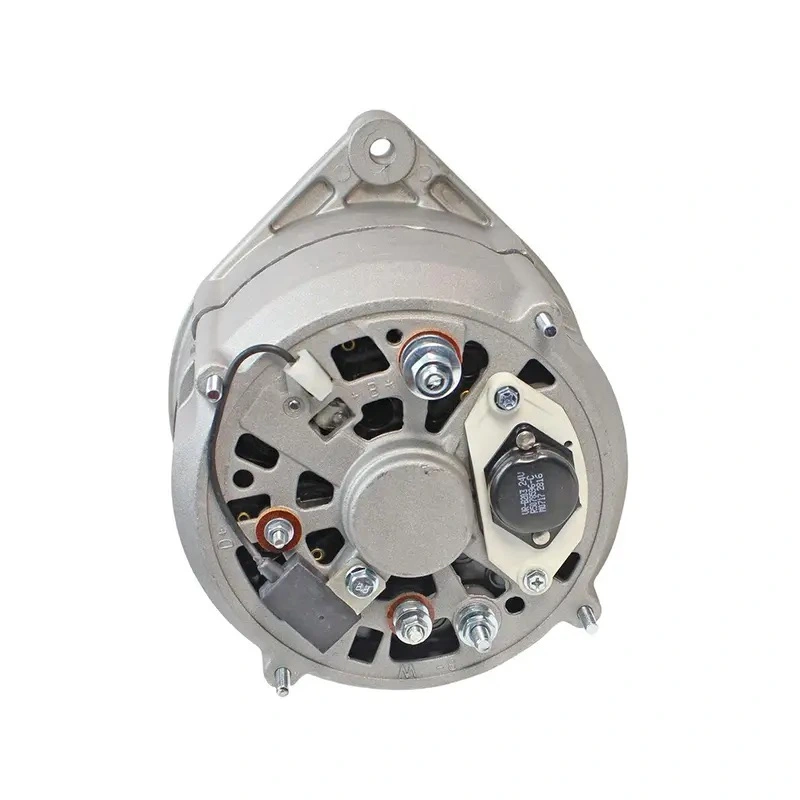
In commercial settings where engine bay room is limited, physical measurements are very important. Most alternator 12v 120a units made for fleet use have small aluminum housings that are about 180–220 mm long and come with standard mounting brackets that can be used for both horizontal and vertical installations. The thermal management design includes internal cooling fans and high-temperature Class H insulation on the copper windings. This lets the device keep working at 80°C outdoor temperatures without losing power. Heavy-duty terminals are used at the connection points to handle the higher current flow. This means that 4-gauge wiring is usually needed instead of the 6-gauge standard for models with lower output.
Operational Advantages in Commercial Settings
When fleet managers upgrade to 120A capacity, they say they see real benefits. During small delivery stops, vehicles' batteries charge up faster, which lowers the chance of not starting on routes with multiple drops. The extra power space lets you add GPS tracking, dashcams, and cell phones without putting too much stress on the charging system. 2 to 3 percent more gas mileage has been seen in cars with properly sized alternators because the system works within its most efficient range instead of constantly maxing out.
Top 10 12V 120A Alternator Options for Commercial Fleets
To choose the best unit, you have to weigh the costs of buying it now against the costs over its lifetime, such as insurance coverage, repair intervals, and the chance of downtime. The next section looks at tried-and-true choices that have been shown to work well in a variety of fleet situations, from temperature-controlled logistics to supporting building vehicles.
Evaluation Criteria for Commercial Fleet Alternators
Thermal resilience should be a top priority for procurement pros. This can be tried using accelerated life-cycle methods that mimic years of operation. IATF 16949 certification means that there are controls in the manufacturing process that make sure that each batch is the same. This is very important for maintaining large fleets because interchangeable parts make inventory simpler. Quality units can tell the difference between cheap ones and expensive ones by how stable their output is when the load changes. The voltage ripple should stay below 0.5V peak-to-peak to avoid interfering with CAN bus systems and engine control modules.
XITU 12V 120A Alternator for Hyundai & Kia Commercial Vehicles
The XITU alternator 12v 120a is designed to work with Hyundai Grandeur, i30, Sonata, and Kia Carens, Cee'd, Magentis, and Pro Cee'd models. It provides OEM-level performance by directly fitting with DELCO REMY, HC-PARTS, HYUNDAI, KIA, and POONG SUNG part numbers. The 6PK belt drive system makes sure that the belt stays in place even when the vehicle speeds up quickly. Its fully sealed design, which includes an aluminum housing and copper windings, keeps out water and chemicals from road salt and engine fluids.
The unit does a great job of controlling temperature because it has well-designed internal airflow paths that keep component temperatures within safe limits, even when the unit is not in use for long periods of time and there are heavy electricity loads. The smooth design makes it easy to service in the field, which is useful for truck maintenance centers that would rather fix units themselves than having to buy new ones. As part of XITU's quality assurance program, all products are tested on a dynamometer before they are sent out. This makes sure that the output curve works properly across all RPM ranges.
In addition to basic features, XITU offers a six-month warranty backed by technical help experts who know how to set up large-scale operations. Because the company has been making automotive electronics for 28 years, they have made design improvements that address common failure modes. For example, reinforced bearing assemblies stop premature wear from belt misalignment, and potted electronics can handle levels of vibration that would damage cheaper alternatives. ISO 9001 approval verifies the quality management systems that keep an eye on production. This gives procurement teams the proof they need to check suppliers and make sure they are following the rules.
Comparison of Leading Commercial Fleet Alternators
There isn't enough room to go over all ten options in detail, but knowing what the other options are helps put XITU's value proposition in context. Bosch units are more expensive, but they work great in cold-start situations that are common in northern climes. Denso alternators have very low electromagnetic interference, which means they can be used in cars with radio frequency equipment that is sensitive. Delco Remy goods are easy to find in the aftermarket because they are distributed through well-established networks. This makes emergency repairs easier. Aftermarket names like DB Electrical and TYC offer cost-effective choices for older rental cars where the initial cost is more important than long-term dependability. OEM-sourced units promise perfect connectivity, but they often have longer lead times that make it harder to plan repairs for fleets.
When buying teams look at the total cost of ownership, the choice matrix changes. A unit that is priced 15% less than competitors but breaks down twice as often costs more because of the work costs, car downtime, and tow fees. XITU targets consumers who care about value and want proven trustworthiness without the high price tag that comes with buying from tier-one European providers.
Maintenance, Troubleshooting, and Testing for 12V 120A Alternators
Predictive repair plans stop the chain of failures that happen when problems with the charging system aren't found in time. When an alternator 12v 120a starts to fail, it slowly changes the battery's duty cycles. This causes the battery to lose power too quickly, which hides the real problem until it fails completely and leaves cars stuck.
Early Warning Signs Fleet Technicians Should Monitor
The most obvious sign is when warning lights appear on the dashboard, but smart fleet managers keep an eye on things even before the warnings go off. Headlights that dim at idle and brighten as engine RPM goes up could mean that the low-speed output isn't enough, which could mean that the brushes are worn out or the voltage regulators are failing. Strange sounds coming from the generator area, like grinding, whining, or clicking, mean that bearings are wearing out or parts are loose. If you measure the battery voltage below 13.5V with the engine running and all accessories off, you can be sure that the charging system isn't working right.
Diagnostic Procedures for Accurate Assessment
Visual inspection is the first step in a full test. This includes checking the condition and tension of the belt, making sure the electrical connections are secure, and looking for cracks or fluid in the housing. When the engine is running and all the accessories are turned on, readings from a multimeter at the battery terminals should show 13.8V to 14.4V. Readings outside of this range mean there are problems with the regulation. Oscilloscopes are used in advanced diagnostics to find diode failures by analyzing the AC ripple voltage. Healthy units have less than a 0.5V AC component on the DC output. Load testing with carbon pile devices shows that the alternator keeps its maximum power even when the temperature and RPM change.
Extending Service Life Through Preventive Care
By checking and adjusting the tightness of the belts on a regular basis, you can keep bearings from getting damaged by setups that are too tight and charging failures from slipping belts. Cleaning the road grime that has built up on the cooling vents keeps the thermal performance stable during long periods of high output. Electrical connection points should be checked regularly and dielectric grease should be applied to stop voltage drops caused by rust. Every 20,000 miles, the outside of the alternator should be cleaned on fleet vehicles that work in dusty areas to keep particles from building up and making the cooling system less effective.
Comparing 12V 120A Alternators with Other Popular Alternator Types
Knowing where alternator 12v 120a capacity fits in the larger range of charging system choices helps procurement teams match specifications to real practical needs instead of making too many assumptions and over-specifying.
12V 120A Versus 12V 150A Units
The 30-amp difference between these grades may not seem like a big deal, but it can make a difference in some situations. 150A ability may be needed for vehicles with hydraulic lift gates, multiple high-wattage work lights, or powerful sound systems. The trade-off is bigger, more expensive, and more mechanical drag, which only slightly affects fuel economy. The 120A rating is good for standard delivery vans, service trucks, and passenger cars used in business settings because most commercial fleet vehicles have steady draws well below 100A.
12V Systems Compared to 24V Architectures
Heavy-duty trucks and building equipment are using 24-volt electrical systems more and more. These systems give the same amount of power with half the current, which means that smaller wiring gauges are needed and resistive losses are kept to a minimum. The 24V alternator is basically different, with two rectifiers and stator windings that are linked in series. Fleet managers who are in charge of different types of vehicles have to keep separate parts inventories, which makes logistics more difficult. Standardized 12V systems make it easier to find parts and get technicians who are familiar with them, which is especially helpful for activities that take place in more than one area.
Brushless Technology Versus Traditional Brushed Designs
In conventional units, carbon brushes and slip rings are used. Brushless alternators don't have these parts, so they last longer between service visits. In brushless types, the electrical regulation systems make it easier to control the power and react faster to changes in the load. These benefits come at a cost of 25–40% more than brushed alternatives, and they need special diagnosis tools to be fixed. Fleet maintenance shops that don't have a lot of experience with electronics may like brushed designs because they are easier to fix in the field with simple tools and brush kits that are easy to find.
Procuring 12V 120A Alternators: Tips and Best Practices for B2B Buyers
When making strategic sourcing decisions for automotive electrical parts, people weigh the immediate unit costs against the reliability of the supplier, the quality of their technical support, and the possibility of a long-term partnership. Procurement teams have to deal with a fragmented landscape of suppliers. Small workshops offer good prices but don't have quality systems in place, and large manufacturers have minimum order quantities that make it hard to be flexible.
Identifying Qualified Suppliers with Manufacturing Credentials
IATF 16949 certification is the standard for quality for companies that supply parts for cars. It shows that their process controls and systems for continuous improvement are in line with industry standards. This approval is very helpful for brand owners and remanufacturers who need to keep records of quality at the batch level and tracking. Suppliers like XITU that keep this certification and ISO 9001 quality management systems up to date provide the paperwork infrastructure needed to pass audits and lower legal risk.
Evaluating Total Cost Beyond Unit Pricing
The price that is published is only one part of the real cost of buying. Warranty terms have a big effect on lifetime costs. For example, a six-month warranty that covers manufacturing flaws with a free substitute guards against early failures that would require full-cost replacements. Lead time reliability keeps you from having to pay for storage costs and shipping fees that come with dealing with sellers who aren't reliable. Flexible minimum order quantities let traders and dealers try out new markets without having to commit to big purchases that tie up their working capital.
Balancing Supply Security with Customization Needs
Large multinational companies have stable supply chains, but they don't have many ways to customize their products to meet the needs of local markets or make packaging that is unique to each brand. Medium-sized suppliers with in-house R&D, like XITU, which has been in business for 28 years, have the engineering resources to change mounting configurations, electrical specifications, or make application-specific variants while keeping lead times shorter than huge factories. When joining new car segments or reacting to changes in OEM specifications, being able to request unique solutions becomes very important.
Logistics Considerations for International Procurement
Buying from Chinese makers can save you money, but it makes it harder to coordinate shipping plans and make sure that import laws are followed. When suppliers work with well-known international logistics companies, it makes it easier for the procurement team to coordinate because the shipping, customs paperwork, and delivery tracking is all handled by one company. Asian production has a 30–60-day lead time standard, which means that demand projections and safety stock methods are needed to make sure that there are enough supplies during busy times. This is essential for maintaining a steady supply of alternator 12v 120as.
Conclusion
Buying alternator 12v 120as for commercial fleets needs a planned approach that goes beyond just comparing prices. It also needs to include checking the quality, figuring out what the seller can do, and figuring out the total cost. The alternator 12v 120a capacity range is the best balance for most fleet applications because it gives enough electrical margin without adding too much cost or complexity. The main problems that car brand owners, wholesalers, and remanufacturers have been pointing out are solved by XITU's IATF 16949 production standards, flexible customization options, and quick technical support. To be successful in this type of procurement, you need to work with suppliers who can consistently provide high quality goods, keep minimum order quantities low, and allow engineers to work together to meet changing fleet needs.
FAQ
When should an alternator be replaced rather than repaired?
When core parts break, like when housings crack from impact damage, stator windings have electrical shorts, or rectifier bridges have many failed diodes, they need to be replaced. If you catch bearing sounds early, it's not enough to change the bearings because replacement bearings cost 30–40% less than whole units. When an external voltage regulator fails on many types, the module can be replaced without taking the generator off. To get the most out of maintenance funds, procurement teams should set up failure analysis methods that label problems as either field-repairable or replacement-needed for their alternator 12v 120as.
Do 12V 120A alternators work across different vehicle makes?
Physical mounting and electrical connections are very different between manufacturers, which means that even though the electrical ratings are the same, they can't be used directly with other products. The bolt pattern spacing, pulley diameter, and plug connector configurations must all be right for the vehicle. When XITU units are made for Hyundai and Kia, they have the exact mounting shape and OEM connector compatibility that these cars need. Trying to use alternators from different car families can make them less reliable because the belts might not be aligned correctly and there could be problems with the electrical connections.
What warranty terms should bulk purchasers negotiate?
Six months of coverage is the standard for quality manufacturers. It covers defects in the manufacturing process but not damage from improper installation or problems with the vehicle's electrical system. People who buy in bulk should find out more about the failure analysis process, like whether warranty claims need the unit to be sent back for inspection or if picture proof is enough. Fleet downtime is kept to a minimum by rules that ship warranty units before the faulty core is sent back. When you sign a large-volume deal, you may get longer warranty periods or a specialized technical support contact who can help you fix problems.
Partner with XITU: Your Trusted 12V 120A Alternator Supplier
XITU is ready to help you with the electrical system needs of your business fleet. They have 28 years of experience making car parts, so they know how to make high-quality products. Our alternator 12v 120a supplier can do more than just offer standard catalog items; they can also do ODM/OEM customization for specific application needs. Our IATF 16949-certified quality management systems, flexible minimum order quantities that allow for market testing, and 30–60 day lead times, along with partnerships with international logistics providers that ensure safe delivery around the world, are all good for procurement teams.
Our expert support team works with your engineering staff to make sure that the alternator specs are the best they can be for each car platform, electrical load profile, and environmental state. The fact that the six-month guarantee covers skilled help for any quality problems that aren't caused by people shows that we trust the consistency of the manufacturing process. You can talk to us about your fleet needs, get technical datasheets, or set up supplier qualification audits by emailing arisa@xitu-auto.com. Visit xituguojimaoyi.aixdb.cn to see all of our products and learn how XITU's reasonable prices, track record of reliability, and helpful customer service can help your buying processes in the long term.
References
1. Society of Automotive Engineers. (2021). Alternator Performance Standards for Commercial Vehicles. SAE Technical Paper Series J1204.
2. International Automotive Task Force. (2020). Quality Management Systems Requirements for Automotive Production and Relevant Service Parts Organizations. IATF 16949:2016 Certification Standards.
3. Chen, L., & Morrison, R. (2022). Thermal Management in High-Output automotive alternators: Design Considerations for Fleet Applications. Journal of Automotive Engineering, 236(8), 1847-1862.
4. National Institute for Automotive Service Excellence. (2023). Commercial Vehicle Electrical Systems: Diagnostic and Repair Procedures. ASE Certification Study Guide Series.
5. Peterson, K. (2021). Total Cost of Ownership Analysis for Fleet Charging Systems. Fleet Maintenance Magazine, 25(4), 34-41.
6. Zhang, W., & Kumar, S. (2023). Reliability Engineering in Automotive Electrical Components: A Comparative Study of Manufacturing Quality Systems. International Journal of Vehicle Design, 91(1-4), 112-135.