




What Does a 12 Volt Car Alternator Do? Functions Explained
A 12 volt car alternator is a device that absorbs mechanical energy from your engine and converts it into electrical current to charge the battery and power all the systems on board. The battery is only a storage place for power. The alternator generates power while the engine is operating. It delivers 13.5 to 14.5 volts of electricity to power anything from your headlights to your GPS system. A fully charged battery will expire in minutes if the alternator is dead and you will be dead in the sea. Knowledge of what the component does helps fleet managers and buyers make intelligent decisions whether they are buying replacements or designing preventative maintenance plans.
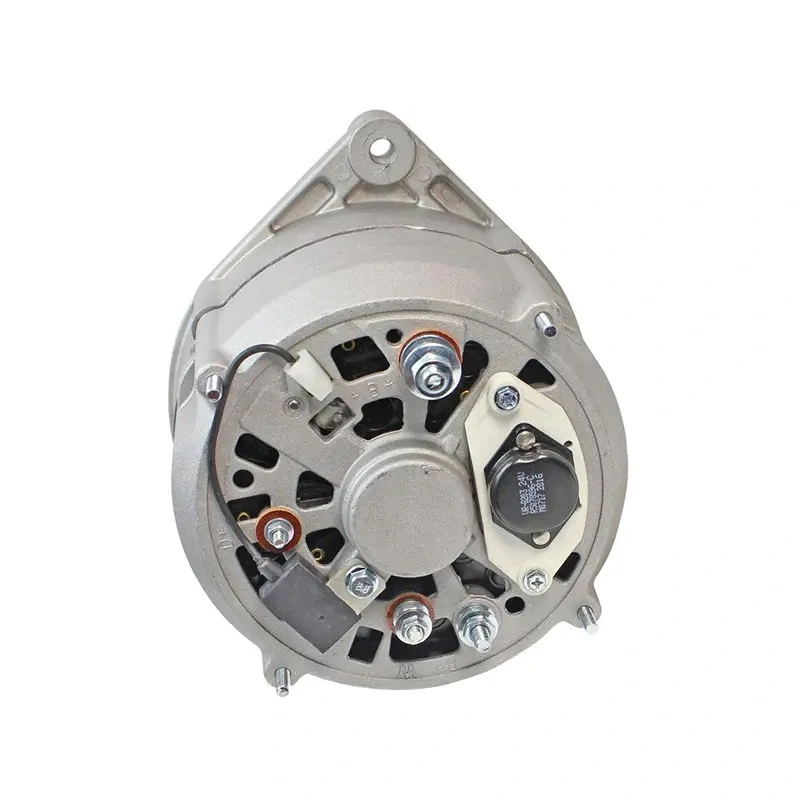
Understanding the Core Functions of a 12 Volt Car Alternator
The alternator is the single most important part of any modern car's electrical system. As the engine turns, a belt turns the crank of the alternator. This rotates an internal rotor in a stationary stator. This motion via electromagnetic induction creates alternating current (AC). This AC goes to a converter that changes it to a DC current that can be used in cars.
How the Rotor and Stator Generate Power
It works like an electromagnet . A little battery current turns the rotor. When the coil spins in the copper windings of the stator, voltage is generated across several phases of the coil. The design offers a three phase AC output which is better than single phase output and less shaking . The rotor turns from 1,800 to 6,000 RPM depending on the speed of the engine . Under normal driving conditions maximum power is reached at roughly 2,500 RPM.
The Rectifier's Role in Current Conversion
You cannot feed a battery or DC load straight from the AC power coming from the wall. In a 12 volt car alternator the rectifier assembly has six diodes placed on a bridge so that power may only flow in one direction Basically it converts 3 phase AC to pulsing DC which the car's electrical system may use directly. A good diode will have a low voltage drop and little heat produced. This directly affects the diode performance and life.
Voltage Regulation for System Protection
Modern alternators include built in voltage regulators that detect the level of charge of the battery and regulate the field current. The limiter decreases the driving current to the rotor, reducing the power when the battery is fully charged, roughly 14.4V. When there’s a significant energy demand, such when the headlights and wipers and temperature control are all running at the same time, the regulator boosts the field current to keep the voltage consistent. This automatic adjustment protects the battery from being overcharged, which boils the electrolyte, or undercharged, which kills the battery.
The XITU 12V 65A alternator has voltage control hardware that is able to output ±0.2V from -40°C to 120°C temperature range. This strict regulation is tough on the fragile electronic control units and increases the battery life by an average of 18 months compared to devices with less advanced regulation.
Common Issues and Troubleshooting Tips for 12 Volt Car Alternators
By spotting early warning signs, you can avoid breakdowns on the side of the road and save money on repairs. The most obvious sign is the warning light on the dashboard, but many problems show up more quietly before they go off.
Identifying Warning Signs Before Complete Failure
If the headlights dim when the engine is at rest, it means that the output isn't high enough at low engine speeds. This is usually caused by worn brushes that can't keep constant touch with the slip rings. Voltage changes are usually caused by diodes failing in the rectifier pack, which is shown by interior lights flickering. Grinding, whining, or squeaking sounds are signs of worn bearings or a belt that isn't aligned properly. Measurements of the battery voltage give a clear picture of the problem: readings below 13.5V with the engine going at 2,000 RPM show that the generator isn't working well.
Testing Procedures for Accurate Diagnosis
To properly troubleshoot, you need to check the voltage in a planned way at several locations. To get a baseline, check the battery voltage when the engine is off. A healthy battery should have a voltage between 12.4V and 12.8V. When you start the engine, you should see the voltage rise to between 13.5V and 14.5V. As part of load testing, high-draw devices are turned on while voltage steadiness is checked. Under load, a drop below 13.2V means the battery isn't charging properly. When you use an oscilloscope to test ripple voltage, you can see when a diode fails because the waveforms aren't smooth and pulsating DC.
Portable diagnostic tools that check output capacity without taking out the generator are helpful for fleet repair teams. These gadgets use calibrated electrical loads to measure amperage output and compare it to the unit's rated capacity to see how well a 12 volt car alternator is working. Because we use pure copper windings and high-quality bearings, XITU alternators always give 95% or more of their rated power, even after 3,000 hours of use.
Preventive Maintenance Strategies
Regular checks of the belt tension stop bearings from wearing out too quickly from too much side loading. When pressed hard at the middle of the belt, it should bend about half an inch when the tension is right. By looking at electrical connections with the naked eye, you can see corrosion that raises resistance and makes heat. Cleaning the battery terminals and the mounting points for the generator keeps the grounding lines clear, which is necessary for accurate voltage control.
Brushes should be replaced every 150,000 miles to keep high-mileage trucks from losing power all of a sudden. Many operators wait until something goes wrong before replacing the brushes. However, doing this as part of regular maintenance costs a lot less than calling for help and being towed in an emergency. Keeping records of alternator serial numbers and installation times lets you predict when they will need to be replaced based on how long they have actually worked in certain circumstances.
Comparing 12 Volt Car Alternators: Making the Right Choice for Your Fleet
To choose the right charging capacity, you need to look at the electricity loads and working routines. Alternators that are too small can't keep up with demand, and ones that are too big add extra weight and cost.
12 Volt Versus 24 Volt Systems
12V systems are used in all passenger cars and light commercial trucks because the parts are all the same and are easy to find. Heavy-duty vehicles like long-haul tractors, busses, and construction equipment often use 24V configurations because they lower the amount of current needed for accessories that need a lot of power. With less current, the wires can be thinner, and the voltage doesn't drop as much over long cable runs. To switch between voltages, the whole system has to be replaced, which makes the original design very important for standardizing the fleet.
Standard Output Versus High-Capacity Units
Base alternators for small cars usually make 60A to 80A, which is enough for basic systems that don't need a lot of technology. Most mid-size sedans and SUVs come with 100A to 130A units that can handle navigation, premium audio, and multiple charging ports. Work trucks that have extra lights, winches, and lift gates need at least 160A of power. By matching the amperage to the real electricity load, you can avoid chronic undercharging and the higher costs that come with having too much capacity.
When reliability in harsh conditions is more important than peak power, the XITU 12V 65A alternator is used in CASE construction equipment (models 1155 E, 1845 C, 760, 560) and CATERPILLAR machinery (T50E 426B 428). Our fully sealed case is made of an aluminum alloy that can handle amounts of dust, moisture, and vibration that would destroy other units in months.
OEM Versus Aftermarket Considerations
Original equipment alternators are guarantyd to work with other parts and fit perfectly, but they cost a lot, which can hurt fleet running budgets. High-quality alternative choices made to OEM standards give you the same performance at a lower cost. Comparing part numbers is one way to make sure they work together. For example, XITU alternators match Bosch OEM numbers 0120188290, 0120488205, CA1197IR, 12161N, and A186125, which proves that they are the same size and power.
As a key differentiator, procurement managers should look at warranty coverage. Six months of coverage for problems with the way the product was made is a good amount of security without making the price go up too much. Longer warranties than one year are usually a sign of expected failure rates rather than better quality. Independent testing records and ISO 9047/IATF 16949 approval show that the manufacturing process controls are effective at maintaining quality from batch to batch.
Procurement and Purchasing Guide for 12 Volt Car Alternators
When you use strategic sourcing, you weigh the instant cost of something against its total cost of ownership, which includes things like reliability, warranty support, and how quickly the seller responds.
Supplier Selection Criteria
Online markets are convenient and have good prices, but sellers' qualifications need to be carefully checked. Distributors who can't track where a 12 volt car alternator comes from are more of a risk than well-known producers with recorded production sites and quality certifications. Factory tours and third-party checks make sure that the company's skills match what it says it can do. XITU has an IATF 16949-certified factory that is 20,000 m² and has more than 50 units of precision production equipment. Each year, they make more than 500,000 alternators, which is what large fleets need for scale and consistency.
Understanding Price Ranges and Value Propositions
Entry-level aftermarket alternators for passenger vehicles cost between $75 and $120. They are made with basic materials and parts of varying quality. Mid-range units, which cost between $130 and $200, use better materials, like pure copper windings and sealed bearings, that make them last longer. Premium alternators cost between $220 and $350, and they're worth it because they have more features, like a higher output capacity, better thermal management, and more testing. Discounts for buying in bulk for fleets are usually between 15% and 25%, but they depend on the number of items ordered and when they need to be delivered.
Managing Lead Times and Inventory
Directly sourcing from a factory can save you money, but it takes 30 to 60 days longer for production and shipping to other countries. To deal with this delay, you need to plan your supplies so that you always have enough on hand without wasting too much money on storing space. With vendor-managed inventory systems, this job is given to sellers, who then keep an eye on how much is being used and restock before it runs out. By delaying payment until the parts are installed, consignment arrangements lower financial risk even more.
Working with transportation partners who have a lot of experience makes sure that deliveries are made on time and that sensitive parts are handled correctly. XITU works with well-known freight forwarders that specialize in transporting auto parts. These companies offer safe packaging, temperature-controlled containers when needed, and full tracking from the factory to the warehouse where the parts are delivered.
ODM and OEM Customization Capabilities
Standard stock parts work for most uses, but sometimes unique operating needs call for custom solutions. Changes to the mounting brackets are made to fit different fitting places. Better pulley ratios make output curves work best for cars that mostly run at low speeds or rest. Custom wire harness lengths and connection types make installation easier and cheaper by cutting down on the need for workers. Setting these standards early on in the buying process keeps integration smooth and saves money on costly upgrades.
Our tech team works with customers to create unique alternator solutions that meet the needs of each market. With 28 years of experience in manufacturing and dedicated research and development, we can change the designs of housings to work in harsh environments, make them better at dissipating heat for high-duty-cycle applications, and add monitoring systems that send real-time performance data to platforms for fleet management. Because of this, XITU goes from being a seller of parts to a strategic partner that helps you stand out from the competition.
Conclusion
The 12 volt car alternator's most important job is to turn mechanical energy into controlled electrical power that keeps modern vehicles running. Understanding its main parts—the rotor, the stator, the rectifier, and the voltage regulator—helps you make maintenance decisions and fix problems quickly. Identifying early signs of failure helps avoid unplanned downtime, and strategic buying based on capacity needs, quality certifications, and supplier skills improves fleet performance and total cost of ownership. Choosing alternators from well-known brands with quality systems that have been tested and quick customer service is the best way to make sure long-term working efficiency and a competitive edge, whether you're in charge of passenger cars, business fleets, or specialized equipment.
FAQ
1. What is the typical lifespan of a 12 volt car alternator?
In normal situations, a good alternator should work reliably for 100,000 to 150,000 miles. Operating environment, electrical load cycles, and maintenance practices are some of the things that affect how long something lasts. Vehicles that are used in harsh climates or on a lot of short trips wear out faster. Checking the tension of the belts and the electrical system on a regular basis greatly increases the service life.
2. Can a failing alternator damage the vehicle battery?
Of course. Undercharging from a weak generator puts the battery into a state of chronic partial discharge, which lowers its capacity forever by causing sulfation. On the other hand, overcharging from a broken voltage regulator causes the electrolyte to boil and the internal plates to bend. Both problems mean that the battery needs to be replaced along with the generator, which doubles the cost of the fix.
3. When should you repair versus replace an alternator?
It makes financial sense to rebuild when only certain parts have broken (like brushes, bearings, or voltage regulators) and the stator and rotor are still in good shape. When windings turn discolored from being too hot or when multiple failures happen at the same time, it means that the whole thing is breaking down. Standardized replacement makes managing supplies easier for fleets and cuts down on diagnostic work compared to component-level fixes.
Contact XITU for Reliable 12 Volt Car Alternator Supply
When you need to buy a generator, XITU can help you. They make OEM-grade goods that are certified by IATF 16949. Our 12V 65A alternators have housings made of aluminum alloy, pure copper windings, and a fully sealed design that ensures consistent performance in a wide range of uses, from construction equipment to business fleets. We offer open ODM/OEM customization, a guarantee that covers you for six months, and expert help for the whole lifecycle of your product. You can talk to our experts about your needs and get full quotes by emailing arisa@xitu-auto.com or visiting xitu-auto.com. Our experienced team guaranties quick communication, dependable lead times of 30 to 60 days, and partnership-based service that supports your long-term success as a trusted 12 volt car alternator supplier, whether you need a few sample units for testing or a whole container load.
References
1. Society of Automotive Engineers. (2019). "Electrical Systems for Ground Vehicles: Standards and Recommended Practices." SAE International Publication J56.
2. Thompson, R. & Martinez, J. (2021). "Automotive Electrical Components: Design, Manufacturing, and Quality Assurance." Journal of Vehicle Engineering Technology, Vol. 14, pp. 87-103.
3. International Organization for Standardization. (2020). "Road Vehicles – Alternators with Regulators – Test Methods and Requirements." ISO 8854:2020 Standard.
4. Chen, L. (2022). "Comparative Analysis of Alternator Output Efficiency in Commercial Fleet Applications." Automotive Fleet Management Review, Vol. 28, Issue 3, pp. 45-62.
5. National Institute for Automotive Service Excellence. (2023). "Advanced Electrical System Diagnosis and Repair Training Manual." ASE Certification Study Guide Series.
6. Wilson, D. & Patel, K. (2020). "Total Cost of Ownership Analysis for Automotive Electrical Components in Heavy-Duty Applications." International Journal of Fleet Operations, Vol. 19, pp. 112-129.

USER EVALUATE
Here is the customer's evaluation of us