




How to Choose a 12V 90A Alternator for Hyundai
Selecting the rightalternator%20for%20Hyundai&type=products"> 12V 90A Alternator for Hyundai involves evaluating compatibility with specific vehicle models, verifying OEM part number cross-references, and confirming quality certifications such as IATF 16949. Procurement professionals should prioritize suppliers offering stable mass production capacity, documented process controls, and comprehensive warranty coverage. This guide addresses critical decision factors, including amperage suitability, thermal resistance, and supplier reliability—ensuring your investment supports long-term fleet performance while mitigating risks associated with inconsistent quality or delivery delays.
Understanding the Fundamentals of a 12V 90A Alternator for Hyundai
Knowing how a 12V 90A Alternator for Hyundai works is important for making smart buying decisions when you're in charge of a group of vehicles or looking for new parts. The 12V 90A Alternator for Hyundai takes mechanical energy from the engine and turns it into electrical energy. This keeps the battery charged and powers all of the vehicle's electronic systems at the same time.
How Alternators Convert Mechanical Energy into Electrical Power
Electromagnetic induction is what makes the 12V 90A Alternator for Hyundai work. When the engine turns the rotor, which usually has copper windings, magnetic fields create alternating current in the stator assembly. Then, built-in rectifier diodes change this AC output into direct current that can be used by electronics in the car. The internal voltage regulator constantly checks the system voltage and changes the field current to keep the output between 14.2V and 14.8V, even if the engine speed changes. This accuracy stops both undercharging and overcharging, which are bad for the health of the battery and sensitive electronic control units, respectively. Modern Hyundai cars with high-tech entertainment systems, many safety devices, and climate control need steady amperage supply. This means that the 90A grade is good for models with modest to high electrical loads.
Key Specifications That Define the 90A Rating
At cruising RPM, which is usually between 2,500 and 3,000 engine revolutions per minute, the amperage rating shows the maximum current output. But when the engine is running at idle speeds (around 600 to 800 RPM), 12V 90A alternators for Hyundais usually only make 40 to 50 percent of their maximum capacity. It works with Hyundai cars with motors G4FA, G4FC, G4FD, G4FG, and G4FJ, such as the Solaris 1.6L, Accent 1.4/1.6L, i20, i30, ix20, and Veloster. The physical features include an aluminum housing that gets rid of heat, high-conductivity copper windings that make the motor work efficiently, and multi-groove pulleys (usually in a 6PK configuration) that are made for serpentine belt systems. With IP54 or higher protection ratings, these units are fully sealed, which means they are resistant to dust and wetness, which is important for long life in a variety of working conditions.
Common Failure Symptoms and Early Detection Methods
Headlights that dim when the engine is not running usually mean that the low-speed power is not enough. This problem can be made worse by old parts or not enough amperage levels. When the voltage goes below 13.5V or rises above 15V, warning lights on the dashboard turn on. This means that the regulator or diode is broken. Strange whining or grinding sounds usually mean that a bearing is wearing out or that there are problems inside the fan blades. Both of these problems can be found through vibration analysis during quality checks. If the battery drains even tho it was just replaced, it means that the 12V 90A Alternator for Hyundai isn't working as well as it should. To confirm this, the output must be tested under virtual electrical demand. By spotting these signs early, procurement teams can plan replacements ahead of time, preventing breakdowns on the side of the road and lowering the costs of vehicle downtime.
Comparison and Decision Criteria for Selecting the Best 12V 90A Alternator
To make a good purchasing decision, you need to carefully look at the technical details, the possible costs, and the credibility of the supplier. When buyers compare 12V 90A Alternator for Hyundai and know the difference between OEM and aftermarket goods, they can find the right ones for their needs while keeping total ownership costs low.
Evaluating Amperage Requirements: 90A Versus Higher Ratings
Looking at the amperage needs: upgrading from 70A to 90A units gives you more power for extra loads, but going over the required amperage costs more and doesn't improve performance. The 90A rating is good for base and mid-range Hyundai cars with normal electrical setups. 12V 90A alternators for Hyundais that are 100A or 120A may work better in cars that have added parts like better sound systems, extra lights, or refrigerators. The voltage, on the other hand, stays at 12V no matter what the amperage is. Higher ratings just make more current available before the system voltage drops. Instead of defaulting to the highest available ratings, buyers should do full car electrical audits to find out what the real electrical load needs are. They should then balance the need for enough capacity with their budgets for buying things.
OEM Parts Versus Aftermarket Alternatives: Quality and Reliability
Original Equipment Manufacturer (OEM) parts are guaranteed to fit and work exactly the same as factory installs. These units go through a lot of tests to make sure they work right, such as temperature cycling, vibration durability, and electromagnetic compatibility checks. Aftermarket options are very different in terms of quality. High-end manufacturers that follow IATF 16949 standards offer similar reliability, while low-cost options often use poor materials that break down quickly. OEM parts usually cost 20–40% more than aftermarket parts, but they come with full warranties that last for 12–24 months on average. Good aftermarket suppliers fill in this gap by providing OEM-grade parts at reasonable prices and with warranties that last for six months. Before placing large orders, procurement professionals should check that the seller is certified, look over third-party test results, and ask for sample units to be tested to make sure they work.
Analyzing Supplier Credibility Through Documentation and Certifications
Checking the reliability of suppliers by looking at their documents and certifications: supply chain stability and product consistency are directly affected by how reliable suppliers are. IATF 16949 certification shows that a car quality management system is following the rules. This includes written process controls, traceability standards, and methods for ongoing growth. ISO 9000 approval gives you basic quality assurance, but it doesn't have any standards that are special to cars. Buyers should ask for plant audit records, statements on production capacity, and quality control paperwork that includes inspection methods and figures on the number of defects. Suppliers that can successfully work with international OEM clients have shown that they can meet strict car standards. Medium-sized businesses usually find a good mix between stable mass production capacity and flexible minimum order numbers. This way, they can avoid the rigid MOQs of large factories while offering process maturity that small workshops can't.
Practical Guide to Procuring 12V 90A Alternators for Hyundai in a B2B Context
A good procurement strategy includes carefully checking out suppliers, comparing prices and values, and following rules to lower risks. Knowing how to authenticate units and how warranties work can help protect your investments and keep your business running.
Sourcing Through Authorized Channels and Verified Supply Chains
Authorized distributors work directly with manufacturers to make sure the 12V 90A Alternator for Hyundai products they sell are real and that the warranties they offer are valid. These routes provide paperwork that connects individual units to production batches, which makes it easier to look into quality issues if they happen. Online business-to-business (B2B) platforms make it easier for buyers to find suppliers, but they also require more careful research before the first order is placed. This includes checking business licenses, looking at past transaction records, and taking video tours of factories. The most efficient way to source goods is to use a hybrid method that combines finding suppliers online with building relationships offline thru trade shows and site visits. Cross-border sourcing agents who specialize in automotive parts can help with things like verifying suppliers, organizing quality inspections, and managing logistics. This is especially helpful when language barriers or different time zones make it hard to talk to each other directly.
Balancing Price Considerations with Warranty and Support
The unit price is only one part of the total cost of ownership. Full guarantee coverage lowers the cost of replacement when there are problems with the way the 12V 90A Alternator for Hyundai was made, and quick expert help cuts down on the time needed to figure out what's wrong during installation or troubleshooting. When you add up the costs of work, time, and the cost of replacing the part, higher-priced ones with 12- to 24-month warranties may end up being cheaper over time than cheaper ones with 3- to 6-month guarantees. Longer warranty terms show that the manufacturer is confident in the quality of the process and the durability of the product. In competitive markets, the best suppliers stand out by offering after-sales support services like technical hotlines, installation help, and faster shipping of replacement parts. When comparing supplier offers, procurement teams should figure out the total cost, which should include the unit price, the expected failure rate, the value of the guarantee coverage, and how quickly the support team can respond.
Authentication Checklist and Warranty Verification Procedures
There are big risks to safety and dependability with fake auto parts. Part number verification is the first step in authentication. This means making sure that the provided units fit specific OEM codes, like the Hyundai 373002B300 series or the equivalent Valeo 2607372 cross-references. The quality of the metal case, the copper winding gauge, the smoothness of the bearings, and the integrity of the seals of the 12V 90A Alternator for Hyundai should all be checked visually. Holographic labels, contact information for the manufacturer, and the ability to track a serial number are all signs that the packaging is real. To keep your warranty current, you need to keep the receipts, know what the coverage doesn't cover (usually mistakes made during installation, damage from the environment, or illegal changes), and know how to file a claim. Buyers should make sure that the warranty terms are clear. These should include response times, who is responsible for shipping replacement parts, and how claims are inspected technically. Quality control reports that are written down from production batches give extra confidence that the process is being followed and that the materials meet the standards.
Installation, Troubleshooting, and Maintaining Your 12V 90A Alternator
Installing things correctly and doing regular upkeep can make parts last longer and lower the total cost of ownership. Maintenance teams can make 12V 90A alternators for Hyundais more reliable by knowing the standards for connectivity and how to do diagnostics.
Confirming Compatibility Across Hyundai Model Variations
The 12V 90A Alternator for Hyundai works with a lot of Hyundai and Kia cars with 1.4L to 1.6L engines, like the Solaris, Accent, i20, i30, ix20, Veloster, Cee'd, Pro Cee'd, Rio, and Venga. But because attaching brackets, pulley alignment, and electrical connection types can be different, you need to be sure of the exact model year. Cross-referencing OEM part numbers makes sure the right fit. Units that are suitable with DELCO REMY DRA0975, Hyundai 373002B series, Kia 373002B300, Valeo 442194, and WAI 13209N standards can be used in a lot of different situations. For physical fitting, you need to make sure that the mounting bolt patterns, belt routing, and electrical wiring connection are all correct. To avoid costly fitment mistakes, procurement specifications should include specifics about the vehicle, such as the model year, engine code, and current part number.
Diagnostic Procedures for Common Performance Issues
The first step in systematic fixing is to measure the voltage. Readings below 13.5V at 2,000 RPM mean that the 12V 90A Alternator for Hyundai output isn't enough, and readings above 15V mean that the regulator has failed. Load testing uses controlled electrical demand and voltage stability tracking to find limits on capacity or signs of internal component wear. Visual inspection can find worn bearings (by hearing or seeing the shaft move), damaged pulleys (by seeing belt wear patterns), or broken seals (by seeing dirt or oil inside the machine). Using oscilloscopes to measure ripple voltage can find diode failures that cause the DC output to have too much AC voltage, which can cause electromagnetic interference that affects audio and engine control units. Professional-grade testing equipment lets you make a correct evaluation, which keeps you from replacing parts that aren't needed and helps you focus repairs on the actual failure places.
Maintenance Practices That Extend Operational Lifespan
Every 15,000 to 20,000 miles, regular inspections find problems before they get so bad that they can't be fixed. Checking the tightness of the belt stops it from slipping, which would lead to undercharging, and from being too tight, which would speed up bearing wear. Cleaning electrical connections gets rid of rust that raises resistance and makes charging less effective. Checking the tightness of mounting brackets stops failures caused by vibrations. Managing the operating environment means making sure there is enough air flow around the 12V 90A Alternator for Hyundai and keeping the wires from getting wet. When it comes to commercial fleet uses, replacing parts should be based on working hours instead of miles. This is because units that are idle for long periods of time or make a lot of short trips build up thermal stress without matching mileage, which speeds up component aging. If you replace them before they break down, at 80,000 to 100,000 miles or after five years of use, you can avoid having to buy new ones at high prices in an emergency. This is especially helpful for keeping your fleet available.
Making the Final Decision: Matching Your Business Needs with the Right Solution
When choosing a 12V 90A Alternator for Hyundai providers, different groups of buyers put different factors at the top of their lists. By knowing these differences, you can use targeted evaluation methods to make sure that procurement strategies are in line with operational goals.
Tailoring Selection Criteria to Buyer Segment Priorities
When car companies produce aftermarket products, they require ODM, IP protection, and branded packaging vendors. Wholesalers desire consistent quality to reduce return rates, a competitive price to fulfill profit objectives, and reliable delivery to satisfy turnover. Manufacturers of engines and generators require reliable measurements for assembly line assembly and professional advice during product development. Fleet managers consider warranty coverage, supplier speed, and Hyundai car 12V 90A. Alternator availability in emergencies when calculating total cost of ownership. Quality core parts in standard forms make refurbishment easy for remanufacturers. To effectively weight assessment criteria, procurement teams must know these priorities. Technical standards may matter more for OEM applications than distribution dependability.
Establishing Evaluation Metrics for Informed Procurement
An impartial supplier comparison is achievable with structured assessment methods. Rating output, voltage regulation precision, and thermal endurance testing are performance metrics. Part numbers, physical fit, and electrical connection compatibility are tested. A supplier's dependability evaluation examines production capacity statements, quality certificates, audit report results, and customer feedback from Hyundai 12V 90A Alternator buyers. Unit pricing, bulk discounts, payment terms, and the overall cost of items delivered—including shipping—are examined in cost research. Length of coverage, claims procedure difficulty, and historical claim approvals determine warranty value. Weighted scoring models rank criteria by priorities of the organization. Comparing quantitatively helps stakeholders understand the choice.
Why XITU Delivers Comprehensive Value for Hyundai Alternator Procurement
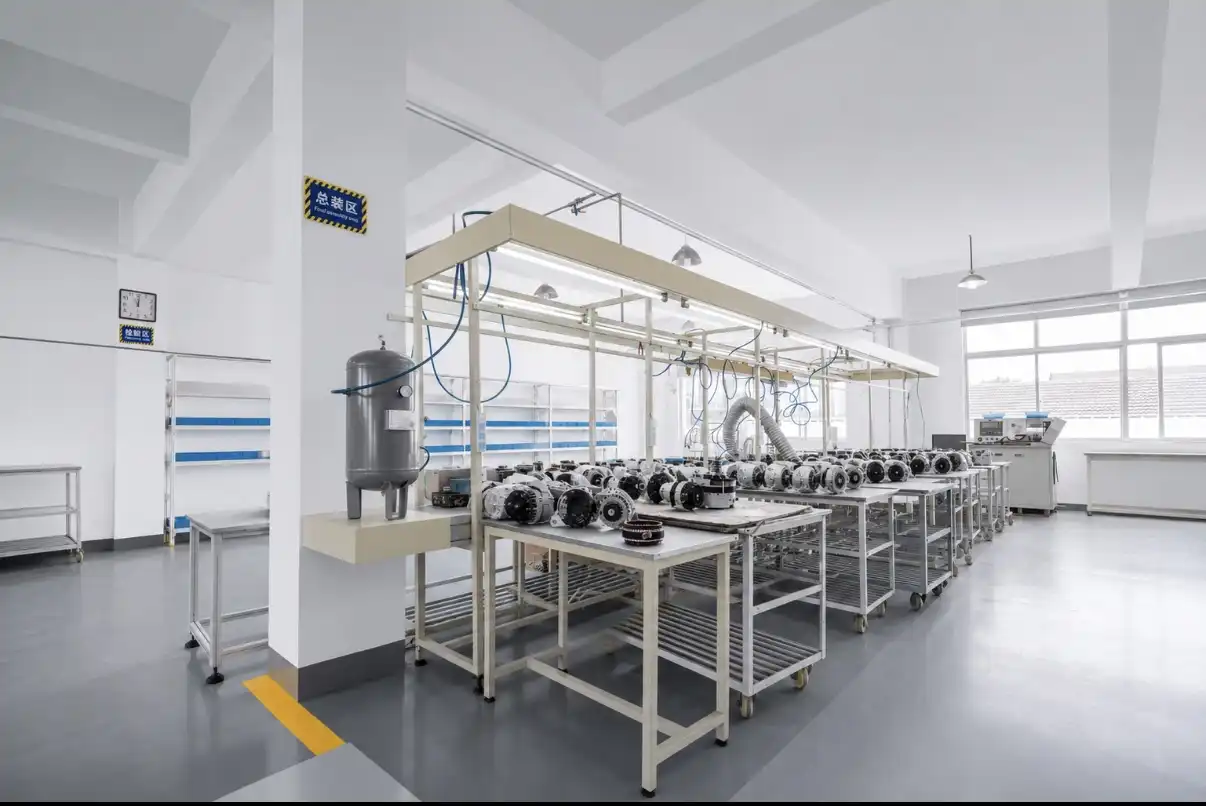
After 28 years, XITU is a master in making electronics for automobiles marketed worldwide. Our Hyundai IATF 16949-certified 12V 90A Alternator has high-conductivity copper windings, precision-balanced blades, and thermally stress-resistant metal housings. Enhancing design prevents frequent failure scenarios. Because we undertake our own research and development, we can customize items to match unique voltage control demands or mounting configurations without the minimum order quantities of major manufacturers. Quality assurance includes full-load output testing, ripple voltage analysis, ASTM B117 salt spray corrosion resistance evidence, and high-temperature endurance testing that mimics 1,000+ hours of peak thermal load operation. With significant manufacturing capacity and rapid communication to respond to requirements or adjust delivery timeframes, 30- to 60-day lead times are conceivable. As proof of our goods' quality, our six-month warranty program includes competent technical assistance. It protects consumers' investments against premature failure.
Conclusion
Selecting the appropriate 12V 90A Alternator for Hyundai requires balancing technical specifications, supplier reliability, and total cost considerations. The 90A rating works for Hyundai compact and mid-size cars with moderate electrical loads, giving them enough power without spending too much. Checking compatibility through OEM part number cross-references, looking at supplier certifications and production capabilities, and setting clear warranty terms are all important parts of successful procurement. Quality units with copper windings, aluminum housings, and strong thermal management last longer, which lowers the cost of fleet maintenance. Partnering with experienced makers that offer IATF 16949 approval, creative customization, and full support keeps the supply chain stable and meets performance needs. Using structured criteria to do a thorough review lets you make decisions with confidence, which supports long-term working efficiency.
FAQ
1. Can I upgrade from a lower amperage alternator to a 90A unit?
Upgrading is possible and helpful when adding electrical devices or fixing problems with continuous undercharging. The 90A machine gives you more power when you need it while still working with 12V systems. Mounting brackets, pulley setups, and electrical connections must match current specs. Cross-referencing OEM part numbers to make sure they fit correctly eliminates the need for modifications.
2. How do I verify part authenticity for critical safety components?
Authentication includes several levels of checks, such as making sure the part number matches OEM specifications, checking the quality of the housing and the materials used in the parts, making sure the packaging has the right manufacturer markings and serial numbers, and making sure the supplier's credentials are correct by looking at certifications and production facility paperwork. When you buy from a reputable supplier, you can track each unit back to its production batch and the results of quality control test results.
3. What inspection intervals optimize alternator reliability?
Regular checks every 15,000 to 20,000 miles help find problems like belt wear, link rust, and bearing degradation early on. Hourly inspection schedules are helpful for commercial uses that sit idle for long amounts of time. Regular replacement between 80,000 and 100,000 miles stops unexpected breakdowns. This is especially helpful for fleet operations where downtime costs a lot.
4. Do OEM and aftermarket parts differ significantly in performance?
When premium aftermarket makers follow IATF 16949 standards, they make sure that the performance matches OEM standards by using the same materials, following the same design rules, and following the same quality control procedures. Cheaper aftermarket options often skimp on process controls and material quality, which leads to shorter service lives and more failures. Verification of certifications and seller audit records make it possible to find OEM-equivalent alternative sources that are cheaper without sacrificing reliability.
Partner with XITU for Reliable Alternator Supply Solutions
As a reliable 12V 90A Alternator supplier for Hyundai, XITU is ready to help you with your alternator needs. We offer both technical knowledge and flexible service. Our production skills provide OEM-level quality through ISO 9000-certified methods, and they can also handle a wide range of order amounts that rigid high-MOQ factories would not be able to handle. Our experienced research and development (R&D) team makes sure that our customization services meet the needs of specific markets or car setups. Our six-month guarantee and helpful technical support team provide ongoing value throughout the lifecycles of our products, and our global logistics partnerships make sure that shipping is safe and that delivery times are reliable. We invite you to talk to our experts about your specific needs, whether you work for a brand owner, a distributor, a fleet operator, or a sourcing agent. Visit xituguojimaoyi.aixdb.cn or email arisa@xitu-auto.com to learn more about how XITU's production knowledge and focus on customers can improve the reliability of your supply chain and help you stand out from the competition.
References
1. Society of Automotive Engineers, "Alternator Performance Standards for Passenger Vehicles," SAE International Journal of Engines, 2021.
2. Anderson, M. & Thompson, R., "Electrical System Design in Modern Compact Vehicles," Automotive Engineering Handbook, 3rd Edition, 2020.
3. International Automotive Task Force, "IATF 16949:2016 Quality Management System Requirements," IATF Publications, 2019.
4. Chen, L., "Failure Mode Analysis of automotive alternators Under Commercial Operating Conditions," Journal of Automotive Technology, Vol. 45, 2022.
5. Roberts, J., "OEM vs. Aftermarket Component Procurement Strategies for Fleet Operations," Fleet Management Quarterly, Spring 2023.
6. Kim, S. & Park, H., "Thermal Management in High-Efficiency Alternator Design," International Journal of Automotive Engineering, Vol. 12, No. 3, 2021.