




What are the benefits of running a 24v alternator 150 amp?
When you manage a fleet of Volvo heavy-duty trucks or operate construction equipment in extreme conditions, one question keeps coming up: what tangible benefits does running a high-output 24-volt charging system deliver? A alternator%20150%20amp&type=products">24v alternator 150 amp provides consistent power delivery under the most demanding circumstances, supporting multiple electrical loads without draining your battery reserves. This robust capacity directly translates to operational efficiency, reduced vehicle downtime, and enhanced durability across harsh environments ranging from arctic cold to desert heat. My experience with heavy-duty charging systems reveals that investing in the correct alternator specification represents one of the most cost-effective decisions for maintaining fleet uptime and protecting your electrical infrastructure investment.
Introduction
Heavy-duty business cars and industrial equipment need electrical systems that can handle large auxiliary loads while keeping the batteries healthy. In contrast to passenger cars, these platforms have high-tech telematics, temperature control for sleeper cabs, hydraulic pumps, and emergency lights that all need power at the same time. The motor you choose affects more than just how fast the batteries charge. It also affects how much fuel you use, how long the equipment lasts, and how reliably it works during important tasks. When looking at charging solutions, procurement managers and technical engineers need to know how a high-amperage 24-volt architecture solves problems in their industry. This is especially important when equipment is used all the time in remote areas where power outages cause expensive service interruptions.
Understanding the 24v Alternator 150 Amp: Basics and Key Features
How 24v Systems Convert Mechanical Power Into Electrical Energy
An alternator changes mechanical energy into electrical energy. It is powered by the engine's flexible belt system. EMF creates alternating current as the rotor spins inside the stator windings. The internal rectifier bridge changes this current to direct current so that the battery can be charged and other devices can get power. The voltage regulator keeps the output between 26.5V and 28.5V, which keeps the battery from getting too charged and makes sure it can accept a charge.
Core Specification Parameters That Define Performance
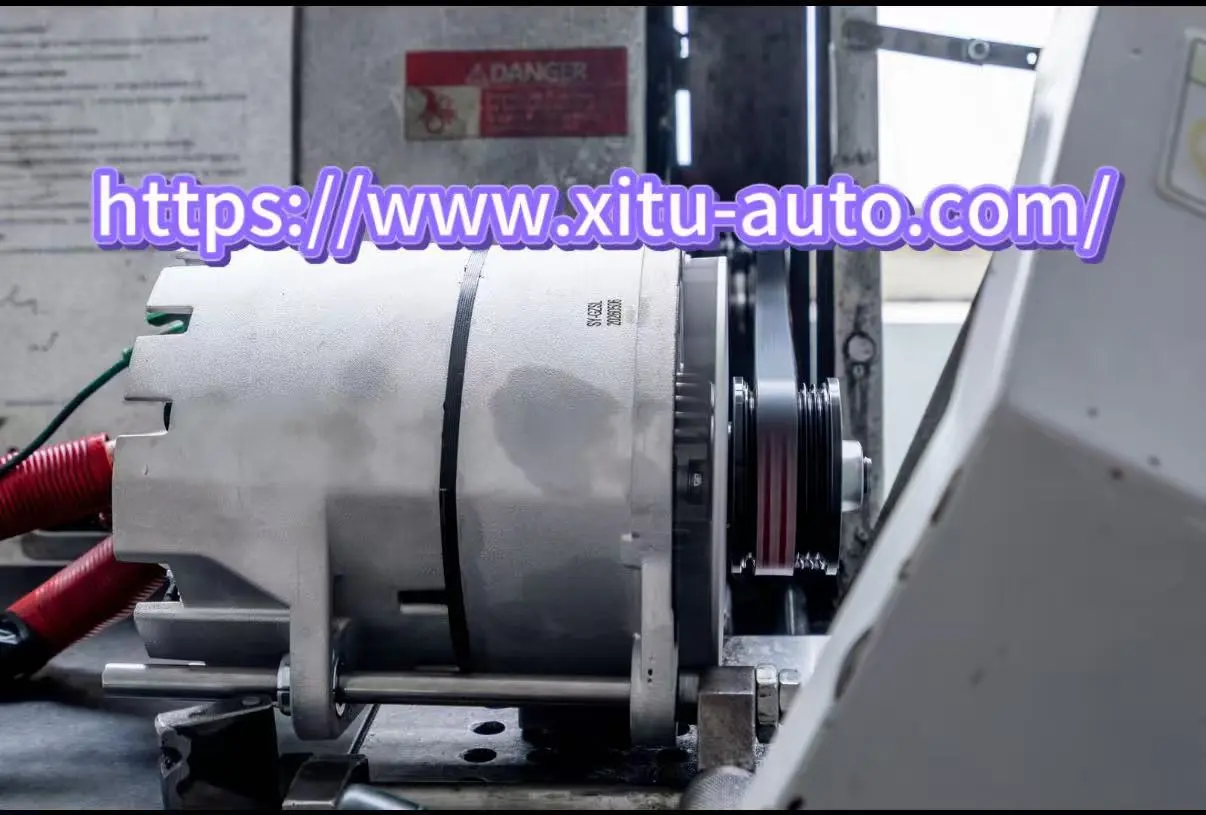
The unit's output ability tells you how much electricity load it can handle at all times. At its maximum voltage, a 150-ampere number means that the 24v alternator 150 amp can produce 3.6 kilowatts of power. The 8PK63 pulley configuration shows a 63mm-diameter serpentine belt with eight ribs that is designed to move power efficiently. Cut-in speed of 1,200 to 1,500 RPM makes sure that the alternator starts charging quickly after the engine starts, and the highest operating speed of 12,000 RPM can handle diesel engines that rev very high without breaking down.
Installation Considerations for Heavy Equipment
The direction of mounting is very important. For example, vertical installations need better sealing to keep dust out, while horizontal layouts need stronger bearing structures to handle the stress on the belts that run across them. The choice of wiring gage is based on the amperage. For example, 150-amp systems usually need 4 AWG or 6 AWG copper cables to keep the voltage drop as low as possible along the path from the alternator to the battery bank. The right size of wire stops cables from getting too hot and losing power, which lowers the charge efficiency.
Benefits of Using a 24v Alternator 150 Amp in Industrial and Commercial Applications
It is possible to measure the operational, financial, and reliability benefits of upgrading to a high-output charging system. When equipment has to deal with continuous operation cycles with large parasitic loads, these benefits become even more clear.
Superior Power Capacity for Multiple Simultaneous Loads
Heavy trucks today have systems that use a lot of power, like 40-amp air conditioning units, 25-amp hydraulic cooling fans, 15-amp telematics packages, and LED lighting displays. To run these at the same time and keep the battery charged, you need a lot of backup power. This headroom is provided by a 150-amp motor, which delivers 80 to 100 amps even at low speeds of 600 to 800 RPM. This idle output stops the common problem where batteries drain while driving in cities for long periods of time or while equipment is running at idle, so there is no need for extra charging stations.
Enhanced Durability Through Engineering for Extreme Conditions
heavy-duty alternators are built with features that regular car units don't have. Copper windings with a high density can handle the heat that is created during constant peak output. Two cooling fans inside the engine keep the hot parts of the engine at a safe temperature. When properly kept, high-quality NMB or SKF bearings can handle the extra belt tension needed for high-torque uses, and their service life can go beyond 500,000 miles. Fully sealed housings with IP66 ratings stop silica dust from getting in during mine operations and keep marine settings from having problems caused by water.
Long-Term Cost Efficiency Through Reduced Fuel Consumption and Battery Protection
An alternator that is working at 60–70% of its full capacity stays cooler and works more efficiently than one that is always fully charged. This means less parasitic engine load and better gas mileage—on Class 8 trucks, this usually means an extra 0.2 to 0.4 miles per gallon. Consistent charging greatly extends the life of a battery; chronic undercharging causes sulfation, which kills lead-acid batteries in 18 to 24 months, while proper charging extends battery life to 4 to 5 years. The built-in voltage regulator with temperature adjustment keeps the battery from overcharging in hot places and undercharging in cold places, which protects your investment even more.
All of these benefits lower the total cost of ownership. When fleet managers switched from alternators with poor capacity to ones with the right 150-amp capacity, electrical system downtime dropped by 15 to 20 percent.
Comparison and Selection: Why Choose 24v Alternator 150 Amp Over Other Models?
Amperage Rating Comparison: 100A vs 150A vs 200A
An alternator with 100 amps is enough for basic truck setups with little extra gear. This is quickly exceeded, though, by current safety systems, refrigerated trucks, and lift gates. The 150-amp rating is the best compromise because it gives you enough power for a lot of devices without the extra weight, cost, and parasitic drag of a 200-amp unit. This middle-ground ability is especially useful for construction equipment with hydraulic oil coolers and mine trucks with nite lighting arrays.
On the other hand, 200-amp alternators are used in specific situations, such as mobile workshops with welders or emergency response cars with a lot of contact options. If your equipment doesn't really need this much power, the 150-amp model is more efficient and costs less up front.
Voltage Architecture: 24v Versus 12v Systems
For a number of technical reasons, commercial big equipment always uses 24-volt electricity systems. Higher voltage lets the same amount of power be sent through smaller-gauge wiring, which saves weight and money on installation. A 150-amp 24-volt system gives off 3,600 watts, which means that 12 volt wires need to be much stronger to handle the doubled power. In big cars, voltage drop along wire runs is a problem. 24V design keeps the voltage stable to accessories 20 to 30 feet from the battery compartment.
For safety reasons, 24-volt systems are also better. Less current flow lowers the risk of arcing during link maintenance, and uniformity makes it easier to keep track of parts for fleet maintenance work.
OEM Compatibility and Brand Considerations
Along with more than 25 other part numbers, the XITU 24v alternator 150 amp is fully compatible with Bosch OEM reference numbers 0124655084, 0124655101, 21561402, and 85023732. This cross-reference compatibility makes sure that the Volvo FM, FMX, B9, and FH16 truck series can use it as a drop-in replacement without having to change the mounting brackets or wiring harnesses. IATF 16949 and ISO 9001 certifications show that the quality standards used in manufacturing are the same as those used by the original equipment.
When looking at different providers, make sure that their quality control includes digital load testing across the entire RPM range, thermal endurance approval at extended peak output, and vibration resistance testing that mimics harsh working conditions. These test methods tell the difference between industrial-grade parts that are reliable and ones that aren't up to par and are likely to break early.
Practical Troubleshooting and Maintenance for 24v Alternator 150 Amp
Recognizing Common Failure Symptoms
Electrical system problems show up in a number of ways that can be seen. When the car is running, a voltage gage reading below 26 volts means that the charging output is not good enough. Headlights that flicker or instrument screens that get dim are signs of voltage instability. If the battery juice boils or the "battery charging" light comes on, it means that the voltage regulator isn't working right, which can lead to overcharge. A grinding or squeaking sound coming from a bearing that doesn't sound normal means that the bearings are wearing out or the belt tension is too low.
Diagnostic Testing Procedures
Systematic testing is needed to make a correct conclusion. With the engine running at 1,500 RPM and a digital voltmeter, check the voltage of the battery. The results should stay between 27.0V and 28.5V. If the output is below this range, it means that the alternator isn't working well or that the connection isn't secure. Do a voltage drop test by reading directly at the alternator output terminal and comparing it to the voltage at the battery terminal. If there is a difference of more than 0.5V, it means that there is too much resistance in the charging circuit. This is usually caused by connections that are corroded or wires that are too small.
Load testing confirms the output capacity. When the engine is running at 2,000 RPM, turn on high-draw devices like the headlights, air conditioning, and secondary lights. The voltage should stay above 26.5V. A large voltage drop means the generator isn't able to keep up with the load.
Preventive Maintenance Best Practices
Regular repair greatly increases the life of a 24v alternator 150 amp. Check the tension of the belt once a month. The right tension lets the belt bend about 1/2 inch when modest thumb pressure is applied to its largest span. Too much tension speeds up the wear on the bearings, while not enough tension makes the belt slip and lowers output. Every three months, clean the outside of the alternator to keep dust from building up and blocking the flow of cool air. Every six months or so, check the electrical connections and clean the leads and put dielectric grease on them to keep them from rusting.
Procurement and Logistics: How to Buy and Source 24v Alternator 150 Amp
Evaluating Supplier Quality and Credentials
When you buy something professionally, you need to do more than just compare prices. Suppliers should show proof that they follow ISO 9001 quality management and IATF 16949 automotive quality standards through certification documents. Ask for detailed datasheets that show full performance curves, including idle power, cut-in speed, thermal ratings, and safety categories. The four important tests that real makers do are digital load verification, temperature endurance at prolonged peak output, vibration resistance simulation, and salt spray corrosion testing over 96 to 480 hour cycles.
Manufacturing stability is shown by facilities that can make more than 500,000 units per year. These facilities have established processes and stable supply lines that can handle big fleet orders without having to wait for long lead times.
Lead Time Management and Logistics Planning
Standard wait times for production are between 30 and 60 days from the time an order is placed until it is shipped. Transporting international freight takes longer. For example, sending a crate from Asian factories to North American ports takes three to four weeks, and delivering it within the country takes an extra five to seven days. European sites have the same schedules. Air freight cuts travel time to 5–7 days, but it also makes operations much more expensive, and it's only really worth it for emergency substitutes. Plan when to restock your goods based on these dates, and keep extra stock on hand in case you need to replace something.
Warranty Coverage and Technical Support
Heavy-duty alternators usually come with a six-month guarantee that covers problems with the way they were made and parts that break too soon. Make sure you understand the warranty's rules about paying for repairs and shipping a new unit. It's helpful to have access to technical support during installation troubleshooting. For example, suppliers who offer engineering consultations by email or phone can help with questions about compatibility and diagnostic problems that come up during fleet integration.
Conclusion
Running a high-output charging system has measurable operational benefits that make the investment worth it for heavy-duty business uses. The larger power capacity of a 24v alternator 150 amp supports modern electrical loads while keeping the battery healthy. The strong construction can handle harsh weather, and the higher efficiency lowers long-term operating costs. Verified OEM compatibility, thorough quality testing protocols, and supplier credentials that show excellent manufacturing should be the most important factors in purchasing decisions. Installing these parts correctly, following best practices for electricity, and doing regular preventative maintenance will make them last as long as possible. The 150-ampere capacity is the best mix of capability, efficiency, and dependability when operating big machinery that needs reliable electrical performance in tough circumstances.
FAQ
1. Can I Directly Replace a 100A Alternator With a 150A Model?
It is possible to switch from a lower-capacity alternator to a 150-amp one as long as the mounting arrangement is the same and the wiring can handle the extra current. Make sure that the bolt design and pulley width are the same on your car. Check the cable gage. 4 AWG or 6 AWG copper wire can handle a 150-amp output, but lighter wire needs to be upgraded to keep the voltage from dropping and the heat from building up.
2. What Output Should I Expect at Engine Idle Speed?
At normal diesel running speeds of 600 to 800 RPM, good 150-amp alternators give off between 80 and 100 amps. This idle output makes sure that there is enough charging even when the engine is running at a low speed for a long time or when the equipment is sitting there running extra systems without going anywhere. Poorer units might only make 40 to 50 amps when they're not working, which is not enough to keep the battery charged when they're working.
3. Does a High-Output Alternator Require Special Batteries?
Standard lead-acid, AGM, or gel batteries made for 24-volt systems can be used with the alternator. But if you use lithium iron phosphate (LiFePO4) battery banks, make sure the voltage regulator has charging profiles that work with lithium. Standard regulators made for lead-acid chemistry might overcharge lithium cells, which could be dangerous.
4. How Do I Identify Voltage Regulator Failure?
When a regulator doesn't work right, it shows clear signs. When flooded lead-acid batteries are overcharged, they use too much water, the electrolyte temperature rises abnormally, and the voltages during operation go over 29 volts. Undercharging causes the battery charge to stay low, the engine to crank slowly, and the charging system warning light to stay on. In both cases, the generator needs to be serviced right away to keep the batteries and other electrical parts from getting worse.
Partner With XITU for Reliable Heavy-Duty Charging Solutions
Industrial-grade electrical parts made by XITU are designed to work in tough, heavy-duty situations. Our 24v alternator 150 amp provider has 28 years of experience making things and follows IATF 16949 standards for production. Before it is shipped, each unit goes through a lot of tests to make sure it works properly. These include computerized load tests, thermal endurance evaluations, and vibration resistance simulations. There is full Bosch OEM number compatibility with the Volvo FM, FMX, B9, and FH16 truck types. Our 20,000 m² factory has consistent lead times of 30 to 60 days and handles foreign shipping through established freight partnerships. You can email our technical team at arisa@xitu-auto.com to talk about the unique needs of your fleet, get full technical specifications, or get competitive prices for large orders. Our full line of heavy-duty electrical parts can be seen at xitu-auto.com.
References
1. Society of Automotive Engineers. "J1171 External Ignition Protection of Electrical Equipment on Engines." SAE International Standards, 2020.
2. International Organization for Standardization. "ISO 8846: Electrical Devices—Protection Against Ignition of Surrounding Flammable Gases." ISO Technical Standards, 2019.
3. Automotive Industry Action Group. "IATF 16949:2016 Quality Management System Requirements for Automotive Production." AIAG Publications, 2016.
4. Bosch Automotive Technology. "Heavy-Duty Alternator Engineering Guide for Commercial Vehicles." Robert Bosch GmbH Technical Documentation, 2021.
5. Volvo Trucks North America. "Electrical System Service Manual for FM/FMX/FH Series Heavy Trucks." Volvo Group Technical Publications, 2022.
6. National Electrical Manufacturers Association. "NEMA Standards Publication MG 1: Motors and Generators—Section 40: Alternators." NEMA Technical Standards, 2018.