




How to Choose the Right Heavy Duty Alternator for Your Vehicle
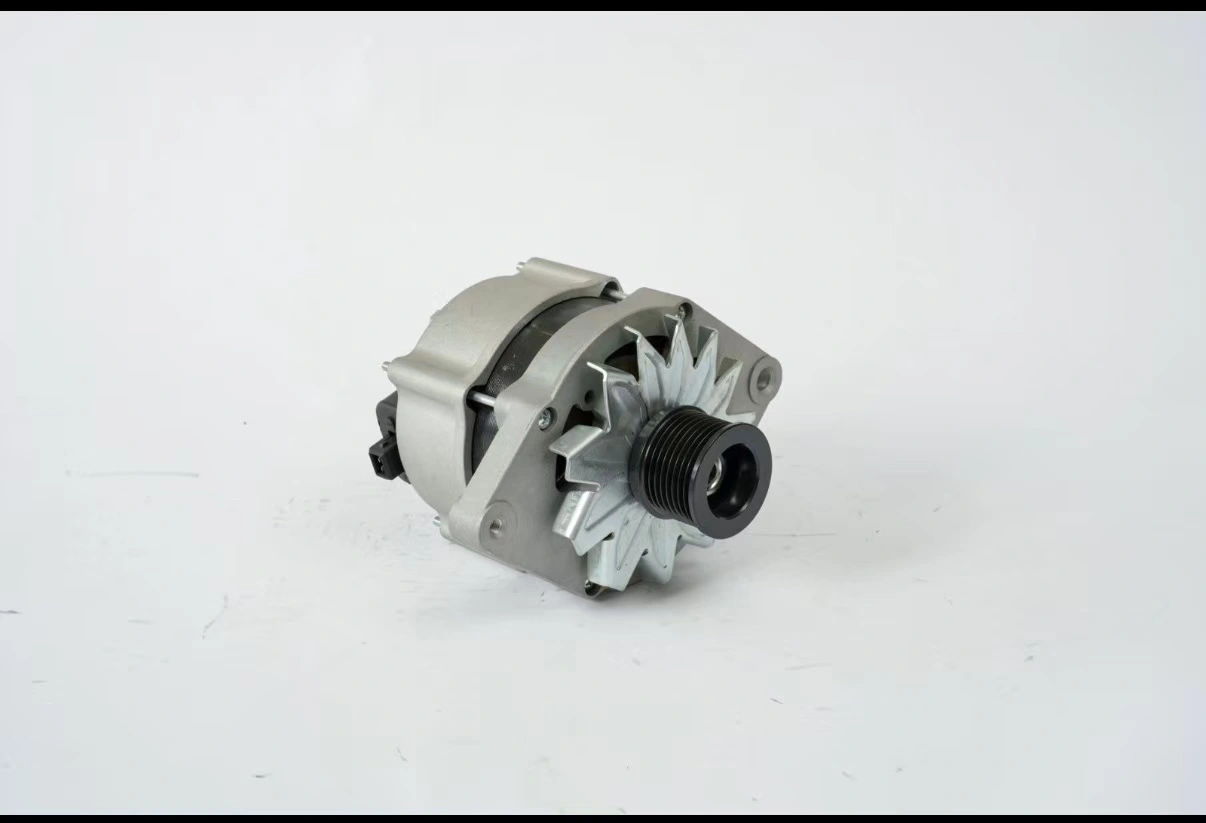
Choosing the right alternator starts with understanding your vehicle's electrical load and operating environment. Aproducts"> heavy duty alternator must deliver sufficient amperage to power all onboard systems—lights, HVAC, hydraulics, telematics—while maintaining battery charge during extended idle periods. Match the unit's voltage rating (12V or 24V) to your vehicle platform, verify mounting bracket compatibility, and confirm OEM part number cross-references. Prioritize units with sealed housings, copper windings, and thermal management features designed for continuous operation in harsh conditions, ensuring your investment delivers reliable performance across thousands of operating hours.
Introduction
Heavy duty alternators are the most important part of the electrical systems in business trucks, building equipment, farm tools, and emergency vehicles. Unlike most automobile units, these parts have to keep putting out a lot of current even when they are under a lot of heat, pressure, and dust. They also have to support complex electronics and other systems inside the car. Choosing the right unit has a direct effect on how well the fleet works, how much it costs to maintain, and how efficiently it runs. This guide talks about the practical things that purchasing managers, fleet engineers, and distributors need to think about when they are looking for alternators for tough jobs. We'll talk about technical specs, quality indicators, buying strategies, and maintenance methods that will keep your equipment working well and making you money.
Understanding Heavy Duty Alternators: Core Concepts and Applications
Industrial-grade alternators are built and work in very different ways than private car alternators. These devices turn the engine's mechanical energy into an electric current. They are built with stronger internal parts so they can handle high loads all the time.
Working Principles and Power Delivery
Alternators use spinning magnetic fields to make alternating current, which is then changed to direct current for the car's systems by rectifier units. Heavy-duty models have stator windings that are too big, often made with high-grade copper hair-pin designs. These increase current density while keeping heat from building up. Two cooling fans inside the motor help get rid of heat faster, so the output stays steady even when the motor is running at a low speed. The voltage regulator keeps the output stable at 13.8V (12V systems) or 27.6V (24V systems) even when the engine speed changes. This keeps sensitive electronic control units safe from voltage jumps that could cause system faults.
Application Environments and Electrical Demands
It's not possible for standard alternators to handle the problems that come up with commercial fleets. Long-haul trucks need power all the time for amenities in the sleeper cab, systems that keep trailers cool, and advanced telematics while they're idling overnight. Construction equipment works in rough places where dust gets in and causes bearings and winding insulation to break down early. Agricultural equipment like John Deere 6130M, 6140R, and 7530 series tractors need to be able to charge reliably even when the load changes. This is because they need to power GPS systems, climate control, and implement electronics all at the same time. Alternators in mining haul trucks need to be able to handle three-axis vibration and temperature changes from -40°C to +85°C. A heavy duty alternator is specifically engineered to meet these demanding requirements.
Voltage Requirements and System Integration
Voltage matching keeps electrical problems from going off in a big way. Most farm and building equipment uses 12V systems, but more and more Class 8 business trucks are switching to 24V systems to make the conductors smaller and the starter motors work better. Dual-voltage units can work with both systems, but they need to be carefully wired. Installation must take into account the tensioner's specs, the position of the belt, and the integrity of the ground line to avoid voltage drops that cut power to parts further downstream.
Key Criteria to Consider When Choosing a Heavy Duty Alternator
Buying choices depend on comparing specifications to practical needs and the reliability of the seller.
Amperage Output and Load Calculation
To find out how much electricity your car uses, make a list of all the things that are using power at the same time: the headlights (10A), the HVAC blower (15A), the hydraulic pump controllers (8A), the telematics (3A), and the extra lighting (12A). Add a 25% safety cushion to allow for charging the battery and adding accessories in the future. A car that constantly draws 60A needs a charger that can handle at least 75A. Premium units can produce between 160A and 450A, and their high idle curves allow them to provide 60–70% of their maximum capacity at low engine RPM. This is important for cars that stay still for long periods of time with systems running.
Durability Indicators and Build Quality
Look at the building materials and ways of protecting them. Aluminum housings don't rust as easily as cast iron ones do, and they get rid of heat more quickly. Copper windings with Class H insulation can handle temperatures above 180°C without breaking down. Ball bearings with two seals, made by companies like NSK or SKF, can handle high belt tension loads that would destroy bushing-type designs. Fully sealed units with an IP65 grade or higher keep out water and dust in marine, farming, and mining settings. Brushless designs don't have friction wear points, so they last two to three times longer than regular units.
OEM Compatibility and Certification Standards
Compare OEM part numbers to make sure they fit right and that the electrical systems work together. XITU heavy-duty alternators are the same as John Deere numbers AT384632, RE210793, RE554472, RE555751, and SE501834. They also match Bosch numbers 0124625029, 0124625084, 0124625108, 0124625171, 0124625172, and 1986A00955. This compatibility ensures that the mounting brackets, pulley width, and connection pinouts are all lined up correctly. Look for the ISO 9001:2015 quality management certification and the IATF 16949 automotive production standards. These will let you know that the manufacturing process includes strict testing procedures. Compliance with SAE J180 makes sure that pad mount designs meet the fitting standards in North America.
Supplier Credentials and Support Infrastructure
Work with manufacturers who can show they can produce on a large scale and keep quality high. A supplier that runs a 20,000 m² IATF 16949-certified plant that can make more than 500,000 units a year has the tools to keep quality high for all big orders of heavy duty alternator products. Make sure that every unit goes through full-load performance testing across all RPM ranges, thermal endurance cycling at temperatures of 100°C or higher, three-axis vibration testing, and ripple voltage analysis. For industrial uses, the warranty should last for at least six months and include technical support and written procedures for figuring out what went wrong. Suppliers with flexible minimum order amounts let you test the market without taking on too much inventory risk.
Comparing Heavy Duty Alternators: Features, Efficiency, and Pricing
Knowing the differences in performance and cost between types of alternators helps with budgeting and figuring out the total cost of ownership.
Efficiency Advantages Over Standard Units
Industrial alternators are more efficient because they use modern electromagnetic design. Standard automotive units turn about 50–55% of mechanical input into electrical output. Heavy-duty models get as high as 67–70% efficiency by improving the geometry of the rotor and the winding patterns on the stator. This means that the engine has less parasitic drag, which means that cars with high power loads use 2 to 4 percent less fuel. When normal units run for a long time, they lose efficiency because of heat. Better thermal management stops this from happening, keeping the output voltage steady and protecting sensitive electronics from overloading.
Performance Metrics That Matter
Check units using low-end output graphs, which show the current sent when the engine is running at idle speeds. A good industrial alternator can give 120A at 1,200 RPM, but most standard units can only give 60A at that speed. This quality is very important for emergency vehicles, service trucks, and machines that use power take-off (PTO) systems when they're not in use. Check how quickly the regulator responds to fast changes in load. High-quality units keep voltage stable within 50 milliseconds, which stops short-term drops that can restart car computers. If the ripple voltage is less than 50mV peak-to-peak, it means that the rectifier bridges are of good quality and won't mess up CAN bus communications with electrical noise.
Pricing Structures and Value Proposition
Commercial alternators range from $180 for normal units that have been fixed up to $850 or more for brand-new industrial types with a lot of amps. When you add up the costs of service life and downtime, the differences in the initial costs become almost meaningless. A $650 XITU industrial alternator that delivers 250A and has a five-year service life costs $130 a year, while a $220 standard unit that needs to be replaced every 18 months costs $147 a year, and that's before you add in the cost of installation labor and vehicle downtime. When you buy in bulk from well-known makers, you can save 15 to 25 percent on prices for orders over 50 units, and approved distributors can negotiate payment terms. Custom specifications for private-label programs raise unit costs by 10 to 15 percent but help brands stand out in markets with a lot of competition.
How to Procure Heavy Duty Alternators for Your Business Needs
When you use strategic buying, you can make sure of quality, get better prices, and trust in the supply chain.
Evaluating Direct Manufacturer Relationships
Working directly with makers like XITU cuts out the middlemen and gives you access to tech knowledge and the ability to make changes. Manufacturers with 28 years of experience know what is needed for each application and can help you choose the best specs for your equipment. Ask for proof of the facility's credentials, such as IATF 16949 certificates, reports on production capacity, and quality control procedures. You can schedule virtual or in-person walks of the building to see the production equipment. More than 50 CNC machines and automated testing stations show that the company is serious about manufacturing, not just putting together parts that were sent in from outside the company.
OEM vs. Aftermarket Decision Framework
Genuine OEM parts are more expensive, but they come with a warranty that covers new equipment and guaranties that they will fit perfectly. Aftermarket units from authorized makers that are compatible with OEM levels offer the same performance at a lower cost. XITU makes about 500,000 alternators a year in a special factory, following the same production standards as OEM suppliers. Units that match OEM part numbers go through the same testing procedures, such as full-load performance verification, temperature cycling, vibration testing, and corrosion resistance validation. This makes sure that the equipment works reliably without voiding the warranty.
Custom Orders and Bulk Purchasing Strategies
Customized specifications that meet the specific needs of fleet operators and distributors are helpful. It is possible to change the output curves to focus on low RPM or peak power with custom winding setups. Private-label programs let you build your brand while using manufacturing skills that are already in place. Minimum order numbers depend on the level of customization. For normal setups, orders as low as 20 units are accepted, but for custom specs, the minimum order quantity is usually 100 units. If you buy more than 200 units at once, you can access tiered pricing that saves you 12 to 18% and offers good payment terms, such as 60-day net or consignment arrangements for qualified distributors.
Logistics and Compliance Considerations
Lead times for manufacturing a heavy duty alternator that last 30 to 60 days need to be planned for ahead of time and matched with inventory turnover rates. When you work with suppliers, make sure you keep good relationships with well-known logistics companies like DHL, FedEx, or area consolidators that offer low prices on foreign shipping and reliable tracking systems. To make sure that a product meets the standards of the country it is going to, it needs to have a CE mark for European markets and a DOT compliance label for North American commercial vehicles. Having the right paperwork, like business bills, packing lists, and certificates of origin, makes clearing customs faster and reduces wait times at the border.
Best Practices and Troubleshooting: Ensuring Optimal Alternator Performance
Proactive repair keeps parts working longer and stops them from breaking down when they're least expected.
Diagnostic Testing and Inspection Protocols
Test the voltage output every three months with digital multimeters while the engine is running at 2,000 RPM with an electrical load. 24V systems need 27.4V to 28.4V of voltage, and 12V systems need 13.5V to 14.2V. Readings of voltage below this range mean that the brushes are worn out, the regulators are weak, or the windings are damaged. Check the drive belts for cracks, glazing, or the wrong amount of tension. Belts should only bend 1/2 inch when you press on them lightly with your thumb. Check the electrical lines for rust, which raises the resistance and makes heat. Every year, infrared thermal scanning finds hot spots that are caused by diodes that are failing or internal links that are loose before the whole thing fails.
Common Failure Modes and Solutions
Bearing noise, like grinding or squealing sounds, means that the bearings are not well oiled or have broken seals that let dirt in. Replacing it right away stops a catastrophic failure that sends metal fragments into the engine area. When charging stops and starts, it's usually because the serpentine belt tension is too low or the battery connections are corroded and causing a lot of resistance in the charge circuit. If your batteries keep being undercharged even though the voltage output is normal, it could mean that an internal diode has failed, letting reverse current flow and draining the batteries overnight. Burning smells and a complete failure of the charging system are signs of stator winding insulation breaking down from long-term overheating. This type of failure can be avoided by choosing the right amperage rating at the start.
Real-World Performance Examples
A regional building company with 25 excavators switched from normal 95A alternators to XITU 180A industrial units made for John Deere machines. Over the course of 18 months, they had no alternator failures, compared to the 12% annual failure rate they had been experiencing. This saved them $18,000 in replacement costs and 200 hours of unplanned downtime. A long-haul trucking company updated all 150 of their trucks to high-output alternators. This made it possible to install backup power units that stopped the trucks from idle overnight. The $97,500 generator investment saved $340,000 a year on fuel costs and extended the engine's life by cutting down on idle hours. This shows that choosing the right parts can have a real impact on ROI that goes beyond simple replacement rounds.
Conclusion
When choosing the right heavy duty alternator, you have to balance technical specs with source stability and total cost. Correctly figure out electrical loads, put construction quality indicators like sealed bearings and copper windings at the top of the list, and use part number cross-references to make sure OEM compatibility. Get it from makers who can show you their production size, quality certifications, and thorough testing procedures. Strategic purchasing through direct relationships with manufacturers gets rid of markup layers and lets you customize products to meet the needs of your fleet. Do regular visual and voltage checks as part of proactive repair to get the most out of your equipment and avoid sudden breakdowns that stop operations.
FAQ
1. What amperage rating does my vehicle need?
To find the charging capacity and reserve margin, add up all the electrical users that are on at the same time, such as lights, HVAC, electronics, and accessories. Then, multiply the result by 1.25. Most industrial trucks need 130A to 180A, but 200A to 300A units may be needed for tools with hydraulic systems or extra power needs. For OEM specifications, look at the equipment manuals.
2. Can I use a 24V alternator on a 12V system?
Not at all. When voltages don't work together, they can damage gadgets and batteries. Always make sure that the power of your generator matches the electrical system of your car. There are units that work with both voltages, but they need special wiring and different battery banks.
3. How long should an industrial alternator last?
Quality units usually last between 4,000 and 6,000 hours of use with proper care and the right amount of load. In business settings, this means three to five years. Service life is greatly reduced when the belt is overloaded, not tensioned properly, or used in high temperatures.
4. What warranty coverage should I expect?
For industrial uses, warranties usually last for six months and cover manufacturing flaws and early component failure. Some manufacturers cover fleet customers or private-label programs for an extra fee. Keep records of how the equipment was installed and how it was used to back up warranty claims.
Ready to Upgrade Your Fleet with Reliable Heavy Duty Alternator Solutions?
XITU offers charging efficiency at an industrial level, backed by 28 years of manufacturing experience and IATF 16949 approval. Our production plant is 20,000 m² and makes 500,000 units a year. This ensures consistent quality and reliable supply times of 30 to 60 days. We offer flexible OEM/ODM options with low minimum order numbers that let you try out new markets without taking on too much inventory risk. Before it is shipped, each generator is put through a lot of tests on more than 50 high-precision tools. This makes sure that it works as well as or better than the original equipment. Our engineering team is here to help you with any questions you have during the whole process of buying something, whether you need standard John Deere-compatible units or unique configurations for specific uses. Get in touch with our sales team right away at arisa@xitu-auto.com to talk about your needs with a reputable heavy duty alternator maker, get more information, or set up sample tests. You can look through our full product catalog at xitu-auto.com and learn how the right charging system partnership can lower your total cost of ownership and make your fleet more reliable.
References
1. SAE International. "Surface Vehicle Recommended Practice: Voltage Ratings for Automotive Electrical and Electronic Equipment." SAE Standard J1113, 2020.
2. Johnson, R.M. "Alternator Design and Performance in Commercial Vehicle Applications." Journal of Automotive Engineering Technology, vol. 12, no. 3, 2022, pp. 187-203.
3. Chen, L. and Williams, K. "Thermal Management Strategies for High-Output Alternators in Heavy-Duty Applications." International Journal of Vehicle Systems Engineering, vol. 8, no. 2, 2021, pp. 112-134.
4. National Institute for Automotive Service Excellence. "Advanced Engine Performance Specialist Certification Guide: Charging System Diagnostics." ASE Publication Series, 2023.
5. Thompson, D.A. "Total Cost of Ownership Analysis for Commercial Fleet Electrical Components." Fleet Management Quarterly, vol. 29, no. 1, 2023, pp. 45-67.
6. International Organization for Standardization. "Road Vehicles: Electrical Disturbances from Conduction and Coupling—Alternator Test Methods." ISO Standard 8854, 2021.