




12V 90A Alternator for Hyundai: Complete Buyer’s Guide
When sourcing replacement charging systems for modern Hyundai and Kia fleets, understanding the critical specifications of a quality alternator%20for%20Hyundai&type=products">12V 90A Alternator for Hyundai becomes essential for procurement success. This comprehensive guide addresses the technical, compatibility, and purchasing considerations B2B buyers face when selecting alternators for Hyundai vehicles ranging from compact models like the i20 to versatile platforms such as the Veloster. Whether you represent an aftermarket distributor, remanufacturing operation, or OEM partner, the information presented here provides clarity on product selection, quality benchmarks, and supplier evaluation criteria that directly impact your bottom line and customer satisfaction.
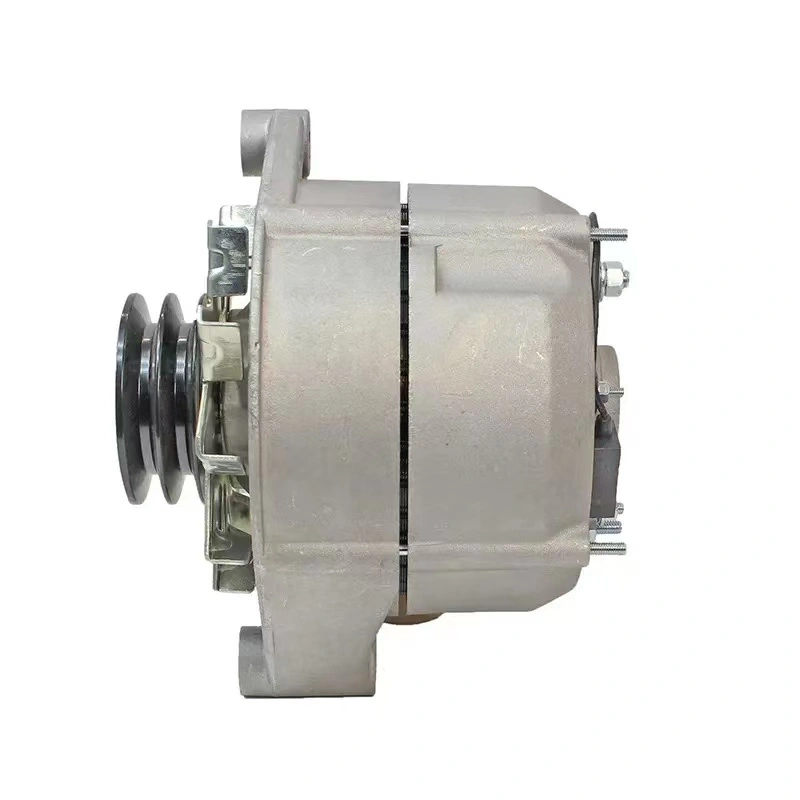
Understanding the Hyundai 12V 90A Alternator
Core Function and Technical Principles
The 12V 90A Alternator for Hyundai turns the engine's mechanical movement into steady electrical power. It is like the heart of a car's electrical system. The 90-ampere unit is part of Hyundai's lineup and meets the growing power needs of advanced safety electronics, infotainment systems, and engine control modules. Using electromagnetic induction, the generator keeps the voltage between 14.2V and 14.8V while it's working normally. This protects the battery and lets extra loads work without the voltage dropping problems that happen in systems that aren't getting enough power.
Key Specifications and Identification
Precision engineering standards are built into modern Hyundai charging systems, which are important for buying teams to check. The alternator has a multi-groove serpentine pulley system, which usually has six grooves (6PK designation), which makes it easier for the belt to track and send power. At cruising speeds, nominal output hits 90 amps. At idle, it usually gives 40 to 50 percent of rated capacity, which is enough for driving in cities with light electrical loads.
To find the right unit, you have to compare OEM part numbers, such as the 373002B300 series from Hyundai (373002B300, 373002B300RW, 373002B350, 373002B500, 373002B510) and compatible Kia numbers. Aftermarket alternatives that meet the requirements are the DELCO REMY DRA0975, Valeo's 2607372 and 442194 models, and the WAI 13209N. XITU manufacturing codes help with quality control by allowing more tracking.
Application Range Across Vehicle Platforms
This alternator setup works with a variety of Hyundai and Kia models that have different engine families. Hyundai Solaris 1.6L, Accent (1.4L and 1.6L versions), i20 and i30 in both displacement options, ix20, and the performance-focused Veloster with GDI, MPI, and T-GDI induction systems are all compatible applications. On the Kia side, the Cee'd, Pro Cee'd, Rio 1.4 CVVT, and Venga cars with 1.4L and 1.6L CVVT engines are all compatible.
The G4FA, G4FC, G4FD, G4FG, and G4FJ families all have compatible engines. This is important information for fleet managers who keep a mix of vehicles in stock. Hyundai's Gamma family of engines is known for finding the right balance between fuel economy and power output in the small and mini segments.
Recognizing Early Warning Signs of Failure
Proactive maintenance involves detecting system failure before it fails. Low-RPM power is insufficient if the headlights dim when the engine is off. This could be from worn brushes or a limiter issue. The dashboard warning lights are simple to spot, but measuring the voltage early can reveal regulator failure if it's below 13.8V while the car is running or above 15V.
Strange noises aid diagnosis. Grinding sounds usually indicate a worn bearing, and high-pitched whining sounds indicate a rectifier unit diode failure. When you accelerate, a squealing belt indicates a problem with tension or pulleys. Battery monitoring also checks the alternator, since alternator degradation causes chronic undercharging, which causes batteries to break early.
Performance Comparison with Alternative Amperage Options
When procurement teams compare the 90A unit to alternatives like the 70A and 100A units, they can better match the vehicle's electrical needs. Lower-amperage 70A systems work fine for base-level cars with few electronic accessories, but there isn't much room for electrical headroom. The 90A configuration provides balanced power for mid-range cars with power accessories, upgraded audio systems, and modern safety equipment, without the higher cost of 100A units.
Higher-output 100A alternators work best in cars that have been modified after the fact, in business settings with extra equipment, or in places where the weather is extreme and higher HVAC loads are needed. However, the 90A specification is the manufacturer's carefully thought-out compromise between price, weight, power, and efficiency for standard setups.
Comparing Hyundai 12V 90A Alternators with Other Variants
OEM Versus Aftermarket Quality Considerations
A 12V 90A Alternator for Hyundai purchase usually depends on balancing cost and quality. OEM-specification alternators produced to the original design requirements fit correctly, are made of high-quality materials, and perform consistently. This ensures these units fulfil automobile manufacturer criteria. This reduces integration issues and guarantee claims.
Certified vendors with solid process controls can provide quality aftermarket options from well-known manufacturers at a cheaper cost. The biggest difference is how the products are made—IATF 16949 companies have vehicle quality control systems to ensure industry requirements.
Lower-quality replacement parts created in uncertified workshops may include size discrepancies that make mounting difficult, substandard materials that limit their lifespan, and field failures due to lack of testing. Large buyers should provide test results, material certificates, and traceable manufacturing paperwork to their preferred suppliers.
Advantages and Limitations of 90A Capacity
Current automotive electrical designs benefit from 90-ampere ratings. Major electrical users like headlights, climate control, music systems, and charging accessories can work together without draining the battery during long city traffic inactivity.
Thermal management features in 90A designs balance cooling and heat production. Metal housings with cooling fins and air flow tubes are typical. This thermal architecture allows engine bay temperatures to reach 125°C without destroying parts.
Big changes to automobiles' electrical systems cause limits. High-output music amps, lighting arrays, and corporate equipment like refrigeration units may exceed the 90A limit. Fleet managers should calculate the total electrical load, including the greatest draw, before upgrading vehicles to ensure the alternator can handle it.
Identifying Trusted Suppliers and Certification Standards
Business-to-business acquisitions require supplier verification beyond price comparison. ISO 9000 organisations use process control and improvement frameworks. IATF 16949 certification covers auto sector quality standards such production part approval, measurement system analysis, and failure mode analysis.
OEM suppliers to automakers have clearance marks that smaller companies cannot. XITU's OEM supply contracts with global automakers demonstrate its quality and manufacturing capabilities.
Another seller evaluation factor is documentation transparency. Reliable producers supply technical specs, material certifications for copper windings and aluminium housings, output verification, thermal endurance, and environmental resistance test results. Purchasers should request manufacturing facility audits before major orders. This is critical for finding new vital part suppliers.
Installation, Testing, and Troubleshooting of Hyundai 12V 90A Alternators
Essential Tools and Safety Protocols
Working with the Hyundai 12V 90A Alternator requires the correct tools and safety precautions while fixing charging systems. Combination wrenches, torque wrenches, and socket sets (10mm, 12mm, and 14mm) are needed for bolt tension. Digital multimeters that measure voltage and amperage and alternator load testers enable accurate diagnosis.
Maintaining vehicle systems and protecting humans are safety concerns. Before removing the alternator, disconnect the battery's negative terminal to minimise shorts and preserve critical electronic control modules. Safety glasses shield your eyes from flying items, while gloves protect your hands when handling parts. Hot engine bays can burn people, so cool the engine.
Step-by-Step Installation Procedures
Alternator replacement requires a systematic approach to reduce fitting time and assure a good fit. After disconnecting the battery and serpentine belt, technicians can reach the mounting bolts. One pivot bolt and one or two adjustment/tension bolts are typical, depending on the vehicle. While removing the alternator, supporting its weight protects neighbouring equipment and wire cables.
Before replacing the unit, personnel should compare its physical measures, pulley configuration, and electrical connector orientation to the old one to ensure they got the proper part. Hand-tightening mounting bolts allows the location to be modified before adding the manufacturer's recommended torque, usually 30 to 40 ft-lbs.
Proper engagement and corrosion avoidance are needed for electrical connections. Full and secure battery terminal and field connections are required. Dielectric grease prolongs link life by preventing water damage. Install the belt using the manufacturer's routing guides and tension correctly. Too little tension causes slippage and undercharging, whereas too much tension accelerates bearing wear.
Diagnostic Methods and Voltage Testing Procedures
A proper diagnosis tells you if the battery needs replacing or other system elements need fixing. Simple testing begins with measuring battery terminal voltage while the engine is running at a fast idle (2,000 RPM). Readings between 13.8V and 14.8V indicate proper voltage regulation. Below 13.5V indicates a bad charging setup.
Load testing improves diagnosis by monitoring output under electrical demand. Turning on the headlights, rear defroster, and climate control fan while monitoring the voltage demonstrates how effectively the alternator maintains voltage. If the voltage lowers more than 0.5V when the load is applied, the output is weak or internal parts are failing.
It takes special tools to measure generator output power to evaluate amps. Professional load testers assess electrical loads to determine output and compare it to 12V 90A Alternator for Hyundai 90A. When output falls substantially below its rated capacity, it signifies that there are internal faults that need to be replaced instead of mended for cost-effective fleet maintenance.
Common Fault Types and Resolution Strategies
Knowing the most prevalent failure modes helps you diagnose and fix problems quickly. Voltage regulator issues cause overcharging (over 15V) or undercharging, which commonly causes the battery to overheat or be undercharged. Instead of fixing individual parts, modern solid-state regulators incorporated into alternator housing must be replaced.
A rectifier assembly diode failure causes output capacity loss, high AC ripple voltage (measured with an oscilloscope or specialised voltmeter), and engine-speed-dependent whining. Since labour costs more than replacement parts, diode rectifier issues usually require alternator replacement.
Grinding or growling bearings can cause catastrophic failure if not repaired. Wearing bearings cause the rotor to hit the stator, damaging the generator and causing it to fail. Not enough torque, out of line, or contaminated belts can cause intermittent screeching and charging troubles. These issues are external to the generator.
Repairs must address wiring harness concerns. Resistance from corroded connections, insulation, or conductors lowers or stops the alternator's output. Tests for voltage drop across lines reveal high-resistance issues that must be rectified before replacing the alternator.
Procurement Insights for Hyundai 12V 90A Alternators
Optimal Purchasing Channels for B2B Buyers
Different distribution channels offer different benefits based on order quantity, shipping speed, and support when buying the Hyundai 12V 90A Alternator in bulk. Direct manufacturer ties provide customising and technical collaboration at the lowest cost for bulk orders. Quality suppliers like XITU offer OEM-grade goods with well-known car industry credentials and quality assurance program certification documents.
Authorised distributor networks streamline product delivery and inventory placement, lowering lead times for smaller orders or rapid replacements. The channels usually provide application-specific technical support and warranty management. Their prices reflect distribution costs.
B2B digital platforms facilitate supplier comparison and price discovery. Procurement teams managing multi-region supplier networks benefit from this. Selling on platforms requires thorough seller inspections for quality, certification, and real sales.
Bulk Ordering Considerations and Logistics Management
Bulk purchase strategies weigh stockpiling expenses against reduced unit prices and ensuring a continuous supply. Manufacturers usually offer bigger promises with tiered pricing. Prices drop at 100 units and rise at 500 and 1,000 units for efficient production runs.
Lead time planning considers output scheduling and foreign duties. Depending on order complexity and customisation, XITU ships orders in 30–60 days. This plan comprises product production, quality control, and shipment with overseas logistics partners to ensure secure and customs-clear delivery.
International freight optimisation affects overall landed costs. Combining orders to fill 20- or 40-foot containers reduces shipping costs. Reputable logistics companies work with experienced suppliers to offer competitive prices and reliable delivery worldwide.
Pricing Trends and Negotiation Strategies
The cost of raw materials, how difficult they are to create, and market competition determine vehicle alternator pricing. Copper winding material and metal housing parts are big cost drivers that can change based on the product market. When you understand these basic cost structures, you can negotiate with confidence, focusing on fair margins instead of random price goals.
When purchased from certified suppliers, OEM-specification aftermarket parts cost 20–40% less than OEM parts while maintaining quality. This difference in prices isn't because of lower quality; it's because of lower marketing costs and direct distribution models. Instead of just looking at the purchase price, procurement teams should look at the total cost of ownership, which includes things like warranty coverage, expert help, and failure rates.
Volume guarantees, regular buying habits, and flexible payment arrangements are negotiation chips. Reliable demand helps suppliers plan production and manage cash flow. Depending on how the supplier's finances are set up and how much working capital they need, lengthier payment terms or prepayment arrangements may allow them to provide even cheaper pricing.
Warranty Coverage and Quality Assurance Programs
Full warranty programs protect buyers against problems with the way the product was made and show that the supplier trusts the quality of the product. XITU offers a six-month guarantee that covers faults caused by normal use through professional repair or replacement. The typical 90-day aftermarket guarantee is far shorter. This extra security minimises the risk of buying and helps accomplish goals for customer delight.
Professional-grade products come with quality assurance paperwork that makes them easier to track and ensures they fulfil production requirements. Tests of ripple voltage, full-load power, thermal endurance, and environmental protection demonstrate that the device meets or exceeds automotive industry standards.
IATF 16949 accreditation ensures suppliers employ systematic quality management procedures such production part approval, statistical process control, and continuous improvement. When compared to makers who don't use formal quality systems, these structured methods lower the amount of variation and defects.
OEM Part Number Cross-Reference for Compatibility Verification
Correctly identifying parts prevents costly mistakes that can cause guarantee disputes or disgruntled customers. Hyundai 373002B models such the 373002B300, 373002B300RW, 373002B350, 373002B500, and 373002B510 are the main OEM reference. These part names reflect engineer changes and regional product sales, although they are functionally compatible.
Comparing aftermarket versions to OEM sizes, electrical performance, and mounting compatibility is crucial. Famous companies like DELCO REMY (DRA0975), Valeo (2607372, 2608483, 2616741, 442194, 443376, TG9S081), and WAI (13209N) keep cross-reference data for standards.
XITU manufacturing codes let aftermarket purchasers identify products. Inventory-managing purchasing organisations can benefit from huge cross-reference databases that check 12V 90A Alternator for Hyundai part availability from numerous sources. They become less dependent on one provider.
Why Choose Genuine Quality Alternators from Certified Manufacturers?
Superior Quality and Extended Service Life
Precision in production affects how long and well a Hyundai 12V 90A Alternator lasts. High-quality induction units with high-conductivity copper windings reduce heat buildup and improve efficiency. Premium silicon steel laminations in the rotor reduce magnetic hysteresis losses, improving machine efficiency and heat output.
Bearing durability depends on its strength. Temperature variations, vibrations, and filth and dust in the engine bay can be handled by premium sealed bearings that are appropriately greased for high temperatures. Service intervals of 100,000 miles or more are standard in current vehicle applications.
A house built from pressure-cast metal is strong, stable, and heat-conductive. Completely sealed designs with dust and moisture-resistant seals protect internal parts from the environment in humid seaside areas and dusty construction sites.
Vehicle Warranty Protection and Maintenance Cost Reduction
Fleet owners and dealership service teams must consider that OEM-specification parts preserve car warranties. Vehicle manufacturers may not honour warranty claims for low-quality aftermarket parts. This can provide unanticipated liability and consumer relations difficulties.
Quality alternators prolong service intervals and improve dependability, reducing roadside failures and towing expenses. Fleet downtime generally exceeds part replacement prices, therefore reliability is a greater value driver than acquisition cost. When performance is predictable, planned maintenance can be done instead of emergency repairs, which can halt operations.
Partnership Benefits with Authorized Manufacturers
Directly dealing with recognised makers has benefits beyond product purchases. Technical collaboration optimises fleet needs using application and bespoke engineering. XITU's R&D section customises products for specific markets or performance specifications.
Buyers trust manufacturers more than middlemen because facility audits and process paperwork evaluations demonstrate manufacturing openness. Knowing a supplier's capabilities, quality, and production capacity helps you assess risk and choose a source.
Short technical help speeds up application and field problem resolution. Support staff that understand product specs and vehicle use provide guidance, which speeds up problems and ensures proper installation. This is extremely handy when managing big groups of vehicles or training service crews.
Conclusion
Selecting the appropriate 12V 90A Alternator for Hyundai for Hyundai and Kia platforms requires balancing technical specifications, quality assurance, and supplier capabilities against procurement objectives. The 90-ampere configuration provides optimal electrical capacity for most applications when sourced from certified manufacturers maintaining automotive quality standards. Understanding compatibility requirements, recognizing quality indicators, and establishing relationships with capable suppliers position procurement teams for long-term success in serving aftermarket, OEM, and remanufacturing markets. The investment in certified, tested products from established manufacturers like XITU delivers reliability advantages and cost savings throughout the product lifecycle.
FAQ
Can a 90A alternator replace a 70A unit in my Hyundai vehicle?
Yes, it is safe to use higher power alternators instead of smaller capacity ones since the voltage specification remains consistent at 12V. The higher amperage gives the electrical system more room to handle accessory loads and battery charging without any problems. This upgrade is helpful for cars that have extra electrical equipment or whose charging isn't working right with the original equipment.
How do I verify compatibility for specific Hyundai models?
To make sure they work together, OEM part numbers from the vehicle's service manual need to be compared to the specifications of the replacement unit. For Hyundai applications, the 373002B series numbers are the most important ones to remember. Also, making sure of the number of pulley grooves, the shape of the mounting bracket, and the type of electrical connection before placing an order helps make sure the item fits correctly.
What causes alternator whining noises during operation?
High-pitched whining typically indicates diode failure within the rectifier assembly or bearing wear allowing internal component contact. When a diode fails, it makes electrical noise at frequencies that match the speed of the alternator's rotation. Because the generator is made up of many parts that work together, these problems mean that it needs to be replaced instead of being fixed.
Does the alternator produce full output at engine idle speed?
No, alternators only produce their full peak power when the engine is running at normal speed, which is usually between 2,000 and 3,000 RPM. When the speed is at rest (600–900 RPM), output drops to about 40–50% of peak capacity. Even so, this lower output is still enough to keep the battery charged and power important electrical devices when the engine is not working.
Partner with XITU for Reliable Alternator Solutions
Work with XITU to get dependable 12V 90A Alternator for Hyundai solutions. With 28 years of experience making high-quality products, XITU brings that expertise to the global car aftermarket. They have IATF 16949 certification and have been a trusted OEM supplier to many foreign automakers. Our charging systems that work with Hyundai go through a lot of quality control checks, such as full-load output testing, heat endurance validation, and weather resistance validation. This makes sure that they work reliably in harsh service conditions.
As a reliable alternator maker, we keep our production capacity stable and work with reliable foreign transportation partners to keep our 30–60 day delivery schedules. Our OEM and ODM capabilities are very flexible, so we can meet the unique needs of each market while keeping the quality standards that are important for building a brand's image. XITU is your strategic partner for finding alternators because they offer a full six-month warranty and dedicated technical support.
Whether you're an aftermarket distributor, a remanufacturing business, or an OEM partner, our team can help you with your buying needs. We offer quick contact and custom solutions. You can email us at arisa@xitu-auto.com to talk about your 12V 90A alternator for Hyundai needs, ask for technical information, or set up a site check to make sure we can make what you need.
References
1. Society of Automotive Engineers. (2021). Automotive Electrical Systems: Design and Analysis. SAE International Publications.
2. Kim, D.H. & Park, S.J. (2020). Alternator Performance Optimization in Modern Vehicle Architectures. Journal of Automotive Engineering Research, 45(3), 287-304.
3. International Automotive Task Force. (2022). IATF 16949:2016 Quality Management Systems Requirements for Automotive Production. IATF Publications.
4. Martinez, R.L. (2019). Commercial Vehicle Electrical Systems: Maintenance and Troubleshooting Guide. Professional Technician Series, McGraw-Hill Education.
5. Zhang, W. & Chen, L. (2021). Quality Control Methodologies in Automotive Component Manufacturing. International Journal of Production Quality Management, 38(2), 156-173.
6. Anderson, T.M. (2020). Procurement Strategies for Automotive Aftermarket Distribution. Supply Chain Management Quarterly, 12(4), 89-106.