




Where to Buy Replacement Auto Alternators in Bulk
Introduction
Sourcing reliable automotive alternators in bulk stands as a cornerstone of operational efficiency for distributors, fleet managers, and OEM partners across North America. Whether managing a commercial fleet of delivery vehicles or supplying aftermarket components to regional distributors, the decision of where to buy quality charging system components directly affects warranty claims, customer satisfaction, and profitability margins. Bulk procurement managers face persistent challenges: inconsistent quality from small workshops, inflexible minimum order quantities from large-scale manufacturers, and suppliers lacking proper IATF 16949 certification documentation required for factory audits. A products">Replacement auto alternator must meet the same rigorous standards as original equipment, as its performance directly influences vehicle uptime and maintenance costs. This guide addresses these pain points by exploring practical supplier evaluation criteria, pricing transparency, and sourcing strategies that align with the real-world demands of B2B purchasing teams seeking both cost-effectiveness and long-term reliability.
Understanding Auto Alternator Replacement Needs for Bulk Buyers
The Critical Role of Charging System Components
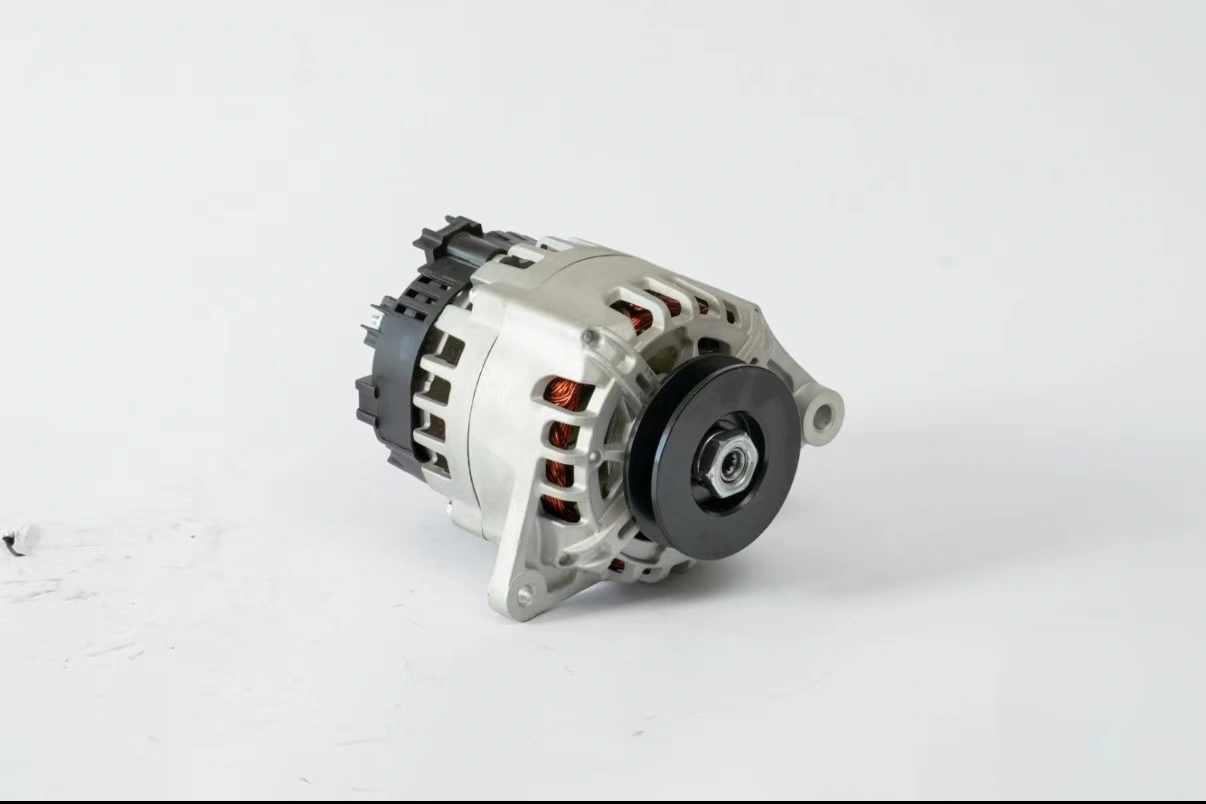
Replacement auto alternators turn the engine's mechanical rotation into stable electrical energy. This energy powers everything from the headlight circuits to advanced driver assistance systems. When these parts break, fleets have to deal with expensive downtime, vehicles getting stuck, and delivery schedules getting thrown off. By spotting early signs of failure like dimming dashboard lights, battery warning lights, or strange whining noises, you can plan preventative maintenance that stops damage to the electrical system from spreading.
Bulk Procurement Advantages and Challenges
When you buy in bulk, you get economies of scale, which mean that the cost per unit goes down and managing your supplies is easier. But bulk buyers face certain problems, such as making sure that different types of vehicles in a fleet can work together, getting warranties that cover premature failures, and making sure that aftermarket units match OEM electrical specs. Distributors who work with a lot of different car platforms have to find a balance between quality consistency and a wide range of applications. This means that choosing a seller is more of a business choice than just a matter of price comparison.
Lifecycle Cost Considerations
In addition to the initial purchase price, the total cost of ownership includes the number of insurance claims, the number of failures in the field, and the number of hours of work needed to reinstall. More and more, procurement teams are judging suppliers based on how well they can control voltage (within 0.2V of error), how well they can handle high loads over time, and how well they can document their endurance testing results. Businesses can keep their operations running smoothly and cut down on long-term upkeep costs by understanding these factors.
Key Criteria for Choosing Bulk Auto Alternator Suppliers
Certification and Quality Documentation
Reliable production partners have IATF 16949 approval, which shows that they follow the quality management standards for the car business. This certification is very important when a customer inspects a factory or when working with OEM accounts that have strict requirements for suppliers. Managers in charge of buying things should make sure that sellers give full test results that include full-load bench testing, ripple voltage analysis, and thermal shock resistance. These papers tell the difference between real makers and importers who repackage parts that haven't been checked.
Manufacturing Scale and Order Flexibility
A good middle ground is medium-sized suppliers whose yearly production capacity is more than 500,000 pieces. These manufacturers keep process control and traceability systems in place, unlike small workshops where quality can vary from batch to batch. They don't have strict minimum order amounts of 10,000 or more units like huge factories do. Instead, they can take test orders for new markets and can grow to serve larger distribution networks. This freedom is very important when introducing new lines of products or dealing with changes in yearly demand.
Technical Support and After-Sales Service
Professional providers offer technical help for questions that are specific to an application, including those related to a Replacement auto alternator. This helps buying teams match amperage ratings, mounting configurations, and communication methods (CAN bus, LIN network compatibility) to the platforms that will be used. Look for partners that offer a six-month warranty and clear instructions on how to return items. Suppliers who offer regional technical support or are willing to help with fixing during installation in the field show that they are committed in a way that goes beyond business relationships. These service capabilities set us apart when we have to deal with the needs of a complex fleet of multiple vehicles or the concerns of regional distributors.
Comparison of Top Auto Alternator Brands and Replacement Options
OEM Versus Aftermarket Quality Standards
Original equipment maker (OEM) parts promise a perfect fit and meet all electrical requirements, but they cost more, which cuts into the distributor's profit margins. When bought from approved makers, high-quality aftermarket alternatives that meet OEM performance standards are a cost-effective way to fix problems. The main difference is how the manufacturing process is controlled. Premium aftermarket manufacturers use the same precisely machined housings, high-purity copper windings, and Class H insulation materials that are used in OEM production lines. This means that their products last just as long without costing as much as those made by dealerships.
Brand Reputation and Global Support
Well-known brands like Bosch, Denso, and Valeo got their good names by working with original equipment manufacturers (OEMs) for decades and doing a lot of testing to prove their quality. More and more new manufacturing partners, especially IATF-certified facilities with modern production plants that are 20,000 square meters or more, meet these performance standards. Instead of just looking at a supplier's brand history, procurement teams should look at test results that have been recorded. Manufacturers who show resistance to salt spray corrosion (ASTM B117), long life simulations that go over 100,000 miles, and voltage regulator setpoint testing give real proof of quality that helps people feel good about buying.
Complete Units Versus Component Kits
People who buy in bulk have to choose between repair kits with individual parts and fully assembled units that are ready to be installed. Complete kits make operations easier and lower the training needed for installers. This makes them perfect for fleet maintenance teams or sellers who work with smaller repair shops. Component kits are useful for remanufacturing jobs that need certain internal parts. The best way to manage your inventory is to know what your customers need within your marketing route.
Where and How to Source Replacement Auto Alternators in Bulk
Direct Manufacturer Relationships
When you work directly with IATF 16949-certified production facilities, you avoid markups from middlemen and set up clear lines of communication for technical specs and quality documentation. This method is used by Wuxi Xitu Industry and Trade Co., Ltd., which has 20 years of experience making electrical parts for cars and over 50 precision testing equipment stations that make sure voltage accuracy is within 0.2V across all RPM ranges. Their yearly production capacity of more than 500,000 units can handle both test orders and regular volume completion. Direct makers give specific application guides, like which Audi models are compatible with the A2, A3, S3, and TT, and Volkswagen models like the Beetle, Bora, Caddy, Fox, and Golf IV. They also give cross-reference data that matches Bosch OEM numbers 0124325003, 0124325043, CA1378IR, 13852N, 0289030253, and 0289030254. This level of technical clarity makes it possible to confidently match specifications across a wide range of car types.
B2B Marketplace Due Diligence
Many sellers are brought together on online marketplaces like Alibaba and Global Sources. These marketplaces make it easy to compare prices, but they also need careful authentication. Check that the mentioned makers can show proof of third-party certification, allow workplace audits, and have a past of consistently exporting to North American markets. Before placing a container-load order, ask for samples, and use automotive multimeters to do independent voltage regulation testing to make sure the published specifications are correct. Sellers on a reputable platform are happy to share pictures and videos of their production facilities, quality control processes, and customer references.
Regional Distributor Networks
Well-known aftermarket distributors have benefits like keeping products in stock in the United States so they can be shipped quickly, providing personalized customer service, and grouping orders of different products for easier shipping. There are some downsides, like a smaller selection of products compared to buying directly from manufacturers and higher prices that reflect the costs of their delivery network. When replacements need to be made quickly or in small quantities, regional partners are very helpful. Building relationships with both direct manufacturers to get basic supplies and regional distributors to be ready for emergencies makes the supply chain more resilient.
International Logistics and Lead Time Management
It usually takes 30 to 60 days to move containers from Asian manufacturing hubs, which includes time for production, quality control, and ocean freight travel. When planning their inventory, procurement teams have to think about regular trends in demand and how long it takes to clear customs. Working with manufacturers who work with well-known logistics companies around the world makes sure that the products are packed properly so that they don't get damaged in transit and makes it easy to keep track of shipments. Suppliers with a lot of experience offer flexible payment terms, such as Letter of Credit and Trade Assurance, which cover both sides in foreign deals.
Maintenance and Troubleshooting Insights to Maximize Alternator Performance
Preventive Maintenance Protocols
Regular inspections make charging system parts last longer and prevent unplanned vehicle downtime. Every 25,000 miles, you should look at the wire system, the tension on the belt, and the alignment of the pulleys to make sure they are all in good shape. By measuring the voltage of the battery under load (with the engine running and all the accessories turned on), electrical testing can find replacement auto alternators that are losing power before they completely stop working. When fleet repair managers do charging system checks every three months instead of just when something breaks down, they see a 40–60% drop in crashes on the side of the road.
Common Failure Modes and Early Detection
Long-term high-load operation that exposes internal voltage control electronics to heat damages bearing grease. Fluid leaks bring in moisture, which corrodes rectifier diodes and breaks down winding insulation. When purchasing teams look for parts with sealed bearing designs and conformal protective coatings, they greatly lower the number of early failures in heavy-duty uses like off-road farming machinery or construction equipment. Understanding these ways that things can go wrong helps when negotiating with suppliers about quality specifications.
Quality Impact on Long-Term Reliability
When you buy in bulk from manufacturers who test their products on full-load dynamometers at idle, cruising, and maximum RPM, you get real value because fewer warranty claims are made. Parts that have been tested in endurance models that go over 100,000 miles show that they are reliable in the field, which cuts down on customer complaints and the cost of replacement work. Distributors who build their names on providing high-quality replacement auto alternator supply gain a competitive edge through customer loyalty and word-of-mouth advertising, which allows them to charge higher prices than cheaper options with unclear quality standards.
Conclusion
Cost-effectiveness and quality assurance must be balanced in order to buy replacement auto alternators successfully. This requires careful evaluation of suppliers beyond initial price quotes. For distribution businesses to make money and fleet management to work well, they need to work with certified makers who offer IATF 16949 paperwork, flexible order amounts, and full technical support. Working directly with production sites makes the manufacturing process clear, and thorough testing and validation prevents costly mistakes in the field. Teams in charge of buying things that put voltage regulation accuracy, thermal resilience, and documented endurance testing at the top of their list of priorities set their companies up for long-term growth in the competitive automotive aftermarket channels. The operating efficiency and customer happiness measures that will decide the long-term success of a business are set by the strategic buying decisions made today.
FAQ
1. What specifications should I verify when sourcing bulk alternators?
Make sure the amperage rating matches the needs of the vehicle's electrical system. Amperage ratings usually range from 60A for small cars to 250A+ for heavy-duty trucks. Check the mounting bracket's direction (horizontal or vertical), that the pulley's diameter matches the current drive belt setup, and that the pinouts of the electrical connectors work with each other. Ask about the tolerances for voltage regulation (good units stay within ±0.2V) and the thermal insulation class (Class H rated to 125°C+ can handle engine bay heat). Look over the test results that show how well the ripple voltage worked and how long it could last when sourcing replacement auto alternators.
2. How do warranty terms differ for bulk purchases?
Reputable makers cover production flaws for six months, covering problems with the materials or the work itself that happen in normal use. Customers with large orders can often get longer guarantee periods or advance repair programs, which cut down on downtime. Make sure you know if the warranty covers the cost of shipping returned items and the time it takes to send replacements. Write down the warranty exclusions that cover mistakes made during installation, damage from the environment, or attempts to make changes.
3. Can I mix different manufacturers within my inventory?
It is possible to mix brands, but it makes technical support, managing warranties, and training installers more difficult. Sticking to one or two certified sources makes managing inventory easier and helps you build stronger professional relationships that can help you with specific applications. If you have a lot of different customers who have brand-specific preferences, make sure that your warehouse is organized and your inventory systems are clear to avoid shipping mistakes.
Contact XITU for Certified Bulk Alternator Supply
XITU offers OEM-grade charging system parts and has been making electrical parts for cars for 20 years and uses IATF 16949-certified production methods. Our 20,000-square-meter factory makes more than 500,000 units a year for wholesalers, fleet operators, and OEM partners all over North America. We offer flexible order amounts and quality that has been proven. Before it is sent out, every replacement auto alternator goes through full-load bench testing, thermal shock validation, and voltage regulation validation. Our goods are compatible with European and Asian car systems, so they can be used by Audi, Volkswagen, and other major makers. They also meet Bosch OEM standards and offer aftermarket value prices. We keep production wait times between 30 and 60 days, work with foreign logistics partners to make sure shipping is safe around the world, and offer a six-month warranty with quick technical support. Our team can help you find the best procurement options for your market needs, whether you're starting up new distribution outlets or expanding your current ones. Get in touch with us right away to get full product details, bulk pricing, and sample evaluation programs. You can get in touch with experienced replacement auto alternator manufacturers at arisa@xitu-auto.com. These companies will understand your business needs and provide consistent quality to keep your customer promises.
References
1. Automotive Aftermarket Suppliers Association. (2022). Quality Standards for Electrical System Components in Automotive Distribution. AASA Technical Guidelines.
2. Johnson, M. & Chen, R. (2021). Certification Requirements and Supply Chain Management in Global Automotive Parts Procurement. International Journal of Automotive Technology, 15(3), 487-502.
3. National Institute for Automotive Service Excellence. (2023). Charging System Diagnosis and Component Selection Best Practices. ASE Technical Bulletin Series.
4. Peterson, L. (2020). Total Cost of Ownership Analysis for Fleet Maintenance Procurement Decisions. Fleet Management Quarterly, 28(2), 34-51.
5. Society of Automotive Engineers. (2022). Alternator Performance Testing Protocols and Quality Validation Methods. SAE Standard J2638.
6. Williams, T. & Zhang, H. (2023). Comparative Analysis of OEM Versus Aftermarket Automotive Electrical Components. Automotive Engineering International, 41(7), 112-127.