




Understanding Auto Alternators Functionality Applications and Future Trends
Autoalternators&type=products"> electric alternators are the backbone of any vehicle's electrical system. They convert mechanical energy from the engine into DC power that charges the battery and runs every onboard electronic system. In commercial vehicles especially — think long-haul trucks, city buses, and construction equipment — a charging unit failure can bring an entire operation to a halt. This article walks through how these devices work, what goes wrong, how to choose wisely, and where the technology is heading next.
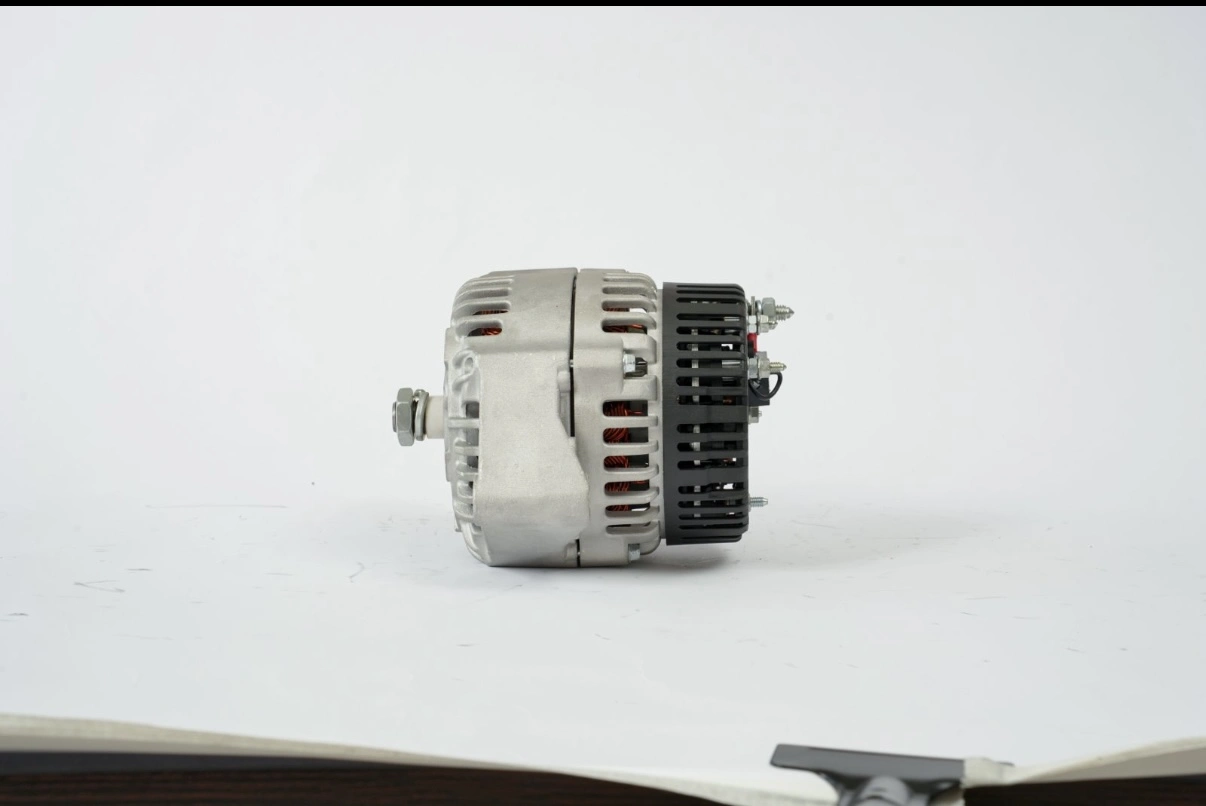
How Auto Electric Alternators Work: Key Principles and Components
The Core Conversion Process
In order to make AC power, a car generator spins its rotor inside the stator core. With the help of six diodes, a rectifier bridge, that current is changed into direct current (DC power). The electricity is then sent to the battery and all of the working loads in the car. Fuel changes these days can be done 55% to 70% of the time, depending on speed and load.
Voltage, Amperage, and System Ratings
A lot of cars have 12V systems that need 80 to 120 amps of power, and Auto electric alternators supply this power. Busses, trucks, and generator sets are examples of heavy business cars that need 24V systems with 100A to well over 150A of power. XITU makes units with 12V and 24V power. Their sealed aluminum bodies and high-conductivity copper windings keep the power-to-weight ratio high at a lot of different RPMs.
Brush vs. Brushless and Standard vs. High-Output
Electricity is sent to the motor by brush alternators via carbon brushes. That point of wear doesn't exist in brushless designs, which is helpful in places where there is a lot of dust or vibration. High-output types give cars with air conditioners, advanced driving aid systems, or lots of bright lights more amperage. If you choose the right type at the beginning, it won't break down too soon and will cost less to fix during the contract period.
Common Problems, Symptoms, and Maintenance of Auto Electric Alternators
Recognizing Failure Symptoms Early
Three early warning signs that are often present are flickering panel lights, a battery warning light, and a high-pitched whine coming from the engine bay. When a rectifier diode doesn't work right, it can make a whining sound. You can use an oscilloscope to see for sure that the DC output has AC ripple. The headlights will be dim when the unit is not in use, which means it can't handle the load.
Root Causes: What Actually Fails
When carbon brushes are worn out, they lower the current that excites the rotor. Having trouble with the voltage control can cause charging to be too much or too little. Bearing wear causes noise and, eventually, the shaft to stop moving. Water and mud getting into off-road or building cars make all three fail modes happen faster. The case of an XITU unit is completely sealed, so dust or water can't damage it.
Maintenance Practices That Extend Service Life
| Maintenance Task | Recommended Interval | Purpose |
|---|---|---|
| Belt tension check | Every 15,000 miles | Prevents slip and undercharge |
| Terminal cleaning | Every 20,000 miles | Reduces resistance and heat |
| Bearing inspection | Every 50,000 miles | Catches wear before failure |
| Full bench test | At first sign of symptoms | Confirms output curve accuracy |
A good alternator should last longer if you follow these steps. In normal driving, they should last between 150,000 and 250,000 miles.
Market Solutions and How to Choose the Right Auto Electric Alternator
OEM Brands vs. Aftermarket Alternativeshttps://www.xitu-auto.com/search?key=%20electric%20alternators&type=products
Auto electric alternators from OEMs like Bosch, Denso, and Valeo show engineers what to do. Their things meet the norms for output set by ISO 8854 and the norms for fitting set by SAE J56. Aftermarket parts are not the same at all. A trustworthy IATF 16949-certified maker can be different from a workshop that isn't qualified by 200,000 miles of service or a failure every six months. XITU alternators can also work with 0120689530, 0120689535, CA1236IR, CA1624IR, CA1667IR, 1-3128-25W, 12377N, 12610N, 1244090, 1254010, 1516503R, 0011545002, 0051544502, 0071541902, and 0081547802. With drop-in fitting, you don't have to worry about whether something will fit when you're shopping.
Procurement Considerations for B2B Buyers
It can be hard for B2B fleet owners and parts sellers to find a mid-sized alternator supplier that is IATF 16949 certified and can make a steady stream of units. It costs a lot to test new markets for big companies because they have high minimum order amounts. It's easy for small workshops to meet the MOQ, but they fail factory checks and always deliver things in different ways.XITU is in the middle. The business can handle big sales without making buyers make promises they don't need to keep. The factory is 20,000 m² and has more than 50 precise tools. Every year, it makes 500,000 pieces. Lead times are always 30 to 60 days, no matter how big or small the order is.
Total Cost of Ownership vs. Purchase Price
If the unit price is low but the rectifier or voltage control is bad, it will cost a lot more in failed warranty claims, fines for downtime, and getting customers to pay again. They always find that approved, tested units are cheaper in the long run (24 months) when they look at things like failure rate, warranty coverage, and replacement work.
Installation, Troubleshooting, and Replacement Guidelines
Preparation and Safety Steps
Take the negative battery lead off before you do any work on auto electric alternators. Check the number of pins on the output connector and make sure the replacement unit fits the OEM mounting pattern. The OEM pattern could be a horizontal or vertical bracket. They are made to fit factory brackets for the DAF 95, KASSBOHRER Setra, Scania bus series (BK112, K114, K124, L94), Mercedes-Benz O series, and MAN bus series (RH352, RH402).
Diagnosing Belt and Noise Problems
A chirping sound is made when the load is put on the belt, and the output voltage drops below 13.5V on a 12V system. The belt touches every once in a while because the tensioner gear is worn out. Check the rectifier diodes first if the voltage reading is right when the load is off but goes down when the load is on. The voltage regulator is probably broken if it changes all the way through the RPM range.
Repair vs. Replacement Decision Criteria
|
Condition Found |
Recommended Action |
|
Worn brushes only |
Replace brush set, retest |
|
Failed rectifier diode |
Full unit replacement recommended |
|
Bearing wear with noise |
Full unit replacement recommended |
|
Voltage regulator fault |
Replace regulator, retest output |
Future Trends and Innovations in Auto Electric Alternators
Smart Alternators and ECU Integration
A LIN or CAN bus lets the new generators talk to the engine control unit. They change how fast they charge based on the load on the engine, the battery's temperature, and its amount of charge. The technical information from SAE says that this cuts fuel use by 1% to 3% during standard drive cycles. Fleet managers who want to buy now should make sure that the company they buy from has units that work with LIN busses.
Lightweight Materials and Thermal Management
Composite housings and metal materials make units lighter without affecting how well they handle heat. On each side of the wheel are two fans inside the machine that help air flow and cool it down. When the temperature is low, bearings and diodes last longer. This is very important in places with a lot of use, like public busses.
Alternators in Hybrid and Start-Stop Systems
In mild hybrid systems, the alternator starts the engine and gets power back from stopping. It does this by acting as both a belt-integrated starter-generator (BISG) and a generator. When you turn on and off your car, the alternator needs to be able to start up thousands of times without the brushes or gears running out. XITU's research and development team keeps a close eye on these changes to platforms to make sure that new products stay in line with the direction of commercial vehicle architecture.
Conclusion
Auto electric alternators are the precise components that determine whether a commercial vehicle runs or not. It's important to get the right specs, buy from a reputable company, and follow a proper maintenance schedule. These three options will protect your fleet and the money you spent on it. The criteria for sourcing will change as powertrain technology moves toward smarter electrical architectures, but the need for output quality that is always checked will not change.
FAQ
1. How often should a commercial vehicle alternator be serviced?
A full bench performance test should be done every 50,000 miles or whenever there are signs of wear. More often, every 15,000 to 20,000 miles, you should check the ends of the belt and make sure they are tight.
2. What is the technical difference between an alternator and a generator?
There is alternating current (AC) coming from a generator, and there is direct current (DC). DC is made straight by a source through a commutator. These days, alternators are used instead of generators in cars because they work better at low RPM and have more power for their weight.
3. Will a high-output alternator damage my vehicle's wiring?
Yes, if the wiring isn't ready for the extra power. When you switch to a unit with more power, you need to check the battery cable gage, the main charge wire, and the ground strap. If the wires are too small, they can get hot and catch fire.
4. How do smart alternators differ from standard units?
The ECU tells smart alternators how much power to send to the battery, and the alternators change this power on the fly. On the other hand, standard units charge at a pretty steady rate, it doesn't matter how full the engine is or how good the battery is.
5. What certifications should I require from an alternator supplier?
IATF 16949 is the main standard for quality management in the process of making cars, and ISO 9001 is the main standard for quality management in general. Check to see if the approval is up-to-date and covers the exact lines that make your goods.
Partner With XITU for Your Auto Electric Alternators Supply
People who own fleets, sell parts, or own OEM brands and are looking for a reliable supplier of auto electric alternators can get in touch with XITU. XITU has been making things for 28 years, is IATF 16949 certified, and backs up every unit with a 6-month warranty. This means that they can provide OEM-level performance on a large scale. Visit xitu-auto.com or email us at arisa@xitu-auto.com to get a one-of-a-kind price and list of products.
References
1. SAE International. SAE J56: Alternator Output Testing Procedures. SAE International, 2018.
2. Bosch Automotive Handbook. Electrical Systems and Components. Robert Bosch GmbH, 10th Edition, 2018.
3. ASTM International. ASTM B117: Standard Practice for Operating Salt Spray (Fog) Apparatus. ASTM International, 2019.
4. International Organization for Standardization. ISO 8854: Road Vehicles — Alternators with Regulators — Test Methods and General Requirements. ISO, 2012.
5. International Automotive Task Force. IATF 16949:2016 — Quality Management System Requirements for Automotive Production. IATF, 2016.
6. National Highway Traffic Safety Administration (NHTSA). Fleet Electrical System Reliability and Maintenance Guidelines for Commercial Vehicles. U.S. Department of Transportation, 2020.