




Top 10 Replacement Auto Alternators for Fleet Vehicles
Fleet downtime is expensive. When a vehicle sits idle due to charging system failure, the cost extends beyond the repair itself—lost productivity, missed deliveries, and strained customer relationships add up fast. Choosing the right alternator%20&type=products">replacement auto alternator is not just about finding a functioning part; it's about securing operational continuity, budget predictability, and supply chain reliability. For procurement professionals managing diverse fleets, understanding which alternators deliver consistent performance under demanding conditions becomes a strategic priority. This guide evaluates ten leading alternator brands and products, compares their strengths against real-world fleet applications, and provides decision-making frameworks that align with your operational and financial goals. Whether you're sourcing for urban delivery fleets, construction vehicles, or passenger car rentals, this resource will help you make informed choices that minimize risk and maximize uptime.
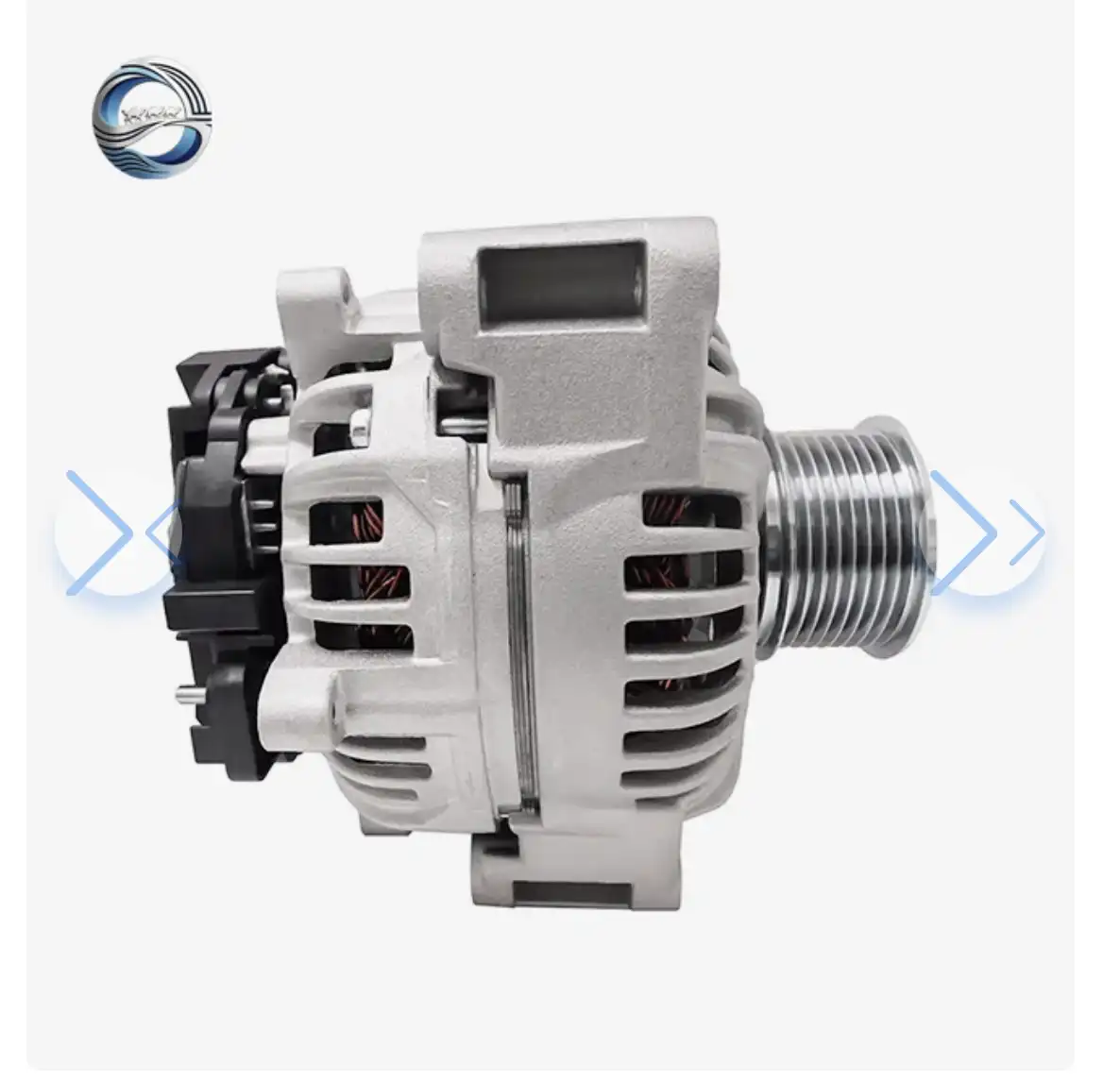
Understanding Replacement Auto Alternators for Fleet Vehicles
What Makes an Alternator Critical for Fleet Operations?
An alternator in a car is more than just a generator; it's what keeps current car electricity systems running. The alternator turns the engine's mechanical rotation into steady electrical energy. This energy powers the headlights, air conditioning, and the car's complex driver assistance systems and diagnostics. In fleet settings, where vehicles often have to deal with high-stress situations like long periods of idling, lots of stop-and-start cycles, and heavy accessory loads, the availability of vehicles is directly affected by how reliable the alternator is.
Common Failure Modes in Fleet Environments
The main reasons why alternators break down too soon are heat, pressure, and dirt and dust. Commercial vehicles that travel a lot of miles wear out bearings, diodes, and insulation faster than cars that are only used for traveling occasionally. In harsh environments, moisture and dust buildup speed up internal corrosion, and too many electrical loads can put too much stress on the voltage regulator. When buying teams know about these trends of failure, they can favor alternators with sealed housings, high-temperature insulation, and strong rectifier assemblies.
Lifecycle and Maintenance Considerations
In normal driving conditions, most alternators are made to last 100,000 miles. However, fleet-specific stress factors can make this much shorter. Regularly trying the voltage output, checking the tightness of the belt, and looking for fluid contamination are all preventative maintenance tasks that can add 30% or more to the life of an alternator. Finding the right balance between planned replacements and "run-to-failure" strategies depends on how your fleet works, how important each vehicle is, and how much it costs to own everything.
Top 10 Replacement Auto Alternators for Fleet Vehicles: Brand and Performance Comparison
Premium OEM Brands
Bosch is still a leader in the car electrical industry, known for its high-quality engineering and wide range of vehicle support. Because their alternators have improved voltage control, low noise, and long service intervals, they are perfect for mixed fleets that need the same quality for all makes of vehicles. Bosch units often have built-in communication protocols that work with CAN bus systems. This makes sure that they can be easily connected to modern car electronics.
Denso alternators are recognized for their compact design and high efficiency in many Asian vehicle platforms. Because the brand focuses on thermal control and low-friction bearings, their products work better in hot regions and heavy-duty situations. Denso's manufacturing spread around the world also makes sure that foreign fleet managers can always get what they need.
Valeo specializes in making high-output replacement auto alternator that work well with business cars that need a lot of power. A lot of their products have intelligent charging technology that changes the output based on the condition of the battery. This makes the most of both fuel efficiency and battery life. Valeo is a good choice for teams that work in many areas because they have a large service support network.
High-Performance Aftermarket Options
AC Delco is General Motors' favorite aftermarket name, offering quality that is the same as OEM parts at lower prices. Their alternators go through a lot of testing to make sure they work right, such as endurance runs that mimic harsh working conditions. A lot of AC Delco products come with full warranties, which lowers the total cost of ownership for fleet managers who are watching their budgets.
Remy focuses on remanufactured units that meet strict quality standards and help the company reach its goals for environmental sustainability. After being completely taken apart, cleaned, and tested, each Remy alternator has all of its worn parts changed with OEM-specified parts. Their process for remanufacturing makes units as reliable as new ones at about 60–70% of the cost, which makes them a good choice for fleet applications that aren't very important.
Specialized Manufacturing Excellence
XITU alternators are a great deal because they combine OEM-grade manufacturing standards with the ability to be customized in many ways. XITU units are made in a 20,000-square-meter factory that is IATF 16949-certified. They are fully tested on a bench across all RPM ranges, which guarantees voltage control accuracy within ±0.2V. The line of products has high-purity copper windings, Class H thermal protection that can handle temperatures up to 125°C, and sealed bearings that are made to last longer in tough situations.
XITU works with well-known European car platforms, like the Audi A2, A3, S3, TT, and the Volkswagen Beetle, Bora, Caddy, Fox, and Golf IV. It meets specific market needs with direct-fit solutions that match Bosch OEM numbers 0124325003, 0124325043, CA1378IR, 13852N, 0289030253, and 0289030254. There are no changes that need to be made to the wire harness or the brackets during installation. This cuts down on work costs and mistakes. With the ability to make more than 500,000 units per year and a lot of quality control steps, like salt spray corrosion tests and thermal shock cycles, XITU shows that its manufacturing is mature, which helps the supply chain work as expected.
XITU is a great option for procurement professionals who want to find alternatives to traditional OEM channels without lowering reliability standards. It has competitive prices, quality certifications that can be shown, and a history of successful international distribution.
Additional Proven Brands
Hitachi designs alternators with the precision of Japanese engineering, focusing on making them last a long time and making very little electrical noise. When clean power output is needed for sensitive electrical systems, their goods work great. TYC gives low-cost options for operations with limited funds, but procurement teams should carefully look over quality paperwork. DB Electrical focuses on applications that are hard to find and older car systems, meeting important niche needs. BBB Industries runs a large-scale remanufacturing business with full core return programs. They back efforts to create a circle economy and keep quality high by using ISO-certified methods.
How to Choose the Right Replacement Auto Alternator for Your Fleet: A Decision Support Framework
Vehicle Segmentation Analysis
Different types of rental vehicles need replacement auto alternator with different features. Urban delivery vans that have to stop and start a lot need alternators with strong low-RPM output to keep the battery charged during long periods of idling. When construction equipment is used in dirty or wet places, it needs housings that are protected and have an IP rating. Rental fleets of passenger cars need to be able to plug and play so that installation is as simple as possible across a wide range of makes and models. By comparing the make-up of your fleet to these operating profiles, you can make smart choices about what to buy.
Performance Specifications That Matter
The amperage limit should be the same as or higher than what the OEM specifies, taking into account any aftermarket electrical devices that add to the load. Stable voltage control keeps batteries from overcharging, which shortens their life, and undercharging, which makes them fail to start. Specifications for thermal performance, especially insulation class and constant duty grades, have a direct effect on how long something lasts in high-temperature settings. Instead of depending on general "OEM equivalent" claims, procurement specifications should clearly spell out these factors.
Total Cost of Ownership Calculations
The price of the alternator is only one part of its total cost. The length and scope of the warranty protect against early failures, and longer warranty periods usually mean that the manufacturer is confident in the product's durability. Installation labor costs vary a lot depending on how complicated the mount is and how well it works with the socket. Direct-fit replacements save technicians time and prevent wiring mistakes. Because supplier lead times affect the cost of keeping inventory and the risk of having to buy something quickly, reliable delivery performance is a value driver that can be measured. Figuring out the real economic effects of generator choices can be seen by dividing the total cost of ownership by the expected service life.
Supplier Evaluation Criteria
A supplier's skills are just as important as the product specifications when it comes to successful procurement. Certifications from IATF 16949 or ISO 9001 are concrete proof of quality management and process control systems in industry. How well you can scale sales or handle sudden increases in demand depends on how much material you have and how much production capacity you have. Having access to technical support helps solve startup problems and questions about compatibility, which cuts down on downtime. Logistics partnerships and geographic distribution networks affect how reliable deliveries are and how much freight costs. By comparing these seller characteristics with the product requirements, a full evaluation framework is made.
Procurement Strategies for Replacement Auto Alternators: From Sourcing to Delivery
Channel Selection and Market Navigation
Direct ties with manufacturers offer the best prices for huge orders, but they usually require bigger commitments and longer wait times. Although they charge more, authorized distributors give you equal access to more than one brand and let you choose your own order quantities. Online industrial marketplaces let you compare a lot of suppliers, but you have to be very careful to check the credentials of sellers and make sure products are real. In a diversified procurement method, each outlet meets a different set of strategy goals.
Negotiation Tactics for Volume Purchases
Discounts for buying in bulk usually start at 50 to 100 units and get bigger as the quantity goes up. Blanket purchase deals with planned releases help you get better prices and keep track of your inventory costs. In exchange for a promise to buy a certain amount, consignment agreements shift the costs of keeping inventory on hand to the suppliers. Multi-year contracts with terms that adjust for inflation keep budgets stable and make sure there is enough supply. To negotiate well, you need to use competitive bidding and build strategic relationships with suppliers you want to work with.
Value-Added Services Worth Pursuing
Longer guarantee periods than usual lower unexpected replacement costs, which is especially helpful for fleet cars that are used a lot. Technical training for support staff improves the quality of diagnosis and installation, which lowers the number of calls that need to be fixed. Advance replacement programs cut down on downtime by sending out replacement auto alternator units before the core units are sent back. This is important for fleet operations that need to be done quickly. Customized packaging and labeling make it easier for busy maintenance shops to find the right parts. The higher prices for these services are fair because they provide real practical benefits.
Troubleshooting and Maintenance Tips to Extend Alternator Life in Fleet Vehicles
Diagnostic Procedures for Rapid Problem Identification
Tests of the voltage output at both idle and high RPM quickly show when voltage controllers aren't working right or when charge capacity is low. When all of the devices are turned on, the battery voltage should stay between 13.8V and 14.4V. Readings below this range mean that the generator is wearing out. Using an oscilloscope to measure ripple voltage can find diodes that are failing in the rectifier assembly before they fail completely. Visual checks for dirty fluid, worn belts, and loose mountings find problems early on, before they lead to breakdowns on the side of the road.
Preventive Maintenance Protocols
Checking the tightness of the belt every 15,000 miles keeps it from slipping, which lowers the charging power and speeds up the wear on the bearings. Cleaning electrical connections gets rid of rust that raises resistance and makes charging less effective. Vibration damage to internal parts can be avoided by checking the strength of mounting bolts. When added to regular service intervals, these simple maintenance tasks make alternators last a lot longer across fleet operations.
Repair Versus Replace Economics
Alternators that have been used before may cost 40–60% less than new ones, but they may come with shorter guarantees and a slightly higher failure rate. When work costs are higher than the core value, it makes sense to change the whole thing instead of just fixing the problems that can be fixed. The choice is based on how important the vehicle is—high-priority vehicles need new units with the highest level of reliability, while non-critical vehicles may be able to handle remanufactured options. Instead of general rules, failure data specific to each fleet should be used to make these decisions.
Conclusion
When choosing alternators for your fleet, you need to think about the technical specs, the trustworthiness of the provider, and the total cost of ownership. The ten brands we looked at here are tried-and-true options for a range of price points and business needs. Each type of unit serves a different strategy need, from high-end OEM units that are very reliable to affordable remanufactured choices that help with sustainability goals. The key is to make sure that the replacement auto alternator's features match the way your fleet works, to build relationships with suppliers based on clear quality standards, and to use upkeep methods that make parts last longer. Your choices about what to buy affect how your whole fleet works every day. Making smart choices gives you a long-term competitive edge by increasing uptime and keeping costs low.
FAQ
How often should fleet alternators be inspected?
Every 30,000 miles or once a year, whichever comes first, alternators should be checked for power output. During routine maintenance, the belt should be looked at visually to check for wear, mounting security, and contamination. More frequent inspections may be good for heavy-duty cars that are used in harsh circumstances. Finding signs of declining performance early on stops failures that happen out of the blue and cost a lot of money in downtime.
What warranty terms should I expect for commercial applications?
Good replacement auto alternators usually come with 6- to 12-month guarantees that cover problems with the way they were made. Premium names may stretch this to 24 months, which shows that they are sure the parts will last. Some consumer-grade warranties don't cover business use, so commercial fleet users should make sure that the warranty terms cover the higher job cycles and mileage accumulation that are common in fleet operations.
Are remanufactured alternators reliable for demanding fleet use?
When all of the worn parts are changed according to OEM standards, properly remanufactured alternators from approved facilities have the same level of dependability as new units. Reputable remanufacturers, such as Remy and BBB Industries, keep records of how they remanufacture and test products for quality. But procurement teams should make sure that remanufactured units come from ISO-certified facilities and come with full warranties to make sure that quality standards are always met.
Partner With XITU for Your Fleet Alternator Requirements
As a reliable provider of replacement auto alternators that has been making high-quality products for 28 years, XITU offers OEM-grade charging solutions that are backed by IATF 16949 certification and full quality validation. Our 20,000 m² production plant has stable lead times of 30 to 60 days and can accommodate variable ODM/OEM customization to meet the needs of regional markets. To make sure they work well in challenging fleet uses, each alternator goes through a lot of tests, such as full-load bench validation, salt spray corrosion protection, and thermal shock cycling. We work with logistics companies that are known all over the world to send safe, trackable packages all over the world. Our services are backed by a six-month guarantee and quick technical help. If you are a procurement professional looking for reliable supply chain performance, high-quality parts, and competitive pricing on large orders, please email our team at arisa@xitu-auto.com to talk about your fleet needs and get custom solutions that keep your vehicles running smoothly.
References
1. Automotive Electrical Systems Engineering Handbook, Society of Automotive Engineers, 2021.
2. Fleet Maintenance Best Practices for Commercial Vehicles, National Private Truck Council, 2022.
3. Alternator Performance Testing Standards and Validation Protocols, International Standards Organization Technical Committee 22, 2020.
4. Total Cost of Ownership Analysis for Fleet Vehicle Components, Fleet Management Association, 2023.
5. Remanufacturing Quality Standards in the Automotive Aftermarket Industry, Automotive Parts Remanufacturers Association, 2022.
6. Comparative Reliability Study of OEM versus Aftermarket Automotive Electrical Components, Journal of Automotive Engineering and Technology, Volume 45, 2023.