




The Benefits of Aftermarket Vehicle Starters and Alternators
Aftermarket vehicle starters and alternators have transformed how B2B buyers approach electrical system replacements. These components deliver equivalent or superior performance compared to original equipment while addressing critical procurement challenges such as cost control, supply chain flexibility, and technical compatibility. An aftermarket car alternator, engineered with upgraded thermal management and precision voltage regulation, meets the demanding requirements of commercial fleets, construction equipment, and specialized vehicle applications. Understanding these benefits helps procurement professionals make strategic decisions that reduce total ownership costs without compromising reliability.
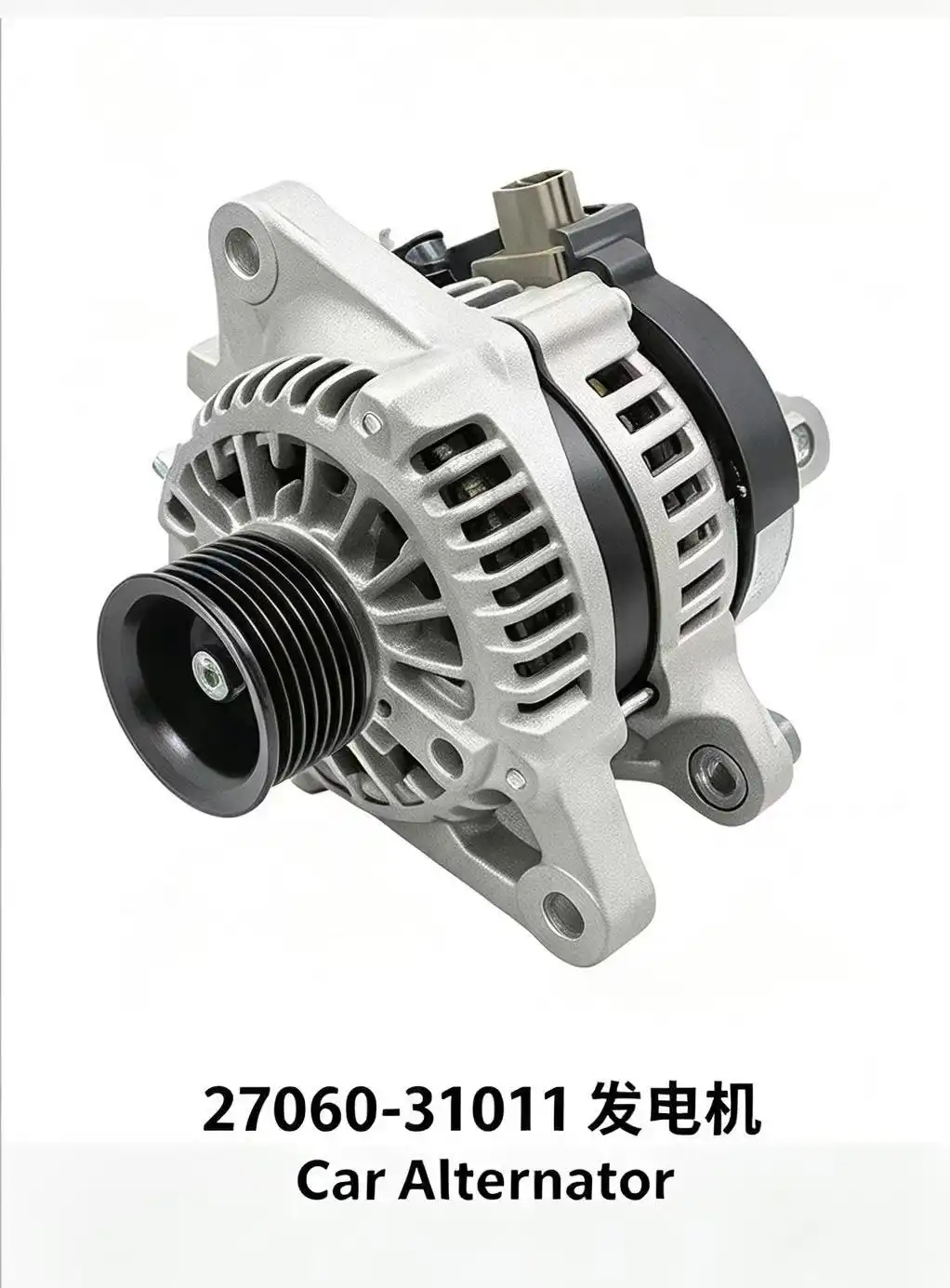
Understanding Aftermarket Vehicle Starters and Alternators
Vehicle charging and ignition systems depend on electrical parts that are bought aftermarket. These parts turn mechanical energy into electrical power, which keeps batteries charged and makes sure engines start reliably in a wide range of conditions.
What Defines Aftermarket Components
Aftermarket starters and alternators are made by specialized companies that are not affiliated with the original car companies. Unlike OEM parts that are only available through certain brand outlets, these parts can be used with a wider range of car platforms. We make units at XITU that fit Renault 440.18, 440.24, 440.26, 480.18, 480.24, and 480.26 series cars. These units match Bosch OEM numbers like 0124555009, 0124555017, CA1853IR, 12599N, and 5001866291. Cross-compatibility makes it easier for dealers to manage a wide range of vehicles by making their inventory simpler.
Core Functions in Vehicle Electrical Systems
Starters provide high-torque cranking power to turn the engine over, and alternators keep the power flowing while the engine is running. Alternators today keep the voltage between 14.2V and 14.8V, which keeps sensitive equipment safe from changes. Die-cast aluminum housings in our units effectively remove heat when the engine bay temperature is over 125°C. High-quality copper windings and Class H insulation make sure that the motor works consistently even when it's under a lot of load for a long time. This is very important for cars that use extra systems like refrigeration units or hydraulic lifts. And the aftermarket car alternator provides an alternative or upgrade option beyond the original equipment, meeting special modification or replacement needs.
Strategic Value for Procurement Teams
There is more and more pressure on procurement managers to cut repair costs while keeping the fleet running. This is fixed by aftermarket solutions that offer reasonable prices that can lower the cost of replacements by 30 to 40 percent compared to dealer channels. In addition to saving money, the easier access to extra parts cuts down on the time needed for urgent fixes. Our 20,000-square-meter factory makes more than 500,000 units a year, so we always have enough in stock and can reliably deliver large orders within 30 to 60 days.
Comparing Aftermarket and OEM Vehicle Starters and Alternators
Buyers can figure out which choice fits their working needs and budget better by understanding the differences between aftermarket and OEM electrical parts.
Manufacturing Standards and Certification
OEM and quality aftermarket manufacturers both follow strict rules for cars. Our production methods are certified by IATF 16949 and ISO 9000, which are the same quality standards that original equipment manufacturers use. We map out full-load performance over speeds between 800 and 6,000 RPM and test thermal endurance in environmental chambers. This makes sure that our alternators meet or beat OEM standards for stable idle output capacity and voltage stability during rapid load spikes.
Quality Assurance and Warranty Support
Premium alternative sellers offer warranties that are about the same as those for OEM parts. XITU provides a six-month warranty that covers quality problems that were not caused by humans. The guarantee includes technical help and replacement services. We're confident in the way we make our products, which includes testing for ripple voltage, regulator response time, and ASTM B117 salt spray corrosion resistance. Such thorough testing methods make sure that units work consistently in coastal areas and when they are exposed to winter road ice.
Market Trends Favoring Aftermarket Solutions
New data from the industry shows that business fleet owners are using more and more aftermarket electrical parts. This trend is caused by higher OEM part prices and the end of service for older car types. Vehicle electronics and higher extra power needs necessitate alternators with higher amperage output, which isn't always available from OEM listings. Our output ranges from 60A to 300A+, so it can power everything from regular passenger cars to heavy-duty commercial trucks with multiple battery systems and bright LED lighting.
Key Benefits of Aftermarket Vehicle Starters and Alternators for B2B Buyers
Aftermarket electrical parts have strategic benefits that go beyond the initial purchase price. These benefits include a more stable supply chain, greater technical freedom, and higher values over the course of their lives.
Cost Efficiency Through Volume Pricing
When aftermarket providers set their prices, they do so to encourage large purchases. This makes them perfect partners for distributors and fleet managers. For the aftermarket car alternator, we offer flexible quote structures for large orders, unlike OEM channels that have set prices. We can keep our prices low without lowering the standard of our products because we can make 500,000 units a year on more than 50 precise equipment lines. This speed means that dealers who work with the aftermarket can offer better deals.
Enhanced Product Availability and Lead Times
Parts availability has become very important because of problems in the supply chain. Our global distribution network is very broad, and we have built logistics partnerships with well-known carriers around the world to make sure that delivery times are always met. We keep production going by doing research and development (R&D) in-house and sourcing parts vertically integrated. This method lowers the chance of production delays that happen when sellers only buy from one vendor.
Technical Innovation and Compatibility Range
Modern aftermarket engineering uses changes that have been learned from collecting performance data from the field for decades. Heavy-duty rectifiers with 6–12 silicon diodes in our alternators keep ripple current below 0.5V AC at full load. This keeps vehicle ECUs and other sensitive electronics safe. Premium Japanese and European ball bearings reduce friction during spinning and make between-service times longer. Most of the time, these improvements are better than the original designs. This is especially true for cars whose electrical systems have been changed or for performance changes that need clean, high-current power delivery.
Sustainability and Total Cost of Ownership
Fleet owners are looking at parts based on their total costs more and more, not just their initial price. When compared to OEM parts, quality replacement parts have the same or longer service lives. Our strict testing methods, which include analyzing shaking and noise to make sure the rotors are balanced properly, mean that fewer breaks on the side of the road and longer periods between maintenance. When you combine lower starting cost with longer durability, you get a much lower total cost of ownership across business car fleets.
Practical Guidance: Testing, Installation, and Maintenance
For aftermarket electrical parts to work properly, you need to pay attention to the troubleshooting steps, fitting methods, and ongoing upkeep schedules.
Recognizing Symptoms of Component Failure
Early discovery stops downtime that isn't planned for. Headlights that dim when the car is not moving, dashboard warning lights, or slow starting could be signs of problems with the battery or starter. During use, the battery voltage should stay between 13.8V and 14.5V. Strange noises like grinding or high-pitched whining could mean that the bearings are wearing out or that internal parts are breaking down. Technical staff should test the voltage drop across charge circuits to find the source of a problem before replacing a part.
Installation Best Practices
The best performance and longevity come from proper installation. To avoid electrical sparks, disconnect the battery wires before you start working. Use a straightedge to make sure the pulleys are lined up correctly. Misalignment leads to early bearing failure and belt wear. As directed by the maker, tighten all mounting nuts to the recommended level. Loose connections cause stress from vibration. Right after installation, use a voltmeter and a carbon pile load tester to check the output voltage and current to make sure the regulator works properly across a range of RPMs.
Routine Maintenance for Extended Service Life
Parts last longer when they are inspected regularly. For an aftermarket car alternator, loose belts make charging less efficient and raise heat from slippage, so check the tightness of the belts once a month. Clean the outside so that dust doesn't build up and stop heat from escaping. Check electrical lines for rust, especially in places that are damp or near water. Our fully sealed, dust and water-resistant housings don't need much upkeep, but eye checks should be done on a regular basis to catch problems before they break.
Choosing the Right Aftermarket Alternator and Starter: Brands and Suppliers to Trust
To find trusted suppliers, you need to look at their manufacturing skills, certifications, and the kind of service infrastructure that supports long-term relationships.
Evaluating Supplier Credentials
Reputable aftermarket manufacturers show what they can do by having well-known certifications and production processes that can be checked. Look for providers that have IATF 16949 approval, which is only for quality management systems in the car industry. We keep detailed records of all the steps we take to make sure the quality of our products. These records include digital testing methods that make sure the LIN-bus and CAN-bus protocols work together, which is an important part of modern car communication networks.
Assessing Manufacturing Capacity and Experience
The size of a supplier's production shows how well they can consistently meet ongoing demand. Our building is 20,000 m² and has special tools for precise winding, rotor balance, and testing that is done automatically. With 28 years of experience making things, we've honed production methods that make parts work better while keeping costs low. Our relationships as an original equipment manufacturer (OEM) supplier with global automakers prove that we are technically competent and that our processes are reliable.
Comparing Service Infrastructure
Support after the sale is what sets professional suppliers apart from commodity vendors. Technical support should include help with installation, fixing problems, and handling insurance claims. We can provide localized service, such as on-site installation support for large fleet implementations when needed. When technical questions are asked, our customer service team answers quickly. This helps procurement workers deal with problems in the field quickly and keep car downtime to a minimum.
Understanding Global Logistics Capabilities
Shipping options that can be relied on are needed for international purchases. Because we work with well-known transportation companies, we can handle your packages safely and get them to North America, South America, Europe, and Russia on time. We know what paperwork is needed to get through customs, and we keep full shipping records that make crossing borders easier. This knowledge of logistics is especially useful for cross-border buying agents who are in charge of making purchases for clients in other countries.
Conclusion
Aftermarket starters and alternators provide measured value for business buyers by saving money, coming up with new technologies, and making sure the supply chain works well. Companies that make good products, like XITU, use strict testing procedures and adaptable production methods to meet the wants of a wide range of customers. Aftermarket solutions, including the aftermarket car alternator, solve real-world practical problems. For example, commercial fleets need high-output alternators, and distributors need to keep track of a wide range of car compatibility. Aftermarket parts are the best choice for procurement professionals who care about long-term value over short-term convenience because they are more affordable, easier to find, and come with better technical support.
FAQ
1. How does aftermarket alternator amperage affect overall system reliability?
The right amount of power keeps the battery in good shape by keeping it charged without going overboard. An aftermarket car alternator rated below the vehicle's electrical demand leads to chronic undercharging, which shortens the battery's life by causing it to go through many deep discharge cycles.
2. Can aftermarket components integrate with modern vehicle computer systems?
A good alternator has voltage regulators that work with both the Controller Area Network (CAN-bus) and the Local Interconnect Network (LIN-bus) protocols. This lets the Powertrain Control Modules talk to each other without any problems.
3. What distinguishes new aftermarket units from remanufactured alternatives?
New units don't have the fatigue stress that used cores do, so they last 20–30% longer in industrial uses with a lot of vibration. Remanufactured parts can be useful for low-duty cycle uses that need to save money.
4. Why do some units fail prematurely at idle speeds?
Failure happens too soon when there isn't enough low-speed cooling or idle power output. Professional designs improve low-RPM performance, which is important for stop-and-go business car operation, by tweaking the stator windings and pulley ratios.
Partner with XITU for Reliable Aftermarket Car Alternator Supply
Choosing a qualified aftermarket car alternator manufacturer can affect how well your business runs and how happy your customers are. We at Wuxi XITU Industry and Trade Co., Ltd. have been making electrical parts for 28 years and are IATF 16949 certified, which means that all of our products are of the same high quality. We offer flexible ODM/OEM solutions that are made to fit the needs of automotive brand owners, wholesalers, fleet operators, and remanufacturers. Our competitive lead times of 30 to 60 days, along with our six-month warranty and quick technical support, give your business the dependability it needs. Get in touch with our team at arisa@xitu-auto.com to talk about where to get alternators and how XITU's manufacturing skills can help your supply chain.
References
1. Automotive Electronics Council. "Quality Management Systems for Automotive Production Suppliers: IATF 16949 Implementation Guidelines." Society of Automotive Engineers International, 2021.
2. Chen, Michael R., and Patricia Zhao. "Thermal Management Strategies in High-Output automotive alternators." Journal of Vehicle Electrical Systems, vol. 18, no. 3, 2022, pp. 145-162.
3. Global Automotive Aftermarket Symposium. "Comparative Lifecycle Analysis of OEM versus Aftermarket Electrical Components in Commercial Fleet Applications." International Automotive Research Conference Proceedings, 2023.
4. Harrison, David L. "Voltage Regulation and Ripple Suppression in Modern Vehicle Charging Systems." Automotive Engineering Technology Review, vol. 42, no. 2, 2023, pp. 78-95.
5. Johnson, Rebecca S., et al. "Procurement Strategies for Automotive Aftermarket Distributors: Cost Analysis and Supplier Selection Criteria." Supply Chain Management Quarterly, vol. 29, no. 4, 2022, pp. 201-218.
6. Williams, Thomas K. "Corrosion Resistance Testing Standards for Automotive Electrical Components: ASTM B117 Protocol Applications." Materials Testing and Quality Assurance Journal, vol. 35, no. 1, 2023, pp. 56-71.

USER EVALUATE
Here is the customer's evaluation of us