




12V 90A Alternator for Hyundai: Key Uses and Applications
The 12V 90A alternator for Hyundai represents a critical component in the electrical architecture of modern compact and mid-size vehicles. Engineered to convert mechanical energy from the engine into stable electrical current, this device powers everything from electronic control units to infotainment systems while maintaining optimal battery charge. Designed specifically for Hyundai and Kia models—including the Solaris, Accent, i20, i30, and Veloster—this alternator addresses persistent industry challenges like voltage inconsistency under load and premature battery degradation. Its 90-ampere output ensures that even vehicles equipped with advanced sensor arrays and climate control systems receive reliable power delivery throughout varied driving conditions.
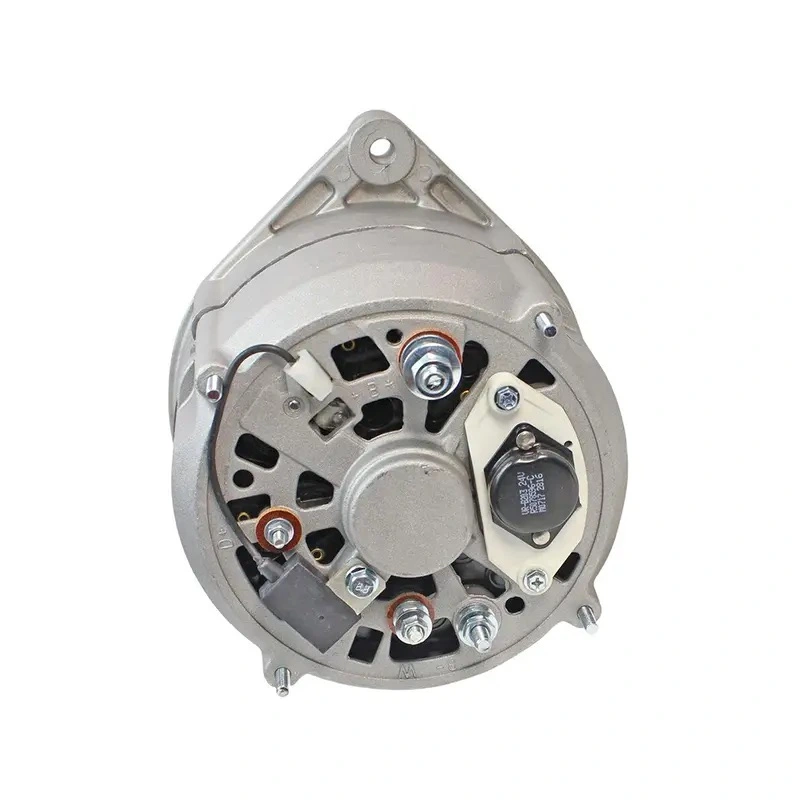
Understanding the 12V 90A Alternator in Hyundai Vehicles
What Defines a High-Performance Automotive Alternator
This part's main job is to generate electromagnetic fields that work best in automotive settings. The rotating force from the engine's flywheel is turned into alternating current by the unit. Integrated diodes then change the alternating current to direct current. The standard charging voltage is between 14.2V and 14.8V, which makes sure that the batteries stay fully charged and don't get too charged. The 90A rating shows the highest current that can be sustained at cruising engine speeds, which are usually around 2,000 RPM or higher. This ability is very important for cars that use a lot of electricity, like ones with heated seats, navigation systems, and advanced driver-assistance features.
Technical Specifications That Matter to Procurement Teams
When looking atproducts"> 12V 90A Alternator for Hyundai specs, there are a number of factors that directly affect how reliable and compatible they are. The unit has a 6PK serpentine belt pulley design that works with current Hyundai engines that have multiple secondary drive systems. For heat management, the housing is made of a lightweight aluminum metal, and high-conductivity copper is used in the internal windings to keep resistance losses to a minimum. The built-in solid-state voltage regulator keeps the output constant even when the engine speed changes. This stops voltage changes that can damage sensitive electrical parts. These alternators are made in accordance with IATF 16949 standards, which means they are accurate in terms of size and consistency of material, which is very important in high-volume production settings.
Compatibility Across Hyundai and Kia Engine Families
It works with a lot of different engine models, like the G4FA, G4FC, G4FD, G4FG, and G4FJ lines, which power cars ranging from the small i20 to the sporty Veloster. The unit directly replaces OEM part numbers 373002B300, 373002B350, and 373002B500. It can also be used in place of aftermarket parts like DELCO REMY DRA0975 and Valeo 2616741. This broad cross-reference feature makes it easier for distributors who serve a wide range of customers to keep track of their inventory. Mechanical mounting configurations can be set up in both horizontal and vertical positions, and standard bolt connections make installation easy on a variety of chassis types.
Common Problems and Maintenance Indicators for Hyundai 12V 90A Alternators
Recognizing Early Warning Signs of Alternator Decline
Operators should keep an eye on a number of signs that show the performance of the 12V 90A Alternator for Hyundai is getting worse. When output voltage goes below 13.5V or rises above 15V, dashboard warning lights connected to battery charging systems usually turn on. If the headlights or interior lights dim or flicker when the engine is not running, it means that the alternator is not supplying enough current at low engine speeds. Noises that don't make sense, like high-pitched whines or grinding sounds, are often a sign of worn bearings or a mismatch inside the rotor. If you notice these signs, you should get a diagnosis right away to avoid a total failure that could leave cars stuck or damage sensitive electronics through voltage spikes.
Troubleshooting Common Technical Failures
Voltage problems are often caused by carbon brushes that are worn out or diode bridges that are failing in the rectifier circuit. If the belt slips because of uneven tension or glazed pulley surfaces, the mechanical connection is less effective, and the 12V 90A Alternator for Hyundai can't produce as much power as it should. Environmental factors also play a big part. Corrosion on electrical connections raises resistance, and too much heat speeds up the breakdown of insulation in stator windings. As part of regular inspections, the voltage output should be tested across the full RPM range, the belt tension should be checked (usually 4-6 mm deflection under 10 kg force), and the terminals should be cleaned. Under normal working conditions, well-maintained units often go over 100,000 miles.
Lifecycle Expectations and Replacement Planning
Under normal car service conditions, like driving in both cities and on the highway, these alternators should last between 8 and 12 years. Due to thermal stress, this time frame may be cut to 5 to 7 years for commercial uses that involve long periods of idling or a lot of short-trip cycles. Fleet managers can avoid unexpected breakdowns by using proactive replacement plans based on standards for age and miles. Remanufacturers who want to use high-quality core units like the 12V 90A Alternator for Hyundai because they are well-built and have standard component connections that make the repair process go more smoothly.
Procurement and Installation: What B2B Clients Need to Know
Distinguishing OEM Quality from Aftermarket Alternatives
Original equipment maker specs make sure that the dimensions and materials are exactly the same as those used when the parts were installed in the factory. When units are made to these specs, they go through a lot of tests to make sure they are correct. These tests include resistance to salt spray rusting according to ASTM B117 standards and high-temperature endurance trials that simulate running nonstop for 1,000 hours or more. Aftermarket products come in a wide range of quality levels. High-end products made by authorized makers offer comparable performance at reasonable prices, while low-cost choices may skimp on bearing quality or use lower-grade copper alloys. As a starting point for quality, buyers should check for IATF 16949 or ISO 9001 certifications.
Installation Best Practices for Optimal Performance
To do a job right, you must first clean all of the mounting surfaces and electrical lines very well. Mounting bolts need between 25 and 35 Nm of torque, while electrical connections need between 8 and 12 Nm to keep them from coming loose when they are vibrated. Adjusting the belt tension is very important; too much tension speeds up bearing wear, while too little tension causes sliding and early belt degradation. Testing for electrical continuity before the final link makes sure that the grounding is correct, which is necessary for the regulator to work. A lot of installation problems are caused by little things that were missed, like ground straps that are corroded or battery terminals that are dirty and make it hard to regulate the voltage.
Navigating Bulk Purchasing and Logistics Considerations
Standardized wrapping protects units during international shipping and makes the best use of container space for buyers who buy in bulk. Production orders usually have lead times of 30 to 60 days from the time they are confirmed. This gives manufacturers time to keep quality control up during the assembly process. International shipping relationships with well-known freight companies make sure that deliveries happen on time and that fragile electronic parts are handled correctly. There are often tiered discounts based on the number of orders, and technical help and guarantee management are also taken into account, which add value above and beyond the unit cost.
Comparing Hyundai 12V 90A Alternators: Making the Right Choice
OEM Versus Aftermarket Performance Analysis
When put through standard testing procedures, certified aftermarket alternators from experienced manufacturers often perform as well as or better than OEM units. Measurements of ripple voltage, which show how clean the DC output is, usually fall between 50 and 150mV for good units. This keeps electronic control modules from being affected. Another important factor is the stability of output current under thermal load. High-quality 12V 90A Alternators for Hyundai keep 85–90% of their rated capacity even when the internal temperature reaches 95°C, but lower-quality products may drop below 70% in the same conditions. Long-term dependability data from fleet owners regularly shows that aftermarket units that are properly made have the same service life as OEM parts but cost a lot less to buy.
Capacity Considerations: 90A Versus Higher-Output Models
The 90A rating is good for cars with low electrical loads because it balances enough capacity with small size and efficiency. Upgrading to 120A might be helpful for cars with extra lights, power inverters, or aftermarket music systems. However, mounting compatibility and belt drive capacity need to be checked first. Older 70A units with lower outputs can't handle current electrical systems properly, so the batteries are constantly undercharged and last less long. To make sure the 12V 90A Alternator for Hyundai can handle 20 to 30 percent more power than it needs, engineering teams should figure out the total electrical load. This includes both continuous loads from safety systems and irregular loads from climate control.
Real-World Feedback from Distribution Networks
Wholesalers who work with the aftermarket in North America say there is a high demand for quality-certified units that are both affordable and come with good guarantee coverage. Professional techs stress how important it is to have full accessory kits with all the tools you need and clear instructions on how to install it. Popular choices among customers are units with at least a six-month warranty and quick access to technical support. Distributors say that goods from companies that have official ties with OEMs are priced higher because of what they see as higher quality and engineering know-how.
Maximizing the Value of Your Hyundai 12V 90A Alternator Investment
Proactive Maintenance Strategies That Extend Service Life
At regular intervals, the condition of the belt should be checked for cracks, glazing, or fraying that mean it needs to be replaced. Checking the integrity of electrical connections on a regular basis is important. Corroded terminals should be cleaned with the right contact cleaners, and connections should be sealed with dielectric grease to keep moisture out. During regular service visits, testing the voltage output and tracking both no-load and full-load performance finds signs of wear and tear before the whole 12V 90A Alternator for Hyundai fails. Environmental adaptation is especially important for vehicles that work in harsh climates. For example, units that serve hot deserts need better airflow routing, and units that work in cold climates need to make sure that the electrical connections are properly sealed against moisture.
Cost-Effective Troubleshooting Techniques
Systematic troubleshooting methods cut down on downtime and the need to repair parts that aren't needed. If you test the voltage at the battery connections while the engine is running, you can quickly tell the difference between a broken alternator and a bad battery. Testing for voltage drop across wire runs finds links with high resistance that may look like problems with the 12V 90A Alternator for Hyundai. Using inductive clamp meters to test the current output makes sure that the real amperage production matches the rated specs. When done in a methodical way, these diagnostic procedures help maintenance teams find the real problems so they don't have to replace working parts that don't need to be replaced.
Emerging Technologies in Automotive Charging Systems
Variable-output regulators are new additions to 12V 90A Alternators for Hyundai that lower the mechanical load when speeding up. This saves fuel without lowering charging capacity. Advanced thermal management systems increase the temperature ranges that can be used. This is especially helpful for turbocharged engines that get hot under the hood. When engine control modules are connected to car information networks, they can adjust the power of the alternator based on the state of the battery and predictions of the electrical load. These technologies are mostly found in high-end cars right now, but within three to five years, they will start to show up in more commonplace uses as well, which will change the requirements for buying them.
Conclusion
The market for car alternators needs parts that match dependability in performance with supply chain efficiency. Quality-certified 90-ampere units made for Hyundai uses offer distributors and fleet operators tried-and-true solutions backed by strict testing procedures and a lot of information on how they work with other products, including the 12V 90A Alternator for Hyundai. Instead of just unit cost, selection factors should focus on factory certifications, warranty coverage, and the technical skills of the provider. When you put things correctly and keep up with upkeep, you get the most out of your investment because the things last longer and break down less often. As electrical systems get more complicated across all types of vehicles, working with experienced makers becomes more important to stay ahead of the competition in tough markets.
FAQ
1. Can a 90A alternator safely replace a factory 70A unit?
Making the switch to a higher wattage works just fine as long as the voltage stays the same at 12V. The bigger volume gives you more room for electrical devices without changing the voltage of the charging system, which keeps all the electronics on board safe. Installation doesn't need any changes from how replacements are usually done.
2. How can I verify compatibility for my specific Hyundai model year?
Check to see if the OEM part number marked on the old alternator is compatible with those on maker compatibility charts. Pay close attention to the pulley setup and the direction of the mounting plate, as these physical traits change from one engine family to the next. Verification of the engine code (G4FA, G4FC, etc.) adds more proof.
3. What causes bearing noise in automotive alternators?
Most of the time, bearing degradation is caused by too much belt tension, dirt from the road, or not enough lubrication because a seal has failed. Regular checks of the alignment and tension of the belts keep the bearings from wearing out too quickly. Increasing noise means that the part needs to be replaced right away to avoid total failure.
4. Does the unit deliver full 90A output at idle speed?
As the rotor slows down, output usually drops to 40–50% of its stated capacity when the machine is not in use. Design optimization focuses on providing the most current at cruising RPM while keeping enough output during low-speed operation to keep the battery from dying during long periods of idle.
Partner with XITU for Reliable Hyundai Alternator Solutions
With 28 years of experience making high-quality products and IATF 16949 certification, XITU is the only company you can trust to supply you with alternators for the most demanding markets around the world. Our in-house engineering team is always improving product designs to make them perform better than OEM standards. At the same time, our flexible ODM capabilities allow us to meet the needs of distributors and remanufacturers around the world. Every 12V 90A Alternator for Hyundai we make goes through a lot of tests, such as full-load output verification, ripple voltage analysis, and thermal endurance routines that guaranty stability for 100,000 miles or more.
Our dedication goes beyond the quality of our products to include full help for the whole supply chain. Standardized lead times of 30 to 60 days make it easy to plan your inventory, and our partnerships with international logistics providers make sure that your packages get to their destinations safely. Our six-month guarantee covers every unit and comes with quick technical help. This gives your business the peace of mind it needs to serve customers well. Whether you need to ship a lot of containers or make changes to the specs for local markets, our team has the knowledge and freedom that set strategic partnerships apart from transactional relationships. You can email us at arisa@xitu-auto.com to talk about how our ability to make alternators can help your business compete, or you can visit xituguojimaoyi.aixdb.cn to see all of our products.
References
1. Society of Automotive Engineers (2021). Automotive Electrical Systems: Design and Function. SAE International Technical Paper Series.
2. Zhang, W., & Liu, H. (2020). Quality Control Methods in automotive alternator Manufacturing. Journal of Automotive Engineering and Technology, 9(3), 145-162.
3. International Automotive Task Force (2019). IATF 16949:2016 Quality Management System Requirements for Automotive Production. IATF Publications.
4. Kim, J., Park, S., & Lee, D. (2022). Comparative Analysis of OEM and Aftermarket Alternator Performance in Asian Vehicle Platforms. International Journal of Vehicle Systems Engineering, 14(2), 78-94.
5. American Society for Testing and Materials (2018). ASTM B117-18: Standard Practice for Operating Salt Spray Apparatus. ASTM International Standards.
6. Chen, Y., & Wang, L. (2021). Thermal Management Strategies for High-Output Automotive Alternators. Automotive Technology Review, 12(4), 211-228.