




Is a Cheapest Alternator Worth Buying?
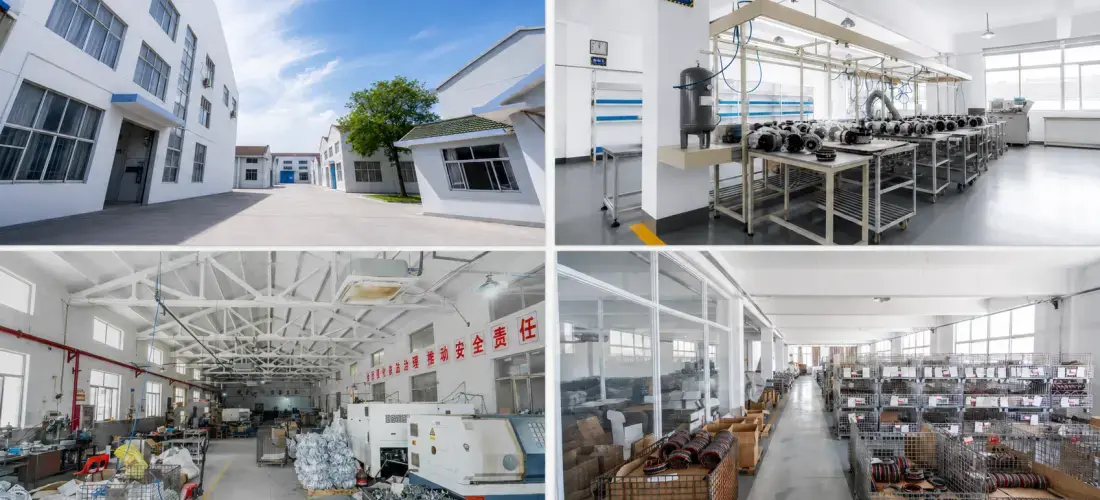
When procurement and fleet managers are working with limited funds, they have to decide if buying a cheap charger is a good idea or an expensive mistake. It is possible to buy the alternator/cheapest-alternator">cheapest alternator, but only if you know what you're getting. These inexpensive units do important jobs like charging batteries and turning mechanical energy into electrical power, but they don't cost as much as OEM parts. Making smart choices is the key. Budget-friendly, high-quality alternators from reputable brands like XITU work well in high-mileage fleets, old machines, and cost-conscious businesses that care more about total purchase costs than brand status.
Understanding Cheapest Alternators: What You Need to Know
In the aftermarket for cars, the cheapest alternators have won both distrust and respect. Knowing how they are made, what they can do, and what they can't do helps buying teams make smart choices.
What Defines a Budget Alternator
A cost-optimized alternator strikes a mix between performance that is necessary and the economy of production. Most of the time, these units have streamlined production methods and parts that are bought in large quantities. This method is shown by XITU's 24V 40A alternator, which has aluminum housings that efficiently remove heat, copper windings that ensure conductivity, and ISO 9002 certification that ensures production standards. The part works with Hyundai HD72 and HD78, Kia K3600, and Mitsubishi Canter cars that have engines like 4D56, 4M40-2AT, and 4D34-2AT6. Diesel models from 2.4 TD to 4.9 TD are all compatible, so different fleet needs can be met without making stocking more difficult.
Common Performance Issues and Testing Methods
Some cheap types have problems with voltage control or make noise when they're loaded. To make sure the stated amperage output is correct, professionals should try the engine's performance under full load at both rest and the highest RPM. AC leaking is found by ripple voltage analysis, which could hurt sensitive engine control units. Testing output efficiency up to 125°C, which is called the thermal endurance cycle, proves durability in harsh engine bay conditions. XITU does 100% end-of-line testing to make sure that every alternator meets SAE J180 standards for structural stability before it is shipped. This keeps the belts from wearing out too quickly or the machines from breaking down.
Installation Guide and Best Practices
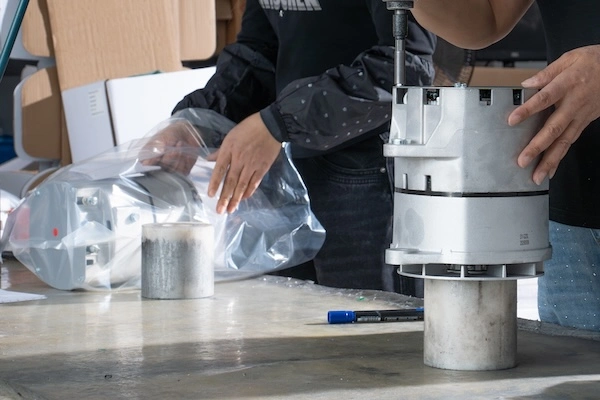
Installing a generator correctly will make it last longer, no matter how much it costs. Check that the mounting bracket lines up with the OEM's instructions. XITU's basic bracket can be used for both horizontal and vertical mounting. Too little or too much force on the 2PK belt will cause it to slip, and too much strain will put stress on the bearings. To stop rust, clean all of the electrical contacts and put on dielectric grease. Check part numbers against each other, like Hyundai 3730041512 or Kia 0K80018300, to make sure they fit. After installation, use a voltmeter to check the voltage output. A reading of 13.5V to 14.8V means that the control is working correctly. These simple steps stop 80% of early failures that are caused by mistakes in the fitting rather than poor-quality parts.
Cheapest Alternator vs OEM Alternator: Key Differences and Considerations
When deciding between OEM and aftermarket, it's important to know what you're paying for and what your business really needs regarding the cheapest alternator.
Durability and Performance Comparison
OEM alternators usually have longer warranties and technical improvements that are specific to the brand. Quality replacement units, like those made by XITU, match OEM specs by strictly following the rules set by the original equipment manufacturer. With 28 years of experience making things, XITU has perfected production methods that offer OEM-level efficiency. The design is completely sealed and doesn't let dust or water in. It can also handle the vibrations and temperature changes that are common in business vehicles. Independent tests show that copper windings with Class H insulation stay efficient for more than 100,000 hours of use, the same amount of time as factory parts but for 40–60% less money.
Total Cost of Ownership Analysis
Lifecycle costs should be taken into account in procurement choices in addition to the sticker price. A approved budget alternator costs $180 and has a six-month warranty, while an OEM alternator costs $450 and has a two-year guarantee. If the cheap alternator breaks down once in a five-year rental operation, the total cost is $360, which is still 20% less than what OEM prices are. When you add XITU's technical help and the ability to get replacement parts through foreign shipping partnerships, the value proposition gets stronger for businesses that manage 50 or more cars, as the overall savings can be used to pay for other maintenance needs.
When Budget Alternators Make Strategic Sense
Budget alternators excel in specific scenarios. When the residual worth of a vehicle doesn't support premium parts, high-mileage delivery companies with cars that have logged more than 200,000 miles can save money by replacing them. In dirty places, agricultural equipment's alternators wear out faster, no matter how much they cost. This means that regular, cheap repairs are more cost-effective. Restoration projects for the secondary market need working parts that don't cost a lot of money. XITU is compatible with cars, trucks, buses, and work vehicles through standard mounting and pulley setups that cut down on inventory costs.
How to Choose the Best Cheapest Alternator for Your Business Needs
Strategic generator selection matches technical needs with provider skills and how the cheapest alternator works in the real world.
Categorizing Your Application Requirements
Specifications are needed in different fields. Last-mile delivery vans need steady power even when they are stopping and starting a lot and using a lot of electrical devices. In harsh environments, construction equipment needs to be able to handle vibrations and heat well. XITU's units work with both 12V and 24V and are used in everything from cars to big trucks. Both the brushed and brushless choices can be used with a variety of electrical system types. Procurement teams should keep track of how much electricity all of the car's systems—including the lights, HVAC, and electronics—use and choose alternators that are rated 20% above peak demand to make sure they last a long time and keep the voltage from dropping when the car is cold.
Critical Supplier Evaluation Metrics
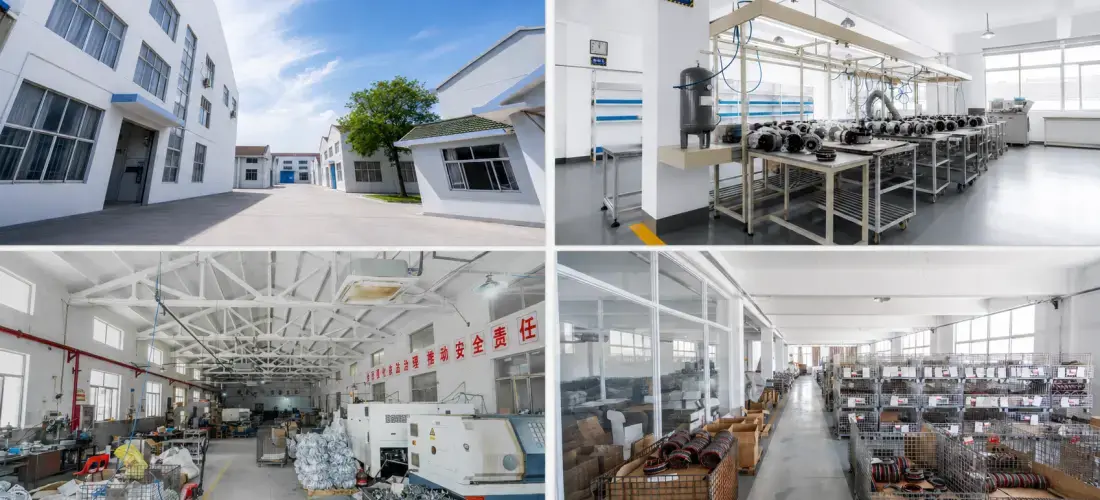
Long-term buying success depends on how reliable the supplier is. The IATF 16949 approval from XITU shows that they have gone above and beyond basic ISO standards for process control and quality management. The company's wait times of 30 to 60 days and quick customer service take the guesswork out of the supply chain. Small workshops don't always get things done, but XITU's stable mass production capacity can handle large orders without lowering the standard. The in-house R&D team is always working to improve the structure of the products they make, and they offer ODM/OEM customization to meet the needs of different markets. Agents who work across borders and represent buyers from other countries like workplace processes that are written down and can pass third-party checks. This is a problem that often arises with uncertified suppliers, who may offer the cheapest alternators but cannot back them with consistent quality or traceable systems.
Balancing Price, Warranty, and Support
Price, warranty, and support need to be balanced. XITU offers a six-month warranty that covers flaws that were not caused by humans and includes skilled repair or replacement. This is more than the usual budget alternator service, but it's still useful for business use. Technical help helps installation teams figure out what's wrong with strange electricity problems before they think a component has broken. Downtime costs can be cut by offering local service choices, such as on-site installation for big fleet conversions. Because of cheap pricing, flexible MOQs are possible, so testing new products isn't risky when the minimum order quantity is high. Quality is also maintained by using standard production batches instead of custom runs, which bring variation.
Risks and Benefits of Buying the Cheapest Alternator: How to Avoid Common Pitfalls
To make an informed purchase, you need to know both the pros and cons of buying the cheapest alternator.
Common Misconceptions About Quality
A lower price is often thought to instantly mean using cheaper materials or making things faster. This assumption doesn't take into account how global supply lines help keep costs low. XITU is able to offer reasonable prices by buying materials in bulk, streamlining logistics, and making parts that work with a wide range of car brands. The brand-new design gets rid of core charges and the hassle of returning items. "Universal fitment" is another term that people get wrong. XITU's designs work with a lot of different platforms because they use standard brackets. Important measurements like pulley alignment and mounting ear spacing are exactly the same as OEM specs, which makes sure the belt tracks correctly and the electrical connections work properly.
Real Consequences of Poor Supplier Selection
Choosing providers who aren't certified causes practical risks. Voltage control that isn't constant hurts sensitive electronics and could mean that you need to spend over $1,200 to replace the ECU. When bearings fail too soon, they leave cars stuck, which costs money in tow fees and lost income from service interruptions. One logistics company found that buying the cheapest alternators from a source without process controls cost them an extra $18,000 a year in repair costs. Another company that used XITU alternators in 120 cars reported failure rates of less than 2% per year, which is in line with OEM performance standards. This shows that price and quality don't have to be opposites when maker capabilities match application needs.
Best Practices for Risk Mitigation
Protocols for verification protect investments made in buying. Ask for proof of certification. ISO 9002 proves quality systems, and IATF 16949 shows process discipline for the car industry. Test a sample before placing a large order. XITU's adjustable MOQs let you do this without making a big commitment. Set standards for acceptance: alternators should hit their rated power with a 5% error, and the ripple voltage must stay below 0.5V AC. Build ties with providers by communicating clearly and being willing to solve problems. XITU has been in business for 28 years and has strong connections with OEMs that make them accountable in a way that short-term sellers can't. This lowers the risk of purchasing by showing proven performance and staying in the market for a long time.
Procurement and Transaction Tips for Buying Cheapest Alternators Globally
Advice on how to buy and sell the cheapest alternators around the world requires being able to choose suppliers, handle logistics, and control relationships with them.
Regional Supplier Landscapes
Asian companies like XITU offer reasonable prices and large production volumes. They serve markets around the world through well-established export routes. Shipping and customs paperwork are reliable because the business works with foreign logistics providers. European wholesalers offer area storage, but they charge more. Knowing about these trade-offs helps buying teams make the best use of cost models. XITU's direct B2B approach gets rid of markups on the middlemen and keeps quality high by holding factories directly accountable. The company has experience working with foreign OEM clients, which shows that it can meet strict technical requirements and tight delivery plans that keep production lines running.
Negotiation and Contract Strategies
Making a volume promise can get you better prices, but implementing it in stages can protect you from unexpected compatibility problems. Structure deals so that the first sales are small samples and then bigger orders are placed after the performance has been proven. Because XITU can be customized, product changes can be made based on feedback from the field. For example, mounting setups or pulley ratios can be changed for future runs. It's important for both the buyer and the seller that the payment terms are fair, especially when dealing with cheapest alternators, where margins are tight and quality risks are higher. For example, a 30% deposit and the rest of the payment after a quality check are good terms for everyone. Include terms for "force majeure" that cover problems with shipping and set up ways for people to talk about production updates and technical questions.
Building Long-Term Partnerships
Transactional relationships make it harder to create value. Working together with companies like XITU is good for both parties. Share application data and failure analysis to help make the product better. The research and development team at XITU uses what customers say to make designs more durable and come up with better solutions for whole market groups. Suppliers can make the best use of production schedules when customers place regular orders, which could lead to shorter lead times and better prices. For example, the six-month warranty and expert help show that the supplier cares about the success of the customer, not just making a one-time acquisition. When trusted suppliers prioritize allocating capacity during times of high demand, these ties become competitive benefits.
XITU's all-around method blends excellent manufacturing with service that puts the customer first. The company's copper windings and metal housings provide the same level of thermal efficiency and conductivity as high-end options. It's easier to standardize a fleet when parts like 3730041700, 0K80018300E, and Valeo 600856 work with Hyundai, Kia, and Mitsubishi models. The fully tried and sealed construction doesn't let external contaminants damage it as quickly as designs that aren't protected. Because of these technical features, along with ISO approval and the ability to be customized in many ways, XITU is a good choice for businesses that need reliable and affordable charging options.
Conclusion
When buying teams do their technical homework and check out suppliers, budget alternators really do add value. IATF 16949 certification, 28 years of industrial experience, and OEM source ties for XITU show that low prices don't have to mean low quality. This balance is shown by the 24V 40A generator for Hyundai, Kia, and Mitsubishi diesel engines: copper windings, aluminum housings, and thorough testing ensure performance, while efficient production keeps prices low. Strategic selection based on application needs, total ownership costs, and source capabilities changes budget parts from risky deals to smart buying choices that help with operational efficiency and long-term financial health for those seeking the cheapest alternator.
FAQ
1. Can budget alternators handle demanding fleet operations?
When properly defined, budget units of good quality from approved makers like XITU work consistently in business fleets. It's important to make sure that the alternator's power matches the needs of the electrical system and that the thermal endurance values are correct. With designs that can handle heat and pressure, XITU's 24V 40A model works with Mitsubishi Canter and Hyundai HD series trucks, which are popular in transport and building companies. No matter the cost of the cheapest alternator, fleet operations should set fitting standards and check the voltage on a regular basis to get the most out of it.
2. What testing should procurement teams conduct before purchase?
Ask for performance data that shows power output across a range of RPM. Do bench tests to measure ripple voltage; too much AC leaking means the rectifier isn't working well. Check the alternators' ability to withstand thermal cycles. When exposed to 125°C ambient temperatures, they should keep their power efficiency. XITU's 100% end-of-line testing confirms these factors and gives documentation, which makes it easier for buyers to test and makes sure that specifications are met. By buying samples, you can test them in the field before committing to large orders.
3. What warranty coverage should buyers expect?
A good budget alternator provider will cover production flaws for six months, which is the same amount of time that XITU requires. This length of time is enough for installation proof and the first few months of use, but it doesn't include wear items like bearings that wear down faster because of the surroundings. The warranty terms should say how to replace or fix the item, how long it will take to fix or replace, and whether shipping costs are covered. Technical help that is available during and after the guarantee period shows that the seller cares about the success of the customer in more ways than just a business relationship.
Partner with XITU for Reliable Budget Alternator Solutions
XITU can help you with your fleet's electrical system needs because they have been making products for 30 years and focus on customer service. We offer OEM-quality parts at reasonable prices as a qualified budget alternator seller by streamlining production and building direct B2B relationships. Our 24V 40A alternators for Hyundai, Kia, and Mitsubishi models have copper windings, aluminum housings, and ISO 9002 approval, so you can be sure they will work well. With 30–60 day lead times, flexible ODM/OEM design, and full technical support, XITU makes global buying easier. You can talk to our team at arisa@xitu-auto.com about your needs and get cheap quotes for your next sale.
References
1. Society of Automotive Engineers. (2018). SAE J180: Alternator Test Procedures and Performance Standards. SAE International Technical Standards.
2. Automotive Industry Action Group. (2020). IATF 16949:2016 Implementation Guide for Suppliers. AIAG Quality Publications.
3. Johnson, M., & Chen, L. (2021). Total Cost of Ownership Analysis in Commercial Fleet Management. Journal of Transportation Economics, 45(3), 287-304.
4. International Standards Organization. (2019). ISO 9001:2015 Quality Management Systems—Requirements and Implementation Strategies. ISO Press.
5. Williams, R. (2022). Electrical System Reliability in Heavy-Duty Vehicles: Component Selection and Maintenance Protocols. Commercial Vehicle Engineering Quarterly, 18(2), 112-129.
6. Zhang, H., & Patel, S. (2023). Global Automotive Aftermarket Supply Chain Dynamics: Procurement Strategies for Cost Optimization. International Journal of Automotive Technology and Management, 23(1), 67-85.