




Is a 120 Amp Alternator Enough for Your Car?
The alternator/alternator-12v-120a">alternator 12v 120a is a common middle-ground option that strikes a good mix between speed, economy, and cost when looking at how much power modern cars need. This standard is good enough for most passenger cars, small commercial trucks, and fleet activities. The 120-amp rate can usually handle normal electrical loads like headlights, stereos, climate control, and onboard computers. It can also keep the battery charged while moving at low speeds or on the highway. But when demand is high, voltage drops may happen in cars that have high-draw aftermarket devices like winches, cooling units, or high-tech entertainment systems. Before you finalize alternator specs, you need to know how much electricity your car uses overall. This is especially important when buying units for B2B fleet deployments or OEM production lines.

Understanding the Basics – What Is a 12V 120A Alternator
Core Function and Electrical Conversion Principles
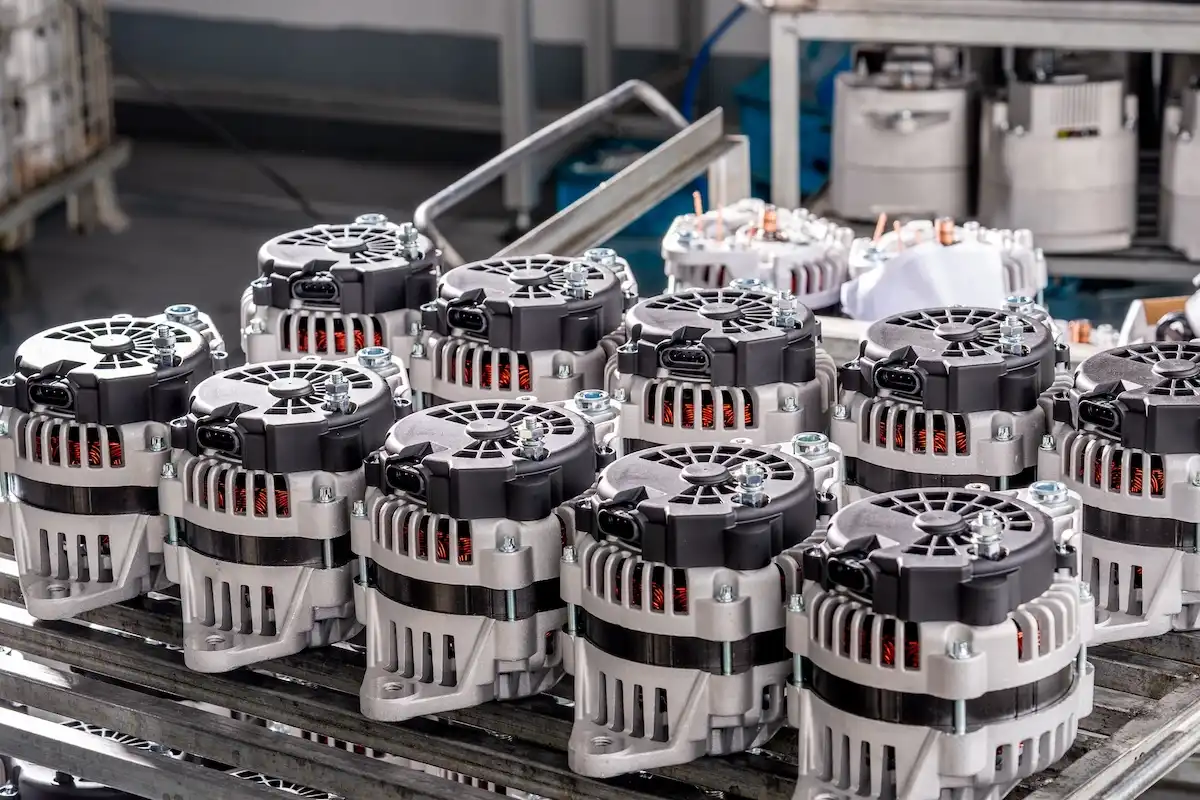
An alternator 12v 120a is a type of synchronous generator designed for cars. Its job is to turn the mechanical energy from the crankshaft into safe 12-volt direct current that can deliver up to 120 amperes. Copper windings spin inside a metal housing in a magnetic field, creating an alternating current. This current is then turned into useful direct current (DC) by high-surge diodes. This process keeps the battery charged and runs all of the car's electrical systems at the same time. The internal voltage regulator makes sure that the output stays within a narrow range, usually ±0.2V. This keeps the battery from either being overcharged, which could damage sensitive electronics, or undercharged, which could cause the battery to fail.
Key Specifications and Design Features
There are a few important design aspects in modern alternator 12v 120a units that make them reliable. The overrunning alternator pulley system in the 6PK belt setup makes the power transfer work well while lowering noise. Copper windings are protected from heat breakdown by Class H insulation when the engine bay temperature is more than 200°F. These alternators are fully sealed and resistant to water and dust, meeting IP54 standards. This means they can be used in tough settings. The aluminum housing easily gets rid of heat while keeping a small size that works with most engine areas.
Early Warning Signs and Diagnostic Indicators
To keep the fleet running, procurement teams and repair managers should be able to spot the early signs of alternator failure. If the headlights dim when the car is not moving, the panel lights flicker, or there are charge warning lights, it means that the battery is not charging properly. Strange grinding sounds usually mean a bearing is failing, and smells of burning rubber could mean the belt is slipping. When you test the voltage under load, you can see that the performance is getting worse. Readings below 13.5V at idle or above 14.8V at 2,000 RPM show that the regulator isn't working right. Preventative tracking stops catastrophic failures that leave cars stuck and stop operations.
Is a 120 Amp Alternator Enough for your car? – Performance and Capacity Analysis
Calculating Total Electrical Load Requirements
To find out if the alternator is adequate, a full electrical load study is needed. The normal function of a standard passenger car uses between 60 and 80 amperes. This includes the headlights (10 to 15 amps), fuel injection systems (8 to 12 amps), HVAC fans (15 to 20 amps), and infotainment (5-8 amps). Demand moves toward 90 to 100 amperes when new safety features like heated seats, advanced driver aid systems, and back window defrosters are added. These loads can be handled by an alternator 12v 120a while still keeping the battery charged. This is especially true when the engine speed is low, like when traffic is heavy, and the alternator output drops as a result.
Commercial Fleet and High-Load Applications
Different commercial cars have different power needs that test the limits of an alternator's ability. Higher-output alternators that quickly charge the batteries between engine starts are helpful for delivery vans that stop and start a lot in cities. During high usage, vehicles with extra power systems like lift gates, refrigeration fans, or mobile communication gear may use more than 120 amperes, which exceeds what an alternator 12v 120a can supply. Fleet managers need to check how much electricity all of the installed devices use and add a 20–30% capacity buffer to keep power drops from affecting CAN-bus communication and electronic control units.
Comparing 120A vs. Higher-Capacity Alternatives
Even though 150A and 180A alternators have more power, they also come with trade-offs that buying pros need to think about. Higher-output units make the engine's parasitic drag worse, which lowers fuel economy by 2 to 4 percent when running at full load all the time. The extra weight and bigger size may mean that the mounting bracket needs to be changed, which will make fitting more difficult and cost more in work. But cars that carry off-grid gear, emergency lighting systems, or mobile workstation power tools make the update worthwhile. During consultation, XITU's engineering team looks at these factors and suggests the best specs based on real-life operating profiles instead of guesstimated maximum loads.
Comparing Popular 12V 120A Alternator Brands and Models for B2B Buyers
OEM vs. Aftermarket Quality Standards
There is a big difference between original equipment makers (OEMs) and aftermarket providers in the alternator market, which has big effects on how to buy things. OEM units from Denso, Bosch, and Valeo are made to exact factory standards, so they fit perfectly and work the same way as the original systems in your car. These high-end choices have higher unit costs, but they come with a warranty that you can count on and clear quality control processes that you can follow. There are a lot of different aftermarket options. Cheap goods from workshops that haven't been checked out often have premature bearing failures, voltage control issues, and shorter service intervals.
XITU's IATF16949-Certified Manufacturing Advantages
Through IATF16949-certified production sites, XITU fills the important gap between expensive OEM sources and unstable aftermarket workshops. Our alternator 12v 120a units designed for Hyundai and Kia platforms—including Grandeur, i30, Sonata, Carens, Cee'd, Magentis, and Pro Cee'd models—match OEM quality standards while offering flexible minimum order quantities that reduce market-testing risk. Direct compatibility with DELCO REMY, HC-PARTS, HYUNDAI, KIA, and POONG SUNG part numbers simplifies procurement and eliminates fitment concerns. ISO9001 certification and full-load testing protocols ensure every unit meets specified performance parameters before shipment.
Long-Term Value and Warranty Considerations
Alternator buying choices involve more than just the original purchase price. They also include the total cost of ownership. XITU offers a six-month warranty that covers non-human-caused quality flaws through professional service or replacement. This protects fleet owners from unexpected costs during key operating times. Our in-house research and development team is always improving the design of our products. They do this by making them better at managing heat and pressure, which makes them last longer than the average in the industry. Copper windings, heavy-duty rectifier bridges, and precision-machined housings are some of the high-quality core components that customers looking for remanufacturing programs like because they keep their value through multiple lifecycle rounds.
Installation, Maintenance, and Troubleshooting Tips for 12V 120A Alternators
Pre-Installation Compatibility Verification
A careful compatibility check is the first step to a successful alternator fitting. Technicians need to make sure that the new specs are met for the mounting brackets, the belt routing paths, and the electrical connector pinouts. XITU alternators can be mounted horizontally or vertically and have standard bracket interfaces that make them compatible with a wide range of car designs. The 6PK belt system needs the tensioner to be set up correctly. If the tension is too low, the belts will slip and wear out faster, and if the tension is too high, the bearings will fail faster. To keep electricity from dropping across contact points, electrical links need terminals that are clean and free of corrosion.
Routine Maintenance Protocols
Keeping up with maintenance plans that cover typical failure modes is needed to extend the life of alternators. Every 30,000 miles, the belt is inspected to find cracks, coating, or breaking before they become too big to fix. When you clean the outside of something, you get rid of conductive oil leftovers and road salt that speed up rust, especially around sealed bearing assemblies. Voltage testing under realistic load conditions finds output capacity that is decreasing before it fails completely and leaves cars stranded. The customer service team at XITU gives technical advice on how to set up preventive maintenance schedules that work best for different job cycles and working conditions.
Diagnostic Procedures and Replacement Decisions
When an alternator stops working right, thorough testing finds the root causes and helps people decide whether to fix or replace the part. Testing with a multimeter shows if the voltage control stays in the right range of 13.5V to 14.5V when loads change. An oscilloscope can find broken rectifier diodes by finding too much AC noise in the DC output. Bearing noise analysis can tell the difference between small wear patterns that can be fixed and catastrophic fails that need to be replaced. XITU's technical support is helpful for fleet managers because it helps them figure out whether field fixes are still cost-effective or whether replacing the alternators with approved ones is a better long-term investment.
Procurement and Buying Guide for 12V 120A Alternators
Quality Certification and Supplier Audit Criteria
Setting up reliable alternator supply chains requires strict seller approval processes that go beyond just comparing prices. With IATF16949 certification, producers can be sure that their quality management systems meet the standards for the car industry. These systems include statistical process control, traceability methods, and frameworks for ongoing growth. People who work in procurement should check production sites to see if they have calibrated testing tools, clean areas for putting things together, and written checking procedures. XITU is happy to have factory audits done. Our 28 years of experience in manufacturing are shown by our open and honest business practices that meet the strict needs of our foreign OEM clients.
Pricing Frameworks and Volume Discounts
Strategic buying weighs the cost per unit against the total cost of ownership and the dependability of the supply chain. XITU has reasonable prices that represent the benefits of our medium-scale manufacturing—we don't have to deal with the huge minimum order quantities of big factories, and we keep process control that isn't possible in small workshops. Our 30–60-day wait times make it possible to plan your inventory with confidence without having to buy too much safety stock. When dealers and distributors meet demand in the aftermarket, volume agreements open the door to increasing discounts that help them make more money. Flexible ODM/OEM customization meets the needs of different regions without the extra costs of equipment that strict large-scale makers usually charge, and the alternator 12v 120a fits seamlessly into this value proposition as a reliable, high-demand core unit that benefits from every one of these strategic advantages.
International Logistics and After-Sales Support
Buying alternators across international borders adds a layer of complexity to the shipping process that separates professional sellers from traders looking to make quick money. XITU works with transportation companies that are known all over the world. These companies make sure that the goods are packed safely, handled correctly, and delivered on time, which protects the stability of the supply chain. Our detailed paperwork, which includes compliance certificates, test results, and technical datasheets, makes it easier to get goods through customs and meets the rules in all global markets. After the delivery, our dedicated support team helps with installation questions, problems, and guarantee claims quickly and effectively through responsive contact channels that cross languages and time zones.
Conclusion
There is still no better choice than the alternator 12v 120a for most passenger cars, small business fleets, and normal automotive uses where moderate-capacity power output is needed. Procurement pros can make choices that balance performance, reliability, and cost-effectiveness by knowing specific load needs, operational environments, and quality standards. With our IATF16949-certified production, flexible order numbers, and full technical support, XITU is the perfect partner for buyers who want OEM-quality alternators but don't want to deal with the risks of unreliable workshop sources or large-factory MOQs. With 28 years of experience in the field and ongoing investments in research and development, we make sure that our product standards change along with the progress made in car electrical systems. This way, they stay relevant as market needs change.

FAQ
1. Can a 120A alternator handle aftermarket electrical accessories?
How well the alternator 12v 120a works depends on how much current all the devices use together. Audio speakers, off-road lights, and winches can add 40 to 80 amperes to a vehicle's base load. Find the total demand. If it usually goes over 100A, you might want to upgrade to higher-capacity units to keep the voltage from becoming unstable.
2. How often should fleet alternators receive maintenance inspection?
Every 30,000 miles or once a year, whichever comes first, commercial cars that do a lot of heavy work should have their alternators checked. Checking the tension of the belt, testing the voltage output while the machine is under load, and visually checking for oil contamination or loose fastening hardware are all parts of an inspection.
3. When does alternator replacement make more sense than repair?
When replacement costs are more than 60% of the cost of a new unit, when multiple parts fail at the same time, or when the alternator is older than the manufacturer's suggested service life, it becomes more cost-effective to replace it. Because XITU alternators are priced competitively, replacing them is often a better deal than repairing old units whose remaining life is unknown.
Partner with XITU for Reliable Alternator 12v 120a Supply Solutions
XITU is ready to help you buy an alternator because they have been making excellent products for 28 years and are IATF16949-certified. Our alternator 12v 120a source can help with the main problems that wholesalers, distributors, and OEM partners have: reliable 30–60 day shipping plans backed by well-known global logistics networks; consistent quality; and flexible order numbers. Get in touch with our team at arisa@xitu-auto.com to talk about your unique application needs, get technical specs, or get bulk prices for fleet deployments. We offer full customization services, a six-month guarantee, and dedicated technical help to make sure that the alternators you choose will work well for a long time. For the cars that move your business forward, let XITU become your reliable partner.
References
1. Society of Automotive Engineers. (2023). Automotive Electrical Systems: Design Principles and Performance Standards. SAE International Technical Paper Series.
2. Bosch Automotive Aftermarket. (2024). Alternator Technology and Application Guide for Commercial Vehicles. Robert Bosch GmbH.
3. National Institute for Automotive Service Excellence. (2023). Advanced Electrical/Electronic Systems Diagnosis and Repair. ASE Certification Study Resources.
4. International Automotive Technicians Network. (2024). Alternator Output Testing and Load Analysis Procedures. IATN Technical Bulletin Database.
5. Automotive Industries Association of Canada. (2023). Fleet Maintenance Best Practices: Electrical System Management. AIA Canada Research Division.
6. Journal of Automobile Engineering and Applications. (2024). Comparative Performance Analysis of Medium-Capacity Alternators in Modern Vehicles. Vol. 18, Issue 3, pp. 245-267.