




12V 90A Alternator for Hyundai: OEM vs Aftermarket
Choosing between OEM and aftermarket alternators for your Hyundai vehicle directly impacts performance, operational costs, and long-term reliability. The 12V 90A Alternator for Hyundai serves as the electrical backbone for models such as the Solaris, i20, i30, and Veloster, powering everything from the ECU to infotainment systems. Understanding which type best serves your procurement needs—whether you're sourcing for fleet operations, distribution networks, or remanufacturing programs—determines total cost of ownership and minimizes costly downtime that disrupts operations.
Understanding the 12V 90A Alternator and Its Role in Hyundai Vehicles
In modern Hyundai cars, the charging system relies on a strong alternator to turn mechanical energy into steady electrical output. This part keeps the battery healthy and powers extra systems at the same time, like the climate control, lighting, and advanced driver aid devices.
Core Function and Electrical Output
A 12V 90A Alternator for Hyundai can provide enough power for today's technologically advanced cars. The unit keeps the charging voltage between 14.2V and 14.8V, which keeps the battery from sulfating and keeps it from getting damaged by overcharging. Hyundai cars with engines like the G4FA, G4FC, and G4FG need this unique output to work properly with their computer control units. The 6PK serpentine belt system links the generator pulley to the crankshaft. This makes sure that the conversion of energy works well even in stop-and-go traffic in U.S. towns.
Lifespan Benchmarks and Common Failure Modes
Alternators usually last between 80,000 and 150,000 miles, but this depends on how they are used. Internal parts like brushes, bearings, and diodes wear out faster when they are exposed to heat, vibration, and electrical load cycles. When vehicles are used in harsh climates or carry heavy electrical loads from aftermarket accessories, fleet managers often have to deal with early failures. Bearing wear makes noises that can be heard, and diode failure causes power fluctuations that light up the panel warning lights. By spotting early signs like dimmed headlights when not in use, slow cranking, or battery warning lights, buying teams can plan replacements ahead of time instead of having to deal with problems on the side of the road.
Application Across Hyundai and Kia Models
This type of alternator works with a lot of different cars, not just sedans. It works with Hyundai's Accent 1.4/1.6L, the ix20 1.4/1.6, the Veloster 1.6 GDI/MPI/T-GDI, and Kia's Cee'd 1.4/1.6, Pro Cee'd 1.4/1.6, Rio 1.4 CVVT, and Venga 1.4/1.6 CVVT. Cross-reference numbers like Hyundai 373002B300, 373002B500, Valeo 2607372, and DELCO REMY DRA0975 make sure that the parts fit perfectly in all kinds of engines. Because it works with so many things, it's a great choice for dealers who serve a wide range of aftermarket markets or OEM partners who run production lines for multiple vehicles.
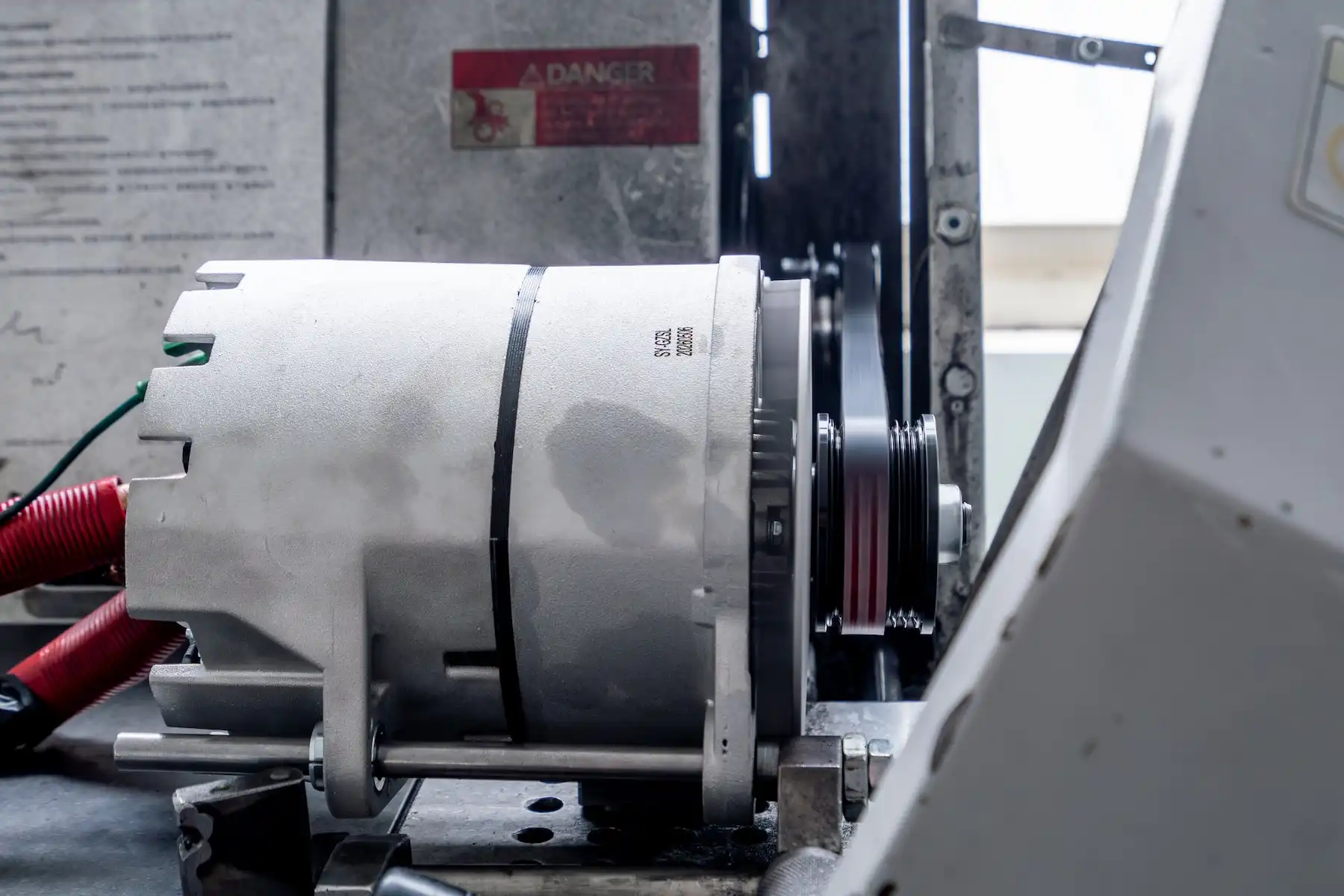
OEM vs. Aftermarket Alternators: Key Differences and Considerations
To make smart decisions about where to get parts, you need to know the basic differences between OEM parts certified by the manufacturer and aftermarket alternatives. Each category has its own pros and cons that affect performance, warranty coverage, and relationships with suppliers.
Manufacturing Standards and Quality Control
OEM alternators are put through strict tests that are in line with IATF 16949 standards for car quality management. The high-conductivity copper windings and silicon steel rotors in these units are designed to have minimal magnetic hysteresis. This makes them more efficient and better at managing heat. Assembling parts is subject to strict process controls that include testing the output at full load, checking the ripple voltage, and doing high-temperature endurance tests that simulate over 1,000 hours of continuous peak operation. The quality of aftermarket units varies a lot. High-end brands make sure they meet OEM standards, while cheaper options often use lower-grade materials that don't last as long. Buyers should make sure that providers test metal housings with salt spray according to ASTM B117 to make sure they don't rust, especially if the market is near the coast or has a lot of humidity.
Performance Consistency Under Operational Stress
When there is a lot of traffic or pulling, the engine bay temperature often goes above 120°C, which puts a lot of stress on the voltage regulators and rectifier diodes. Heavy-duty internal regulators built into OEM parts are rated for these temperature ranges, so the voltage output stays stable throughout the working range. Aftermarket units sometimes use cheaper rectifiers that don't get rid of heat well enough, which causes voltage changes that mess up sensitive electronic control units. Dynamic balance testing of rotor assemblies stops high-speed vibrations that wear out bearings faster. This is an important validation step that is sometimes skipped in lower-quality aftermarket production. Distributors who work with business fleets have to weigh the initial cost savings against the chance that a 12V 90A Alternator for Hyundai will break down before it's supposed to, which will lead to warranty claims and hurt ties with customers.
Compatibility Verification and Warranty Terms
OEM parts are guaranteed to fit perfectly in terms of size, mounting pin patterns, and connecting configurations that are unique to each Hyundai engine type. Even though aftermarket suppliers offer cross-reference charts, physical verification is still needed to make sure installation goes smoothly. When it comes to warranty coverage, OEM parts usually come with longer security backed by approved service networks, while aftermarket warranties can last anywhere from 90 days to two years, based on the name of the maker. With 28 years of experience making things, XITU gives a six-month warranty and technical support, which fills the gap between OEM security and the worth of an aftermarket product. When figuring out the total cost of ownership for big orders, procurement managers should look at both the guarantee terms and the failure rate data.
How to Choose the Right Alternator for Your Hyundai: A Decision Support Framework
To match the choice of components with practical goals, you need to carefully look at a number of factors that are weighted based on the nature of your business. To get the best return on investment, different buying situations call for different methods.
Establishing Evaluation Criteria
Suppliers are judged based on the quality certifications they have. IATF 16949 certification proves quality management systems designed for the automotive industry, while ISO 9000 compliance shows that processes are consistent. Documentation from durability tests, such as results from temperature cycles, vibration resistance, and rust exposure, shows that a product is reliable. Verification of engine compatibility includes more than just matching part numbers. It also looks at electrical characteristics, mounting setups, and belt drive specs. Instead of just using FOB quotes, price positioning needs to take into account the landing cost, which includes taxes and shipping costs. Being a trustworthy supplier means that the plant is ready for an audit, the production capacity is stable, and the supplier responds quickly to technical questions or requests for customization.
Matching Procurement Scenarios to Product Types
Operators of fleets with hundreds of vehicles put consistency and warranty coverage at the top of their list of priorities to reduce the number of unplanned maintenance events. These buyers usually choose aftermarket units that are the same as OEM units. They only buy from approved makers that keep strict process controls and offer full technical support. Auto parts wholesalers that work with independent repair shops have to find a balance between quality and price, so they need sources that can handle a range of minimum order amounts and quick restocking cycles. Because remanufacturers want high-quality core units with standard measurements and intact internal parts, it is important that production tolerances are always the same. Cross-border sourcing agents who work with buyers from other countries need partners who can provide strong export paperwork and reliable shipping through well-established transport networks.
Weighted Decision Matrix Application
Giving rating factors numerical weights makes it possible to compare things in an objective way. A fleet operator might give 40% of the weight to warranty terms, 30% to documentation of durability tests, 20% to supplier audit compliance, and 10% to price competitiveness. A new distributor, on the other hand, might value low minimum order quantities and flexible payment terms more than premium warranties when testing new market segments. When you rate possible suppliers based on these weighted criteria, you get a score that you can use to make confident buying decisions and keep for internal approval processes.
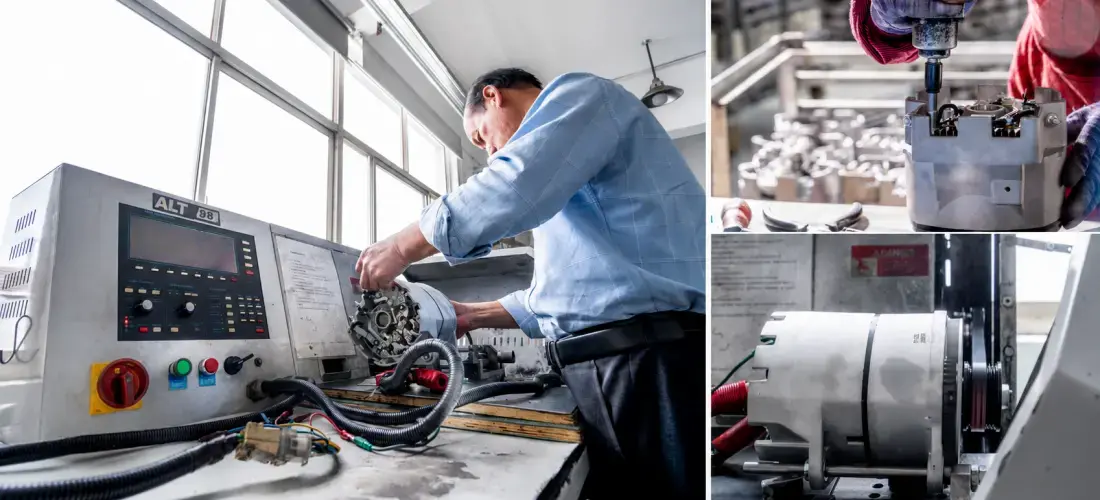
Installation and Maintenance Guide for Optimal Performance
The alternator's service life and the efficiency of the electrical system are directly affected by how it is installed and maintained. Technical advice helps procurement teams be clear about the services they need when they're working with installation partners.
Pre-Installation Safety and Verification Protocols
Electrical shorts can't happen when you disconnect the negative battery connection and then reconnect it again. Checking the specs for belt tightness before taking something apart sets the standard for how it should be put back together. Checking the joints on the wire harness for corrosion or damage stops electrical problems that happen from time to time and look like a 12V 90A Alternator for Hyundai failure. Using a straightedge to measure pulley alignment makes sure that the serpentine belt moves properly and doesn't get worn down along the edges, which shortens its useful life. Vehicle service guides list the torque values for mounting bolts and electrical connections. Sticking to these values keeps mounting ears from coming free from vibration or from being overtightened, which can crack them.
Post-Installation Testing and Validation
Digital multimeters check the voltage at the battery terminals while the engine is running at different RPMs. Readings below 13.8V mean the battery can't hold enough charge, and readings above 15V mean the voltage regulator is broken. Using clamp-on ammeters to test the unit's amperage proves that it gives the rated power when electrical loads are turned on. By looking at voltage ripple with an oscilloscope, you can find failed diodes that cause electromagnetic interference that makes it hard to receive radio signals and run the ECU. These diagnostic steps make sure that the installation went well before putting the vehicles back into service. This keeps customers happy and keeps the business profitable.
Preventative Maintenance Tactics
Checking the tension of the belt every 10,000 miles keeps it from slipping, which wastes power and speeds up the wear on the pulley bearings. If you look at the drive belt and see any cracks, coating, or tearing, it means it needs to be replaced before it fails completely. Cleaning the road debris out of the cooling vents keeps the heat working well when the engine is under a lot of stress. Professional tests done at regular maintenance periods find parts that are wearing out before they completely break. This lets replacements happen at handy service windows instead of in an accident on the side of the road. These practices make alternators last longer and lower the total cost of ownership for fleet owners who are in charge of hundreds of vehicles that work in a variety of settings.
Procurement Insights: Sourcing Reliable Alternator Suppliers
To find your way through the global supply chain for automobile electrical parts, you need to carefully check out your suppliers and coordinate your logistics. Buyers can avoid fake parts and supply problems by learning about proof methods and how the market works.
Identifying Authentic OEM and Quality Aftermarket Sources
Authorized dealer networks offer guaranteed original equipment manufacturer (OEM) parts with full manufacturer support, but they usually come at a higher cost and require a higher minimum order quantity. Aftermarket companies that have been checked out, like XITU, offer OEM-level quality with flexible order numbers and low prices. Some ways to check are to ask for plant audit records, ISO certifications, and for independent labs to test samples. Traceability tools that keep track of where raw materials come from and records of each output batch make the whole supply chain clear. To make sure that the dimensions and metal properties are correct, buyers should ask for engineering drawings and material specifications that can be compared to OEM documentation.
Price Trends and Warranty Considerations
The market price for 12V 90A Alternators for Hyundai changes based on the price of copper, the value of the dollar, and the cost of shipping. Established sellers with stable production methods can keep their prices more stable than smaller workshops that have problems all the time. Manufacturers' warranty policies show how confident they are in the quality of their products. Covering all costs, including shipping, for broken units shows that they have strong quality control systems. Professional sellers are different from transactional vendors because they offer after-sales support, such as expert hotlines, help with installation, and quick responses to quality concerns. To figure out the total cost of ownership over the expected life of a product, procurement teams should look at these factors along with the unit price.
Logistics and Supply Chain Reliability
Lead times of 30 to 60 days allow for production schedules and international shipping, though there may be fees for rush orders. Working with reputable freight forwarders makes sure that temperature-sensitive electronic parts are handled properly and that tracking is possible throughout transit. Backorders that stop production lines or mess up distribution can be avoided by keeping high-volume SKUs in stock. When suppliers keep safety stock and flexible manufacturing capacity, they can quickly respond to changes in demand or unexpected quality problems that mean products need to be replaced. When working with accounts that need to be served quickly, like fleet repair facilities or assembly companies that use just-in-time inventory systems, these organizational issues become very important.
Conclusion
When choosing between OEM and aftermarket alternators, you have to weigh performance needs, price limits, and the stability of the seller. Procurement professionals can make decisions that are in line with operational priorities when they understand technical specifications, quality verification methods, and the total cost of ownership. When looking for suppliers for distribution networks, fleet management, or manufacturing partnerships, Hyundai makes sure that the electrical systems work well in all of their vehicles by working with certified suppliers who offer full support.
FAQ
Can a 90A alternator replace a 70A unit in my Hyundai?
Because the voltage stays at 12V, a 12V 90A Alternator for Hyundai can be used instead of lower-rated ones without any problems. The bigger volume gives you more room for aftermarket parts or future updates to your electrical system without putting too much stress on the charging circuit.
How do I verify compatibility for specific Hyundai models?
Check your car identification number (VIN) against OE part numbers like the Hyundai 373002B line. Make sure that the number of grooves on the pulley matches the design of the current belt to make sure that it will fit properly without any changes.
What causes whining noises from the alternator?
Whining sounds usually mean that a diode is failing or that the bearings are worn out. During production, quality control measures like dynamic balance testing and noise-level vibration analysis look for these flaws. This stops failures in the field.
Does the unit achieve 90A output at idle RPM?
At cruising speeds, the amperage is at its highest. At idle, alternators usually only give 40 to 50 percent of their maximum capacity. This feature of the design makes sure that the battery charges properly under normal conditions and doesn't draw too much 12V 90A Alternator for Hyundai output while driving on the highway.
Partner with XITU for Certified Alternator Solutions
With IATF 16949 certification and flexible ODM/OEM capabilities, XITU brings nearly 30 years of manufacturing excellence to the global automotive electrical markets. Our 12V 90A alternators for Hyundai are put through a lot of tests, such as full-load power checks, thermal endurance tests, and salt spray rust resistance checks. As a reliable alternator seller to car companies around the world, XITU keeps our lead times stable at 30 to 60 days and offers low minimum order amounts that allow for testing the market and a gradual spread. Our dedicated technical team offers quick installation help and warranty support at arisa@xitu-auto.com. We also offer a six-month quality promise that covers flaws that were not caused by humans. If you're a well-known wholesaler, fleet operator, or remanufacturer, XITU gives you OEM-level stability and aftermarket value placement. You can look at our full line of automotive starters and alternators at xituguojimaoyi.aixdb.cn, or you can contact our team directly to talk about custom solutions that meet the needs and quality standards of your market.
References
1. Society of Automotive Engineers. (2021). automotive alternator Performance Standards and Testing Protocols. SAE International Technical Paper Series.
2. International Automotive Task Force. (2020). IATF 16949:2016 Quality Management System Requirements for Automotive Production. IATF Certification Body Guidelines.
3. Anderson, M. & Chen, L. (2022). Electrical System Reliability in Modern Passenger Vehicles: A Comparative Analysis of OEM and Aftermarket Components. Journal of Automotive Engineering Research, 34(2), 145-162.
4. National Institute for Automotive Service Excellence. (2023). Charging System Diagnosis and Repair: Best Practices for Automotive Technicians. ASE Study Guide Series.
5. Zhang, W. (2021). Supply Chain Management in Global Automotive Aftermarket Distribution. International Journal of Production Economics, 228, 107-119.
6. Hyundai Motor Company. (2022). Technical Service Bulletin: Electrical System Specifications for G4FA/G4FC/G4FD Engine Families. Hyundai Service Information System Documentation.

USER EVALUATE
Here is the customer's evaluation of us