




How to Choose an Affordable Car Alternator Without Sacrificing Quality
Choosing the right alternator doesn't mean compromising reliability for price. After spending nearly three decades in the automotive components sector, I've learned that selecting anproducts"> affordable car alternator is more about understanding what truly matters in electrical charging systems. Smart procurement teams and equipment owners realize that intelligent sourcing—focusing on certified manufacturing processes, rigorous testing protocols, and proven compatibility—delivers both cost efficiency and dependable performance. Whether you're managing construction fleets with DAEWOO excavators or maintaining commercial vehicles, you can secure OEM-equivalent quality without dealer premiums by prioritizing technical specifications over brand markups.
Understanding Car Alternators and Their Importance
The Core Function of Alternators in Vehicle Systems
An alternator takes the mechanical rotation of your engine and turns it into electrical current. This current charges the battery and powers everything inside the car, from the headlights to the computers. Inside, rectifier diodes change alternating current into steady direct current, and voltage controllers keep the battery from getting too charged. If your alternator stops working, you'll see dimmed lights, warning signs on the dashboard, or the power will go out completely. If you know these basics, you can tell if a new unit really meets your operating needs or just looks the same on paper.
Recognizing Failure Symptoms Before Costly Downtime
Operators of heavy equipment know that an alternator that stops working rarely makes its presence known. You might have trouble starting the car sometimes, see flashing gages, or hear strange whining sounds coming from the alternator gear. Heavy equipment with DAEWOO 220-5 or Komatsu PC300-6 engines can lose all of its power in the middle of a job, which stops work and raises the cost of repairs. Checking voltage output and belt tension during routine maintenance and other forms of proactive monitoring, along with having a reliable affordable car alternatorreplacement plan, keep your fleet from breaking down in the middle of a service and extends the time between visits.
Lifespan Expectations and Preventive Maintenance
In normal cars, a good alternator should last between 80,000 and 150,000 miles. However, building equipment has to deal with tougher conditions. Extreme vibration, dust, and changes in temperature in excavators and other farm equipment make the bearings and brushes wear out faster. Alternator life is greatly increased by performing regular checks every 500 hours, making sure the belt is aligned, and keeping the electrical lines clean. This method lowers the total cost of ownership much better than strategies for reactive replacement.
Key Criteria for Choosing an Affordable Yet Quality Alternator
Technical Specifications That Define Performance
Your alternator's output capacity tells you directly if it can reliably handle electrical loads. A 24V 60A unit gives big machinery with a lot of electrical add-ons, lighting systems, and computer controls enough current. Precise voltage control is just as important—keeping the output steady between 14.2V and 14.8V saves sensitive electronics from damage and makes sure the battery charges all the way. Checking the amperage ratings at both idle and maximum RPM makes sure that the engine works the same way across its entire operating range. This keeps the voltage from dropping when it's under a lot of stress.
Build Quality Factors That Ensure Durability
Materials separate short-term changes from long-term ones. High-purity electrolytic copper windings are better at conducting electricity and removing heat than metal ones that some low-cost makers use instead. Precision-machined slip rings and double-sealed bearings can handle the wear and tear of constant vibrations in construction sites. High-grade aluminum metal housings can handle temperature changes from -40°C to +125°C without cracking or warping. This means they keep their shape even when working with outdoor tools in harsh conditions.
Warranty Terms as Quality Indicators
Full warranty coverage shows that the manufacturer is sure of the quality of their products. A six-month warranty backed by written quality controls and quick technical help shows that the company really cares about its customers. No-name suppliers, on the other hand, offer little or no coverage, which is a clear sign that the quality of the parts is questionable. When looking at alternator suppliers, make sure you know what kinds of failures are covered by the warranty and what kinds aren't. You should also ask how long it usually takes to process claims and if replacement units can be sent out quickly to keep your downtime to a minimum.
Comparing Different Types of Affordable Alternators
New Versus Rebuilt Units for Fleet Applications
Brand-new affordable car alternator units make sure that all of their internal parts, from voltage regulators to rectifier diodes, meet the latest manufacturing standards and don't have any wear and tear on them. Rebuilt units have lower initial costs, but the quality of the core, the rebuilding process, and the life of the remaining parts can vary. When working on tight project deadlines with mission-critical heavy equipment like HYUNDAI R220-5 excavators, the reliability benefit of new units usually outweighs the small savings that come from rebuilt options. Fleet managers figure that the extra cost is usually worth it to avoid just one surprise field failure.
Aftermarket Alternatives and OEM Compatibility
Reliable aftermarket companies make alternators that are designed to meet or beat the original specs while also using production savings to keep costs low. Drop-in installation is possible with units that are compatible with OEM numbers like DAEWOO 25026006, DOOSAN 30090100071, and GM 5261017157. No changes need to be made to the mounting brackets, the alignment of the pulleys, or the electrical connectors. This flexibility gets rid of the need for expensive adaptation work and makes sure that the new parts work well with the old charging system parts. Procurement teams should make sure that replacement providers give them thorough cross-reference documents and dimensional models that show the parts fit correctly.
Evaluating Brand Reputation and Certification Standards
Certifications for manufacturing show how well production is controlled and how well quality is managed. IATF 16949 approval is designed to meet the needs of the car industry, making sure that rules for tracking, process control, and continuous improvement are followed throughout the production process. The ISO 9000 guidelines lay the groundwork for quality control. Suppliers with these licenses are regularly checked by a third party, which lowers your chance of getting parts that aren't up to par. Check the supplier's track record beyond certifications by calling customer references, preferably from people who have bought similar equipment and used it in similar settings.
Practical Steps to Evaluate and Procure an Affordable Car Alternator
Implementing Effective Testing Protocols
Before making large purchases, smart buyers make sure that performance tests are recorded and shown. Full-load amperage testing, which mimics real-world electrical needs, makes sure that units give their quoted power at both idle and highest RPM. Analysis of voltage ripple shows that the rectifier is working correctly, which stops AC leaking that hurts batteries and sensitive electronics. Thermal cycle tests that go from very cold to very hot can show where solder joints, bearing seals, or insulation materials might fail. You won't have to accept units that only seem to work during basic bench tests if you ask for test results or set up independent verification.
Vetting Manufacturers and Distribution Partners
Doing your research separates honest suppliers from shady middlemen. Look into the size of the production site, the capabilities of the equipment, and the annual output volumes. Suppliers that make more than 500,000 pieces a year show practical scale and supply chain stability. Go over the quality control methods and ask specific questions about the number of defects, when testing equipment needs to be calibrated, and how to take corrective action. Test how quickly technical help responds by asking specific questions about compatibility and seeing how detailed the answers are. Suppliers that have their own tech teams are more likely to be able to help than those that just sell stock goods.
Logistics Considerations for Bulk Procurement
Supply chain management that works well needs more than just knowing what the products are. Confirm the lead times for both the first order and the delivery of supplies. For manufactured-to-order affordable car alternator numbers, the lead times are usually 30 to 60 days. Check the ways the items are packed; each one should have protection materials on it to keep the housings, pulleys, and electrical connections from getting damaged during shipping. When buying things from other countries, work with freight forwarders who are experienced and know about customs paperwork and possible duty classifications. Some sellers offer consolidation services that combine shipments of different types of parts into a single shipment. This saves you money on freight costs and makes it easier for your delivery centers to receive the packages.
Maximizing Value: Maintenance Tips and Future-Proof Buying Strategies
Proactive Maintenance Schedules for Extended Service Life
Regular maintenance makes alternators last a lot longer, especially in harsh operating conditions. Every 250 hours, check the state and tightness of the drive belt. Loose belts don't charge properly, and over-tightened belts wear out bearings too quickly. Every three months, clean the electrical connections to get rid of the corrosion that raises resistance and makes charging less effective. During regular equipment checks, keep an eye on the voltage output. If the output drops below the recommended level, it means that the equipment is about to fail, so you can replace it before an emergency breakdown stops work. Fleet repair software that keeps track of these times stops work from being missed, which causes parts to break down too soon.
Cost Savings Through Quality Investment
When you figure out the total cost of ownership, you can see why quality parts are a good investment. A cheap generator that breaks down after 18 months costs more than just to replace. It also costs to diagnose, fast-ship, and lose time at work while it's not working. A properly defined unit from a certified maker that lasts 4–5 years spreads its cost over a lot more hours of use and keeps it from breaking down over and over again. Owners of DAEWOO excavators or Komatsu machines know that the efficiency of the charging system has a direct effect on how quickly projects are finished and how happy customers are.
Adapting to Emerging Alternator Technologies
Smart alternator technology uses advanced voltage management to change output based on the state of the battery and the amount of electricity that is needed. This optimization cuts down on engine parasitic drag, which in commercial settings makes the fuel efficiency 2–5% better. Varying voltage alternators make batteries last longer by making sure they don't get too charged while driving on the highway and not getting enough charged while driving in the city. At the moment, these technologies are mostly used in cars, but they are showing up more and more in building and farming tools. For your unique organizational profiles and usage patterns, knowing about new developments in technology helps you decide if special features are worth the extra costs.
Conclusion
To find a replacement charging system that is both affordable and effective, you need to carefully look at its technical specs, the quality of its construction, and the reliability of its supplier. You now know that certified production standards, thorough testing protocols, and proven compatibility are much better ways to figure out long-term dependability than just looking at the price. Smart buying of an affordable car alternator is based on performance indicators that can be checked, like stable output voltage, resistance to heat, and accurate voltage regulation. It's also backed by manufacturer warranties and helpful technical support. If you're looking for alternators for heavy equipment fleets or commercial car operations, these tips will help you find ones that work as well as OEM-equivalent models at a price that's competitive. The methods for buying things in this article will help you lower your total cost of ownership while also increasing the uptime of all of your tools.
FAQ
1. What are the most reliable indicators of alternator failure?
Headlights that are dimming, panel lights that flash, trouble starting, and battery warning lights that are on all are signs that the alternator isn't working as well as it should. If the generator shaft makes strange grinding or whining sounds, it means that a bearing is failing. If the output voltage is less than 13.5V or more than 15V, it means there are problems with the control that need to be fixed right away.
2. How do new alternators compare with rebuilt units for heavy equipment fleets?
New alternators get rid of the guesswork about core quality and component wear, giving equipment that needs to meet project deadlines a predictable service life. While rebuilt units can save you money, the quality of the rebuild and the life of the remaining parts can vary. Most fleet managers decide that the extra cost of buying new units is worth it if it means not having to deal with even one unexpected failure.
3. What warranty coverage should I expect from quality alternator suppliers?
Professional manufacturers usually offer full warranties that cover material defects and problems with the workmanship for six months. Make it clear what kinds of failures are covered and what kinds aren't, how to file a claim, and if faster shipping of new parts is available to keep downtime to a minimum during guarantee events.
Partner with XITU for Reliable Alternator Supply
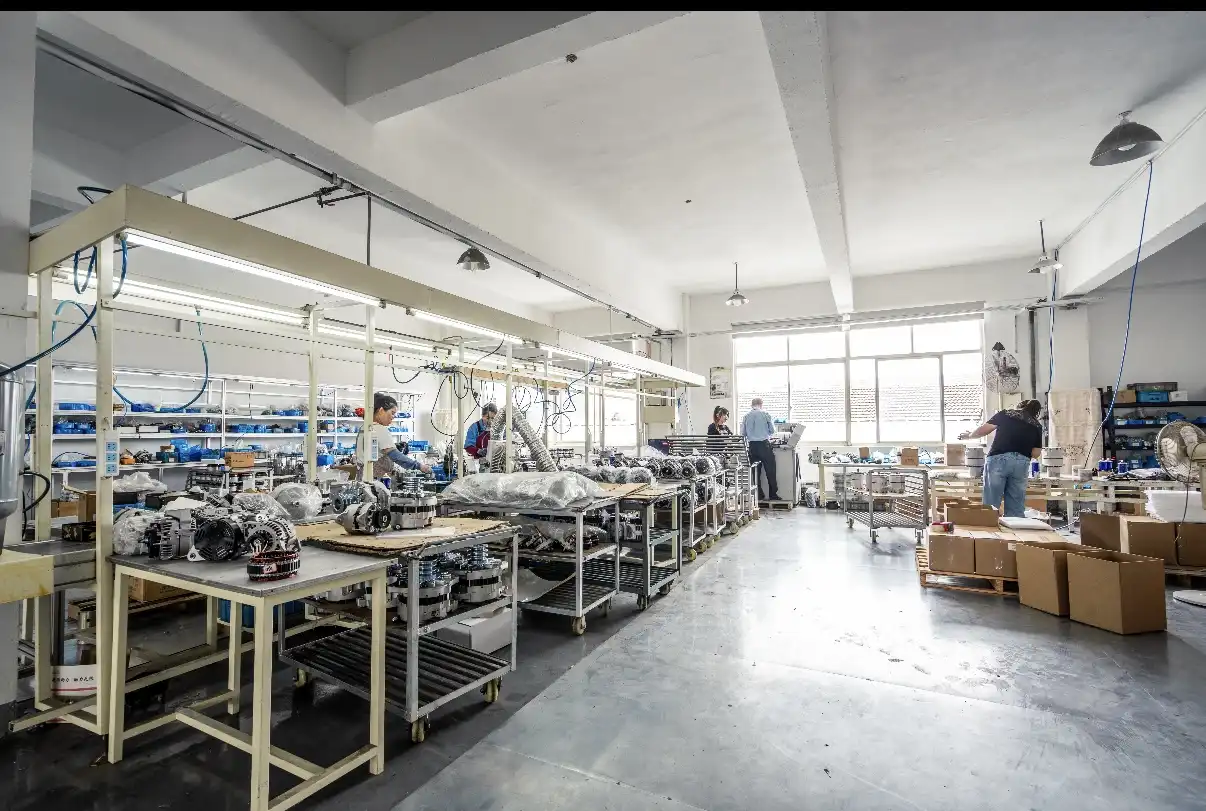
XITU has been making products for 28 years and can help buying teams find reliable charging system options. Our production plant is IATF 16949-certified, and the alternators they make are designed to work with DAEWOO and Komatsu excavators as well as industrial rental cars. As a well-known and affordable car alternator maker, we make sure that every unit goes through strict quality controls, such as full-load amperage testing, heat cycling verification, and voltage ripple analysis. Our engineering team can help you figure out how to match the exact alternator specs to your equipment needs, and our global logistics partnerships will make sure you get your order safely within 30 to 60 days. Get in touch with our team at arisa@xitu-auto.com to talk about how to make sure the products work together, how to try samples, and how to set up volume price that fits your needs.
References
1. Society of Automotive Engineers (2021). Automotive Electrical Systems: Design and Performance Standards. SAE International Technical Paper Series.
2. Mitchell, J.R. & Thompson, K. (2020). Heavy Equipment Electrical Systems Maintenance Manual. Construction Equipment Publishers.
3. International Automotive Task Force (2019). IATF 16949:2016 Quality Management System Requirements for Automotive Production. IATF Administration Office.
4. Chen, L. & Rodriguez, M. (2022). "Comparative Analysis of OEM and Aftermarket Alternator Performance in Commercial Applications." Journal of Automotive Engineering, 47(3), 215-229.
5. National Institute for Automotive Service Excellence (2021). Electrical/Electronic Systems Certification Study Guide. ASE Test Preparation Series.
6. Williams, D. (2020). Fleet Maintenance Management: Strategies for Maximizing Equipment Uptime. Industrial Press Technical Publications.