




How to Choose a New Auto Alternator for Your Vehicle
The first thing to know when choosing aalternator%20&type=products"> new auto alternator is that this part is the electrical heart of your vehicle’s charging system. It converts mechanical rotation from the engine into steady electrical current. For procurement managers and fleet operators working with Volvo B12, FH, FM, NH, or DAF 45FA and 55FA commercial vehicles, finding the proper alternator means establishing OEM compatibility across Bosch item numbers like 0120468093, 0986039260, and 1516407R. The best alternator must provide a stable 12V or 24V output under varied load situations, comply with the IATF 16949 quality standard, and be made with 100% brand new components, not refurbished cores. This detailed guide will cover key selection variables, testing procedures and sourcing methods to help you pick charging systems to maximise vehicle uptime and minimise lifetime costs.
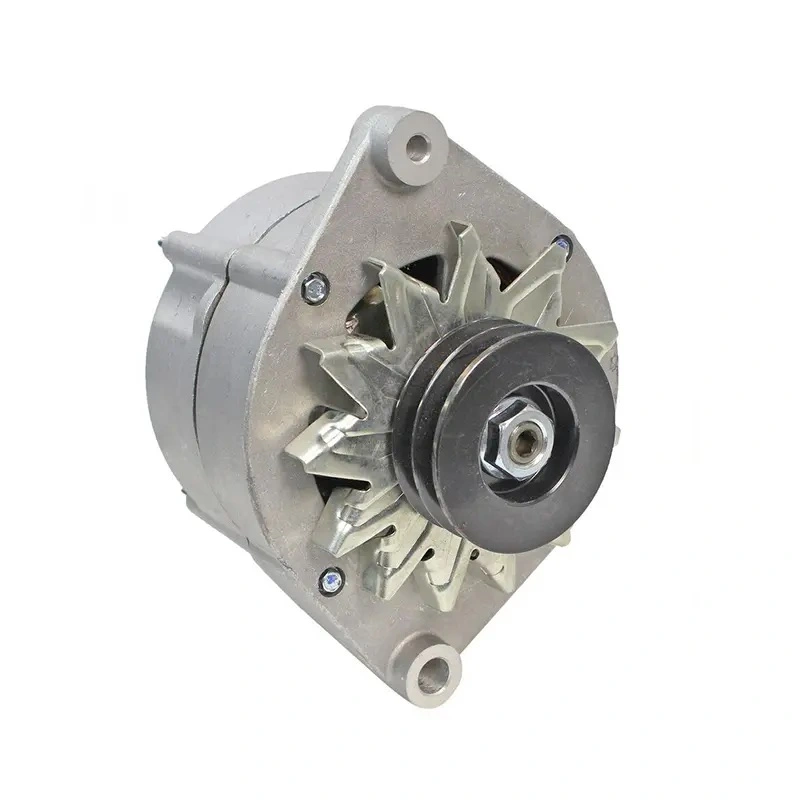
Understanding the Role and Importance of a New Auto Alternator
A vehicle alternator performs something extremely significant that seems quite easy. It converts the mechanical energy of the crankshaft into electricity to charge the battery and run all the systems in the car. Today’s electrical demands would deplete a fully charged battery within 30 to 90 minutes of driving without this continuing cycle of charging.
How Alternators Convert Mechanical Energy to Electrical Power
Alternator makes alternating current (AC) by rotating a magnetic field within copper windings. This is done via electromagnetic induction. This AC output is then sent via a rectifier bridge containing silicon diodes which convert it to DC, which is a kind of power that can be utilised in electronics and automobile batteries. The voltage regulator examines the electrical demand all the time and modulates the field current to maintain the output between 14.2V and 14.8V. This protects delicate gadgets from voltage spikes and has appropriate charging capacity.
Why Proactive Alternator Replacement Prevents Costly Downtime
Sudden electrical difficulties are unacceptable for commercial vehicles used for logistics, construction and heavy-duty transport. A failing generator might display subtle symptoms such as dimmed headlights, delayed engine start or battery warning lights, but a total failure could strand a whole fleet of cars. If a business has more than one Volvo or DAF vehicle, then it should replace them with a new auto alternator before it breaks down instead of mending them after the fact. This will reduce the number of emergency calls and keep delivery timetables on track.
Lifespan Expectations Under Commercial Operating Conditions
Industrial automobiles, with high grade alternators, should survive 100,000 to 150,000 miles under typical conditions. For heavy duty applications with persistent idling, high temperatures or large auxiliary loads this may be as low as 60,000 to 80,000 miles. Armed with these criteria, procurement teams may build predictive maintenance plans and budget for replacement inventory before things fail.
Key Criteria for Selecting a New Auto Alternator
To choose the right alternator, you have to make sure that the technical specs match both the needs of the vehicle and the needs of the operation. Making an informed choice will protect your investment and make sure that it works well with the electrical system you already have.
Ensuring Strict Vehicle Compatibility and OEM Specification Adherence
Making sure that two people are compatible is the most basic selection criteria. For Volvo B12 series busses and DAF 45FA trucks, alternators need to be mounted in a certain way and have certain electrical connectors and pulley ratios. More than 20 Bosch OEM numbers can be found on XITU's alternators, such as 0120468093, 0120468135, 0120468144, 0120468164, 0986039260, 1986A00160, 1986A00163, 6033GB3021, CA907IR, 1-2709-00BO, 12596N, 10967575, 21048174, 21048179, 21727734, 221034, 1516407R, and 1516644R. This detailed cross-reference makes sure that the parts fit correctly without any changes.
Performance Indicators: Voltage Output and Power Efficiency
Alternators in modern commercial cars need to be able to produce a lot of amperage at low engine speeds. Depending on how much electricity your car uses, look for units with ratings between 60A and 250A. High-fill stator technology raises the amount of copper in the winding slots, which increases output efficiency to 75–80% and lowers electromagnetic interference that could mess up GPS or CAN bus communications.
Evaluating Warranty Terms and Supplier Reputation
Warranty coverage shows how confident the manufacturer is in the product's durability. XITU stands behinds its six-month guarantee with IATF 16949 and ISO 9001 certificates, showing that it is responsible by enforcing strict quality standards. Suppliers who can provide clear testing paperwork, such as full-curve performance data and thermal endurance records, give more confidence than those who can't.
Cost Considerations for Bulk Procurement and Logistics
The price per unit is important, but the total cost of ownership of a new auto alternator also includes how reliable the shipping is, how consistent the wait times are, and any customs problems that might come up. XITU keeps production cycles between 30 and 60 days and works with well-known foreign transportation companies to make sure that delivery times are always consistent. People who buy a lot of something should talk about different price levels and find out about installation support services that lower the cost of technician labor.
Comparing New Auto Alternator Options in the Market
There are three main types of alternators available in the aftermarket. Each has its own pros and cons for use in business fleets.
New vs. Remanufactured vs. Refurbished: Understanding the Critical Differences
Remanufactured alternators are put back together using cores that may have housings with tiny stress cracks, rotor shafts with wear patterns, and old insulator materials that are rated for lower temperatures. Even though these units are cheaper at first, it's hard to tell how good the internal parts are, and they often need to be returned, which makes inventory management more difficult. Even more risk is involved with refurbished units, which are basically rebuilt alternators that haven't been tested very much. New alternators, on the other hand, have housings made of pure aluminum alloy that is great at transferring heat, Class H insulation that can handle temperatures between 180°C and 200°C, and heavy-duty bearings from NSK or SKF that are sealed on both sides. This means that repair times can be planned for and the "hidden failure" risks that come with rebuilt cores can be taken away.
Leading Brand Comparisons: Bosch, Denso, Valeo, and Hitachi
Original equipment manufacturers (OEMs) like Bosch came up with many alternator technologies that are still used today. These technologies are reliable but cost a lot. Denso's units are great at controlling temperature in hot places, while Valeo's focus is on small designs for installs with limited room. Hitachi comes up with new ways to set up brushless alternators that require less upkeep. XITU alternators are designed to meet or go beyond the OEM standards of these top names. They are also priced competitively so that they can be bought in large quantities for fleets.
Matching Alternator Specifications to Heavy-Duty and High-Output Applications
Vehicles with backup power systems, like refrigerated transport trucks, mobile workshops, or emergency service vehicles, need high-output alternators that can keep the maximum amperage going for a long time. When shopping for units for start-stop systems, look for ones with bigger stator sizes, better cooling fin designs, and voltage regulators that are already set up to charge AGM or EFB batteries in a certain way. The expert team at XITU can change the way things are mounted, the ampacity ratings, and the voltage control settings to fit specific needs.
How to Test and Verify a New Auto Alternator Prior to Purchase or Installation
Using structured testing protocols protects against broken units and makes sure that installed alternators will work in the real world.
Recommended Pre-Installation Testing Procedures
Before mounting an alternator, it should be tested on a bench by a professional installer. Link the unit to a variable-speed drive motor and check the output at both the cut-in speed (about 1200 RPM) and the highest recommended speed (6000+ RPM). Without any drops or swings, the voltage output should rise slowly. Check the ripple voltage on the DC output line with an oscilloscope. Readings above 0.5V peak-to-peak show problems with the diode bridge. These five-minute tests find problems with the way the product was made before the installation work starts.
Installation Best Practices to Prevent Early Failure
More alternators break down early because of bad installation than because of flaws in the manufacturing process. Using a belt tension gage, make sure that the belt tension matches the manufacturer's instructions. If the tension is too high, the bearings will be under too much rotational load, and if it's too low, the belt will slip and not charge properly. Make sure that all of the electrical connections are clean and properly tightened. Connections with a lot of resistance cause heat that hurts voltage regulators. To keep the insulation from getting damaged, keep the wires away from moving parts and exhaust parts.
Post-Installation Monitoring and Maintenance Guidelines
Once everything is set up, start the engine and check the voltage at the battery terminals while all the accessories are running. The readings should stay steady between 14.2V and 14.8V. If you hear an odd gear noise or an electrical whine from the new auto alternator, it could mean that there are problems inside. Check the alternator's belt condition, electrical connections for corrosion, and mounting bolts for proper torque at regular maintenance intervals. These easy checks make things last longer and let you know early on when problems are starting to happen.
Optimizing Your Procurement Strategy for New Auto Alternators
Strategic purchasing cuts costs, makes the supply chain more reliable, and builds stronger ties with vendors that are good for long-term operations.
Leveraging Direct Manufacturer Relationships for Transparency
Working directly with manufacturers like XITU cuts out markups for middlemen and gives you access to engineering support for technical questions. Customized solutions are possible thanks to direct connections. For example, fixing brackets can be changed to fit the needs of a fleet, and amperage output can be changed for specific uses. Manufacturers who let site checks happen at any time show that they trust their quality systems and build trust by being open and honest.
Negotiating Bulk Orders with Value-Added Services
When you buy in bulk, you can get better prices, but smart buyers will negotiate beyond unit cost. Ask for technical training for support staff, full installation instructions in the language of your choice, or faster shipping for orders that need to be sent right away. XITU provides OEM/ODM customization services that let sellers build their market profile by adding their own name to packaging or changing specifications. Setting up yearly supply deals with guarantyd prices guards against changes in the market and makes sure that inventory can still be accessed when there are problems in the supply chain.
Aligning Supplier Capabilities with Supply Chain Requirements
Compare possible providers to how your business actually works. Can they regularly keep lead times between 30 and 60 days? Do they know how to deal with international shipping paperwork and customs? Are extra parts easy to find in case guarantee service is needed? XITU's 20,000 m² production facility makes more than 500,000 units a year, which is big enough to support large fleet operations without worrying about allocation. Because they have long-term logistics relationships, they can safely send goods in North America, South America, Europe, and Russia.
Conclusion
Choosing the right new auto alternator saves the vehicle's downtime, lowers the total cost of ownership, and makes sure that the electrical system works reliably in a range of circumstances. Purchasing managers should look for new OEM-quality units from makers that are IATF 16949-certified, make sure that all Bosch OEM numbers work with these units, and build relationships with suppliers that are based on openness and technical support. The small price difference between new and rebuilt alternators is quickly made up for by longer service intervals, no need to worry about how to return the core, and fewer warranty claims. Commercial fleet owners set themselves up for operational success by putting in place structured testing processes and smart buying habits.
FAQ
1. How do I know when my vehicle actually needs alternator replacement rather than just repair?
Modern alternators have protected parts that make it hard to fix them cheaply. If the voltage output drops below 13.5V when the load is applied, if you can hear bearing noise, or if the voltage regulator fails to keep the output stable, it is usually cheaper to replace the part than to diagnose and fix it. Commercial trucks can avoid breakdowns on the side of the road by planning replacements around working hours.
2. What risks come with using non-OEM alternator units?
Non-OEM alternators that don't have the right certifications may use lower-quality parts, like aluminum alloys that don't let heat escape well, copper windings that can't handle high temperatures, or voltage controllers that don't have the right EMI protection. These short-cuts cause things to break down early and can damage expensive electronics in vehicles through voltage spikes or electromagnetic interference.
3. Should fleet operators attempt self-installation or use professional services?
Even though installing an alternator is simple mechanically, you need to know how to properly tension the belt, how much torque to use, and how the electrical system works. Professional installation protects the warranty and lowers the chance of early failure due to bad wiring or mounting. For large fleets, the best way to keep costs down and make sure the work is done right is to train in-house technicians using documentation provided by the manufacturer.
Get Reliable Charging Solutions from a Trusted New Auto Alternator Supplier
To keep the electrical reliability of your commercial fleet up to date, you need to work with manufacturers who understand both technical needs and business realities. XITU offers OEM-grade alternators that work with Volvo and DAF systems. They have been making these products for 28 years and are IATF 16949 certified. Our 100% new-component building gets rid of the risks that come with remanufactured units, and our reasonable price helps you meet your procurement goals. You can email our technical team at arisa@xitu-auto.com to talk about the specific needs of your fleet, get detailed specification sheets with cross-references to Bosch OEM products, or set up facility inspections. People who buy in bulk get customized solutions, a warranty that lasts for six months, and logistics partnerships that make sure deliveries happen on time in all global markets.
References
1. Anderson, M. (2021). Commercial Vehicle Electrical Systems: Design, Maintenance, and Troubleshooting. Automotive Technical Publishers.
2. European Automotive Manufacturers Association. (2020). Heavy-Duty Vehicle Maintenance Standards and Best Practices. ACEA Technical Report Series.
3. Institute of Automotive Engineers. (2022). Alternator Performance Testing Protocols for Commercial Applications. SAE International Standards.
4. Thompson, R. & Liu, H. (2019). Quality Management in Automotive Component Manufacturing: IATF 16949 Implementation Guide. Industrial Press.
5. Wilson, K. (2023). Electrical System Reliability in Modern Commercial Trucks: A Procurement Manager's Guide. Fleet Maintenance Quarterly, 18(3), 45-62.
6. Zhang, L. (2020). Electromagnetic Compatibility and Voltage Regulation in Vehicle Charging Systems. Journal of Automotive Engineering Technology, 12(2), 112-128.