




Affordable Car Alternator Guide: Prices, Quality, and Buying Tips
Choosing a reliable replacement alternator doesn't mean emptying your maintenance budget. Anproducts"> affordable car alternator that delivers professional-grade performance exists when you source from manufacturers with proven engineering capabilities and rigorous quality control. This guide walks you through the essential factors—pricing structures, quality benchmarks, and smart buying strategies—to help you secure dependable charging system components for commercial fleets, heavy equipment, and aftermarket distribution channels without compromising reliability or operational uptime.
Understanding Affordable Car Alternators: Functionality and Lifespan
How Alternators Convert Mechanical Energy to Electrical Power
Through electromagnetic induction, modern alternators turn the engine's rotating action into electricity. Alternating current is made when the rotor spins inside the stator windings. Rectifier diodes then change this current into direct current. This process charges batteries all the time and powers electronics, lighting, and control systems. Quality aftermarket units are just as efficient as OEM designs, but they're cheaper to buy because they use more efficient manufacturing methods and can be made in large quantities.
Typical Service Life in Commercial Applications
Under normal conditions, heavy-duty alternators in business companies or building equipment should last between 3,000 and 5,000 hours. Extremes in temperature, shaking levels, dust exposure, and load patterns are some of the things that affect how long something lasts. When compared to cheap parts that break quickly because of heat stress or bearing contamination, units made with high-purity copper windings and double-sealed bearings last a lot longer. Testing the voltage output on a regular basis helps find problems before they become so bad that they stop working completely.
Early Warning Signs Your Fleet Should Monitor
Early detection of alternator wear and tear helps avoid expensive breaks on the side of the road and electricity problems that spread. Watch out for headlights that dim when the car is not moving, an engine that cranks slowly even though the battery is new, dashboard warning lights that come on and off, or strange bearing noises near the alternator pulley. When all electrical loads are turned on, the voltage should be 14.2V to 14.8V when the system is not being used. Measurements outside this range indicate regulator malfunction or insufficient output capacity, requiring immediate inspection and planning for an affordable car alternator replacement.
Voltage and Amperage Specifications for Different Vehicle Types
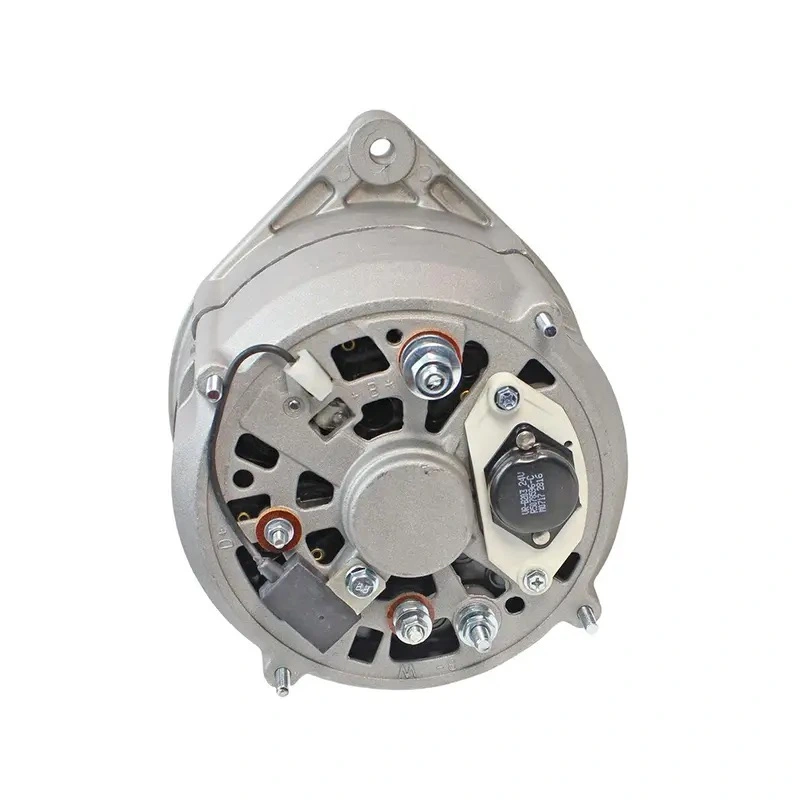
By choosing the right electrical power values, you can avoid both undercharging and overheating of components. Most light-duty cars need 12V devices that can output 80A to 120A. For stable starting and extra power needs, big trucks and heavy equipment use 24V systems with 60A to 100A capacity. The XITU 24V 60A alternator works with DAEWOO (220-5, DH2205, DH2203), HYUNDAI R220-5, and Komatsu PC300-6 excavators that have S6D108 engines. It keeps the electricity flowing even when the conditions are rough, like in construction and mining.
Comparing Affordable Alternators: Quality, Brands, and Warranty Options
Material Composition and Performance Reliability
The main difference between cheap and expensive alternators is the materials they are made of and how well they are put together. High-performance units have electrolytic copper windings instead of aluminum ones, which makes them better at conducting electricity and getting rid of heat. Thermal loads are handled well by aluminum alloy housings with improved fin shapes. High-quality carbon brushes last 40–60% longer than cheap ones, and slip rings that are precisely made lower electrical resistance and wear. These big investments directly lead to longer service intervals and lower total costs of ownership for fleet owners who are in charge of hundreds of vehicles.
Trusted Manufacturers and Their Market Positioning
Established names like Denso, Bosch, and Valeo can charge higher prices because they have worked with OEMs for decades and spent a lot of money on research and development. When it comes to passenger cars, where small size and quiet operation are most important, their products really shine. Professional companies that make products for business and industry can provide similar performance at 40–60% lower costs by focusing on durability over esthetic refinement. With 28 years of manufacturing experience and IATF 16949 certification, XITU can deliver OEM-equivalent specifications with high-purity copper windings and vacuum-impregnated rotors. This makes sure that construction equipment, agricultural machinery, and commercial transportation fleets all work reliably.
Warranty Terms and After-Sales Support Considerations
Quality alternators come with standard warranties that last between six months and two years. This shows that the maker trusts the part to last a long time. Under a comprehensive warranty, problems with the way the product was made, failed bearings, and broken regulators are covered. However, damage caused by bad fitting or electrical system faults is not covered. Buyers should make sure that the insurance covers new units as well as repairs, since policies that only cover repairs can cause longer downtime. Suppliers who offer expert help for installation issues and advice on voltage checking add value, which cuts down on callbacks and builds long-term relationships. Certification to ISO 9000 standards and written quality control methods give even more confidence in uniform performance from batch to batch.
Maintenance and Installation Tips for Affordable Car Alternators
Routine Service Practices That Extend Operational Life
In harsh commercial settings, proactive care greatly increases the life of an affordable car alternator. Every month, check the drive belts for cracks, glazing, or the right amount of tension. Loose belts cause undercharging, and overtightened belts stress the bearings too soon. Every three months, clean the outside to get rid of oil residue and dust buildup that make it harder for the car to cool down. Check the electrical connections for rust and make sure the battery terminals and generator mounting bolts are tight to keep the right grounding. Every 500 hours of operation, check the voltage output under load conditions to see if performance is getting worse before it fails completely. These easy steps stop 70% of alternators from breaking down too soon in truck operations.
Step-by-Step Installation Overview for Workshop Teams
Installing something correctly makes sure it works well and keeps damage from voiding the warranty. To avoid electrical sparks, disconnect the negative end of the battery before you start working. Get rid of the serpentine belt and the electrical links. Mark the wire places so you can put the parts back together correctly. Unbolt the brackets that hold the generator in place, and carefully remove the unit without hurting any nearby parts. Place the new unit and make sure that the housing measurements and pulley distance match the originals so that it can be dropped in. Tighten the mounting bolts to the manufacturer's specifications, connect the electrical harnesses again, and put the drive belt in place so that it is properly tensioned. Before putting the equipment back into work, reconnect the battery and test the voltage output.
Troubleshooting Checklist for Repair or Replacement Decisions
Systematic diagnosis is needed to decide whether to fix or replace something. Check the state of the battery. A failing battery can look like an issue with the alternator and lead to a wrong diagnosis. With the engine running at 2,000 RPM, use a multimeter to check the voltage coming from the alternator. If the reading is below 13.5V or above 15V, it means the regulator is broken and needs to be replaced. Check the drive belt for movement that could be causing charging to happen and off. Listen for noise from the bearings that means a mechanical failure is about to happen. Compare the cost of fixes to the cost of replacements. If repairs cost more than 60% of the cost of a new unit, replacement is the better option. When bought from certified rebuilders with clear testing procedures, remanufactured alternators can be a long-term solution for businesses that want to save money.
Where and How to Buy Affordable Car Alternators: Procurement Insights
Reputable Manufacturers and Distribution Channels
To find reliable alternators, you have to check the certifications and production skills of potential providers. Manufacturers with IATF 16949 approval show that they have quality management systems that meet the standards for the car industry and can be fully tracked. Ask for facility audits or reports from third parties that inspect the facility to confirm the claimed production capacity and testing equipment. When you work directly with a manufacturer, you avoid the markups that distributors add, and you can get technical support and custom ODM solutions. Online business-to-business (B2B) sites like Alibaba International connect buyers with approved sellers, but buyers still need to do their research. Wholesalers of industrial parts can combine shipping for orders with multiple parts, but they charge extra for this service, which can be avoided by directly getting the parts.
Pricing Trends and Negotiation Strategies for Bulk Orders
Prices for 24V 60A alternators on the market right now range from $85 to $180 per unit, based on how many are ordered and where the seller is located. When you buy 50 or more units at once, you can usually get 15 to 25 percent off the list price. When you sign an annual contract with a volume promise, you get better prices and first choice for production plans during busy times. To find ways to negotiate, you should ask for thorough quotes that break down unit costs, tooling fees for special specifications, packaging costs, and logistics charges. Standard payment terms include a 30% deposit and the balance due when the shipping documents are received. However, customers who have done business with you before may be able to get longer terms, which lowers their need for working capital.
Logistics Considerations and Lead Time Planning
To keep inventory levels steady, international buying means coordinating production plans with shipping schedules. Most manufacturers give lead times of 30 to 60 days from the time an order is confirmed until the ship leaves port, but established relationships may be able to speed up urgent needs. Shipping containers from Asian production hubs to US ports takes an extra 18–25 days, and clearing customs takes an extra 3–5 days. Air freight cuts travel time to 5–7 days, but it costs $12–18 per unit, so it's only worth it for emergency restocking. Cooperate with freight forwarders who know how to package automotive parts correctly so they don't get damaged during transit. FOB prices put the cost and duty of shipping on the buyer, while DDP prices include delivery to your office but raise the unit price to reflect this.
Procurement Considerations for Different Equipment Brands
Affordable car alternator options should not be confused with equipment-specific alternators, which need to be matched exactly by OEM number to make sure they work with the equipment and are mounted correctly. Alternator OEM numbers 25026006, 25026006C, and RK390045 are used by DAEWOO loaders, while 30090100071 is used by DOOSAN equipment. Komatsu PC300-6 machines with S6D108 engines need alternators that have a certain amount of amperage and can be mounted in a certain way. Check provider compatibility charts against the equipment you already have to avoid problems with fitment that slow down installation and cost more in work. Certified sellers keep large cross-reference databases and offer expert help to make sure that products are compatible before an order is placed. This greatly lowers the risk of procurement.
How to Choose the Right Affordable Car Alternator: Decision-Making Framework
Core Selection Criteria for Business Purchasers
By matching alternators to operating needs, price and performance needs can be balanced. Figure out how much power you need by adding up all the electrical loads, like lights, control systems, and other equipment. Alternators that are too small drain the battery slowly and break down early. Check the weather for things like extreme temperatures, high levels of vibration, and dust that need sealed housings and heavy-duty bearings. Think about how often the equipment is used. Machines that run for 12 hours or more every day need higher-quality parts than cars that are only used occasionally. When making a budget, you shouldn't just look at the acquisition cost. You should also think about the total cost of ownership, which includes the purchase price, the labor to install it, the warranty coverage, and the expected service life.
Technical Specification Assessment Tools
A thorough study of the specifications stops problems with compatibility and poor performance. Make sure the voltage level matches your tools. Putting 12V and 24V systems together will damage them right away. Make sure the wattage output meets the peak electrical demand and leaves 20% extra for when you add more accessories in the future. Check the compatibility of the pulley configuration and belt type, as designs that don't match up need extra adapter parts. Compare the mounting bracket's sizes and pin patterns to the original equipment to make sure the fitting is lined up correctly. Ask providers for technical drawings and wiring diagrams to help you plan your workshop and cut down on mistakes during installation that can void warranties.
Building Long-Term Supplier Relationships for Fleet Operations
Strategic partnerships with qualified alternator manufacturers offer benefits that go beyond the price per unit. When the quality of a product stays the same from batch to batch, it cuts down on the number of inspections and guarantee claims that use up valuable organizational resources. Priority ordering for production makes sure that parts are available during times when equipment needs to be maintained a lot, which costs a lot more. Technical teamwork on special specs makes alternators work best in places with extreme temperatures or platforms with a lot of vibration. When you make an annual volume promise, you get better prices and a secure supply chain that saves you from market disruptions. Regular performance reviews help everyone understand how to better meet changing operational needs and find ways to improve.
Conclusion
To get a good affordable car alternator at a good price, you need to make smart buying choices based on technical specs, supplier qualifications, and a total cost analysis. The market for replacement charging systems is really valuable when buyers put proven manufacturing skills, strict quality control, and full after-sales support ahead of getting the cheapest deal. Equipment owners who are in charge of business teams, building equipment, or farm vehicles can get a lot out of partnerships with approved makers that offer OEM-equivalent performance without charging dealer prices. Strategic sourcing that focuses on long-term dependability and ties with suppliers lowers upkeep costs and increases the supply of equipment.
FAQ
1. How often should commercial vehicles replace alternators to maintain peak performance?
Instead of being set in stone, preventative replacement times rely on how things are working. Heavy-duty uses in mining or building sites usually need to be replaced every 3,000 to 4,000 hours of use. In normal conditions, highway transport fleets can go 4,000 to 6,000 hours before they need to be replaced. Replacing parts before they break during scheduled overhauls stops problems before they happen and lowers the cost of emergency service. By checking the voltage every 500 hours, you can see if the performance is going down early and schedule repair that keeps downtime to a minimum. This also protects the battery from repeated undercharging, which extends its life.
2. Can different brand alternators install across various equipment models?
When alternators have the same electrical specs, mounting measurements, and pulley setups, they are cross-brand compatible. Through precise OEM number cross-referencing, the XITU 24V 60A generator can be used with a wide range of equipment, such as DAEWOO excavators (220-5, DH2205, DH2203), HYUNDAI R220-5, and Komatsu PC300-6 types. Before you buy, use thorough specification sheets and OEM number databases to make sure that the items will work together. Professional suppliers offer technical support to make sure that the parts fit and work with the electricity. This keeps expensive mistakes from happening during the buying process that delay maintenance and raise labor costs.
3. What warranty coverage should bulk alternator purchases include?
Most good makers give full warranties that cover manufacturing flaws, component failures, and performance issues under normal working conditions for six months to a year. To keep equipment downtime to a minimum, warranty terms should cover replacement as well as repair. Make it clear what is not covered for damage to the installation, problems with the electricity system, or damage to the environment that goes beyond what was planned. To judge the quality of post-sale help, ask how to file a warranty claim and how long it usually takes for an answer. Suppliers with ISO 9000 and IATF 16949 certifications show that they have quality control systems that test products thoroughly and make it easy to track each batch. This lowers the number of guarantee claims.
Partner With XITU for Reliable Alternator Solutions
Professional-grade alternators made to OEM standards are available from XITU to help you with your equipment repair and buying needs. With 28 years of experience and IATF 16949 certification, we can guaranty that every unit that leaves our 20,000 m² facility is of the same high quality. When used with DAEWOO, HYUNDAI, and Komatsu equipment, the 24V 60A alternator works reliably in tough industrial and building settings. We offer flexible ODM options, lead times of 30 to 60 days, and a warranty that covers your products for six months with quick expert support. You can email our team at arisa@xitu-auto.com to talk about your alternator needs, get technical specs, or get bulk pricing for your fleet operations. Check out our full line of charging system solutions at xitu-auto.com. They are designed for affordable car alternator suppliers looking for long-term manufacturing partnerships.
References
1. Society of Automotive Engineers, "Heavy-Duty Alternator Performance Standards for Commercial Vehicles," SAE Technical Paper Series, 2023.
2. International Automotive Task Force, "IATF 16949:2016 Quality Management System Requirements for Automotive Production," 2016.
3. Construction Equipment Maintenance Council, "Best Practices for Electrical System Maintenance in Heavy Equipment," Annual Industry Report, 2024.
4. American Trucking Associations, "Fleet Maintenance Cost Benchmarking Study: Electrical System Components," 2023.
5. Institute of Electrical and Electronics Engineers, "automotive alternator Design and Testing Protocols," IEEE Standards Association, 2022.
6. National Institute for Automotive Service Excellence, "Alternator Diagnosis and Replacement Procedures for Commercial Vehicles," ASE Certification Study Guide, 2024.