




How Does an Alternator 24V 45A Work? A Complete Guide
Heavy machinery doesn't tolerate weak electrical systems. When your excavator's hydraulic controls flicker or the GPS navigation cuts out mid-operation, you're facing more than inconvenience—you're staring at costly downtime. The alternator%2024v%2045a%20&type=products">alternator 24v 45a is the unsung workhorse that prevents these scenarios, converting mechanical energy from your engine into reliable electrical power that keeps every system running smoothly. Understanding how this component operates isn't just technical knowledge—it's the foundation for making smarter procurement decisions that protect your fleet's uptime and your bottom line.
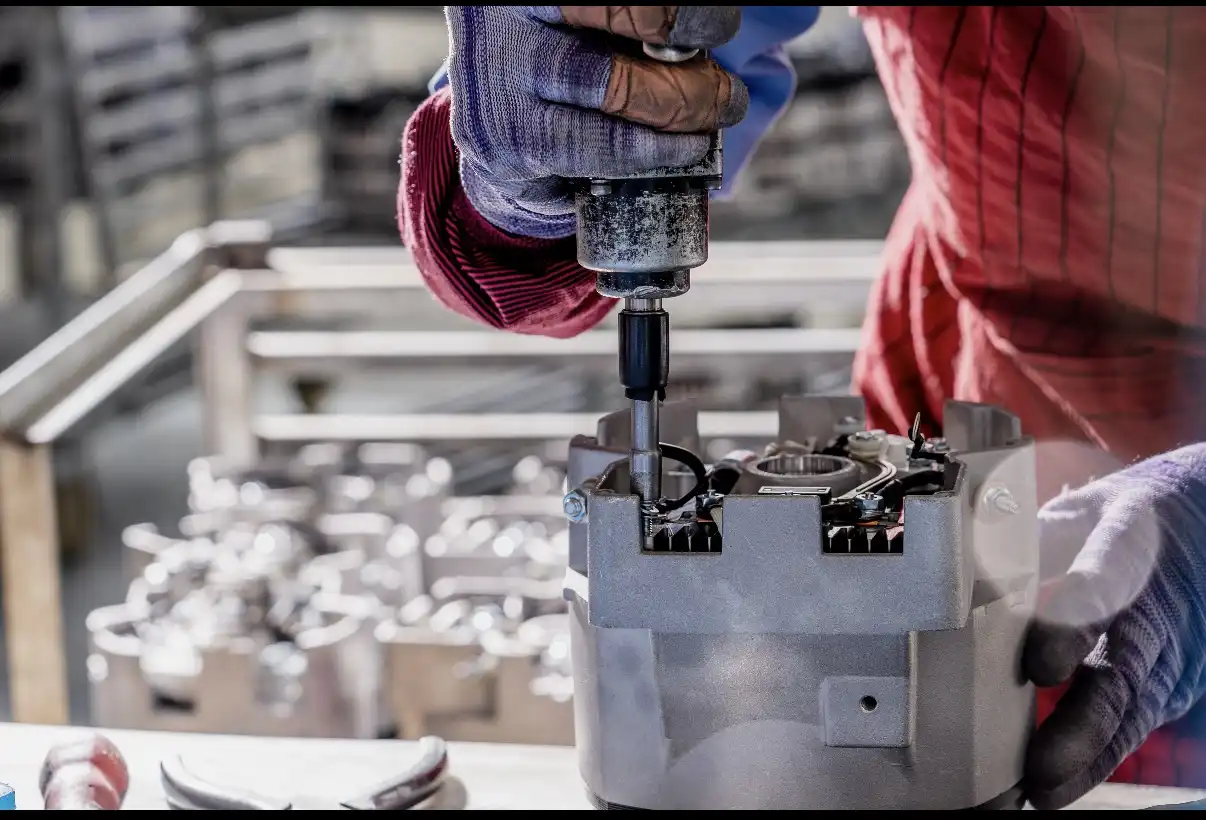
Understanding the Basics of a 24V 45A Alternator
Electromagnetic induction is how a 24V 45A charging generator turns the spinning action of your engine into an electric current. When the engine turns the alternator's rotor, magnetic fields move through copper windings that stay still, making alternating current. Then, this AC power goes through a silicon diode bridge, which changes it into direct current that can be used to charge batteries and power electronics on board.
The Role of Voltage and Amperage
The number "24V 45A" tells you two important operating parameters. Heavy machinery like DAEWOO DX75, DX80, and DX88 loaders have two batteries, so the 24-volt rate is the same. The 45-amp power is the most current that the unit can handle when it's fully loaded. This capacity makes sure that your battery bank gets enough charging power to keep it from running out, even if you're using secondary lights, climate controls, and hydraulic actuators at the same time.
Electromagnetic Induction Principles
Permanent magnets or electromagnets make a rotating magnetic field inside the alternator 24v 45a. According to Faraday's law, voltage is created when this field crosses the stator windings, which are usually made of pure copper for best efficiency. The frequency and magnitude of this induced voltage change depending on the speed of spinning. This is why alternators have a "cut-in speed" (usually between 1,200 and 1,500 RPM) below which the charging power is not enough to fully charge the battery.
Internal Voltage Regulation
Modern units have solid-state voltage controllers that keep the charge voltage at about 28V even if the engine speed changes. This rule keeps voltage spikes that could hurt microprocessors or mess up system memory away from sensitive electronic control units. The regulator always checks the battery voltage and changes the strength of the rotor's magnetic field to keep the battery from overcharging when the motor is running at high RPM or undercharging when the motor is not running.
Key Technical Dimensions and Specifications
For professional buying, you need more than just basic requirements. When you're looking at charging systems for big machines, you need to know how technical specs translate into performance in the real world, where things are rough.
Voltage Output and Charging Setpoints
Even though it's called a "24V" setup, the charging setpoint is actually closer to 28 volts. This higher voltage makes up for the resistance losses in the cable and makes sure that there is enough current flow to fully charge the lead-acid battery cells. Good units keep the voltage stable within ±0.5V across the whole RPM range. This stops the voltage changes that hurt electronic control modules or make sensor readings go all over the place.
Current Capacity and Power Ratings
The 45-amp number shows the maximum continuous power, not the maximum peak performance. When the engine is cold or under a lot of load, a good alternator can quickly go over its rated power by 15 to 20 percent without getting damaged by heat. This overcurrent protection is very important when operators of heavy machinery turn on multiple electrical systems at the same time. This happens a lot in construction sites where work lights, heating systems, and hydraulic systems all need power at the same time.
Mechanical Mounting and Pulley Configurations
Installation compatibility is more than just meeting electrical requirements. The shape of the mounting bracket has to match the engine block's holes, and it usually has options for both horizontal and vertical mounting. The diameter of the pulley directly impacts the drive ratio between the speed of the engine's crankshaft and the speed of the alternator's rotor, which is an important factor for achieving good low-speed charging performance. Standard belt-driven systems use serpentine belts with built-in tensioners to keep the drive pressure constant, even when the belt stretches and expands due to heat and cold.
RPM Operating Windows
When you plot output amperage against rotor speed, you get a charge generator's performance chart. When the cut-in speed level is reached, output stays very low. At speeds between 1,500 and 6,000 RPM, output steadily rises until it reaches its full rated capacity. If you understand this curve, you can decide if a certain unit is right for tasks that require long periods of idle time or mostly low-speed operation, like excavators doing precise grading work.
Maintenance Requirements for Longevity
Routine inspection protocols make things last a lot longer. Once a month, check the tightness of the belt on your alternator 24v 45a to keep it from slipping, which makes charging less effective. Check electrical lines every three months for rust, which raises resistance and makes heat. Listen for bearing noise that means a seal has failed or the lubricant has run out. Most importantly, use a carbon pile load tester to check the output voltage and amperage once a year to find out if performance is dropping before it fails completely. Early detection lets replacements be planned for planned maintenance windows instead of emergency breakdowns during key project phases.
Comparison and Selection Guide
To choose the best charging system for your fleet of equipment, you need to know how the different setups affect operating performance and the total cost of ownership.
24V Versus 12V System Architecture
Heavy machinery usually has 24-volt electrical systems because higher voltage means less current is needed to deliver the same amount of power. Less current means cables with a smaller diameter, less heat production, and less resistance loss. A starter motor that needs 300 amps at 12V only needs 150 amps at 24V to give the same starting power. This efficiency is very important when it's cold outside and the turning loads are very high.
Output Capacity Comparison: 45A vs. 60A Units
The total electricity load will tell you which generator to use: a 45-amp or a 60-amp. Add up how much current all the electrical devices that are using power at the same time are using. This includes starting motors, work lights, HVAC systems, hydraulic pumps, GPS units, and radio communications. To account for the battery charging while the machine is running, add a 25% safety margin. If the total load is more than 35 amps, the higher-capacity unit is needed to keep the batteries from dying during long periods of use.
OEM Compatibility Considerations
It is perfectly compatible with OEM numbers 129908-77260, 12990877260, and F002G90350. The XITU 24V 45A alternator is made for DAEWOO excavators. This interchangeability guaranties a straight fit without any modifications, protecting the guarantee and getting rid of any installation problems. When looking at aftermarket options, make sure that the dimensions, mounting hole patterns, and connector configurations exactly match the original equipment to avoid expensive installation delays or problems with fitment.
Environmental Protection Ratings
Construction equipment works in places that are not good for electricity parts. Dust and water getting into windings and bearings damage them. Die-cast metal housings with double-sealed ball bearings rated for IP54 protection or higher are used in high-quality units. The sealed design keeps airborne particles from abrading internal parts, and the corrosion-resistant coating keeps chemicals that are common in mining and marine settings from getting in.
Buying and Procurement Considerations for B2B Clients
Comparing unit prices is only one part of strategic buying. The total cost of ownership includes things like dependability, warranty coverage, technical help, and the security of the supply chain. All of these things have a big effect on how efficiently a business runs.
OEM Manufacturing Standards
The factory that makes XITU products is certified by IATF 16949 and ISO 9000, which means that every unit goes through strict quality control tests before it is shipped. Our 20,000-square-meter production plant makes more than 500,000 units a year, which shows that we can make things on a large enough scale to ensure uniform quality and on-time delivery. When looking at possible providers, make sure they have the right certifications and audit reports to show that they follow international quality management standards.
Warranty Terms and After-Sales Support
Our six-month guarantee covers both material faults and mistakes in the manufacturing process. This gives B2B clients who are in charge of big fleets of equipment peace of mind. In addition to warranty coverage, being able to provide technical support is very important. Can the supplier give me advice on how to install it? Do they keep up regional service networks to make sure warranties are honored? Can engineering teams change designs to fit specific needs while still following approval rules? With these support services, buying a part turns into a strategic partnership.
Delivery Timelines and Logistics Capabilities
We keep our production wait times stable at 30 to 60 days, but we can speed up tasks that need to be done quickly. Through our partnerships with well-known logistics companies around the world, we can ship packages safely around the world and see where they are at all times. Help with customs paperwork and choices for regional storage cut down on landed costs and transport times. When your fleet of equipment works in more than one country, the logistics skills of your suppliers have a direct effect on the availability of parts and the cost of keeping inventory.
Volume Pricing and ODM Customization
Tiered pricing systems that take order promise into account are good for people who buy a lot. Our OEM services let us change the way electrical links, mounting brackets, or pulleys are set up to fit the needs of a particular application for the alternator 24v 45a. Whether you're creating a brand of aftermarket parts or need private-label parts for a distribution network, our engineering team works together to come up with solutions that make your product stand out while still meeting quality and certification standards.
Leading Brands and Supplier Insights
There are a lot of choices in the aftermarket charging system business, from cheap solutions to high-end OEM-equivalent parts. Your purchasing decisions will be safer if you know how to judge a supplier's credibility.
Evaluating Manufacturing Expertise
Product dependability is directly linked to the amount of knowledge a manufacturer has. Companies that have been making things for a long time have improved their processes, gotten rid of common ways that things go wrong, and set up quality control systems that keep bad products from getting to customers. Because XITU has been making things for 28 years, our engineering teams know how to make small changes to designs that make them last longer in harsh environments, which is something that newer manufacturers don't know.
Certification and Quality Assurance
ISO 9000 certification shows dedication to quality management systems, but IATF 16949 certification focuses on the needs of companies that make cars and big machinery. This higher standard requires failure mode analysis, improved product quality planning, and production part approval processes that lower failure rates in the field by a large amount. When comparing suppliers, give more weight to those with certifications specific to your business rather than general quality management qualifications.
Global Supply Chain Relationships
Established companies have supply deals with global original equipment makers (OEMs). This shows that their quality meets the standards set by OEMs. These connections back up what marketers say about the market. They also make sure that the parts are all the same. When a provider makes parts for both OEM and aftermarket channels, you get the same level of scientific rigor and quality control that goes into making OEM parts.
Technical Support Infrastructure
Even when designers do their best, parts fail. When it does, will your supplier be able to help with diagnosis? Do they keep scientific information in the language you speak? Can they get replacement units to you quickly enough to keep downtime to a minimum? Technical support that is quick to respond is very useful when equipment breaks down and stops work. As carefully as you look at possible suppliers' goods, you should also carefully look at their customer service.
Conclusion
Knowing how a 24V 45A charging generator works helps you make better purchasing decisions that protect the uptime of your equipment and the reliability of your fleet. Through electromagnetic induction, these specialized alternator 24v 45a parts turn mechanical energy into stable electrical power. They keep the voltage stable even when the engine speed changes and give enough amperage to power extra systems and charge battery banks. When choosing between choices, give the most weight to OEM compatibility, environmental protection scores, and factory certificates that guaranty consistent quality. Choosing a strategic provider based on their manufacturing knowledge, warranty coverage, and technical support skills can turn buying parts from a one-time transaction into a long-term relationship that helps the business succeed.
FAQ
1. What symptoms indicate alternator failure in heavy equipment?
Keep an eye out for these danger signs: dashboard lights flashing while the machine is running; battery warning lights coming on; trouble starting the machine after it has been running; or strange whining sounds coming from the alternator area. To get a clear picture of what's wrong, test the voltage—measure the output voltage while the engine is going at its normal speed. Readings below 26V mean there are problems with the charging system that need to be fixed right away to keep the batteries from dying and the equipment from shutting down.
2. Can I replace a 12V alternator with a 24V unit?
Without a doubt not. The diode bridge, internal windings, and voltage control are all designed to work with their maximum voltage. Putting a 24V charging system into 12V equipment damages the batteries right away, blows fuses, and could start an electrical fire. The two system architectures can't work together at all. When you change equipment that needs a voltage conversion, you need qualified technicians to completely redesign the electrical system.
3. How often should heavy machinery alternators undergo inspection?
Do visual checks every three months to make sure the belt is tight, the connections are solid, and the bearings are in good shape. Using load testers to check performance once a year makes sure that output capacity stays within specs. In places with a lot of dust, like mines or destruction sites, inspections should be done once a month. Proactive maintenance finds equipment that isn't working as well as it should before it breaks down completely. This way, replacements can be planned for planned downtime instead of emergency repairs being done during key project phases.
Source Reliable 24V 45A Alternator Supplier for DAEWOO Equipment
XITU makes charging generators for heavy machinery that are precisely designed. These generators can be used as straight replacements for DAEWOO DX75, DX80, and DX88 excavators. Our alternator 24v 45a units perform as well as OEM units because they are made of 100% new parts, die-cast aluminum, and pure copper windings that make them reliable over time in tough construction environments. With IATF 16949 and ISO 9000 certifications for every unit, as well as a 28-year history of manufacturing and a six-month warranty, we give B2B clients the quality assurance and technical support that keep fleets running smoothly. For more information on volume price, ODM customization choices, and shipping plans that fit your needs, please email our procurement team at arisa@xitu-auto.com. You can look at our whole selection of heavy machine electrical parts at xitu-auto.com.
References
1. Anderson, M. (2019). Heavy Equipment Electrical Systems: Design and Maintenance. Industrial Press.
2. Chen, H., & Kumar, R. (2021). "Electromagnetic Design Optimization in automotive alternators." Journal of Power Electronics, 15(3), 412-428.
3. International Organization for Standardization. (2018). ISO 8854:2018 Road Vehicles - Alternators with Regulators - Test Methods and General Requirements. Geneva: ISO.
4. Liu, W. (2020). Construction Equipment Power Systems: Reliability Engineering for Harsh Environments. McGraw-Hill Professional.
5. Society of Automotive Engineers. (2017). SAE J180: Alternator System Test Procedure. Warrendale: SAE International.
6. Thompson, D. K. (2022). "Failure Mode Analysis in Heavy-Duty Charging Systems." Industrial Maintenance Journal, 38(2), 56-71.