




Heavy Duty Alternator vs. Standard Alternator: What's the Difference?
When you're managing a commercial fleet or sourcing components for agricultural and construction equipment, choosing between aalternator&type=products"> heavy duty alternator and a standard alternator can determine whether your operations run smoothly or face costly downtime. The fundamental difference lies in their design philosophy: heavy duty alternators deliver high amperage output (typically 180A to 450A+), feature reinforced internal components like heavy-duty bearings and Class H insulation copper windings, and withstand extreme thermal and mechanical stress during 24/7 operation. Standard alternators, optimized for passenger vehicles, provide moderate power (60A to 150A) suited for intermittent use and lighter electrical loads.
Understanding Heavy Duty Alternators and Standard Alternators
What Defines a Heavy Duty Alternator?
Industrial-grade alternators are made to work in harsh conditions where regular car parts don't work well. Oversized copper hair-pin windings are used in these units to get the most current through them. They also have quality dual-sealed ball bearings (often NSK or SKF brands) to handle high belt stress and advanced thermal management systems with two cooling fans inside. The design focuses on delivering steady power at low idle speeds, which is important for modern communications, hydraulic systems, and extra equipment that keep running even when engines aren't running at full speed.
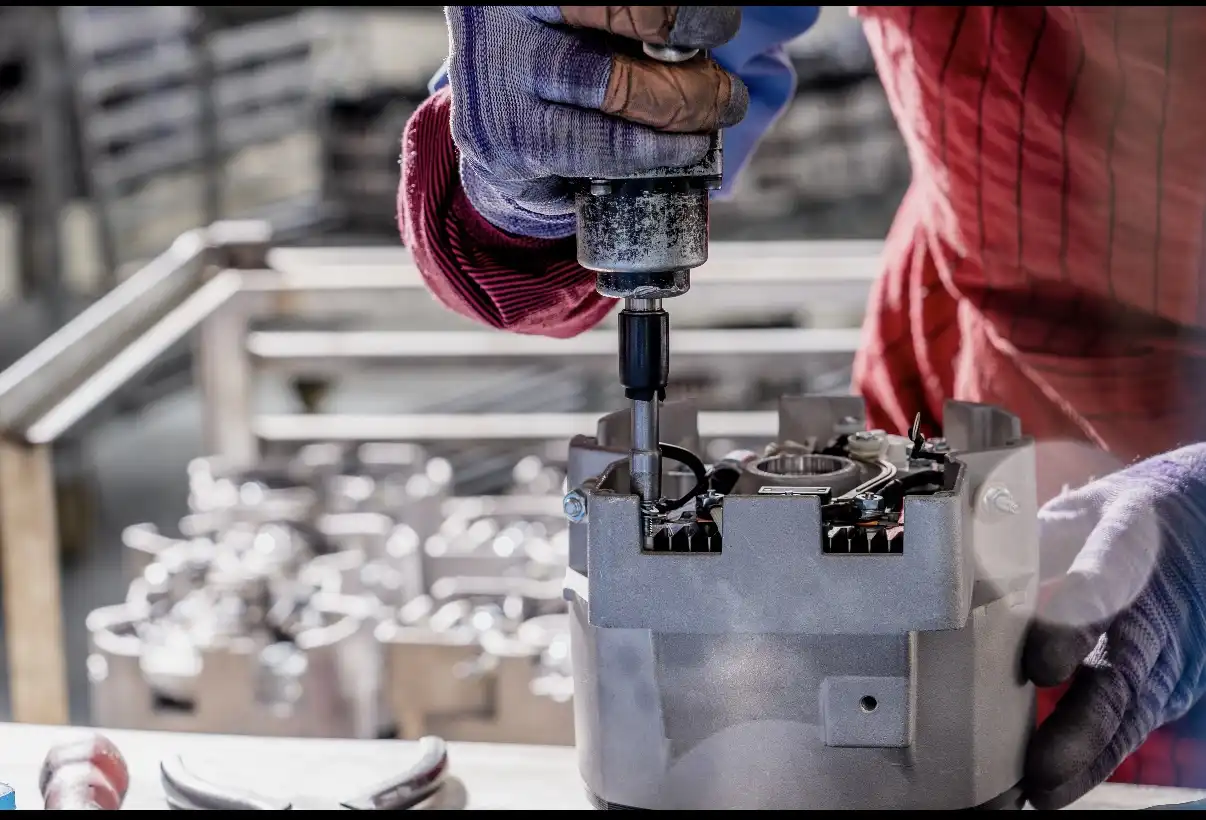
These units are made by XITU with metal housings that don't rust or shake, copper windings that keep working well in high temperatures, and fully sealed safety against dust and water getting in. Our production facility is 20,000 m² and is IATF 16949 certified. Before being shipped, we make sure that every alternator meets strict quality standards.
Standard Alternator Applications and Limitations
Standard alternators work well in light-duty machinery and passenger cars where the electricity needs are modest and the conditions of operation are mostly stable. These units are usually made of lighter materials, have smaller bearings, and have thermal rates that are good for stop-and-go city drives. But when normal alternators are put under constant high loads, like powering refrigerated trailers, emergency car lights, or the hydraulics of building equipment, they wear out faster, overheat, and break down before they should.
This problem comes up a lot for procurement teams that are in charge of mixed fleets: a part that looks good on paper breaks within months because it's being used in conditions that are too harsh for its design. Knowing these limits helps keep you from making expensive mistakes when matching equipment needs to part specs.
Key Functional Disparities
The voltage ranges that these two types can handle are very different. Industrial-grade units deliver 60–70% of their peak rated current even at low idle speeds and keep their output stable over a wider range of RPMs. Standard alternators, on the other hand, need faster engine speeds to get close to their stated capacity. Different models are also made of different materials. Heavy duty models have stronger brush handles, rectifiers with high-amp press-fit diodes, and thicker internal wires to keep the voltage from dropping when the load stays on for a long time.
The expected lifespan takes these differences in construction into account. When used in passenger cars, a standard alternator might last 80,000 to 150,000 miles. But when used in commercial settings, this number is often cut to 30,000 miles or less. In harsh settings, industrial-grade units often last longer than 200,000 miles, which makes them more cost-effective over their service life even though they cost more at first.
Technical Comparison: Heavy Duty vs. Standard Alternators
Performance Metrics and Output Specifications
The most obvious difference in efficiency is shown by the amperage number. Alternators for cars usually have 60A to 150A of current, which is enough for headlights, radio systems, and other basic electronics in the car. Heavy-duty types range from 160A to more than 450A, so they can handle multiple battery banks, generators, winches, and other specialized gear. This higher capacity comes from stator cores that are bigger, more winding turns, and better cooling systems that keep the temperature from dropping during long-term use.
XITU heavy duty alternators made for John Deere equipment, like series 6130M, 6130R, 6140M, 6140R, 6150R, 6190R, 6210R, 7430, and 7530, charge equipment steadily even when they're powering implements and computers at the same time. These units are made to Bosch OEM standards (part numbers 0124625029, 0124625084, 0124625108, 0124625171, 0124625172, 1986A00955) and can be easily customized for different regions.
Durability Under Environmental Stress
Agricultural and construction equipment works in conditions that break down standard parts very quickly. Vibrations from rough ground, abrasive dust getting in, temperature swings above 180°C near engine rooms, and being exposed to water all speed up wear. Heavy duty alternators deal with these problems in a number of ways: they have sealed bearings that keep out dirt and dust, conformal covering on the electronics inside to protect them from water and rust, and strong mounting mounts that can handle shock loads.
At our lab, we test for these hard conditions by using salt spray to see how well something resists corrosion, 3-axis vibration to see if the structure is solid, and thermal endurance cycles that last more than 100 hours at high temperatures. These quality control steps make sure that units work reliably whether they are in mine haul trucks that work in open pits or in farm equipment that works during harvest times.
Maintenance Considerations and Service Life
Different types of alternators need very different types of maintenance. Standard units in passenger cars usually don't need much care other than a belt check every so often until they break and need to be replaced. For industrial uses, proactive monitoring is needed. This includes regular testing of voltage output, noise assessment for bearings, and thermal imaging to find problems before they become operational failures.
Our technical support team gives procurement managers maintenance guidelines that are specific to their operating environments. This helps them make maintenance schedules that are more accurate and lessen the chance of unexpected downtime. Our six-month warranty on XITU goods shows that we are sure of the quality of our production, and our ability to provide on-site installation support helps with the tricky integration problems that come up with specialized equipment.
Choosing the Right Alternator for Your Business Needs
Selection Criteria for Procurement Teams
Understanding your equipment's electrical load profile is the first step in matching generator specs to working needs. Find out how much current all the extras, tools, and support systems need when they're working at their busiest. Add 20 to 30 percent to account for the need to charge the batteries and for adding new tools in the future. This number tells us the smallest generator capacity that is needed to keep the battery from being chronically undercharged and breaking down.
The type of vehicle affects the choice in more ways than just the amperage needs. Class 8 commercial trucks with sleeper cabs, refrigerated trailers, and high-tech telematics need models with a lot of power and great low-speed performance. Dual-voltage capabilities (12V and 24V systems) are useful for agricultural tractors with GPS guidance systems and automated implements. When construction equipment is used in places with a lot of dust, it needs better closing and filtering features.
Because we can customize, we can set up alternators exactly how you need them for your application. Our R&D team can come up with answers within the 30–60 day production time frame we keep for standard and custom orders. This includes changing the mounting brackets to fit in tight areas, making voltage regulators that are safer for sensitive electronics, or improving the environmental protection ratings.
Brand Evaluation and OEM Quality Standards
Alternators come in a lot of different names, but Denso, Bosch, and Delco have been setting performance standards for decades by improving their tech. OEM parts from these companies are known to be reliable and compatible, but they often cost more, which affects the total cost of procurement. Aftermarket options range in quality from high-quality remanufacturers using original cores to cheap imports that don't always work right.
XITU is in the middle of these two extremes. Our IATF 16949-certified manufacturing processes give us OEM-grade quality, and our efficient production keeps our prices low. Our units fit Bosch OEM numbers perfectly, and they work just as well as the originals without costing more. This method works especially well for distributors, wholesalers, and buyers from other countries who need to find approved Chinese providers and keep the quality of their big orders uniform.
Cost Analysis and Return on Investment
The price of a part at the start is only one part of the total cost of ownership. When making a purchase choice, you should think about how long the product is expected to last, what the guarantee covers, how much upkeep it needs, and how much downtime costs when it breaks down early. Even though it costs 40–60% more at first, a heavy duty alternator with a 200% longer service life and fewer breakdowns in the field usually gives a better return on investment.
Figure out your exact ROI by guessing how often your current fleet fails each year, averaging the costs of repairs that include labor and equipment downtime, and guessing how much better things will be when you switch to industrial-grade parts. Many businesses make up for the difference in price within the first year by cutting down on service calls and making sure their equipment is always available during busy times.
Installation and Procurement Insights
Best Practices for Installation Success
When installed correctly, an alternator works better and lasts longer. Important things to remember include keeping the belt tightness just right. If it's too free, the belt will slip and not charge properly, and if it's too tight, the bearings will wear out faster. To handle peak current without voltage drops, electrical connections must be clean, tight, and the right size. The mounting hardware should be torqued to the right level, and any features that reduce vibrations should be put in the right place.
Some common mistakes people make are using old mounting gear with worn threads, routing wire where it touches hot exhaust parts or moving parts, and not checking to see if the voltage regulator works with the vehicle's electrical systems. Along with every shipment, our expert team includes full installation guides. For difficult integrations or big fleet conversions, they can also set up on-site help.
Sourcing Reliable Manufacturing Partners
It's always hard for procurement managers to find sellers who can meet their needs in terms of quality, volume, and responsiveness. Small workshops may have low prices, but they don't have process controls or paperwork that can be used for factory audits. When testing new markets or goods, big manufacturers put high minimum order amounts in place that make things risky. The best mix is found with medium-sized sellers who have real certifications.
Every year, XITU makes about 500,000 units on our production lines, which are made up of more than 50 precise tools for making and testing. This ability can handle both large orders from known distributors and smaller orders from new partners who want to test the demand in the market. Our ISO 9001 certification and supply agreements with OEM clients in other countries show that our processes are mature and that our quality is consistent, which is what B2B buyers want.
Logistics and Supply Chain Considerations
Coordinating production wait times, shipping plans, and inventory management is part of international procurement. This is done to keep supplies going without keeping too much stock on hand. We work with well-known logistics companies around the world to make sure that your packages get to their destination safely, on time, and with the ability to be tracked. Our standard production window of 30 to 60 days lets you make realistic plans, and our ability to meet urgent needs lets us handle sudden demand spikes.
After-sales support includes more than just warranty claims. It also includes technical advice, finding replacement parts, and helping with troubleshooting in the field. This all-around approach solves a major problem that procurement managers have: suppliers who don't show up after shipping or don't help enough when problems happen. To build long-term relationships, both people must be willing to keep talking to each other and work together to solve problems.
Real-World Applications and Performance Validation
Agricultural Equipment Success Stories
Agricultural operations face special problems, like high demand during certain times of the year, fields that are far from service centers, and equipment that needs to work reliably during short harvest windows when delays cost thousands of dollars every day. One farming cooperative in the Midwest replaced the standard alternators in their fleet of John Deere tractors with XITU
after they kept breaking down during the corn harvest.
The results showed that their investment was well worth it: no alternator failures on 18 tractors during the next three harvest seasons, no more emergency service calls that cost $800 to $1,200 each, and better performance of GPS guidance systems that had power problems in the past. The buying manager said that the fleet's batteries and other electrical parts lasted longer when power was delivered consistently.
Commercial Fleet Performance Improvements
A logistics company with 45 Class 8 trucks working in the southeastern United States had to repair the alternators on each truck about once a year, which cost the company about $1,200 in parts, labor, and lost time. An analysis showed that their routes involved a lot of idling while loading and unloading and while running refrigeration units and systems in the sleeper cab. This regularly put too much stress on normal alternators.
Over the next 24 months, failure rates dropped by 87% after upgrading to industrial-grade units. The head of fleet maintenance figured that the cost of upgrading the part would be recouped in 14 months. After that, the savings would directly boost operations profits. Better reliability also made drivers happier and helped them stick to their schedules by getting rid of unexpected breakdowns.
Partnership Benefits with Certified Manufacturers
All of these success stories have one thing in common: they all involve working with manufacturers who can provide consistent quality, expert help, and quick service. B2B buyers are becoming more aware that finding components is more than just comparing prices. They also need to look at the skills, certifications, production ability, and dedication to customer success of the provider.
We can help our customers in more ways than just selling them parts because we've been making things for 28 years and have built strong relationships in the industry. Our team has both the technical knowledge and a real interest in your practical success, whether you need help choosing the right alternator for a new piece of equipment, fixing problems with performance in the field, or coming up with custom solutions for unique uses.
Conclusion
To tell heavy duty alternators from standard alternators, you need to know how they are designed, how well they work, and what their operational needs are. Industrial-grade units are necessary for business cars, farm equipment, and building machines because they have higher amperage, better sturdiness, and longer service lives thanks to their reinforced construction and improved thermal management. Standard alternators work well for passenger cars, but they break down quickly when they are constantly under a lot of load or in tough circumstances. Instead of just looking at the price of the component at the start, procurement decisions should take into account the total cost of ownership, which includes things like service life, insurance coverage, and downtime costs. Working with licensed manufacturers who offer technical support, easy customization, and dependable logistics is the best way to make sure that the supply chain stays stable and that operations run smoothly in a wide range of markets and applications.
FAQ
1. What maintenance intervals apply to heavy duty alternators in commercial use?
Every 500 hours of use or every three months, whichever comes first, industrial-grade alternators need to be inspected. Checks should include checking the voltage output at different RPM levels, making sure the belt is tight, looking for oil leaks or noise from the bearings, and using thermal imaging to find hot spots that are starting to form. Proactive tracking stops catastrophic breakdowns before they happen and greatly increases the service life compared to reactive maintenance methods.
2. Can I install a heavy duty alternator in a standard passenger vehicle?
It is potentially possible to put an industrial-grade unit in a light-duty car, but it is usually not worth the money. The extra capacity is more than what the electrical system needs, and the bigger size might make it harder to fit. Standard vehicles do better with quality OEM-equivalent replacements that are properly matched to their electrical loads. High-output alternators should only be used in situations where the documented power needs justify the upgrade.
3. What symptoms indicate an alternator is failing before complete breakdown?
Some early warning signs are headlights that dim when the car is not moving, a battery warning light that stays on, odd bearing noises like grinding or squealing, a burning smell from parts that are too hot, and voltage changes that can be seen on diagnostic equipment. Taking care of these warning signs right away keeps batteries, voltage regulators, and other sensitive technology in the car's electrical system from getting worse.
Partner with a Trusted Heavy Duty Alternator Manufacturer
Wuxi XITU Industry and Trade Co., Ltd. offers charging options that are made for the tough conditions your equipment is subjected to every day. Our heavy duty alternators are of OEM-grade quality and are priced competitively. They are backed by IATF 16949 approval and 28 years of experience making products. We offer flexible solutions that are tailored exactly to your needs, whether you're the owner of a car brand looking for reliable OEM/ODM partnerships, a wholesaler needing consistent quality across high-volume orders, or a sourcing agent working for buyers from other countries. Our 30- to 60-day production time, six-month warranty, and full technical support will keep your operations running smoothly. Please email our team at arisa@xitu-auto.com to talk about your needs and get full technical specs for John Deere-compatible units and custom uses. You can look at our whole product line at xitu-auto.com and find out why procurement workers all over the world choose XITU as their heavy duty alternator source for long-term value and operational efficiency.
References
1. Society of Automotive Engineers. SAE J180: Alternator Characteristics and Test Procedures. Warrendale, PA: SAE International, 2018.
2. Miller, R. H. Electrical Systems for Heavy Equipment: Design, Maintenance, and Troubleshooting. Industrial Press, 2019.
3. International Organization for Standardization. ISO 8854: Road Vehicles – Alternators with Regulators – Test Methods and General Requirements. Geneva: ISO, 2017.
4. Thompson, J. and Williams, K. "Comparative Analysis of Alternator Performance in Commercial Fleet Applications." Journal of Automotive Engineering, vol. 234, no. 6, 2020, pp. 1243-1258.
5. Bosch Automotive Service Solutions. Heavy Duty Charging Systems: Technical Training Manual. Stuttgart: Robert Bosch GmbH, 2021.
6. National Institute for Automotive Service Excellence. Advanced Electrical/Electronic Systems Diagnosis Certification Guide. Leesburg, VA: ASE, 2022.