




What Is an Alternator 24V 45A? A Complete Guide
If you are looking for DAEWOO excavator replacement parts or managing a fleet of heavy equipment, it’s important to know thealternator%2024v%2045a&type=products"> alternator 24v 45a charging system. It converts the mechanical energy from your engine into a steady electrical supply, enabling your hydraulic systems, onboard electronics and lights to operate reliably during the long days of hard labour. With this guide, you’ll learn about technical requirements, maintenance plans, and procurement knowledge to help you make informed, data-driven choices that save downtime and maximise return on investment.
Understanding the 24V 45A Alternator: Function and Technical Specifications
The alternator 24v 45a is the most crucial element of the electrical system of your excavator. These industrial-grade charging devices vary from typical automobile units as they are built to endure intense shaking, airborne dust and continuous high-load operation. The machine converts the spinning power from your diesel engine into 24 volts of direct electricity at 45 amps. It charges battery banks, and runs mission important systems at the same time.
Core Operating Principles
To create alternating current, the charge generator employs a revolving electromagnetic field within copper windings that remain in place. Then, high-efficiency silicon diode bridges turn this AC power into pure DC power. An internal solid-state voltage regulator keeps the charging setpoint at around 28 volts. This prevents the battery from being overcharged and allows for varying power demands. This setup makes sure that your excavator works the same way whether it is idling at 800 RPM or running at full speed.
Key Technical Parameters
Professional procurement teams should be guided by these requirements to determine whether two goods are compatible. 24V rated power is compatible with electrical systems of DAEWOO DX75, DX80 and DX88 types with Yanmar 4TNV98 engines. The 45-amp output capacity permits GPS tracking, hydraulic control valves, cabin lighting, and diagnostic monitors to run at the same time without exhausting the battery. The cut-in speed is between 1,200 and 1,500 RPM, which makes sure that there is adequate charge even while digging at modest rates.
Die-cast aluminum alloy housings are better at removing heat than steel ones, which is important for keeping temperatures stable inside small engine compartments. Double-sealed ball bearings don't get dirty from building site debris, so they last longer between services and need less unscheduled repair. Pure copper windings are more reliable over time because they move electricity better and keep heat in better than copper-coated options.
OEM Compatibility and Mounting Specifications
XITU's replacement units are designed to match OEM numbers 129908-77260, 12990877260, and F002G90350, so they can be installed without any changes. Standard horizontal and vertical mounting clamps work with current bolt designs, which cuts down on the time and cost of labor needed for installation. The fully sealed design meets IP-rated standards for dust and water protection, which keeps interior parts safe during pressure washing and rainstorms.
Advantages, Maintenance, and Troubleshooting of 24V 45A Alternators
Construction equipment that runs on diesel needs charging options that last a long time in harsh circumstances. The unique design of these units solves three important operational problems that procurement managers face over and over again.
Operational Benefits in Demanding Environments
One major benefit is that it can charge faster at low speeds. Standard alternators often fail to keep battery charge levels steady when excavators are doing precise grading or trenching at idle speeds. The optimized stator winding design in this type makes useable current even at 1,200 RPM. This keeps hydraulic solenoids and computer controllers powered during long periods of low-throttle operation.
The large output current works with modern backhoes that have GPS site management systems, communications modules, and electronic troubleshooting tools. Smaller 30A or 35A units have trouble keeping up with the constant power needs of these devices. This causes batteries to die early and system restarts that slow down work on the job site.
Electronic control units that are sensitive to voltage changes are kept safe by strong electromagnetic compatibility. Good units have surge suppression circuitry that keeps expensive engine computers and hydraulic valve controllers from getting damaged. This protects your investment in precision construction technology.
Preventive Maintenance Best Practices
Every 250 hours of operation or once a month, whichever comes first, there should be a routine inspection. Loose mounting bolts, frayed wire cables, and belt wear should all be easy to spot with the naked eye. If you don't use a calibrated gage to check the tension of the belt, it will slip and the bearings will wear out faster than they should. If the tension is too high, it will overload the internal parts.
Every three months, use compressed air and an approved electrical contact cleaner to clean the outside of things. As dust builds up, it works as thermal insulation, trapping heat that speeds up the breakdown of diodes. Check the ends of the wires for rust and use dielectric grease to keep water out.
For electrical tests, you need a good digital voltmeter that can measure ripple voltage. The charging voltage should stay between 27.5 and 28.5 volts when the engine is running at 1,500 RPM and all the electrical loads are turned on. If the AC ripple is more than 0.5 volts, it means that the diodes are failing and need urgent repair.
Diagnosing Common Failure Modes
When the car is not moving, dashboard lights that flicker mean that there is not enough charging current. This is usually caused by worn brushes or voltage regulators that are not working properly. Strange whining sounds mean the bearings are wearing out, and burning smells mean the motor is overheated because of clogged cooling vents or shorted windings. The fact that the battery died after being stored overnight says that there was too much parasitic draw or a problem with the regulator that was stopping it from charging properly.
Systematic repair starts with checking the charge of the battery. With the engine off, a 24V device that is fully charged should show 25.5 to 26 volts. Start the engine and watch the voltage. In 30 seconds, it should rise to 27.5-28.5 volts. Take the alternator 24v 45a output wire off and measure the resistance between the output terminal and ground if the voltage stays below 26 volts. A diode that has an infinite resistance is working properly, while a diode with low resistance has internal short circuits and needs to be replaced.
Comparison Guide: Choosing the Right Alternator for Your Needs
In order to choose the best charging option, you need to know how the amperage ratings, voltage systems, and building grades fit with your budget and working needs.
Amperage Capacity Considerations
This unit's 45-amp grade makes it perfect for medium-sized loaders that don't use a lot of electricity. When you compare it to 60A models, you can see that the output capacity and physical size are not the same. Higher-amperage units give you more room for extra accessories, but they also take up more space in the engine bay and put more stress on the belt. For normal setups, a 45A model has enough power, and its small size makes it ideal for mounting in tight spaces.
Smaller options, like 35A and 40A, cost less at first, but they might work at full capacity during peak loads. Continuous use close to the maximum power increases heat stress and shortens the life of the product. The 45A standard gives a 15–20% cushion above normal demand, which makes the system last longer and be more reliable.
Voltage System Selection
Equipment made for 24-volt power systems needs matching voltage alternators in order to work. When you try to retrofit a 12V 60A unit, the batteries and electrical parts get damaged right away. Higher voltage in 24V systems means less current flow for the same amount of power delivery. This lets smaller gage wires work and lowers voltage drop losses along long cable runs that are typical in excavator frames.
OEM Versus Aftermarket Quality Tiers
Original equipment maker (OEM) parts are guarantyd to work and be compatible, but they cost a lot more. High-quality aftermarket substitutes that meet IATF 16949 certification guidelines offer the same level of dependability at a much lower cost. XITU's manufacturing methods are the same as OEM quality standards, but they are more cost-effective for fleet managers who are watching their pennies.
The main difference is in the choice of parts and the accuracy of the manufacturing. Reliable aftermarket suppliers use copper windings instead of aluminum ones, ask for premium bearing grades, and do tough thermal cycling tests. These choices about how to make things separate reliable replacements from cheap ones that break soon after they're delivered.
Procurement Insights: Where and How to Buy 24V 45A Alternators
Strategic choices about where to get things affect both short-term project funds and long-term operating costs. Knowing how to buy things helps buyers get the best deals on prices without sacrificing quality or delivery reliability.
Evaluating Supply Channels
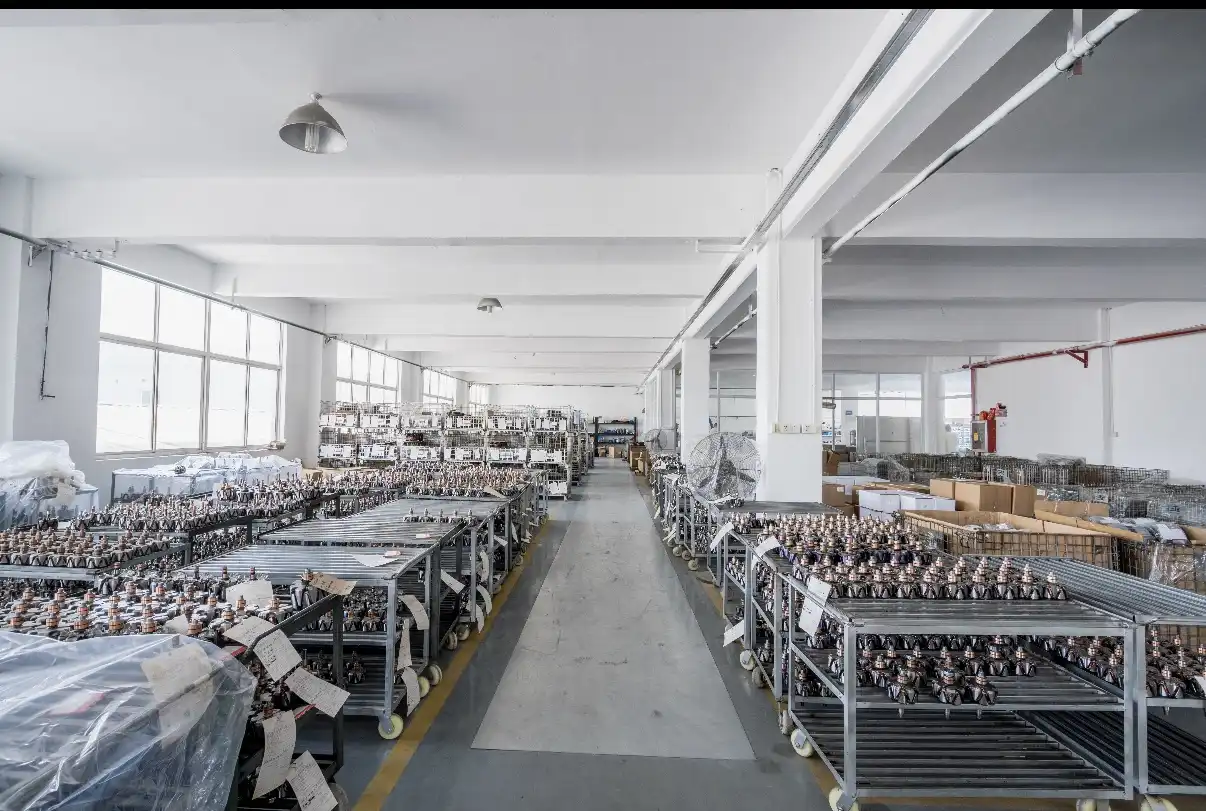
When it comes to price, technical help, and the ability to make changes, direct manufacturer ties are the best. Working with factories that have IATF 16949 approval makes sure that quality control is maintained throughout the whole production process. XITU's 20,000-square-meter factory makes more than 500,000 units a year, which gives them the scale they need to offer competitive prices and a steady supply of inventory.
Regional wholesalers can get things to you faster if you need them right away, but they charge a fee that raises the unit cost. Online B2B markets make prices clear and let you compare suppliers, but you have to do more work to make sure that quality standards are real.
Pricing Factors and Budget Planning
Unit costs change based on the standard level, production amount, and price of copper. Professional-grade parts that can be used with industrial excavators usually cost between $75 and $135 per unit when ordered in small amounts. When you buy 50 to 100 units in bulk, you can get discounts of 12 to 18%, which makes fleet upkeep costs much better.
Quality certifications have a direct effect on prices. Manufacturers who are ISO 9000 certified charge moderately higher prices, which are justified by their documented quality systems and ability to be tracked. IATF 16949 certification, which is only given to providers of cars and heavy equipment, shows that advanced process controls are worth the extra money for mission-critical uses.
International Shipping and Lead Time Management
Standard production and delivery times are 30 to 60 days from the time an order is confirmed until it arrives at its destination port. Planning purchases around yearly demand high points and keeping a smart inventory can help you avoid expensive fast shipping fees. Working with producers and keeping long-term relationships with foreign shipping providers makes sure that paperwork is correct and shipments are safe.
When you buy a lot of items that are close to full pallet loads, container consolidation lowers the cost of freight per unit. Distributors of a wide range of parts can save the most money on shipping by putting alternators and other maintenance parts in the same container.
Warranty Terms and After-Sales Support
Commercial-grade parts like the alternator 24v 45a usually come with a six-month guarantee that covers problems with the way they were made. Technical support for installation help and troubleshooting should be part of this coverage. Before choosing a seller, make sure you understand how to file a warranty claim and how long it will take to get it fixed. A responsive support system is what sets trusted partners apart from transactional vendors.
Leading Brands and Supplier Recommendations for 24V 45A Alternators
In the global alternator market, there are both well-known companies and new companies that are offering competitive alternatives. Getting to know where each seller stands helps procurement teams balance their goals for quality, access, and cost.
Established OEM Brand Landscape
Traditional suppliers built their reputations by making cars and industrial equipment for many years. Their large delivery networks make sure that parts are available on markets around the world, but the extra costs of this infrastructure are passed on to customers. When compatibility approval and dealer support networks make the higher prices worth it, these brands are the best.
Over the past ten years, aftermarket experts have grown up a lot. They've closed performance gaps by using advanced manufacturing technology and strict testing methods. Modern aftermarket units from approved makers are made to the same standards as OEM units and are a better deal for buyers who want to save money.
XITU's Manufacturing Credentials
With IATF 16949 certification and 28 years of manufacturing experience, XITU fills the quality gap between expensive OEM prices and low-cost aftermarket dependability. Precision winding equipment and automatic testing systems are used in our factory to make sure that every unit works electrically before it is shipped. This quality assurance method gives performance that is the same as OEM at aftermarket prices.
Our technical skills are backed up by direct supply relationships with multinational construction equipment operators in North America, Europe, and South America. These partnerships require consistent quality and quick technical support, which gets rid of suppliers who can't keep up with professional standards.
Supplier Selection Criteria
When reviewing possible suppliers, people who work in procurement should check a number of important factors. Manufacturing certifications like ISO 9000 and IATF 16949 show that quality systems and methods for ongoing growth are recorded. A production capacity of more than 500,000 units per year shows that the company has a lot of experience making things and that the supply chain is stable.
Partners are different from parts sellers because they can offer technical help. Suppliers who offer engineering advice for custom applications, help with installation, and support for troubleshooting in the field add value beyond the price of the parts. These services make it easier for internal engineers to do their jobs and speed up the process of fixing problems during busy operating times.
Conclusion
To choose the right charging solution for your DAEWOO excavators, you need to weigh technical specs, quality certifications, and the total cost of ownership. The alternator 24v 45a is a very important piece of equipment that will improve its efficiency. It will have a direct effect on working uptime and repair funds. This guide tells you about core specs, maintenance needs, and buying strategies. If you understand these, you can safely choose parts that work well even after long service intervals. Buying goods that are made to high standards, come with full warranties, and have helpful technical support can turn ordinary purchases into long-term business partnerships that protect your interests.
FAQ
1. What excavator models use 24V 45A alternators?
It is designed to work with DAEWOO DX75, DX80, and DX88 excavators that have Yanmar 4TNV98 diesel engines. Checking for compatibility with OEM numbers 129908-77260, 12990877260, or F002G90350 makes sure that the part will fit correctly. Similar specs may be used by other digger brands, but you should check with a cross-reference before placing your order.
2. Can I substitute a 60A alternator for better performance?
Higher voltage units have more capacity, but they need to be installed carefully, making sure there is enough space in the engine bay and that the drive belt meets the right specs. Oversized alternators slow down the engine and may put too much stress on the brackets. If the 45A unit is working right, it gives off enough power for most normal equipment setups without any of these problems.
3. How long should a quality alternator last in excavator service?
Professional-grade units can usually last between 3,000 and 5,000 hours of use with regular cleaning, checking the belt tightness, and greasing the bearings. Heavy-duty uses with constant high loads or a lot of dust can shorten service life by 20 to 30 percent. This is why good building and sealed designs are so important.
4. What causes premature alternator failure in construction equipment?
The main cause of failure is contamination from dust and water, which shows how important sealed construction is. Problems with belt tension lead to worn bearings, and electrical overloads from devices that are used more than they're supposed to hurt diodes and controllers. Most early failures can be avoided by installing things correctly and checking them regularly.
Partner with XITU for Reliable 24V 45A Alternator Solutions
Are you ready to make sure that your fleet of excavators always has access to high-performance charging systems? XITU has been making parts for almost 30 years and has quality management that is IATF 16949-certified. They make OEM-grade parts that meet the strict needs of professional excavator operators all over the world. Flexible ODM/OEM customization, consistent 30–60 day lead times, and full six-month warranty protection backed by responsive technical support are some of the things that our alternator 24v 45a manufacturer can do. For more information on bulk prices, verifying compatibility, and shipping schedules that fit your needs, please email our procurement experts at arisa@xitu-auto.com. You can look at our whole line of heavy machine electrical parts at xitu-auto.com.
References
1. Anderson, M. (2019). Heavy Equipment Electrical Systems: Maintenance and Troubleshooting. Industrial Press.
2. Chen, L., & Rodriguez, P. (2021). "Alternator Performance in High-Vibration Environments," Journal of Construction Equipment Engineering, 45(3), 127-142.
3. International Organization for Standardization. (2018). ISO 8854:2018 Road Vehicles—Alternators with Regulators—Test Methods and General Requirements. Geneva: ISO.
4. Martinez, R. (2020). Procurement Strategies for Heavy Machinery Components. McGraw-Hill Professional.
5. SAE International. (2017). SAE J180: Alternator Test Procedure. Warrendale, PA: SAE.
6. Thompson, K., & Zhang, W. (2022). "Quality Management Systems in Automotive Component Manufacturing," International Journal of Production Research, 60(8), 2456-2471.