




What Is a High Output Alternator? The Complete Guide
If your vehicle's electrical system struggles to keep up during long idle periods, you already know the frustration. A alternator&type=products">high power output alternator solves exactly that problem. Whether you manage an emergency fleet, run a refrigerated transport operation, or build specialty vehicles, this guide walks you through everything you need to know — from how these devices work to how to choose the right one for your application.
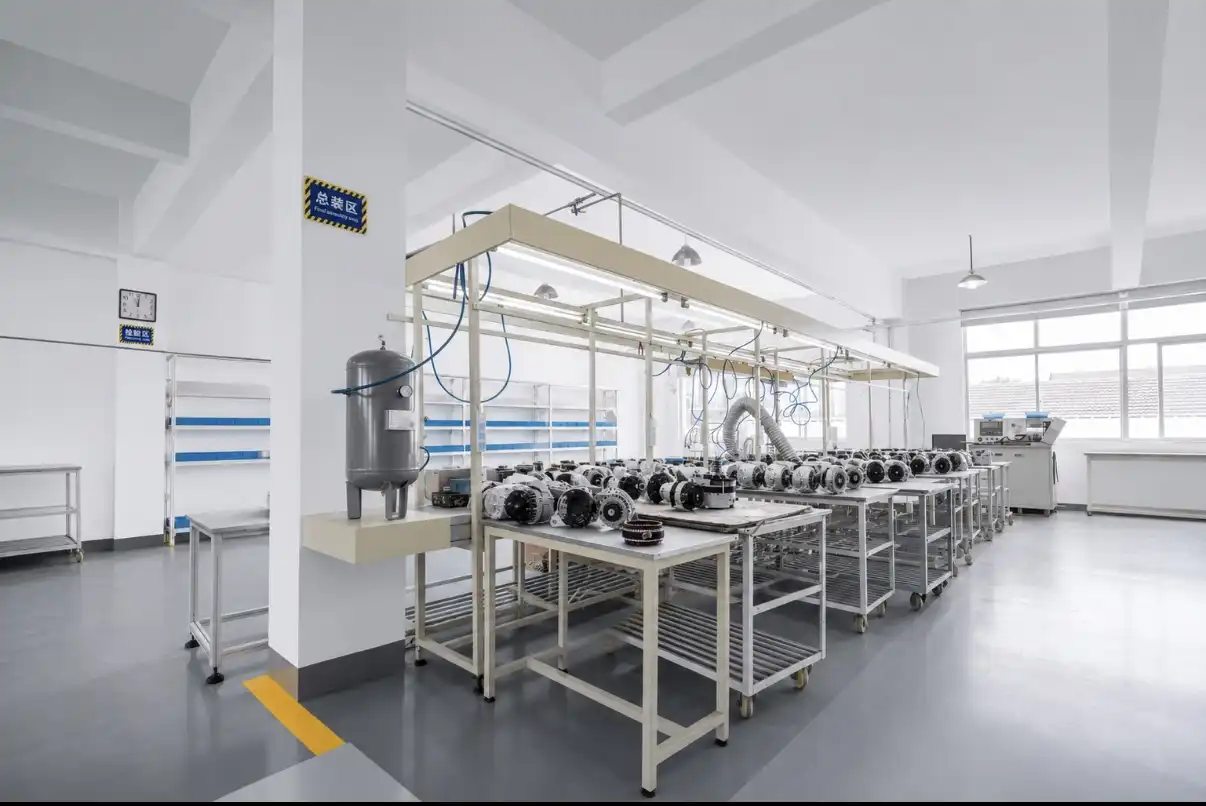
What Is a High Output Alternator? Explained
A high power output alternator is an electrical charging device that is made to give a lot more current than a unit that came from the factory. It can usually handle 110A to 400A or more. Standard OEM alternators are made to handle average electrical loads, so they don't work well when cars have a lot of extra equipment. These newer units have heavy-duty rectifiers, oversized heat sinks, high-density copper windings, and strengthened rotor and stator parts to keep the voltage stable even when the engine RPM is low. Understanding these technical differences is the first thing that procurement managers, fleet engineers, and OEM buyers need to do to make sure they get the right part.
Core Components and How They Work
Alternating current is made when the rotor spins inside the stator winding. That AC power is changed to DC by a bridge converter. No matter how fast the engine is running or how much electricity is being used, the voltage regulator keeps the output fixed, usually between 13.8V and 14.8V. Each of these parts is made to handle more heat and electricity stress in high-output designs than a standard unit.
Standard vs. High-Output: Key Differences
| Feature | Standard Alternator | High-Output Alternator |
|---|---|---|
| Rated Output | 60–90A | 110A–400A+ |
| Idle Performance | Often below demand | 60–70% of rated output at idle |
| Winding Material | Mixed alloy | High-purity copper |
| Heat Management | Basic fins | Large heat sinks, sealed housing |
| Best Use Case | Normal passenger loads | Emergency, fleet, marine, agricultural |
Why Idle Performance Matters Most
When emergency cars or cold-chain trucks are used, the engine often sits there for hours at a time. At 800 RPM, a normal alternator might only make 40–50% of its maximum power. A well-built high-output unit keeps 60–70% of its rated amperage when it's not in use. This keeps the battery from dying and the voltage from dropping, which can damage life-support systems or refrigeration systems.
Benefits and Performance of High-Output Alternators
Measurable Fleet Outcomes and Sustained Electrical Performance
When you upgrade to a high power output alternator, you get real, measured benefits. People who ran fleets and switched from stock alternators to 110A–200A units said they had to replace batteries less often and got fewer calls about electrical problems during long shifts. Here are some of the best things about this device:
- Sustained idle output: Keeps the amperage steady even when the engine is running at low RPM. This keeps electronics and battery banks from going too low.
- Thermal endurance: Designed to work constantly in engine bays that are hotter than 80°C without slowing down.
- Reduced electrical faults: Means that CAN bus systems, internal computers, and communication radios are safer because the DC output is clean and has low voltage ripple.
- Extended service life: Compared to stock units, these units have longer service intervals because they have heavy-duty diodes, reinforced bearings, and fully sealed housings.
These benefits directly deal with the "negative charge" situation, which happens when the total demand for electricity is higher than the supply from the alternator. This is the main reason why batteries fail in high-load vehicles.
Diesel vs. Gasoline Engine Compatibility
Diesel platforms work best with alternators that have a high power. Diesel engines make more torque, which turns the alternator pulley more efficiently, even when they're not running. For instance, CASE IH 7000 and 8000 series vehicles directly benefit from a 12V 110A unit that keeps charging stable while working in the field.
Real-World Performance Data
A medium-sized ambulance service in the Southwest of the United States switched from stock 90A alternators to 130A units. Over the course of 18 months, they saw a 34% drop in service calls about batteries and a 22% drop in calls to replace electrical parts. Within the first year of business, the return on investment was made.
How to Increase and Maintain High Alternator Power Output
It takes more than just changing out a part to get the most out of a high power output alternator. The wiring, the size of the pulleys, and regular checks all play a part.
Wiring Upgrades: The "Big 3"
The extra current is too high for the factory wiring to safely handle. Before putting in any unit rated above 100A, three important connections must be upgraded: battery positive to generator, engine block to chassis ground, and battery negative to chassis. If you skip this step, you'll end up with pushback, heat, and a possible fire risk.
Pulley Selection and Belt Tension
The alternator-to-crank speed ratio goes up when the drive pulley is smaller. This makes the output go up at idle. This is especially important for cars that stay at low RPM for a long time. To keep the belt from slipping, it needs to be checked for tightness after the first 24 hours of use and then on a regular basis after that.
Maintenance Schedule
| Maintenance Task | Interval |
|---|---|
| Belt tension inspection | Every 500 operating hours |
| Brush and bearing check | Every 1,500 operating hours or annually |
| Heat sink and vent cleaning | Every 250 hours in dusty environments |
| Full load output verification | Annually or after any fault event |
Regular maintenance keeps your high power output alternator investment safe and the unit working as it should. Most of the time, early failure in high-load applications is caused by ignoring these intervals.
Choosing the Right High-Output Alternator for Your Business
Key Selection Criteria and XITU's CASE IH Solution
There are a lot of suppliers on the market, so picking the right unit comes down to six things: the rated output, the idle performance curve, the physical compatibility, the certifications, the customization options, and the support after the sale.
In this case, XITU's 12V 110A alternator for the CASE IH 7000 and 8000 series is a well-specified unit. It works with Bosch OEM reference numbers 120468028, 0120468055, 0986043480, CA1381IR, 12162N, 125849A1, 202360T91, and 91448C2, which means you don't need to change the brackets or buy adapter kits. For special uses, the same base can handle 200A to 400A, which is important if your fleet needs to carry a variety of loads.
What to Look for in a Supplier
A reliable company that sells high power output alternators should have ISO 9000 and IATF 16949 certification, full-load dynamometer test results, thermal screening data, and a guarantee policy that is easy to understand. Every unit from XITU comes with a 6-month quality assurance guarantee and expert help for setting it up and fixing problems. XITU has been making things for over 28 years and can make 500,000 units a year. They sell to OEM and service customers in North America, Europe, and the Middle East.
Custom vs. Standard: Which Is Right for You?
Standard 110A units work well for most CASE IH fleet and farming uses. If your car has a hydraulic pump, an inverter, a refrigeration compressor, and a communication array all at the same time, a custom 200A–300A version with a voltage regulator that works with lithium may be better. The engineering team at XITU can make custom amperage ratings, pulley configurations, and regulator calibrations. Lead times are usually between 30 and 60 days.
Conclusion
A high power output alternator isn't just a stock part that's bigger. It is a part that was specifically made to meet the electrical needs of vehicles that can't afford to lose power. The technical differences are real, and the working benefits are well known. These differences include stable output when not in use, resistance to heat, and clean DC delivery. Whether you are looking for units for a public safety fleet, a refrigerated transport business, or a custom vehicle build, the most important thing is to find the right unit for your load profile.
FAQ
1. Why does a high-output alternator need a smaller pulley?
The alternator-to-crank speed ratio goes up when the pulley is smaller. This improves the amperage output at low rest RPM, which is where most high-load cars spend most of their time.
2. Is a "Big 3" wiring upgrade required?
Yes, factory wire isn't made to handle currents greater than 100A. For safety and speed reasons, the wires from the battery to the alternator, the ground to the chassis, and the engine to the chassis all need to be upgraded.
3. Can these units work with LiFePO4 batteries?
Yes, as long as the internal or external voltage regulator is set up to work with the specific charge profile of the lithium battery. XITU lets you customize regulators for lithium uses.
Get a Custom Quote from XITU — High Power Output Alternator Manufacturer
XITU makes charging solutions for professionals that are made for tough situations. No changes were made to our 12V 110A unit so it will work with CASE IH 7000 and 8000 series cars. Need a special standard for 200A to 400A? Our tech team gets back to you quickly. You can look through our catalog at xitu-auto.com or email us at arisa@xitu-auto.com to get a technical datasheet, a sample, or bulk pricing as a trusted high power output alternator supplier.
References
1. Society of Automotive Engineers (SAE). SAE J56: Specification for automotive alternators. SAE International, 2019.
2. ISO. ISO 8854: Road Vehicles — Alternators with Regulators — Test Methods and General Requirements. International Organization for Standardization, 2012.
3. Bosch Automotive Handbook. Electrical Systems and Components. 10th ed. Robert Bosch GmbH, 2022.
4. IATF. IATF 16949:2016 — Quality Management System Requirements for Automotive Production. International Automotive Task Force, 2016.
5. Fleet Maintenance Magazine. "Electrical System Upgrades for Emergency and Commercial Fleets." Endeavor Business Media, 2021.
6. National Fire Protection Association (NFPA). NFPA 1901: Standard for Automotive Fire Apparatus. NFPA, 2022.