




Super Duty Alternator Replacement: Signs, Benefits and Installation Tips
Introduction
When a heavy-duty Ford F-Series truck loses charging capacity mid-route, the consequences go far beyond a dead battery. A failing alternator can shut down hydraulic systems, disable safety lighting, and bring an entire fleet operation to a standstill. This guide covers what procurement managers and fleet operators need to know about super duty alternator replacement — from early warning signs and upgrade benefits to sourcing criteria and installation best practices. If you source alternators at volume, the decisions you make directly affect uptime, total cost of ownership, and supplier reliability.
Recognizing Signs of a Bad Super Duty Alternator
By detecting super duty alternator issues early, you can prevent further damage and avoid costly downtime. Heavy-duty applications place far more demand on the electrical system than passenger cars do. These conditions accelerate wear and cause symptoms to appear earlier than expected.
| Symptom | Likely Cause | Recommended Action |
|---|---|---|
| Flickering lights | Voltage sag at idle | Load test and output check |
| Battery warning light | Output below 13.5V | Inspect voltage regulator and charging circuit |
| Hard starting | Low charge reserve | Test battery and alternator before replacement |
| Electrical resets | Rectifier ripple failure | Bench test and diode check |
Benefits of Upgrading Your Super Duty Alternator
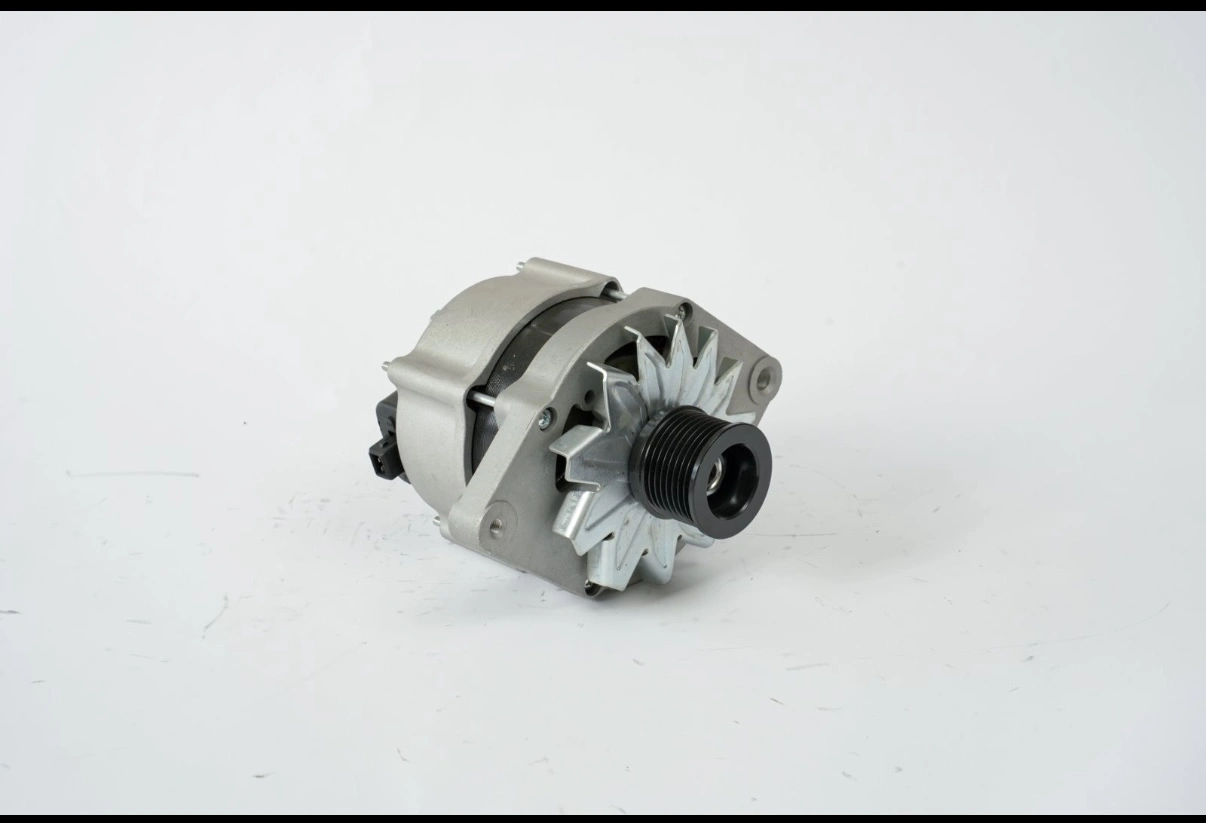
Standard factory alternators are built to handle normal electrical loads.If a truck runs hydraulics, extra lighting, or communication equipment, the original unit is constantly operating near its maximum limit, which accelerates internal wear. Getting aproducts"> super duty alternator with a high output will fix this right away. The XITU 12V 90A unit, fitted with an 8PK58 pulley, is designed for this exact application. It is a direct replacement for Bosch OEM numbers 0124325109 and 3C4510300AA. Its aluminum housing is fully sealed against dust and water ingress.
The windings are made entirely of copper — the same standard expected of brand-new OEM parts.
Here are the main ways this upgrade improves fleet performance:
- Sustained output at low RPM: A low turn-on RPM design means charging begins immediately after ignition. For trucks in frequent start-stop duty cycles — snow removal, municipal services, construction logistics — this directly protects battery health.
- Thermal resistance under load: High-grade silicon diodes mounted on heavy-duty heat sinks prevent the diode breakdown that causes premature failure in engine bays that sustain high temperatures.
- Electrical system stability during multi-accessory operation: Running winches, heated mirrors, strobe arrays, and hydraulic pump motors simultaneously no longer causes the voltage sag that disrupts sensitive electronics.
In most cases, these benefits help specialized truck operators avoid problems before they occur in the field. For large fleets, procurement managers value fewer replacements and more predictable maintenance scheduling.
How to Choose the Right Super Duty Alternator for Your Fleet
It is not enough to simply choose a replacement unit with the same amperage rating. Total procurement risk depends on fitment, certification, and supplier reliability.
| Selection Factor | What to Verify |
|---|---|
| Output rating (amps) | Match or exceed OEM spec for your accessory load |
| Voltage compatibility | Confirm 12V or 24V system requirement |
| Pulley type and size | Match drive belt specification (e.g., 8PK58) |
| OEM cross-reference | Verify against Bosch, Valeo, or Delco Remy part numbers |
| Certification | Require IATF 16949 and ISO 9001 documentation |
| Warranty terms | Minimum 6 months for commercial fleet applications |
When choosing a supplier, factory audit capability matters just as much as price. Suppliers without standardized processes often create quality inconsistencies that cause problems for procurement teams. They operate a 20,000 m² factory that produces more than 500,000 units a year and is equipped with over 50 high-precision testing tools. Despite this scale, they offer consistent quality and flexible order quantities without the high minimum order requirements typical of large-volume manufacturers.
XITU's super duty alternators are IATF 16949 certified, meaning they are manufactured to standards that meet the requirements of different markets — whether for cross-border brokers or brand owners seeking OEM/ODM solutions. Because we have established international logistics partners, lead times are 30 to 60 days and shipments are consistently on time — a level of reliability smaller workshops cannot match.
Installation Tips and Maintenance for Super Duty Alternators
The money you spent on a good replacement unit will be safe if the installation is done right. Bugs in this stage, especially in the wiring, can cause even a well-made part to break early.
Before installing the power cable, battery connections, and mounting clamp, make sure they are free of corrosion and stress damage. A damaged positive cable creates resistance, which forces the new unit to work harder and shortens its service life. Always disconnect the negative battery terminal before beginning work.
As you're installing the hardware, make sure to twist it in the way the maker says to. Badly torqued brackets in diesel environments with a lot of vibration are a big reason why bearings wear out. Check that the belt is as tight as the 8PK58 standard and that the pulley moves straight across the machine without any wobbling.
Check the voltage at both idle and 2,000 RPM once everything is set up. The result should show a number between 13.8V and 14.8V no matter what. In case the readings are not in this range, check the connection once more before you decide the unit is broken.
To keep the car in good shape, check the terminals and clean them with electrical contact spray every 12,000 miles. When you change the oil, check the drive belt for cracks or damage every time. Extra checks should be done on vocational trucks that work in salty places, since rust on the terminal links is the main reason why electrical systems in northern US fleets break down too soon.
When the fleet maintenance manager for 30 city service cars switched to IATF-certified replacement units and started doing terminal checks every three months, the number of service calls for alternators dropped by 40%.
Conclusion
Heavy-duty industrial cars don't usually lose their super duty alternator all of a sudden. Instead, they show signs that can be tested. A skilled repair team can spot these signs early on. Getting a replacement unit that fits your needs cuts down on downtime, lets you handle more electricity load, and lowers the cost of long-term care. Many fleet operators have had trouble with procurement risk when they work with workshops that haven't been checked out. It's not going to happen if you pick a certified provider with steady production capacity and all the right papers. It does not matter if you are in charge of a single business fleet or a big delivery order. The choice of supplier and the specification are the two most important ones.
FAQ
1. How long does a heavy-duty alternator typically last in commercial fleet use?
In vocational fleet use, a heavy-duty alternator typically lasts 80,000 to 150,000 miles. Thermal load and accessory current draw are the two biggest factors. Units with copper windings and sealed bearings consistently reach the upper end of this range.
2. Does a higher-amperage unit put more strain on the engine?
No. The engine only works harder when the electrical system actually draws more current. A 90A unit with a light load does not strain the engine more than the original lower-rated unit.
3. What is the difference between OEM and aftermarket heavy-duty alternators?
OEM units are built to original equipment specs with the vehicle manufacturer's branding. A quality aftermarket unit from an IATF 16949-certified factory can match OEM output and durability at 40–60% lower cost. The key is certification and documented testing, not the label.
4. Can I source both starters and alternators from the same supplier?
Yes. XITU manufactures both under the same IATF 16949 quality system. Sourcing both from one certified supplier ensures matched quality, simplifies vendor management, and reduces audit overhead.
5. What certifications should I require from a supplier?
Require IATF 16949 and ISO 9001 documents. IATF 16949 is the automotive-specific standard and the more important one for alternator procurement. Verify certificate numbers against the issuing body's registry before ordering.
Source Your Next Super Duty Alternator Supplier Through XITU
In the Ford F-Series industrial platforms and other tough places, heavy-duty charge units made by XITU are used. We work with business-to-business buyers who need a steady supply of a certain amount of goods without having to place big orders. Our goods are IATF 16949-certified, come with a 6-month guarantee, and brand owners and dealers can choose between OEM and ODM options. Go to xitu-auto.com or email arisa@xitu-auto.com to talk about prices, specs, and lead times.
References
1. Society of Automotive Engineers (SAE). SAE J180: Alternator — Test Methods and Performance Requirements. SAE International, 2019.
2. Motor & Equipment Manufacturers Association (MEMA). Aftermarket Parts Quality and Certification Standards Report. MEMA, 2021.
3. Bosch Automotive Handbook. Electrical Systems: Generators and Voltage Regulators, 10th Edition. Robert Bosch GmbH, 2022.
4. Fleet Maintenance Magazine. Managing Electrical System Failures in Heavy-Duty Vocational Fleets. Endeavor Business Media, 2023.
5. National Institute for Automotive Service Excellence (ASE). Electrical/Electronic Systems Study Guide for Commercial Vehicles. ASE, 2020.
6. Ford Motor Company. F-Series Super Duty Owner's Manual — Electrical System Maintenance and Service Intervals. Ford Motor Company, 2022.