




Super Duty Alternator Buying Guide: Features, Performance and Applications
Introduction
A alternator&type=products">super duty alternator is purpose-built for commercial vehicles operating under continuous high-electrical loads—conditions where a standard alternator simply cannot keep up. This guide walks B2B procurement professionals, fleet engineers, distributors, and sourcing agents through everything that matters: technical specifications, performance benchmarks, selection criteria, installation practices, and reliable sourcing. Whether you manage a municipal snow-removal fleet or source auto electrical components for overseas markets, the decisions you make around alternator quality directly affect uptime, safety, and total cost of ownership.
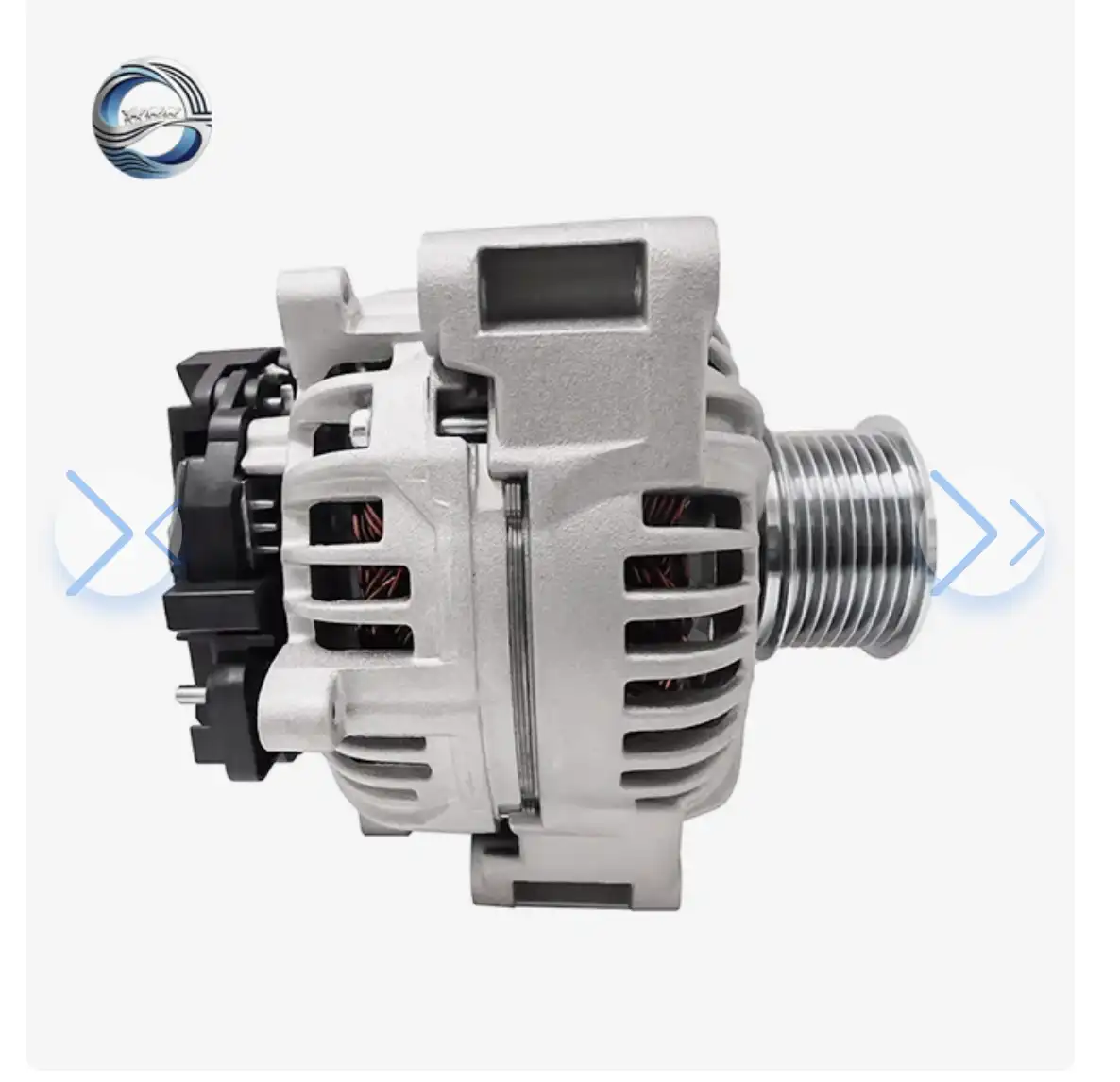
Understanding Super Duty Alternators: Features and Functionalities
How They Differ From Standard Units
Standard alternators are made for passenger cars that don't need a lot of power. A Super duty alternator, on the other hand, can keep up a high output of amps over a wide range of RPM, keep working in tight diesel engine bays without breaking down, and power multiple power-hungry devices at the same time. For example, the XITU 12V 90A model keeps its output stable even when it's not being used, which is something that most OEM replacement units have trouble doing.
Core Construction Features
The choices made about how these alternators are built directly affect how long they last. Here are the main design differences between units made for businesses and cheaper ones:
- 100% copper windings — Copper offers 60% better electrical conductivity than aluminum wire, reducing heat buildup and improving charge efficiency over long service intervals.
- Aluminum alloy housing — Lightweight yet thermally efficient, aluminum dissipates heat faster than steel casings, protecting internal components during prolonged high-load operation.
- High-grade silicon diodes on heavy-duty heat sinks — These control rectification and resist the heat cycles that cause premature diode failure, a common failure mode in vocational trucks.
- Oversized bearings and reinforced mounting ears — In high-vibration diesel environments, standard-size bearings wear out quickly. Oversized units tolerate the constant movement without developing play that leads to noise and misalignment.
Common Fault Indicators
Breakdowns are expensive, so spotting early warning signs is important. If the dashboard lights flicker, the battery warning lamp stays on, the alternator housing makes whining or grinding sounds, or the voltage readings are below 13V or above 15V when the engine is not running, the charging system needs to be fixed right away. If the unit is the problem, a load test with a digital multimeter or a special alternator tester will show for sure.
Performance and Efficiency: Comparing Super Duty Alternators
Key Output Metrics
In the table below, you can see how the XITU Super duty alternator and a typical OEM replacement unit measure up in terms of important performance factors.
| Parameter | XITU Super Duty Alternator | Typical OEM Replacement |
|---|---|---|
| Rated Output | 90A continuous | 90A (peak-rated) |
| Voltage Range | 12V–14.5V stable | 12V–14.8V (variable) |
| Pulley Type | 8PK58 | Varies by model |
| Winding Material | 100% copper | Copper or aluminum |
| Certification | ISO 9001, IATF 16949 | ISO 9001 (varies) |
| Warranty | 6 months | 3–6 months |
It is much harder to get an IATF 16949 certificate than an ISO 9001 certificate because it is specific to the processes used to make cars. It means documented process control, not just testing the product.
Rebuilt vs. New Units
It's true that rebuilt alternators cost less up front, but there is a real trade-off. Remanufactured units use worn-out cores again, and because there aren't strict rules for receiving inspection, the state of diodes and regulators varies a lot. Fleet owners who use heavy-loaded cars all year long can be sure that 100% new parts will last a long time. XITU units come with brand-new internal parts, so you don't have to worry about the quality of rebuilt cores.
How to Choose the Right Super Duty Alternator for Your Fleet
Match Output to Actual Load
Figure out how much power your fleet needs at its peak before choosing an alternator. Add up the amps used by the air conditioners, lights, hydraulic controls, phone systems, and any extra power sources. To keep the battery charged at idle speeds, your alternator's rated output should be at least 20% higher than that total.
Verify OEM Compatibility
When you cross-reference OEM part numbers, you can avoid costly mistakes in fitting. This XITU Super duty alternator is designed to replace Bosch OEM numbers 0124325109 and 3C4510300AA. It fits perfectly in Ford F-Series Super Duty trucks and other industrial systems that are similar. The spacing between the brackets, the alignment of the pulleys, and the type of connector all meet factory standards.
Evaluate the Supplier, Not Just the Part
Quality trends are rarely shown by a single batch of goods. Ask potential suppliers to show you their IATF 16949 certificates, factory audit reports, and information on how much they can make. XITU runs a 20,000-square-meter factory with more than 50 precise testing sites that makes more than 500,000 units a year. Stable lead times of 30 to 60 days are possible with that production scale, which is a big plus for distributors who have to manage reorder cycles.
Installation, Troubleshooting, and Maintenance Guide
Installation Best Practices
Take the negative battery terminal off and let the engine bay cool down before installing the new unit. Tighten all the mounting bolts to the recommended level (usually 35–45 Nm for Ford Super Duty brackets), and check the serpentine belt for wear before putting the 8PK58 pulley configuration back in place.
Troubleshooting Common Problems
| Symptom | Likely Cause | Diagnostic Step |
|---|---|---|
| Battery warning light on | Low output voltage | Load test at 2,000 RPM |
| Whining noise at startup | Worn bearing or belt misalignment | Inspect belt tension and pulley runout |
| Lights flicker at idle | Insufficient idle-speed output | Verify low-RPM amperage curve |
| Voltage above 15V | Regulator failure | Replace voltage regulator assembly |
If the battery warning light comes on, the output voltage is low, the load test is done at 2,000 RPM, there is a whining sound at startup, which could mean a worn bearing or a belt that isn't lined up right. Check the tension of the belt and the runout of the pulleys. If the lights flicker at idle, the output voltage is too low. Check the low-RPM amperage curve. If the voltage is above 15V, the regulator is broken. Replace the voltage regulator assembly.
Preventive Maintenance
Every 50,000 miles or once a year if the car is used a lot for work, check the battery. If the design has brushes, check the length of the brushes, clean out the air vents, and make sure the mounting hardware stays tight. Sealed units like the XITU type are resistant to dust and water, but external rust can still be caught early with regular eye checks.
Procurement and Purchase: Where and How to Buy Super Duty Alternators
There are more factors to consider than just unit price when buying commercial-grade alternators to resell or use in a fleet. Long-term sourcing agreements take into account the supplier's ability to pass a factory audit, the supplier's ability to provide a reliable lead time, and the flexibility of the minimum order.
When big companies set minimum order numbers, it can be expensive to test the market for new SKUs. On the other hand, small workshops often don't have the process paperwork that is needed for official audits. XITU solves both issues: the production volume allows for large orders, and the IATF 16949 certification meets the audit needs of OEM and aftermarket buyers around the world.Cross-border sourcing agents and brand owners looking for ODM programs can get labeling and packaging that is made just for them from XITU. The export paperwork is also made to meet the needs of both US and EU importers. Logistics are taken care of by freight partners that are known all over the world, and shipments can be tracked from the factory to the port of destination.
Conclusion
Choosing the right generator for a business fleet or an industrial setting is a business and technical choice that will have long-lasting effects. Your vehicles' ability to stay on the road or have unplanned downtime depends on their output capacity, the quality of their parts, their compatibility with OEM systems, and how reliable their suppliers are. The XITU Super duty alternator (12V 90A, 8PK58 pulley, compatible with Bosch OEM references 0124325109 and 3C4510300AA) meets the main needs of commercial Ford F-Series drivers and the distributors who sell to them. With documented process control and a production center designed for large-scale output, XITU is a sourcing choice based on manufacturing qualifications that can be checked.
FAQ
1. How do I determine the correct output rating for my application?
Add up all of your car's power loads at full load, including the lights, air conditioning, hydraulics, and any extras. To keep the battery charged while it's not being used, your alternator should put out at least 20% more than that amount. For most business Ford F-Series Super Duty uses, a 90A continuous-output unit works with stock configurations without any changes.
2. What is the difference between a new and a rebuilt alternator?
The diodes, bearings, windings, and regulator in a brand-new alternator are all brand-new. On a used core, a rebuilt unit only replaces the parts that can be seen to be broken. New units have a known service life, but rebuilt units have a range of service lives that depend on the condition of the core and the inspection standards of the remanufacturer.
3. How can I tell if my alternator is failing?
The battery warning light should come on if the voltage drops below 13V at high speed, the lights dim when the bike is loaded, or there is a noise coming from the area of the utility belt. Do a load test to be sure before you replace the unit.
4. Does a higher-amperage alternator strain the engine?
It is only when the electrical system is actively drawing power that the engine works harder. A high-output alternator doesn't put any more stress on the engine than a lower-rated unit when the load is small.
5. What certifications should I require from a supplier?
Ask for ISO 9001 and IATF 16949 certificates at the very least. IATF 16949 is the standard for the car industry. It controls the whole manufacturing process, not just the quality of the finished product.
Partner With XITU for Your Next Super Duty Alternator Order
XITU makes heavy-duty alternators that meet OEM standards. They do this by using IATF 16949-certified production methods and 28 years of experience making alternators. We can supply super duty alternators with a stable 30–60 day lead time, flexible ODM/OEM programs, and a warranty that lasts for 6 months. Get in touch with us right away if you need 500 or 50,000 units. You can get a price from us by emailing arisa@xitu-auto.com or going to xitu-auto.com.
References
1. SAE International. SAE J180: Alternator Testing Standards for Commercial Vehicles. 2021.
2. Bosch Automotive Handbook. Electrical Systems and Components, 10th Edition. Robert Bosch GmbH, 2022.
3. Automotive Engineering International. "High-Output Charging Systems in Vocational Truck Applications." SAE Media, 2023.
4. IATF. IATF 16949:2016 – Quality Management System Requirements for Automotive Production. International Automotive Task Force, 2016.
5. Fleet Maintenance Magazine. "Alternator Reliability and Total Cost of Ownership in Heavy-Duty Fleets." Endeavor Business Media, 2023.
6. Denso Corporation. Technical Reference Guide: Alternators and starters for Commercial Vehicles. Denso Products and Services Americas, 2022.