




How to Tell If Your 12 Volt Car Alternator Is Bad
If your vehicle suddenly dims its headlights, struggles to start, or throws a battery warning light, the charging system is likely at fault. A failing alternator%20&type=products">12 volt car alternator can drain your battery within minutes and strand equipment mid-operation. Catching the warning signs early saves your team from costly downtime and unplanned replacements. This guide walks purchasing managers, fleet operators, distributors, and OEM engineers through the symptoms, testing methods, and procurement decisions that keep operations running without interruption.
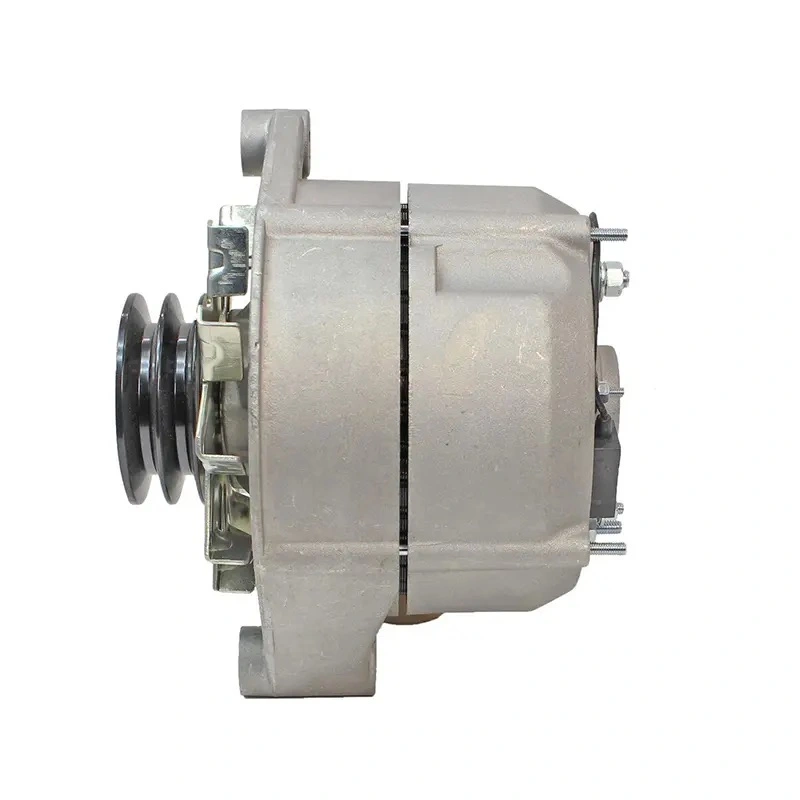
Understanding the 12 Volt Car Alternator and Its Role
How It Converts Power
In a car, the crankshaft gives work to a 12 volt car alternator, which turns it into alternating power. After that, it turns it back into direct current. The battery is charged and all the electronics on board are powered by this DC output while the engine is running. The energy coming out of the machine should be between 13.8V and 14.4V if everything is working right. This is enough to get past the battery's internal resistance without running any ECUs or control modules that are sensitive too fast.
Voltage Regulation and System Stability
While charging, the voltage control inside is like the brain. The output stays the same no matter how fast the engine is going or how much electricity is being used. The output voltage changes randomly when the regulator breaks. This hurts electronics that are needed for safety and drains the battery quickly. If you work for a fleet provider or an OEM engineer, you need to make sure that the voltage stays the same.
12V vs. 24V: Choosing the Right Platform
This is the value for 12 volt car alternators and 24V generators. Amperage ranges from 60A to 150A or 35A to 100A. It is mostly used for boats, light trucks, cars, and construction equipment. Heavy trucks, mining equipment, and cars also use it. The voltage range is between 13.8V and 14.4V, or between 27.6V and 28.8V. There can be one 12V bank, two 12V banks, or one 24V bank in the battery setup.
For projects with the CASE 1155 E, 1845 C, 760, 560, and CATERPILLAR T50E, 426B, and 428, a 12V 65A base is the best choice. It gives the engine the power density it needs to start while it's under load and for hydraulic controls and LED lights.
Key Signs That Your 12 Volt Car Alternator Is Failing
Electrical and Visual Warnings
The three most common early warning signs of a bad charge are headlights that dim or flicker, a battery or ALT warning light that stays on, and power windows that move slowly. AAA's yearly breakdown data shows that about 20% of all highway breaks are due to problems with the electrical system. 12 volt car alternator problems make up the largest single category in this group.
Abnormal Sounds and Smells
When a bearing in an alternator wears out, it makes a noise that changes pitch as the engine speeds up or slows down. If a diode set fails, it can cause AC ripple. There is a clear buzzing sound that can be heard through speakers. There may be a problem with the drive belt if you can smell tire smoke. If you can smell electricity, it means that either the insulation is broken or the windings are too hot because they are taking too much current.
Voltage Irregularities Under Load
While the engine is running, connect a digital voltmeter to the battery. It should show between 13.8V and 14.4V when it's not being used. All three should be turned on at the same time: the headlights, the air conditioner fan, and the back defroster. It means the alternator can't meet the needs of the car if the voltage drops below 13.5V while all three are running. If it's more than 14.8V, the regulator is broken, which could make the battery liquid boil.
How to Test and Troubleshoot a 12 Volt Car Alternator
Step-by-Step Multimeter Testing
And all you need is a digital tester that can measure DC voltage. The test only takes ten minutes. Turn off the engine and start the car. Write down the battery's charge when it's not moving. It should be about 12.6V when a 12V battery is fully charged. After putting the car in drive, check the battery connections again. It should be able to reach 13.8V to 14.4V. Next, make sure the voltage stays the same while you plug in a full load. It means that the generating capacity has gone down if the number falls below 13V.
Visual Inspection Checklist
Check the parts around the 12 volt car alternator that might not be the alternator before you throw it away. For a thorough check, these are the most important things to look at:
- Drive belt condition and tension: If the serpentine belt is worn or loose, it can slip when it's loaded, which makes the rotor move more slowly and cut less. The generator seems to be having a lot of problems. A new belt fixes a lot of them for less than $30.
- Wiring and connection integrity: Ground straps that are torn or B+ wires that are rusted add resistance, which lowers the output voltage before it gets to the battery.
- Brush length: Short brushes (less than 5 mm) make weak field current, which lowers the output as a whole. To visually check units with brush parts that can be touched, it takes less than two minutes.
These checks get rid of the most common wrong diagnoses before bench testing or making new parts.
Maintenance Intervals That Extend Service Life
The conditions of work have a big effect on how long an engine lasts. Places with a lot of dust, like farms or construction sites, make wear happen faster. Once a year, clean the links and check the tension of the belt every 30,000 miles. For high-duty-cycle rentals, fix the unit before it breaks at 150,000 miles. When things get tough in the field, these times take longer for fully sealed units like those made by XITU that have dust- and water-proof housings.
Comparing Alternatives: 12 Volt Car Alternator vs. Other Solutions
Alternator vs. Generator for Industrial Use
In building and car repair, 12 volt car alternators are better than generators because they have a much higher power-to-weight ratio, make useful output at low RPM, and need less upkeep. At about 1,500 RPM, a normal alternator starts to charge. A similar DC generator, on the other hand, needs more than 2,000 RPM to reach the same output. For fleets that come and go, this low-speed charging benefit lowers battery sulfation and makes packs last longer.
Standard vs. High-Output Units
| Application Type | Recommended Amperage | Typical Use Case |
|---|---|---|
| Passenger vehicle | 65A – 90A | Daily commuter, basic accessories |
| Light commercial van | 90A – 130A | GPS, lift-gate, refrigeration |
| Construction equipment | 65A – 90A | Hydraulics, LED arrays, CASE/CAT platforms |
| Emergency services | 150A – 200A | Sirens, communication arrays, scene lighting |
A 65A unit fits perfectly with CASE and CATERPILLAR equipment that has the OEM numbers 0120188290, 0120488205, CA1197IR, 12161N, and A186125. It saves you the money that you would have spent on wiring upgrades for parts that are too big.
Leading OEM Brands as a Quality Benchmark
A lot of people know that Bosch, Denso, and Valeo make the best alternators. Bosch is known for making regulators and rectifier bridges that work well and last a long time. Because of these features, it has become a standard for aftermarket compatibility, and this item immediately replaces OEM numbers. Denso works well in hot places, which is important for places where engines are used. Valeo is a big name in the European OEM supply chain because it is very good at small size design engineering. These standards are met or beaten by XITU units, which can be bought at a price that works for both OEM and market projects.
Procurement Insights: Buying Your 12 Volt Car Alternator Smartly
Evaluating Supplier Qualifications
If a business buys a lot of something, the skills of the seller are just as important as the goods itself. Not only does ISO compliance mean that a company has a written quality management system for making car parts, but IATF 16949 approval also does. The XITU plant is 20,000 m² and makes more than 500,000 12 volt car alternators a year. It is certified by IATF 16949. This production size is big enough to keep quality high at a high volume without being too rigid like very large factories.
OEM vs. Aftermarket: What B2B Buyers Need to Know
OEM parts are made to the exact specifications of the original design and are guarantyd to work with other items. When it comes to modified units, the quality of the parts varies a lot. There are cheap imports made of secondary copper alloys and others that are built to the same standards as OEM units. You can get brand-new parts in XITU alternators, like housings made of aluminum metal and pure copper windings. These parts work just as well as OEM parts but cost less. For six months, you can return any machine that was made wrong and get your money back. This keeps sellers' bank accounts safe when they have to deal with guarantee returns.
Lead Time and Logistics Planning
XITU usually has a 30 to 60 day wait time. To make this possible, they work with well-known freight companies all over the world. This window of time helps procurement managers who are in charge of SKU-level inventory plan backup stocks without having to spend more money than they need to. People who own brands or sell goods can get things that are already marked for the markets they want to reach with ODM and OEM labeling options.
Conclusion
12 volt car alternator failure doesn't usually happen out of the blue. Before a full failure happens, the buying and maintenance teams can tell when the power is low, the lights are dimming, or there are strange sounds. It is important to pick a new unit that meets OEM standards, has the right license, and comes from a source with clear production controls. This will protect both the equipment and the budget. XITU's 12V 65 can be used for both CASE and CATERPILLAR platforms. An alternator is a choice that is both technically sound and good for business. They have been made for almost 30 years and are certified by IATF 16949.
FAQ
1. How often should I test the alternator output?
Check the charge voltage every time the oil is changed, which should be every 5,000 to 7,500 miles. Every 3,000 miles, you should test your fleet if it does hard work like moving things or building. Finding low output early on keeps batteries from dying when you least expect it.
2. Can a bad alternator damage the battery?
Yes. If the 12 volt car alternator doesn't charge the battery enough, the plates slowly become sulfated, which makes them lose their power forever. If the unit is overcharged, which is usually due to a broken regulator, the acid boils. This will kill the battery in a few days. To fix either case, the generator must first be taken apart.
3. What is the expected service life?
Alternators in most cars last between 100,000 and 150,000 miles. Based on how it is used, construction tools that shake a lot should last between 80,000 and 120,000 miles. Seal-sealed units with Class H insulation last longer in places that are dusty or wet.
Source Your 12 Volt Car Alternator Supplier Through XITU
OEM-grade 12 volt car alternator units are made by XITU to meet the specifications of CASE and CATERPILLAR equipment. They make more than 500,000 pieces a year and are IATF 16949 approved. If you need ODM solutions, bulk amounts, or custom labels, our team of experts gets back to you quickly. Email us at arisa@xitu-auto.com or go to our website at xitu-auto.com right away to find out about prices and products.
References
1. AAA. Your Driving Costs: Vehicle Breakdown and Electrical System Failure Statistics. AAA, 2023.
2. Bosch Automotive Handbook. Alternators and Charging Systems, 10th Edition. Robert Bosch GmbH, 2022.
3. SAE International. SAE J56: Test Procedure for Alternators Used in Road Vehicles. SAE International, 2021.
4. ISO/TC 22. ISO 8854: Road Vehicles — Alternators with Regulators — Test Methods and General Requirements. International Organization for Standardization, 2021.
5. IATF. IATF 16949:2016 — Automotive Quality Management System Requirements. International Automotive Task Force, 2016.
6. Motor Age Magazine. Diagnosing Charging System Failures in Fleet and Commercial Vehicles. Motor Age, 2023.