




How to Choose the Right 24 Volt 130 Amp Alternator for Your Vehicle
When fleet managers and procurement teams search for the right high-output charging solution, thealternator%2024%20volts%20130%20amp&type=products"> alternator 24 volts 130 amp category is where most serious conversations begin. Choosing the wrong unit means unplanned downtime, battery failures, and cascading electrical faults across an entire machine. This guide walks you through every decision point — from reading a specification sheet to placing a bulk order — so your next purchase protects both your equipment and your budget.
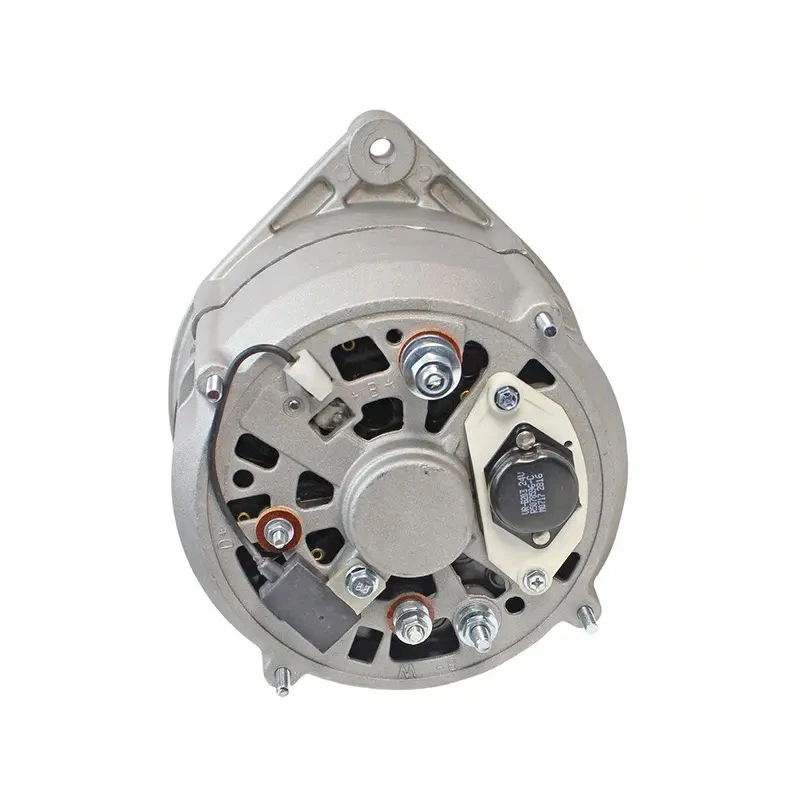
Understanding the Basics of 24 Volt 130 Amp Alternators
Why 24V Systems Dominate Heavy-Duty Equipment
For practical reasons, industrial vehicles like articulated dump trucks, excavators, and long-haul trains use 24V electrical designs. This is because the same amount of power can be sent at half the current when the voltage is twice that of a normal car system. Less power means thinner wire, less heat buildup, and less energy lost as cables go through long holes in big frames. For tools that work 10–20 hours a day, that difference in performance is big.
What "130 Amps" Actually Means in Practice
The 130A rated output means a steady flow of current, not a sudden spike. At cruising RPM, which is usually above 2,500 RPM, a good unit makes this much current. At idle, it makes 60–80A. For mining equipment that stays at low throttle for long periods of time while powering GPS units, telematics controllers, and hydraulic sensors at the same time, that idle-speed output is very important.
Key Specifications to Confirm Before Ordering
| Specification | Typical Value | Why It Matters |
|---|---|---|
| Voltage Output | 24V DC | Must match vehicle system voltage |
| Current Rating | 130A sustained | Supports high-load electronics |
| Pulley Type | 8PK poly-V | Belt compatibility and torque transfer |
| Mounting Diameter | 55mm bracket | Direct bolt-on replacement |
| Cut-In Speed | ~1,200 RPM | Charging begins at low idle |
| Bearing Series | 6305/6203 | Vibration and radial load resistance |
Essential Criteria for Choosing the Right 24V 130 Amp Alternator
Evaluate Thermal Management First
Heavy machinery's engine bays often get hotter than 100°C. If an alternator doesn't have the right thermal design, it will derate quickly or break down early. Look for housings made of an aluminum alloy; they do a good job of moving heat away from the internal windings. Vacuum-impregnated stator windings protect the copper wires even more by keeping out moisture and micro-fractures caused by shaking. Temperature-compensated voltage regulators change output as temperature rises. This keeps the alternator and the batteries it charges safe.
Confirm EMI Shielding and Electrical Compatibility
ECUs, GPS sensors, and CAN-bus communications are all very advanced on modern John Deere G-Series machines. Voltage ripple from an alternator 24 volts 130 amp that isn't properly filtered sends electromagnetic interference into these systems, which makes sensor readings go all over the place and gives false fault codes. EMI protection and a clean rectifier output are built into a well-designed 24V high-output generator. For sensitive electrical settings, values below 100mV AC at rated load are fine. Ask suppliers for ripple voltage data.
Match OEM Part Numbers Precisely
Cross-referencing OEM numbers gets rid of guessing and installation mistakes. Bosch 0124655033, 0124655033-R, 0124655852, 1986A00976, 1986A01175, 12725N, and FF101774 are all covered by the XITU 24V 130A unit. John Deere RM100160 is also covered. Because of this wide cross-reference coverage, one SKU can work with many different machine models without having to change any brackets or wiring. This directly cuts down on the time technicians have to spend working during scheduled maintenance windows.
Comparing 24V 130 Amp Alternator Options for B2B Buyers
Before agreeing to a long-term deal, procurement teams usually look at three different levels of availability. Figuring out where each tier fits in the hierarchy helps you choose suppliers that fit your level of business risk tolerance.
OEM original parts have the highest unit costs and the longest lead times. It usually takes 8–14 weeks to ship these parts across borders to mining areas in South America, Africa, or Australia. Remanufactured units from regional rebuilders are cheaper, but there are differences between batches that make it hard to set maintenance standards for the whole fleet. Factory-new aftermarket units from certified manufacturers are in the middle. They have OEM-level build quality, are easier to get, and are priced so that they have a lower total cost of ownership over the life of the machine.
| Supply Tier | Typical Unit Price | Lead Time | Batch Consistency |
|---|---|---|---|
| OEM Original | $350–$500+ | 8–14 weeks | High |
| Remanufactured | $80–$150 | 2–4 weeks | Variable |
| Factory-New Aftermarket (e.g., XITU) | $150–$350 | 4–8 weeks | High (IATF 16949) |
The XITU unit is made in a 20,000 m² factory that is IATF 16949-certified and makes more than 500,000 units a year. That's why every unit comes with its own E-Test report that shows how well it works across the whole RPM range. For fleet buyers who are in charge of 30 to 200 machines, consistent paperwork is what sets a seller apart from one you only use once and then stop working with.
Installation, Maintenance, and Troubleshooting Guidelines
Wiring and Mounting Best Practices
The 55mm mounting bracket on this unit fits the original John Deere footprint on all G-Series excavators from the 670G to the 872G series. Installers should make sure that the output wire gage fits the 130A rating. Wiring that is too small is the most common reason why alternators fail too soon after being replaced. The 8PK poly-V pulley needs belt tension within the range defined by the vehicle maker. The XITU unit's Soft Start regulator lowers the initial belt stress during contact, which increases the time between belt service intervals in high-cycle situations.
Routine Maintenance Schedule for Fleet Operations
Failures linked to the alternator 24 volts 130 amp rarely show up all of a sudden. Problems are caught early by having regular inspections. These are the main maintenance checks that your technicians should do:
- Every 500 operating hours: Inspect belt tension and pulley alignment; check terminal connections for oxidation or heat discoloration.
- Every 1,000 operating hours: Test charging voltage at both idle and rated RPM; compare against baseline readings recorded at installation.
- Every 2,000 operating hours: Inspect bearing condition by listening for rumble or roughness; verify housing for cracks or mounting bracket fatigue.
- At any fault code related to charging: Run a full load test before condemning the alternator — low battery state of charge and corroded connections mimic alternator failure.
If everyone in a fleet sticks to this schedule, there is a much lower chance of unexpected failures in the middle of a shift, which can cost active mining sites $2,000 to $10,000 per day in lost productivity.
Troubleshooting Voltage Drop and Overheating
A worn voltage regulator or a high-resistance connection in the output circuit are often to blame for low charging voltage at rated RPM. When something overheats for no clear reason, it's usually because the cooling path is blocked or a bearing is failing, which makes the internal friction worse. Standard workshop tools can find both of these problems before they cause the whole thing to fail.
Where and How to Purchase Your 24 Volt 130 Amp Alternator
Supply Reliability, Logistics, and OEM Customization
Finding the cheapest 24V generator with a high power for business-to-business use is not enough. Reliable suppliers show consistent production quality, test data that is written down, and the ability to handle your replenishment cycles.
XITU ships all over the world through partnerships with well-known freight companies. For large orders, regular sea freight lead times are 30 to 60 days. In case of an emergency, air freight choices are possible. The company allows both ODM and OEM customization, such as private-label packaging, different mounting setups, and corrosion treatments that are made for specific uses. This makes the company a useful source for both direct fleet owners and people who make aftermarket brands.
During the request stage, you can directly talk about the minimum order quantity, payment terms, and the level of personalization. When buying alternator 24 volts 130 amp units for distribution networks or fleet programs, buyers should ask for sample units and full test documentation before committing to initial stock.
Conclusion
Three things are important when picking the right 24V 130A alternator for John Deere articulated trucks and excavators: making sure it works with your fleet's electrical system, making sure it lasts in tough conditions, and making sure the provider can keep making them. Each of these needs is met by the XITU alternator 24 volts 130 amp, which has been tested and certified by IATF 16949. It also works directly with OEM part numbers from Bosch and John Deere. Getting this part choice right the first time saves money and keeps machines running for B2B buyers who are in charge of high-value equipment fleets.
FAQ
1. Can a 24V 130A alternator replace a 90A unit on the same machine?
Yes, as long as the mounting area is the same, that is, if the 55mm bracket size and pulley setup are the same. To safely handle the higher 130A current, you should also change the gage of the output wiring and the fuse. The increase in charging capacity actually helps machines that have extra electrical loads that were added after the factory specifications were made.
2. Does the alternator deliver 130 amps at idle speed?
No, alternators have an output curve that changes with speed. This unit makes about 60 to 80A when it is idle (around 700 to 900 RPM). At cruise RPM, which is usually above 2,500 RPM, the full 130A output is reached. If you need the most power at low rest, you might want to look into a higher-amperage unit.
3. What causes early alternator failure in mining environments?
Dust getting into bearings is the main reason why mine equipment breaks down early. This is directly dealt with by the XITU unit's fully sealed bearings and dust-resistant housing. The second most common reason is high shaking, which breaks the leads inside. Vacuum-impregnated windings protect against this type of failure.
Power Your Fleet with XITU — Request a Quote Today
With IATF 16949 approval, unique E-Test documentation, and a 6-month warranty, XITU offers brand-new alternator 24 volts 130 amp units. Whether you run a fleet, sell parts, or build an aftermarket brand, our team can help you with everything from evaluating samples to setting up yearly supply deals. To get information about our products, prices, and sample availability, go to xitu-auto.com or email our team at arisa@xitu-auto.com.
References
1. Society of Automotive Engineers. SAE J180: Alternator and Regulator Testing. SAE International, 2019.
2. Bosch Automotive Handbook Editorial Team. Bosch Automotive Handbook, 10th Edition. Robert Bosch GmbH, 2022.
3. International Electrotechnical Commission. IEC 60068-2-6: Environmental Testing — Vibration. IEC, 2007.
4. ASTM International. ASTM B117: Standard Practice for Operating Salt Spray (Fog) Apparatus. ASTM International, 2019.
5. International Organization for Standardization. ISO 16750-3: Road Vehicles — Environmental Conditions and Testing for Electrical and Electronic Equipment. ISO, 2023.
6. Larminie, James, and John Lowry. Electric Vehicle Technology Explained, 2nd Edition. Wiley, 2012.