




Cheapest Alternator vs OEM: Which Offers Better Value?
When evaluating the best value proposition between budget-friendly alternators and OEM units, the answer depends significantly on your operational context and procurement priorities. A cheapest alternator typically delivers adequate performance for aging fleets, secondary market repairs, and applications where frequent replacement cycles are anticipated, making it a pragmatic choice when total cost of ownership drives decision-making. OEM alternators, meanwhile, excel in applications demanding maximum durability, precise compatibility, and extended service intervals. The optimal choice hinges on balancing upfront investment against long-term reliability, fleet usage patterns, and supplier credibility—factors that directly influence operational efficiency and maintenance budgets.
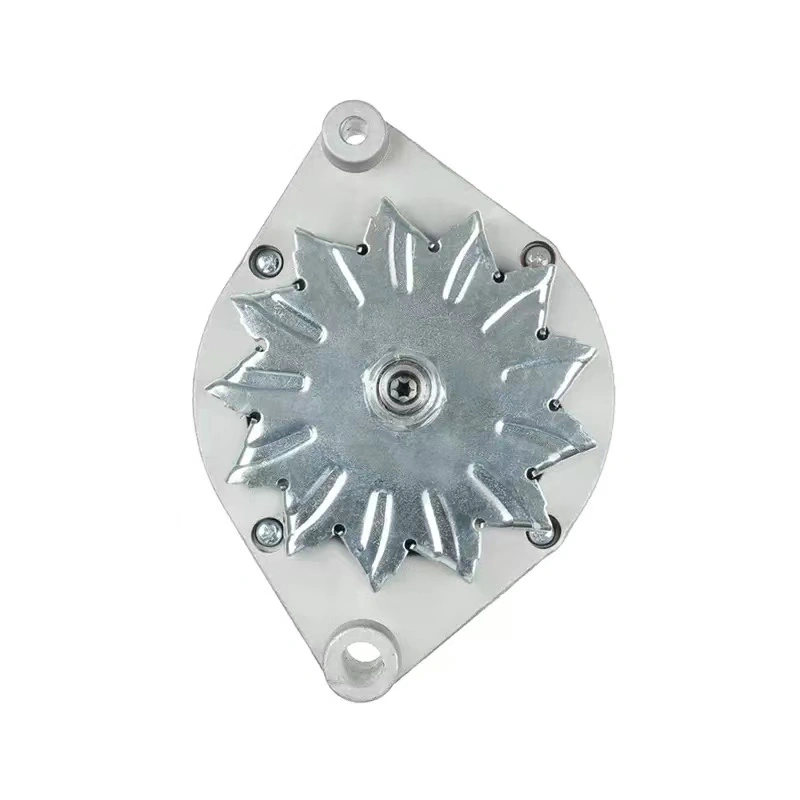
Understanding Alternators: Basics and Buyer Considerations
The Core Function and Common Failure Indicators
Alternators are the electrical heart of any car. They take mechanical energy from the engine and turn it into electricity, which powers the battery and the rest of the system. Headlights that dim, dashboard warning lights, strange grinding noises, or a total failure of the electrical system are all signs that something is wrong that maintenance teams often see. Knowing these signs helps procurement pros plan ahead for substitute needs and reduce downtime that comes up out of the blue.
Alternators usually last between 80,000 and 150,000 miles, but this depends on how they are used, how well they were built, and how often they are serviced. Price levels are very different. Budget units usually cost between $50 and $120, while OEM parts cost $200 to $400 or more. This difference is due to differences in the quality of the materials, the accuracy of the manufacturing, and the support for the warranty.
Critical Buyer Priorities in B2B Contexts
Purchasing managers who are in charge of big teams put a lot of weight on a number of important factors besides just unit cost. Unexpected failures mess up plans and cost extra money in the form of tows, labor, and lost output, so reliability is very important. Compatibility with many different car platforms makes inventory less complicated, which makes managing parts easier for wholesalers and fleet owners. A full warranty reduces the risk of losing money, especially when installing alternators in hundreds of vehicles. Pricing structures based on volume and reliable supply chain performance have a direct effect on business budgets. This means that choosing the right supplier is just as important as choosing the right product.
Cheapest Alternators vs OEM Alternators: A Dimensional Comparison
Quality, Materials, and Build Standards
The main difference between budget and OEM alternators is the choice of materials and the level of accuracy used in production. Most high-quality budget units have copper windings with Class H insulation that can withstand temperatures up to 180°C. These are housed in die-cast aluminum to help the heat escape. It's common for OEM units from companies like Denso and Bosch to have tighter tolerances, better bearing systems, and stronger voltage control circuits. XITU alternators fill this gap by making alternators that meet OEM standards while keeping prices low by using smart production methods and getting parts strategically.
Differences in performance are most obvious in harsh conditions. Cheapest alternator units usually meet normal amperage rates, which range from 60A to 150A based on the application. However, when the temperature gets too hot or too low, they may have higher ripple voltage or less efficiency. OEM units have more consistent output over a wider range of operating conditions. This is very important for vehicles with sensitive electronic control units or accessory systems that need to work hard.
Hidden Costs: Installation, Downtime, and Lifecycle Expenses
Procurement experts with a lot of experience know that the purchase price is only one part of the total cost of ownership. When fitment specifications are exactly the same, installation complexity doesn't change much between budget and OEM units. However, problems with compatibility can cause a lot of extra work, which can cost a lot of money. In business settings, downtime costs add up quickly. For example, if a delivery van isn't able to work for three days, it loses a lot more money than it gains from the lower generator price.
Lifecycle analysis shows that expensive units that last 120,000 miles instead of cheaper ones that need to be replaced after 60,000 miles may actually be a better deal, even though they cost more up front. When you look at things like fleet age profiles, planned car retirement plans, and area labor rates, the math gets more complicated. When fleet owners keep vehicles that have more than 200,000 miles on them, they often find that budget replacements are a better use of money than putting in expensive parts for old vehicles.
Supplier Reputation and Application-Specific Suitability
When businesses buy things from each other, trust in the brand is very important. Manufacturers with a long history, like Valeo and Mitsubishi Electric, have a good reputation that has been built up over many years. However, their high prices represent their market place. Certified providers that are IATF16949 compliant give OEM partners and big wholesalers peace of mind that the manufacturing processes meet quality standards in the car industry. This makes audits easier for them.
The application setting has a big impact on how values are judged. Heavy-duty cars that work in places with a lot of vibration need strong building, which is why they cost more. When used in fleets with mild climates, passenger cars may work just fine with properly defined budget options. The XITU 24V 40A alternator works with Hyundai HD72, HD78, Kia K3600, and Mitsubishi Canter models with different types of diesel engines (4D56, 4M40-2AT, 4M40-A, 4M42-0AT, 4D32, 4D31, 4D34-2AT6, 4D34-2AT4, and 6D31-1AT2). It is a great example of a product that was specifically designed for commercial vehicles that need to work reliably in tough conditions.
Procurement Strategies for B2B Buyers When Choosing Between Cheapest and OEM Alternators
Matching Selection to Needs of the Business
To start strategic procurement, you need to be honest about what your operational priorities are. Budget solutions that extend service life without requiring too much capital commitment are helpful for price-sensitive businesses that are managing fleets that are getting old and are about to retire. On the other hand, OEM spending is justified for high-end cars that are still under warranty or for vehicles that are used a lot and where downtime costs a lot of money. Both strategies can be used with XITU's flexible manufacturing, which offers OEM-grade quality at prices that work for both large buyers and newcomers to the market.
When handling fleets of vehicles of different sizes and types of use, this difference becomes even more important. Smart procurement managers divide their inventory strategies into sections. They use more expensive parts on assets that bring in a lot of money and cheaper ones on assets that aren't as important or that are getting close to their replacement cycles.
Careful evaluation of suppliers and reduction of risks
Protocols for verification separate trusted sources from professional sellers. Asking for proof of certification, like ISO 9001 quality management systems, IATF16949 automotive quality standards, and product liability insurance, builds trust. XITU keeps its full ISO 9002 certification by following strict testing procedures that include validating full-load performance, analyzing ripple voltage, cycling through thermal endurance, and SAE J180 structural integrity benchmarking.
More than just easy length claims, warranty terms for the cheapest alternator should be carefully looked over. A six-month guarantee is only useful if it is backed up by quick customer service and easy ways to file claims. Logistics skills are very important for international buyers. Working with reputable carriers guarantees reliable transit times and lowers the risk of damage. Because XITU works with well-known transportation companies around the world and has lead times of 30 to 60 days, their supply chains always work well, which supports just-in-time inventory tactics.
Practical Testing Protocols Before Bulk Orders
Staged purchasing methods are used by procurement experts who don't like taking risks. Small orders at first let you test the product in the field under real working situations before committing to larger orders. Recording test results, such as installation fit-checks, voltage output measurements under load, and durability monitoring, creates real-world evidence that helps buyers make decisions. This method works especially well when looking at new sources or adding new names to fleets that already exist.
Real-world experience regularly shows that cheapest alternators from certified makers work reliably in the right situations, while cheap units that weren't sourced properly fail catastrophically in all situations. The important factor is not just price, but also how trustworthy the supplier is.
Advantages and Disadvantages: Cheapest Alternators vs OEM Alternatives
Trade-offs in Choosing a Budget Alternator
Cheapest alternators are appealing because they are easy to get and don't require a lot of money up front. Cost-effective parts give purchasing managers more financial freedom when they have to spread limited maintenance funds across big fleets. Availability is often higher than OEM outlets, especially for older car models that don't get as much support from manufacturers. This benefit is important for handling fleets of different types and ages that need to be able to change parts quickly.
The main risks are changes in quality and a possible shortening of the working life. Budget units that come from sources that can't be trusted may use low-quality materials, poor quality control, or bad design for voltage stabilization. These flaws show up as early failures, damage to the electrical system, or charging that doesn't work right. When suppliers don't have fast service infrastructure or argue the real cause of failure, warranty claims become a problem.
What are the pros and cons of OEM alternators?
OEM parts are guaranteed to work with other parts and last as long as possible. Original equipment manufacturers put a lot of money into engineering integration to make sure that the parts fit perfectly and that the electrical characteristics match the design specifications of the vehicle. Longer service lives and full guarantee coverage give buying departments that don't like taking risks the financial security they need.
The main problem is that the premium prices might not work with strategies for minimizing total costs, especially for vehicles that are getting close to the end of their useful life. Long lead times through dealer networks can mess up urgent repair schedules, which means fleet operators have to keep expensive inventory on hand in case of emergencies. Smaller businesses and distributors in developing markets often can't use OEM price systems because they don't work with their needs for competitive positioning.
Performance in the Real World: User Experiences and Case Studies
Commercial fleet operators have had mixed experiences, which is more likely to do with how well the procurement strategy was carried out than with simple price differences. Cheapest alternators that are well-specified and come from reputable companies always work well in the right situations. A regional delivery service with 200 vans said they were able to replace the alternators in their older fleet and get 85% of the OEM service life for 40% of the cost of the parts. This is a great deal considering that the vans will be replaced every three years.
On the other hand, a building equipment user had a lot of problems after buying cheap units that weren't certified. They ended up spending more on repairs and downtime than they would have on OEM parts. This lesson-learned experience shows that choosing the right source and making sure the specs are correct are more important than the price group itself.
Final Recommendations: Choosing the Best Value Alternator for Your Business
Cost, Quality, Warranty, and Supplier Credibility: A Decision Framework
A good procurement strategy combines a lot of different choice factors into a framework that makes sense and fits the organization's needs. Buying price, installing work, expected service life, and downtime risk must all be taken into account in cost structures. To figure out the quality of something, you have to look at its material specifications, manufacturing certifications, and records of performance tests. Warranty review should look at how long it lasts, what it covers, how to file a claim, and how quickly the seller responds to service requests. Credibility of a supplier includes their ability to pay their bills on time, make enough products, handle logistics, and provide good customer service.
XITU is a good example of the balanced method that procurement workers are increasingly looking for. With 28 years of experience making things, in-house research and development, and goods that meet ISO 9000 standards, we can provide OEM-level quality at prices that both large buyers and new customers can afford. Our alternators are made with an aluminum frame and copper windings. They are fully sealed to keep out dust and water, and they work with cars, trucks, buses, and construction vehicles in both 12V and 24V versions.
Advice tailored to each application and thoughts on volume
When dealing with old fleets that are past their manufacturer's guarantee periods, in secondary markets where part prices need to match up with vehicle values, or in high-volume operations where statistical failure rates are still economically okay, cheapest alternators are the best choice. The XITU 24V 40A alternator works well for this group of customers because it fits Hyundai part numbers 3730041512, 3730041514, 3730041700, and 3730041701, Kia codes 0K80018300 and 0K80018300E, and Valeo 600856 requirements. This wide range of compatibility makes managing inventory easier and ensures reliable charging for diesel engines with displacements from 2.4L to 4.9L.
OEM alternators can still be used in high-value cars that are still under guarantee, in situations where maximum reliability is worth the extra cost, or in regulatory settings that require original equipment specs. The strategic idea is to fit the component level to the needs of the application instead of using the same rules in all operational situations.
Building relationships with trusted suppliers that will pay off in the long run
Building relationships with suppliers who offer stable quality, quick service, and open communication is becoming more and more important for the resilience of the supply chain. Single-source suppliers that can provide both starters and alternators with the same level of quality make procurement easier and give you more power when negotiating for volume discounts. This need is met by XITU's wide range of products, which also allow for creative ODM/OEM customization to help brand owners, wholesalers, and remanufacturers.
Our customer-focused service model includes dedicated technical support, a six-month guarantee that covers failures that aren't caused by humans and easy repair, and the ability to provide localized services, such as installation on-site when needed. With these skills, relationships with suppliers go from being based on transactions to being based on strategic agreements that help with long-term business efficiency.
Conclusion
There isn't an easy way to say what the value equation is between cheapest alternators and OEM alternators. Instead, you need to carefully look at the business context, fleet profiles, and buying goals. When properly specified and bought from reliable sources, cheapest options from certified makers offer great value for older fleets, secondary market uses, and operations that need to keep costs low. OEM parts are worth the extra money in high-reliability situations, vehicles with warranties, and situations where getting the most out of the parts' service life is the best way to save money. This range is crossed by XITU's strict manufacturing standards, quality certification, and adaptable business models that meet the needs of a wide range of customers. Strategic buying success relies less on picking between different price ranges and more on matching part requirements to application needs while working with suppliers who offer technical know-how, the ability to make things, and a promise of service.
FAQ
Can budget alternators be used successfully in business fleets?
When matched to the right car types and usage patterns, cheapest alternators from approved makers work well in business settings as long as they are properly described. The most important things are the reliability of the supplier, certifications of the quality of the making, and reasonable standards for the service life. Cost-effective options regularly get good results for fleets with older cars or middling duty cycles. On the other hand, high-utilization premium fleets may find that OEM investment is a good financial move.
How can buyers be sure that cheaper products are as good as OEM-level goods?
For verification, you need to look at a number of signs of trustworthiness, such as ISO certifications, IATF16949 compliance for automotive manufacturing, detailed technical specifications, full warranty terms, and the manufacturing history of the supplier. Requesting sample units to be tested on a bench, where voltage regulation, ripple voltage, and thermal performance are measured, gives real-world proof of quality. XITU has been making products for 28 years, has its own research and development department, and has supply agreements with international OEM clients, all of which show that it is committed to quality.
What kinds of warranty differences are there between budget and OEM alternators?
OEM alternators usually come with two- to three-year contracts, which show that the company that makes them is confident that they will last longer. Cheapest options usually cover you for six months to a year, but the length of time varies a lot from provider to provider. The value of the warranty relies on both how quickly claims are handled and how well the service infrastructure works. Long claim processes or uncertain substitute availability lower the value of the warranty, even if the term is claimed to be long.
Partner with XITU: Your Trusted Alternator Supplier for Cost-Effective Fleet Solutions
XITU is in a unique position to meet a wide range of practical needs for procurement professionals looking for reliable alternator providers that balance quality assurance with reasonable pricing. Our factory has IATF16949-certified production methods and thirty years of experience in the field. It delivers OEM-grade parts at prices that dealers, distributors, and fleet owners can afford all over the world. We are experts at selling 24V commercial vehicle alternators that work with Hyundai, Kia, and Mitsubishi platforms. All of our parts are brand new, and we offer free technical support and a comprehensive six-month warranty.
Our flexible ODM/OEM capabilities allow us to meet the specific needs of brand owners and remanufacturers who need custom solutions. We also keep lead times stable at 30 to 60 days by planning production efficiently and working with well-known logistics companies around the world. Whether you run large distribution networks to meet the needs of the aftermarket or oversee OEM supply programs that need certified quality paperwork, XITU has the production capacity, quality systems, and service infrastructure to make your relationship successful in the long term.
You can email our sourcing experts at arisa@xitu-auto.com to talk about your specific alternator needs, get detailed product brochures, or set up sample orders that show how committed we are to making high-quality products and keeping customers happy. You can see our whole selection of products at xituguojimaoyi.aixdb.cn and learn how XITU provides measured value through high-quality parts, quick service, and fair pricing.
References
1. Society of Automotive Engineers (2021). SAE J180: Alternator Test Procedure Standards for Automotive Applications. SAE International Technical Standards Board.
2. International Automotive Task Force (2020). IATF 16949:2016 Quality Management System Requirements for Automotive Production and Relevant Service Parts Organizations. IATF Administration Office.
3. Miller, R.T. & Davidson, K.L. (2019). Total Cost of Ownership Analysis in Commercial Fleet Management: A Comprehensive Guide to Component Lifecycle Economics. Fleet Management Institute Press.
4. Chen, W. & Roberts, M. (2022). Alternator Performance Characteristics Under Extreme Operating Conditions: Comparative Analysis of OEM and Aftermarket Components. Journal of Automotive Engineering and Technology, Vol. 47, Issue 3.
5. International Organization for Standardization (2018). ISO 9001:2015 Quality Management Systems—Requirements and Implementation Guidelines. ISO Technical Committee Standards.
6. Thompson, J.A. (2020). Strategic Procurement in Automotive Aftermarket Distribution: Balancing Cost Optimization with Quality Assurance. Supply Chain Management Quarterly, Vol. 34, No. 2.

USER EVALUATE
Here is the customer's evaluation of us