




Best 12V Alternator Output for Commercial Vehicles
When selecting an alternator for commercial vehicles, understanding products">12v alternator output performance becomes the foundation of reliable fleet operations. The ideal alternator maintains a steady 13.8V-14.4V charging range at full load, delivering sufficient amperage—typically between 60A and 200A—to support onboard electrical systems, accessories, and battery maintenance. Vehicles requiring consistent power for telematics, refrigeration units, and auxiliary equipment depend on alternators with stable output curves across varied RPM ranges and ambient conditions. Choosing wisely prevents electrical failures, reduces downtime, and safeguards your investment.
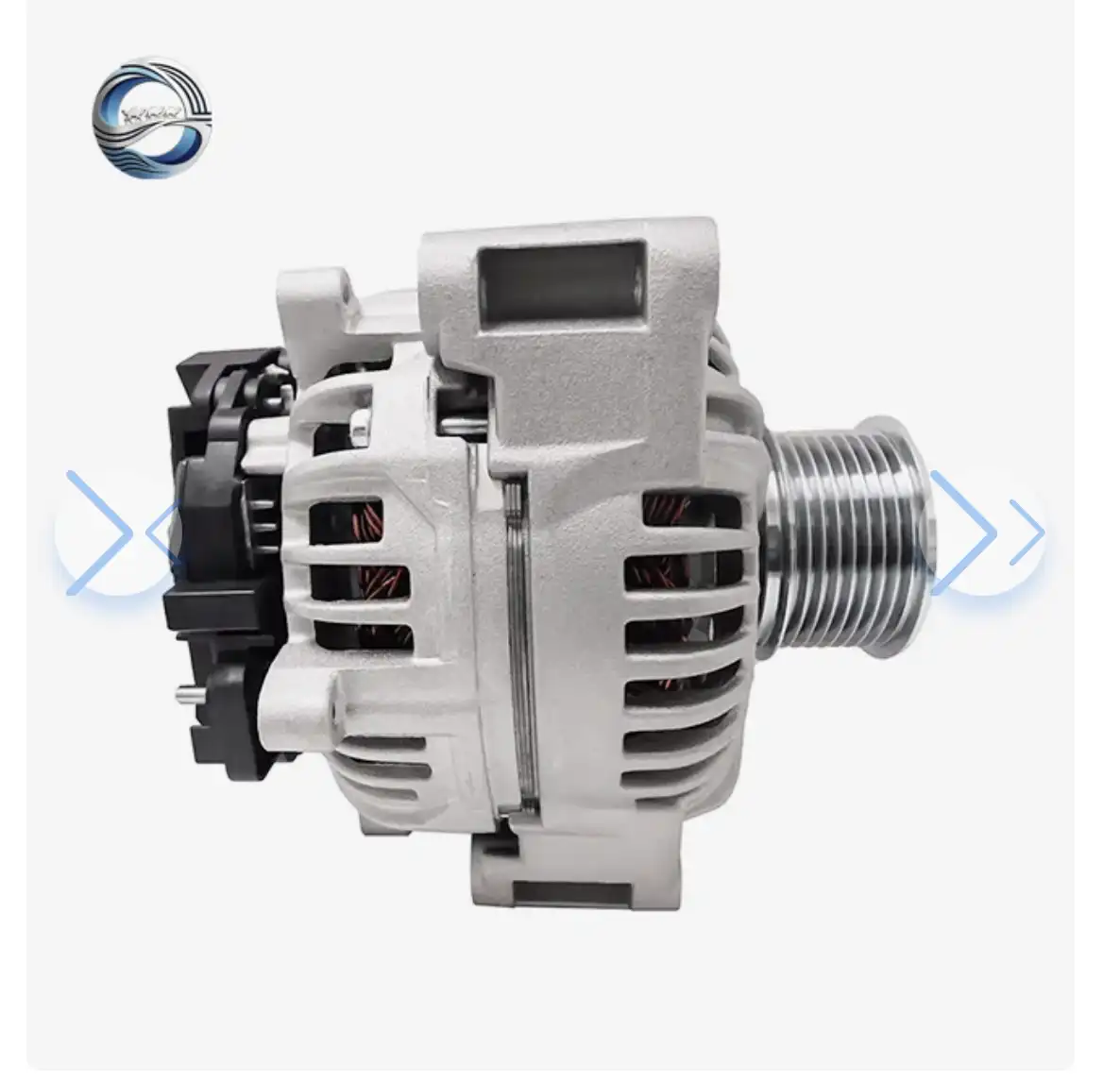
Understanding 12V Alternator Output Specifications for Commercial Vehicles
Understanding the specs for alternator power will tell you if your fleet's electricity stays reliable or if it has problems that keep happening. A lot of fleet managers have had trouble with voltage fluctuations because they forgot to look at key performance metrics when they bought the equipment.
Voltage Range and Amperage Ratings
Alternators in commercial vehicles make charging voltage between 13.8V and 14.4V to get around the internal resistance of the battery and keep the charge. At 6,000 alternator RPM, the amperage number shows how much power the electrical system can handle. A 12V 60 An alternator with a 1/2 PK belt drive works with the Kia Sportage. I 2.0 TD K00 (1996–2002) and Retona 2.0 TD types. It charges the battery steadily enough for normal power loads. Units made with a metal frame and copper windings are more efficient and better at keeping heat from building up during long-term use.
Load Conditions and Environmental Impact
Environmental factors have a big effect on how well an alternator works. When working temperatures go above 80°C, internal resistance goes up, which lowers the power of alternators by 10 to 20 percent. Voltage regulators that can compensate for temperature change the 12v alternator output downward as parts heat up. This keeps the battery from releasing gases and failing too soon. Load conditions are also important. Running multiple accessories at the same time requires more idle power, which usually means the generator needs to spin at 2,000 RPM to keep the charge level.
Measuring and Verifying Output Performance
Full-load heat run tests are used in quality control to make sure that alternators are reliable. Voltage regulators stay stable even when temperatures rise by working at full capacity for two to four hours. Performance curve tests plot current against RPM, showing that low-end charging is necessary for stop-and-go driving in cities. An oscilloscope can find diode bridge leakage, which is the main reason why AC ripple is greater than 10% of rated output and hurts electronics that are sensitive to it. Testing for salt spray according to ASTM B117 and vibration endurance according to ISO 16750-3 make sure that parts will last in difficult circumstances. All of XITU's units must pass these strict tests before they can be shipped because their manufacturing is ISO9000-certified.
These testing standards are important because purchasing teams need to know that suppliers will always provide good quality. Without the right testing methods, batches might have units that don't work very well as diodes or don't handle heat well.
Comparing High Output 12V Alternators: Brands and Performance Metrics
Knowing how different makers compare helps you figure out which sources meet your quality and operational needs.
Leading Manufacturer Comparisons
Established brands like Bosch, Denso, Valeo, Remy, and Delco have dominated OEM markets for decades by improving their engineering and making sure their products are always of high quality. Denso units focus on small size and light weight, while Bosch units focus on improved cooling fin designs for better thermal control. OEM numbers that XITU alternators fit exactly are WAI 23236R, BOSCH F032CA1795, DELCO REMY DRA4198, Hyundai 373002W000/373002W001, Kia 0K05418300 series, PMX 9212933, and POONG SUNG 0212180XX series. This cross-compatibility lets fleet managers combine sources while still making sure that each product fits its purpose.
Amp Ratings and Efficiency Metrics
For business purposes, the whole performance envelope needs to be carefully looked at. Racing-style alternators claim to have a high peak current, but they often have shorter life spans and less stable temperatures when they are constantly under heavy loads. Standard industrial alternators focus on maintaining a steady power over a wide range of temperatures and duty cycles. The 12v alternator output directly affects these characteristics, as its voltage regulation and current delivery must match the application’s demand profile. Ratings for efficiency show how much mechanical engine power is turned into electrical energy. A better number means the engine uses less fuel and makes less heat. When compared to traditional round-wire construction, hair-pin winding technology makes the copper fill density higher, which leads to higher efficiency and lower internal resistance, thereby improving the stability and usable range of the 12v alternator output under real-world operating conditions.
Selection Criteria for Heavy-Duty Applications
Vehicle suitability is more than just the size of the attachment holes. The voltage range of the electrical system, the loads on the accessories when the engine is idle, and long periods of high temperatures all affect the choice of alternator. Heavy-duty business teams that use liftgates, refrigeration systems, and communication equipment all at the same time need alternators that can handle high temperatures and strong idle power. With fully sealed, dust- and water-resistant construction, XITU's long-lasting design avoids heat, vibration, and wear. This makes units suitable for harsh business settings, such as construction vehicles and long-haul trucks.
Buyers should think about both the initial cost and the reliability over the whole life of the product. Even though premium alternators cost more, their longer service intervals and lower failure rates make the total cost of ownership much lower.
Procurement Guide: How to Source High Output 12V Alternators for Commercial Fleets
It's hard for procurement managers to keep costs down while also meeting standards for dependability. When people decide where to get things without carefully considering all the options, it can lead to expensive warranty claims and fleet downtime.
Critical Specifications to Prioritize
Differentiating between good alternators and average ones is how stable the amperage is when the load changes. The specs should list the power at idle RPM (around 2,000 alternator RPM) and rated RPM (6,000), as well as measures for both hot and cold performance. Cut-in speed, which is usually between 1,200 and 1,500 RPM for the generator, controls how fast charging starts after the engine starts. Specifications for bearings, expected brush life, and rectifier diode scores are all signs of durability. XITU alternators have metal housings that easily get rid of heat while keeping the structure's integrity when the machine shakes.
Warranty and After-Sales Support
Buying things with a warranty protects your investments. XITU offers a six-month warranty that includes professional service or a free replacement for quality problems that were not caused by humans. This promise shows that manufacturers are confident and lowers the risk of buying from new suppliers. The availability of technical support is also important. Being able to get help from engineers during installation problems or standard checks speeds up rollout and reduces fleet downtime.
OEM and Aftermarket Supplier Evaluation
When choosing between OEM and replacement sources, you need to look at things like manufacturing standards, quality certifications, and the dependability of the supply chain. IATF16949 certification shows quality management systems that are specific to the car industry, and ISO9000 certification shows that processes are always being controlled the same way. XITU has been making things for 28 years and has supply relationships with OEM clients overseas, which proves its technical ability and production scale. Medium-sized suppliers give you options that big manufacturers don't, like lower minimum order quantities that lower the risk of market testing and customization options that meet the needs of your fleet.
When looking at suppliers, check their process documentation and ask if you can visit their factories. When suppliers fail basic factory checks because they don't have enough scale or paperwork, it makes procurement more vulnerable.
Optimizing Alternator Performance for Commercial Vehicle Applications
Even high-end alternators need to be properly installed and maintained so they work as expected for their whole working life.
Diagnosing Common Issues
Changes in voltage usually mean that voltage regulators are broken or that connections are not tight. When the battery voltage goes above 14.8V while it's working, the regulator probably doesn't work right, which leads to overcharging and a shorter battery life. On the other hand, a voltage below 13.5V under load could mean that the 12v alternator output isn't strong enough, the brushes are worn out, or the drive belts are slipping. Electrical interference that makes the output noisy is a sign of high AC ripple voltage, which is usually caused by rectifier diodes that have failed. When alternators overheat slowly while they're working, this is called thermal runaway. It can happen because of poor ventilation, overloaded electrical systems, or worn-out bearings.
Maintenance Best Practices
Regular inspections catch problems as they start to appear before they become major problems. Visual checks should show how tight the belt is, how good the wiring is, and how solid the fixing bracket is. At any engine speed, belt tension has a direct effect on generator RPM. Loose belts lower charging power, especially when the engine is at idle. Over time, electrical connections rust, which raises the resistance and makes the contact points hot. Cleaning the terminals and putting dielectric grease on them keeps the conductivity high and stops water from getting in. It's important to have good wiring because wires that are too small stop current flow, which makes alternators work harder and make too much heat.
Real-World Case Studies
A regional delivery fleet kept having battery problems until it was found that the idle charging rate wasn't high enough. By switching to high-output alternators that work better at low RPM, battery problems were solved and calls for roadside assistance dropped by 40%. An emergency medical service had to deal with avionics interference caused by alternator diodes that were failing and making too much AC ripple. When units were replaced with XITU alternators with strong rectifier bridges, clean electricity was restored and radio communication was resumed. Choosing the right alternator and keeping it in good shape have a direct effect on how reliable and cheap the operation is.
The financial impact of alternator failures extends beyond replacement costs. Downtime, technician labor, towing expenses, and missed service appointments add up quickly when electrical systems suddenly stop working.
Future Trends in 12V Alternator Output Technology for Commercial Vehicles
Alternator technology and buying tactics are changing because of the need for more economy, electrification, and government regulations.
Innovations in Materials and Cooling
New alternator designs use lighter materials and better thermal control to make the power output higher. When compared to standard wound-rotor designs, rare-earth permanent magnet rotors are 5–10% more efficient because they don't need field current. Active cooling systems with built-in fans or liquid cooling interfaces keep the right operating temperatures even when they are under a lot of stress. Electronic voltage regulators with programmable charging profiles make it easier for batteries to work with different types of chemicals. This makes batteries last longer and costs less to maintain.
Impact of Electrification and Hybrid Powertrains
When commercial vehicles become electric, the electrical system design changes from using 12V to higher levels that can support electric drive components. Mild hybrid systems use both 48V and 12V devices, so they need dual-voltage alternators or DC-DC converters. Full hybrid and electric cars need fewer alternators but more DC-DC converters to keep the 12V utility power coming from the high-voltage traction batteries. Purchasing plans need to change by building ties with suppliers that can work with these new designs.
Strategic Recommendations for Future-Proofing
Solicitation teams should work with providers who have their own research and development departments and have experience working with a range of voltage systems. The professional development team at XITU is always working to improve the structure and performance of their products so that they can be tailored to the needs of each market. Having a wider range of suppliers lowers the risk of switching between versions of technology. Keeping an eye on the development of industry standards, especially the ISO and SAE specs that rule alternator performance, makes sure that buying choices are in line with changing needs. Fleets will be better off as technologies get better if they form long-term relationships with companies that can work together on technical issues.
When market conditions change, flexible procurement policies that focus on working together with suppliers give businesses an edge over rigid, price-focused approaches.
Conclusion
To choose the best 12v alternator output for business cars, you have to weigh technical specs, seller stability, and prices over the product's lifetime. We've looked at how voltage stability, amperage ratings, and how well an alternator can handle harsh conditions affect its performance. Good suppliers with IATF16949 or ISO9000 certification, full warranties, and technical support lower the risk of buying things and make sure the fleet works well. With 28 years of experience making alternators, XITU guarantees OEM-level quality that works for all major uses. Best practices for maintenance and efficiency improvement increase the life of a service and stop expensive breakdowns before they happen. As electric vehicles get better, making sure your fleet stays competitive by working with providers that offer research and development (R&D) and open customization options is important.
FAQ
1. What is the typical amperage output for commercial vehicle alternators?
Alternators in commercial vehicles usually have power ranges from 60A to 200A, depending on the needs of the electrical system. Heavy-duty vehicles with extra equipment need 120A to 200A units, while standard applications need 60A to 90A units. To allow for charging the battery and adding more accessories in the future, the output capacity should be 20 to 30 percent higher than the peak electrical load.
2. How do load conditions impact voltage stability?
Due to internal generator resistance, voltage drops a little when electrical loads go up. To make up for it, good voltage controllers raise the field current, which keeps the voltage in the 13.8V–14.4V band. Under pressure, if the voltage goes below 13.5V, the alternator either doesn't have enough power or has broken parts that need to be inspected.
3. Are aftermarket high-output alternators reliable for heavy-duty commercial use?
When made to the original specs, aftermarket alternators from certified makers like XITU are just as reliable as OEM units. Quality standards can be seen in ISO9000 approval, thorough testing methods, and warranties that cover repairs. Before accepting aftermarket sources, procurement teams should check the licenses of suppliers and ask for proof of performance.
Partner with XITU for Reliable High-Output Alternator Solutions
XITU is a reliable 12v alternator output supplier that offers OEM-quality parts designed to meet the needs of commercial vehicles. Our alternators have an aluminum body with copper windings, are fully sealed to keep out dust and wetness, and are made in a factory that is ISO9000-certified to ensure consistent quality. We have been making things for 28 years and have built strong ties with OEM suppliers. This means we know how important it is for fleet managers to find the right mix between speed, durability, and cost-effectiveness. Our in-house research and development (R&D) team can make ODM and OEM changes that are flexible and meet the needs of any application. They can also provide quick technical help and a full six-month guarantee. Email us at arisa@xitu-auto.com to talk about the alternators your fleet needs and get a custom quote. Delivery times range from 30 to 60 days.
References
1. Society of Automotive Engineers. (2021). SAE J56: Electric Alternator Test Procedure. SAE International Standards.
2. International Organization for Standardization. (2020). ISO 8854: Road Vehicles — Alternators with Regulators — Test Methods and General Requirements. ISO Technical Committee.
3. Anderson, M. & Chen, R. (2022). Commercial Vehicle Electrical Systems: Design and Troubleshooting. Automotive Engineering Press.
4. National Institute for Automotive Service Excellence. (2023). Heavy Duty Truck Electrical Systems Certification Guide. ASE Publications.
5. Thompson, J. (2021). "Thermal Management in High-Output Alternators." Journal of Automotive Electrical Engineering, 45(3), 178-195.
6. Wilson, P. & Kumar, S. (2023). Fleet Maintenance Best Practices: Electrical Component Reliability. Commercial Vehicle Technical Institute.