




Alternator Heavy Duty Buying Guide: Amps, Performance, and Applications
Selecting the rightalternator%20heavy%20duty&type=products"> alternator heavy duty unit for commercial or emergency vehicles is one of the most consequential decisions a procurement manager makes. Get it wrong, and you risk electrical failure mid-operation — an outcome no fleet manager or emergency responder can accept. This guide walks you through everything that matters: output ratings, construction quality, OEM compatibility, and real-world applications. Whether you source for IVECO EUROCARGO fleets, fire apparatus, or mining equipment, the information here will sharpen your supplier evaluation and help you buy with confidence.
Understanding Heavy Duty Alternators: Core Concepts and Benefits
What Separates Heavy Duty from Standard Units
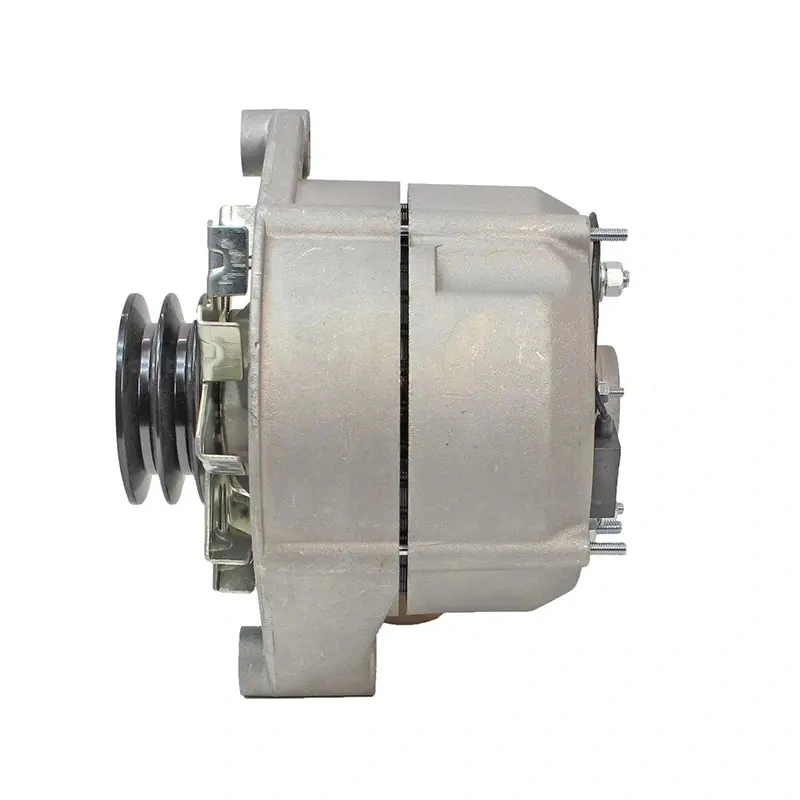
Most normal car alternators put out 65 to 90A at 12V and are made for light duty vehicles. A commercial-grade charging generator, on the other hand, runs on 24V and has output ratings that start at 90A and go up to over 200A for more advanced models. The internal design takes this gap into account, with stronger bearings, Class H copper windings that can handle temperatures above 180°C, full-aluminum housings that help cool things down, and tight security against dust and water getting in.
Key Performance Advantages
- Stable low-RPM output: A good 24V 90-At rest, a unit sends out 60–70% of its rated current, which powers telematics, emergency lights, and communications without draining the battery.
- Thermal endurance: Industrial-grade insulation can work at temperatures above 100°C, which keeps the windings from breaking too soon, which happens a lot with standard units when the engine bay gets hot.
- Extended service intervals: Dual-sealed bearings and strengthened rectifier bridges reduce wear under constant mechanical load, making the operating life two to three times longer than regular options.
These benefits directly lead to less unplanned downtime, which is an important metric whether you're in charge of a fire department or a logistics fleet.
Common Maintenance Considerations
Even commercial alternators that are very strong should be inspected on a regular basis. Every 50,000 km, check the tightness of the belt and the position of the pulleys. Once a year, check the output of the voltage regulator and keep an eye out for any unusual ripple voltage that could mean the rectifier bridge is breaking down before it affects the onboard ECUs.
Heavy Duty Alternator Performance Comparison and Selection Criteria
Comparing Alternator Types by Application Demand
Not every high-output alternator is good for every job. The most common types of categories that procurement teams look at are shown below in a table:
| Type | Voltage | Typical Output | Best Application |
|---|---|---|---|
| Standard Automotive | 12V | 65–100A | Passenger cars |
| Commercial Heavy Duty | 24V | 90–150A | IVECO trucks, fire chassis |
| High-Output Industrial | 24V | 150–300A | Mining, marine, generators |
| Brushless Specialist | 12/24V | 100–200A | Long-duty machinery |
The Demand-Matching Approach
When procurement engineers only figure out standard loads, they often get alternators that are too small for an alternator heavy duty application. A better way takes into account peak demand at the same time, like when engine control, HVAC, communications, emergency lighting, and other equipment are all running at the same time. For an IVECO EUROCARGO fire chassis, that peak load can reach 70–80A continuously, so a 90A-rated unit is the very least that can work. There is no room for extra gear.
Selection Criteria That Actually Matter
A reliable supplier is different from a risky one in four ways besides amperage. Stable voltage even when the load changes saves sensitive electronic circuits. IATF 16949 approval proves that the production process follows strict rules for the car industry. Cross-referencing OEM numbers, especially Bosch number coverage, makes sure that the parts will fit without engineers having to guess. Finally, a clear warranty with clear response terms shows how a supplier acts after the sale as well as during it.
Procurement Guide: Purchasing Heavy Duty Alternators for B2B Clients
OEM vs. Aftermarket: The Real Trade-Off
It usually takes four to eight weeks for IVECO network dealers to get original equipment parts, and they cost an extra €350 to €700 per unit. A approved replacement unit from a maker that is IATF 16949-accredited and cross-referenced to the exact Bosch OEM number gives the same electrical performance at a much lower cost and in much less time. Certification is very important: "aftermarket" is just a risk transfer to your fleet without documented results of load testing, thermal endurance, and salt spray.
What B2B Buyers Should Request Before Ordering
Before placing a first order with any supplier, request the following documentation package. Reputable manufacturers provide this without hesitation:
- Full OEM cross-reference table with all Bosch and OE numbers that can be used
- A report from a load performance test that shows the output curve at idle, mid-range, and peak RPM
- Certification for thermal endurance (100 hours or more at 100°C or more)
- Test results for vibration strength (three-axis)
- Declarations of compliance with CE, RoHS, and REACH for entries into the EU market
- An IATF 16949 or ISO 9001 certificate that is still good
Getting this package early also speeds up your internal expert review, which shortens the time it takes to make a choice.
Evaluating Supplier Reliability for Long-Term Sourcing
When you're in charge of scheduling fleet repair, the annual production capacity of a seller is just as important as the unit price. A factory that makes more than 500,000 units a year on more than 50 precision machines is a sign of supply chain depth. It's the difference between being told there will be a four-week wait time and getting an apology email when your fleet of emergency vehicles breaks down. Ask the seller to make the production plan clear and make sure they can handle blanket purchase orders with scheduled call-offs.
Applications and Performance Optimization of Heavy Duty Alternators
Industry-Specific Power Demands
The following table shows the different types of electricity loads that happen in the four main areas where alternator heavy duty units are used:
| Sector | Key Electrical Loads | Why Standard Units Fail |
|---|---|---|
| Class 8 Long-Haul Trucks | Telematics, refrigerated trailer, sleeper cab | Low-RPM output isn't enough |
| Fire & EMS Vehicles | Scene lighting, sirens, life support | Power can't be turned off |
| Mining & Construction | Hydraulics controls, site communication | Vibration destroys standard bearings |
| Marine | Navigation, bilge, communications | Corrosion destroys standard housings |
IVECO-Specific Fitment: What Procurement Teams Need to Know
When buying IVECO EUROCARGO I–V, EUROFIRE I–IV, and TECTOR II chassis, the 24V 90A 8PK 55mm specification is the only one that will work. These Bosch OEM numbers work with each other: 0124655005, 0124655017, 0124655020, 0124655082, 0124655488, 0986045430; also, CA1812IR, 12594N, and 4892320. By comparing the OEM number to your chassis records before placing an order, you can avoid installation mistakes and the costs of shipping the chassis back.
Optimizing Alternator Service Life in Demanding Environments
Three habits greatly increase the time between services. First, make sure that the alternator's output number matches the highest level of electricity use. Keeping the unit going at close to full output for a long time speeds up the wear on the brushes and bearings. Second, make sure the drive belt is properly tightened; too little tension can cause the belt to slip and get too hot, while too much tension speeds up the failure of the bearings. Third, make sure the unit stays clean and free of oil, which breaks down insulation over time.
Conclusion
Finding the right commercial alternator heavy duty charging generator for IVECO platforms, emergency vehicles, or heavy industrial equipment comes down to three things: making sure it works with the original equipment manufacturer (OEM), making sure the quality of the manufacturing is good, and finding a supplier who can deliver on time. The XITU 24V 90A unit meets the requirements for a Bosch 9-series OEM number, is certified by IATF 16949, and ships from a factory that can handle blanket orders. With 28 years of experience making things and clear paperwork, the risk of procurement is doable, and the operational benefit is that the fleet stays charged.
FAQ
1. How long does a commercial-grade alternator typically last?
A alternator heavy duty unit that is properly specified will last between 150,000 and 250,000 km, or five to seven years, of normal use. Units that are constantly under a lot of electricity load or that are in places with a lot of shaking may need to be inspected every 100,000 km.
2. How can I detect early performance degradation?
Keep an eye out for warning lights about the battery, extra lights that dim when the car is not being used, or diagnostic tool readings of ripple voltages above 50mV AC that are not normal. These signs show that the rectifier bridge or voltage regulator is wearing out before it fails completely.
3. Are certified aftermarket parts as reliable as OEM components?
Yes, as long as the supplier is IATF 16949 certified and can show test records that can be tracked. The OEM number cross-reference makes sure that the part fits physically and electrically. Certification proves that the manufacturing process is disciplined and provides uniform results.
Get Your IVECO Alternator Quote from XITU Today
You can trust XITU to make alternator heavy duty units because they have been in business for 28 years, are IATF 16949 certified, and make alternators for all IVECO EUROCARGO and EUROFIRE systems. Our 24V 90A units come with full test reports, a guarantee that lasts for six months, and guaranteed lead times of 30 to 60 days. Get in touch with our technical team to get OEM cross-reference tables, information on sample availability, and pricing for large orders. Send us an email at arisa@xitu-auto.com or go to xitu-auto.com to begin the review right away.
References
1. Society of Automotive Engineers. SAE J56: Alternator Test Procedure for Heavy-Duty Applications. SAE International, 2019.
2. International Organization for Standardization. ISO 8854: Road Vehicles — Alternators with Regulators — Test Methods and General Requirements. ISO, 2021.
3. Bosch Automotive Handbook. Electrical Systems in Commercial Vehicles, 10th ed. Robert Bosch GmbH, 2022.
4. Fleet Equipment Magazine. Electrical Load Management in Class 8 Trucks. Endeavor Business Media, 2023.
5. International Automotive Task Force. IATF 16949:2016 — Automotive Quality Management System Requirements. IATF, 2016.
6. Transport & Logistics Europe. Emergency Vehicle Electrical Systems: Reliability Standards and Procurement Practices. ETM Professional Control, 2022.