




2V Alternator Output Explained: Voltage, Current, and Performance Guide
In alternator/12v-alternator-output">12v alternator output, we're talking about the voltage and current of the electricity that your car's charging system makes to keep the batteries charged and all the electrical parts working properly. Despite the "12V" sign, alternators that are working properly make between 13.5V and 14.8V when they are in normal use. This voltage range makes sure that there is enough charge potential to get past the internal resistance of the battery and keep the system healthy. When buying alternators for OEM production lines, aftermarket distribution, or remanufacturing programs, procurement professionals, distributors, and engineers can make better choices when they know how voltage, current capacity, and performance factors work together.
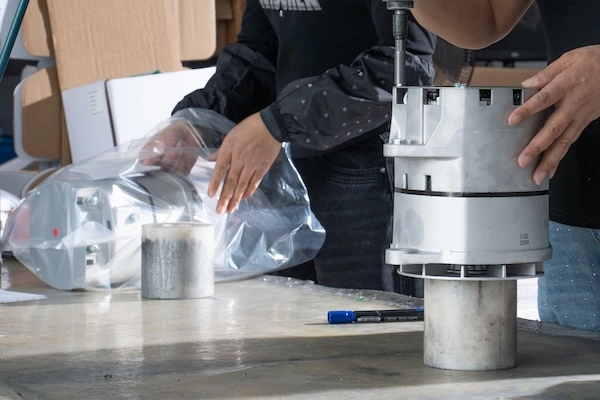
Understanding 12V Alternator Output Basics
What Voltage Range Should You Expect
Charging methods for cars work within a certain power range. Even though we call them "12V alternators," the energy they put out is actually between 13.5V and 14.8V when they're working properly. This high voltage is needed because lead-acid batteries need a bigger potential difference to charge properly. The voltage regulator inside the generator constantly checks the battery and changes the power based on what it finds. This regulation is affected by temperature; batteries that are cooler need a little more voltage, while batteries that are warmer need less to keep them from overcharging and losing liquid.
Current Capacity and Amperage Ratings
When the 12v alternator output is inserted into the alternator, amperage numbers show how much power the alternator can produce when it is fully loaded. Ratings usually run from 40A for smaller cars to 200A+ for business trucks or other unique uses. The XITU 12V 60 An alternator made for Kia Sportage models has a basic set of features that make it perfect for most car electrical needs. Current output changes with engine RPM. When the engine is running at low speeds (around 600 to 800 RPM), alternators usually only produce 30 to 50 percent of their maximum capacity. At higher speeds, they can produce their full output potential.
How to Measure Output Accurately
For professionals to test alternators, they need to follow certain troubleshooting steps. With the engine running at about 2,000 RPM and a digital multimeter, check the voltage right at the output terminal of the generator. Readings between 13.8V and 14.5V show that the voltage is being regulated correctly. Professionals use an inductive ammeter that is clamped around the main output wire and carefully applies electrical loads to measure amperage. The Full-Load Heat Run test, which involves running the unit at full capacity for two to four hours, makes sure that the voltage control stays stable as the internal temperatures rise. This is an important quality step for business-to-business purchases.
Performance Characteristics of 12V Alternators
Output Regulation Across Battery Charge States
These days, alternators have smart voltage controls that change the power based on how charged the battery is. When batteries are completely dead, the limiter lets the highest power (14.4–14.8V) flow so that they can be charged quickly. The regulator slowly lowers the voltage to about 13.5–13.8V as the battery gets close to being fully charged. This keeps the battery from being damaged by overcharging. This dynamic regulation saves the battery life and makes sure that the electronics in the car always get power. The characteristic "charging curve," which plots current against RPM, shows how fast a generator can meet the needs for electricity at different engine speeds.
Standard vs. High-Output Alternators
Standard alternators usually give out 60–90A, which is enough for basic car needs like lights, entertainment systems, and starting the engine. High-output types (120A+) are used in cars that have a lot of electrical add-ons or aftermarket parts, such as winches, extra lights, or refrigeration units. The difference in performance goes beyond the raw power. High-output units often use hair-pin winding technology, which raises the density of copper fill in the stator, lowering internal resistance and making the heat transfer better. For solid mid-range performance, XITU's 12V 60 A type has an aluminum housing with copper windings that balance weight, sturdiness, and conductivity. Insert the 12v alternator output directly into the system as specified.
Brand Quality and Technical Differentiation
Leading companies like Bosch, Denso, and Valeo have built their names on quality that never changes and new tech ideas. But mid-level makers with strong certifications and process control, like XITU, which has ISO9000 certification and has been making things for 28 years, offer great value. The main difference is usually the level of testing that goes into them. Higher-end units are put through ASTM B117 salt spray testing to see how well they fight corrosion and ISO 16750-3 vibration endurance testing to see how well they handle rough working conditions. XITU alternators made for Kia Sportage models from 1994 to 2002 meet OEM standards and are compatible with a number of part numbers, such as BOSCH F032CA1795 and DELCO REMY DRA4198. This shows that alternators from different brands can be used interchangeably and are of the same quality.

Common Problems and Troubleshooting of 12V Alternator Output
Identifying Low or Unstable Output
Several signs show that the alternator isn't working as well as it should. Dashboard warning lights are the most obvious sign, but dimmed headlights when the car is not moving, slow power window operation, or a dead battery even though it was just replaced are also signs. Professionals use diagnostic tools to look for voltage values below 13.5V at 2,000 RPM or too much ripple current, which is AC leakage into the DC system that is more than 10% of the total output. This is a sign that the rectifier diode has failed. Thermal fade, in which the output drops a lot as the unit gets to working temperature, means that there are problems with the internal resistance or that the unit isn't getting enough cooling.
Root Causes of Output Deficiency
When 12v alternator output drops, the first mechanical culprits are often slip bands or brushes. As they wear down, they lose electrical contact, which slows current flow. Corroded or loose connections at battery terminals or generator output pins add resistance, further lowering charge capacity. Failed diodes in the rectifier bridge allow reverse current, draining batteries when the engine is off. External factors also matter: undersized drive belts slip under load, preventing proper RPM, while oversized pulley ratios keep speeds too low for adequate low-end output. Environmental contamination—dust, moisture, or oil ingress—degrades internal parts over time, especially in units without full sealing. All these issues ultimately manifest as a measurable loss in 12v alternator output.
Practical Solutions and Upgrades
Systematic analysis is the first step in fixing output problems. Check the state and tightness of the belt to make sure it fits properly and doesn't crack or glaze over. All electrical connections should be cleaned and made tighter. Dielectric grease should be used to stop rust from happening again. If testing shows that the internal alternator has failed, it is most cost-effective to replace it with a unit that is properly matched. XITU alternators for Kia vehicles are directly compatible with OEM parts, meaning they can be used with the original mounting frames and wire lines without any changes. The long-lasting design can withstand heat, vibration, and wear, all of which can speed up failure, and the 6-month guarantee protects against problems caused by making it. When adding electrical devices, it makes sense to upgrade to models with more storage space. However, you need to make sure that the wiring and battery can handle the extra power.
How to Choose and Procure the Right 12V Alternator
Evaluating Specifications Against Application Needs
When buying an alternator, the skills should match the real power needs. To figure out how much electricity is needed, make a list of all the electrical users and how much current they use. Then, add 20 to 30 percent to account for temporary loads and future changes. Think about the duty cycle. Alternators that are rated much higher than the average demand are better for constant high-load uses because they keep the motors from overheating. The XITU 12V 60A model with a 1/2 HP belt drive works with the 2.0 TD and 2.2 4WD versions of the Kia Sportage and charges them steadily with the usual equipment. Mounting compatibility is just as important—whether it's a horizontal or vertical installation, the brackets must be the right size, and the pulleys must be lined up correctly with the vehicle's current hardware.
Supplier Selection and Quality Assurance
Suppliers you can trust show consistent quality through licensing, testing procedures, and open communication. IATF16949 certification means that a quality management system is designed specifically for the car industry and works to avoid defects and improve things all the time. Small workshops and mega-factories aren't as good as mid-sized producers like XITU. Unlike small businesses that don't have process control, established mid-tier providers keep methods written down, make sure they can be tracked, and keep an eye on quality statistics. Large factories have high minimum order amounts, but medium suppliers can handle market testing rates and requests for customization without putting too much of a financial strain on them.
Before placing a big order, you should ask for examples and try them on your own. Check the specs by putting the structure under load, measure the resistance inside, and check the quality of the build by looking at it and making sure the measurements are correct. Talk about the warranty terms in detail. XITU's 6-month coverage covers flaws that were not caused by people, which is useful for protecting you during the initial deployment times. Check out the company's after-sales support, such as its expert help and how quickly it responds to quality problems. When suppliers have their own research and development teams, they can make changes to their goods to fit specific needs. This is helpful for brand owners who are creating their own systems or entering niche markets.
Optimizing 12V Alternator Performance in Your Fleet or System
Addressing Common Performance Bottlenecks
When system integration skips over important details, even good alternators don't work as well as they should. Wiring gauge has a big effect on voltage delivery. If the lines between the generator and battery have too much resistance, the voltage drops, which makes charging less effective. Installing wires of the right size (usually 6–8 AWG for 60A systems) with few connection places helps keep the output quality high. The alternator's speed is based on the engine's RPM and pulley ratios. If the ratios are off, the low-speed output isn't enough and the high-speed wear is too much. It's also important that the batteries work well together. Batteries that are highly sulfated or that don't match can't be charged efficiently, and new lithium batteries may need special voltage profiles.
Maintenance Strategies for Extended Lifespan
Problems are caught before they cause fails by inspecting things on a regular basis. Visual checks should show if the belts are worn, the links are loose, or the fixing brackets are getting old. Electrical testing every 12 to 18 months sets baselines for performance and finds signs of slow decline, including monitoring the 12v alternator output to detect early voltage or current irregularities. To keep cooling working well, keep the outside areas clean, especially the cooling fins and air holes. The copper windings and metal housing of XITU naturally fight corrosion, but harsh conditions may require protective coatings or more frequent check rounds. The fully sealed, dust and water-resistant design means less upkeep is needed than with open-frame units, which is helpful for marine or building equipment uses.
Future-Proofing Through Technology Adoption
Alternator technology keeps getting better than old designs. Higher-efficiency stator winding patterns get more power out of the same-sized packages, which is useful when upgrading units that are already in place. With temperature correction and customizable charge profiles, smart voltage regulators improve the health of batteries made of different chemicals. Some new designs have diagnostics built in, which sends information about performance to car networks so that repair can be planned ahead of time. When planning your buying strategies, you should keep these technological trends in mind. Suppliers that put money into research and development, like XITU, which has specific development teams, make it easier for partners to adopt new technologies as they become more stable. The ability to make changes in a flexible way makes sure that it works with changing electrical designs in hybrid cars or powered extra systems.
Conclusion
Knowing the voltage ranges, current capacities, and performance factors of a 12v alternator output helps you make better purchasing choices and get the most out of your system. When looking for parts for OEM production, aftermarket distribution, or remanufacturing, it's important to make sure that the specs meet the needs of the application, that the provider is reliable through licensing and rigorous testing, and that the total cost of ownership includes guarantee and support. XITU has been making things for 28 years, is ISO9000 certified, and has established ties with OEMs that show the quality and stability that mid-sized suppliers can provide. When used correctly, alternators from reputable companies, along with a well-integrated system and regular upkeep, can charge reliably in a wide range of automotive and commercial settings.

FAQ
1. What voltage should a healthy 12V alternator produce?
When the engine is going, a good generator makes 13.5 to 14.8V when it's under load. Readings below 13.5V mean that the battery isn't being charged properly, and readings above 15V mean that the regulator has failed, which could damage the battery. Regulation is affected by temperature, so voltage will be a little higher in cold weather and lower in hot weather.
2. How do I know if my alternator output is insufficient?
Some common signs are warning lights on the dashboard, dimmed headlights when the car is not moving, trouble starting after short trips, and a dead battery even after replacing it. A professional analysis checks the voltage at 2,000 RPM and the current under virtual loads, then compares the results to the manufacturer's specs.
3. Can I use a high-output alternator with a standard battery?
Standard batteries can be used with high-capacity alternators. The battery only takes in the amount of power it needs based on its charge level. An extra generator capacity just leaves room for extras. Make sure that the wiring can handle more power and that the charging system has the right voltage control.
Partner with XITU for Reliable 12V Alternator Output Solutions
XITU has been making 12v alternator outputs for almost 30 years and can provide you with OEM-quality charging system parts that are specifically made for your needs. Our alternators are fully compatible with all Kia Sportage types and major OEM numbers, such as Bosch, Delco Remy, and Hyundai specs. They also meet ISO9000 standards. We understand how hard it is for brand owners, wholesalers, and distributors to find qualified providers who can meet their minimum orders and deliver on time.
XITU can produce orders with wait times of 30 to 60 days, and our in-house research and development team can make changes to meet specific voltage profiles, mounting setups, or performance needs. Every unit comes with a 6-month warranty and quick technical help. We also work with trusted foreign transportation partners to make sure safe delivery around the world. Our flexible ODM/OEM method fits your business plan, whether you're looking for new market possibilities or making your current product lines bigger.
Email our team at arisa@xitu-auto.com to talk about what kind of alternator you need, get more information, or set up test samples. We offer reasonable prices and full after-sales service to protect your investment, along with personalized consultation to help you choose the best options for your needs.
References
1. Society of Automotive Engineers. (2019). SAE J56: Electric Vehicle Charging Systems - Alternator Test Procedures. SAE International Standards.
2. International Organization for Standardization. (2020). ISO 8854: Road Vehicles - Alternators with Regulators - Test Methods and Requirements. ISO Technical Committee 22.
3. Bosch GmbH. (2021). Automotive Electrics and Electronics: Architecture and Function. 6th Edition. Springer Vieweg.
4. ASTM International. (2018). ASTM B117-18: Standard Practice for Operating Salt Spray (Fog) Apparatus. ASTM Material Standards.
5. Denton, T. (2020). Advanced Automotive Fault Diagnosis: Automotive Technology - Vehicle Maintenance and Repair. 4th Edition. Routledge.
6. ISO Technical Committee 22/SC 32. (2016). ISO 16750-3: Road Vehicles - Environmental Conditions and Testing for Electrical Equipment - Part 3: Mechanical Loads. International Organization for Standardization.