




24v alternator 150 amp: How It Works and What to Consider
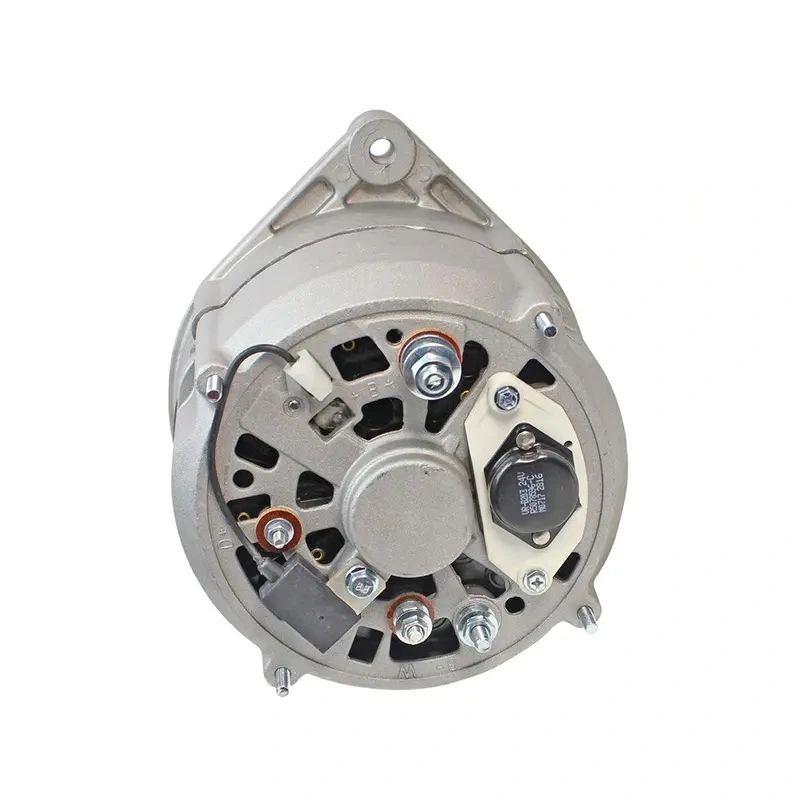
A alternator%20150%20amp&type=products">24v alternator 150 amp is a high-output electrical generator built for heavy-duty vehicles and industrial equipment running on a 24-volt architecture. It converts mechanical energy from the engine into stable 150-ampere DC power, keeping large battery banks charged and onboard systems running without interruption. For fleet operators managing Volvo FM, FMX, B9, or FH16 trucks across long-haul routes, mining sites, or maritime environments, choosing the right high-amp alternator directly affects uptime, battery longevity, and total operating cost.
Understanding the 24V Alternator 150 Amp
How It Converts Mechanical Energy to Electrical Power
The rotor of the alternator spins inside the stator winding because of electromagnetic induction. This creates alternating current. A rectifier bridge changes that AC output into the stable DC power that the engine of your truck needs. At 24 volts and 150 amps, the machine can supply up to 3,600 watts of steady power. This is enough to power the lift gates, telematics, climate control in the cab, and lighting grids all at the same time without any voltage drop.
Key Technical Specifications That Matter
Before placing an order, buyers should make sure of these key points:
24V DC is sent out, 150A is rated for current, 8PK63 pulleys are used, 1,200–1,500 RPM is the cut-in speed, 12000 RPM is the top speed, and 80–100A is sent out when the speed is 600–800 RPM. The 24v alternator 150 amp case is made of an aluminum alloy, and the grade for security means that it is fully sealed and won't let dust or water in.
| Parameter | Specification |
|---|---|
| Voltage Output | 24V DC |
| Current Rating | 150 Amperes |
| Pulley Configuration | 8PK63 |
| Cut-in Speed | 1,200–1,500 RPM |
| Maximum Speed | 12,000 RPM |
| Idle Output | 80–100A at 600–800 RPM |
| Housing Material | Aluminum alloy |
| Protection Rating | Fully sealed, dust & water resistant |
These specs are important because many alternators break down in tough conditions because they don't work well at low RPM. This is when the battery is under the most stress, like in city traffic or when the machine isn't being used.
Why 150 Amps Is the Right Threshold for Heavy Trucks
A new Class 8 truck needs between 120 and 140 amps to run with all of its options turned on. This includes things like lighting, cooling, phone lines, and HVAC. A 150-amp generator handles that load and keeps the battery bank charged. All the time running a lower-rated unit at close to full load speeds up diode bridge failure and winding wear. This is why fleet procurement teams need 150A at the very least for long-haul and off-road use.
Comparing 24V Alternator 150 Amp with Other Models
150A vs. 100A: Where the Performance Gap Shows
When setting up a smaller truck, a 100A unit works fine. But when multiple auxiliary loads rise at the same time, it has trouble. It looks like a voltage drop when tractors and loaders use hydraulic cooling fans and lighting systems at the same time, like in mine or building. That problem is solved by the 150A generator, which gives you a real power backup instead of working at the very edge of what it's supposed to do.
24V vs. 12V: Architecture Differences That Affect Safety
For heavy-duty diesel engines, like the ones in the Volvo FH16 and FMX, to start up reliably when they are cold, they need 24V systems. The wire gages would have to be almost twice as thick in a 12V setup to carry the same amount of load. This would add weight to the system and make resistance heating more likely to start a fire. Longer cable runs, like those found in articulated trucks and big building equipment, have less transmission loss with the 24V design.
150A vs. 200A: When More Is Not Always Better
The engine has to work harder with a 200A alternator, which uses more gas and wears out the belts faster. When it comes to efficiency and output, the 24v alternator 150 amp is better, unless you need to run big extra loads that stay above 160A. Most Volvo truck companies choose 150A when they need to go on long trips.
Maintenance and Common Issues of 24V Alternator 150 Amp
Early Warning Signs You Should Not Ignore
Changes in the voltage shown on the dashboard, headlights that dim when the car is not in use, and a battery that never gets charged are the three most common early warning signs. When it's below -30°C, like when ships are in Russia or northern Canada, the batteries drain faster at nite because they don't have to work as hard. It's better to catch these signs early than to have to fix your car on the side of the road, which costs a lot more than a planned replacement.
Common Failure Points and How to Diagnose Them
An alternator that is used for heavy tasks usually breaks down in three main ways. The rotor's excitement current goes down when the carbon brushes wear out. This causes the output to slowly go down. If the voltage regulator breaks, the batteries either get too charged, which kills them, or they get too charged too little, which leaves loads hungry. The weak circuits are hurt by an AC wave on the DC bus when a diode bridge breaks. This is often because of heat stress from always running at or near full power.
Recommended Maintenance Schedule
Fixed things before they break down is simple, and it saves you money. Check that the belt is tight and that the pulleys are in the right place every 50,000 km. Check the end links for corrosion every 25,000 km, especially in places where salt spray is common. After 150,000 km, if the output starts to go down, you should get new brushes. For large cars, the alternator should last at least 500,000 miles. These breaks make sure that it stays in good shape.
Making the Right Purchase Decision for 24V Alternator 150 Amp
Evaluating Quality, Certification, and OEM Compatibility
For B2B buying teams, IATF 16949 approval is a must. It shows that the manufacturing process meets the quality control standards for the car industry. ISO 9001 covers the whole method for being good. It's also important to check OEM cross-reference coverage. Our 24v alternator 150 amp supplier product works with more than 25 Bosch OEM numbers. It's easier for people from other countries to fill out customs forms and find things because these numbers are in a list: 0124655084, 0124655101, 0120655438, 0124655057, 0124655083, 0124655088, 0124655102, 0124655200, 0124655437, 0124655438, 0124655441, 0124655442, 21304674, 21561402, 21561403, 22591477, 22591478, 23305550, 23642076, 85009932, 85013475, 85020836, 85023732, 7421304674, and 7421561402
Brand Landscape: Where XITU Stands
In the market for replacement generators, brands like Bosch, Denso, Leece Neville, and Delco Remy are well known. Each OEM Bosch unit for Volvo platforms costs around $400 to $800. The lower structure-based cost of XITU's factory-direct price doesn't change the technical performance checks that procurement engineers make on samples.
| Brand | Price Range (USD) | Certifications | OEM Coverage |
|---|---|---|---|
| Bosch (OEM) | $400–$800 | ISO, IATF 16949 | Direct OEM |
| XITU | $120–$300 | ISO 9001, IATF 16949 | 25+ Bosch numbers |
| Generic Aftermarket | $60–$120 | Varies | Limited |
Wholesale vs. Local Supplier: A Practical Trade-off
Local distributors have short lead times, but they charge more. If you buy between 5,000 and 20,000 units a year, that extra cost adds up quickly. It is better for procurement managers to buy straight from a qualified maker like XITU, which can make more than 500,000 units per year. This way, they can get better deals and avoid running out of goods. Because the lead time is usually between 30 and 60 days and there are partnerships with major international logistics carriers, the delivery time is easy to plan for and handle.
Best Practices When Using 24V Alternator 150 Amp
Correct Installation and Wiring Essentials
There is a gage on the wiring harness that should always match the alternator's rated output. For a 150A output, the main B+ wire run needs to have a cable cross-section of at least 35 mm². This is to prevent heat buildup and resistance loss. The 8PK63 pulley design on this unit is very unique. Before you put it on, make sure the belt will fit. If it doesn't, it could wear out too fast or slip under load.
Performance in Extreme Environments
There are several stages in the XITU unit's voltage control that can adjust for temperature. In other words, the charge voltage is changed automatically when the temperature changes in the environment. This keeps the batteries from being too charged, which in hot places like the Middle East shortens their life, or too low charged, which in cold places like Russia drains them. If you use good NMB or SKF bearings, they can handle the high stress and vibration loads that are common in building and mines.
Future-Oriented Considerations for Fleet Buyers
There will be a greater need for power in trucks as they carry more telematics, advanced driver help systems, and electric auxiliary units. Instead of switching from a lower-rated alternator later, buy a 150A alternator now. This will save you money on fixing costs and make sure that your fleet's power infrastructure keeps up with changes in equipment standards.
Conclusion
It's not easy to pick the right high-amp alternator because it affects how long the vehicle works, how often the battery needs to be replaced, and how reliable it is in the field. Volvo FM, FMX, B9, and FH16 models need a 24v alternator 150 amp that can keep putting out power even when the engine is not running, handle high heat and vibrations, and meet OEM standards. XITU's product meets those needs because it goes through strict quality checks, is approved by IATF 16949, and can handle large orders without changing the quality of each batch.
FAQ
1. Can I replace a 100A alternator with a 150A unit on my Volvo truck?
Yes, provided the mounting bracket dimensions and pulley configuration are compatible. The 8PK63 pulley on this unit is a direct fit for Volvo FM/FMX/FH16 platforms. Verify your existing wiring harness gauge can handle the increased capacity before installation.
2. What idle output should I expect from a quality 150A alternator?
A properly engineered unit should deliver 80–100A at engine idle speeds of 600–800 RPM. This matters in city driving and machine idle scenarios where the alternator must sustain auxiliary loads without draining the battery bank.
3. How often should I service the alternator under heavy industrial conditions?
Inspect belt tension and terminals every 25,000–50,000 km. Plan brush replacement at approximately 150,000 km. In high-dust or salt-spray environments, increase terminal inspection frequency to every 15,000 km.
4. Does XITU support OEM/ODM orders for branded alternators?
XITU offers flexible ODM and OEM solutions, including custom labeling and packaging, to meet the requirements of regional distributors, maritime equipment brands, and fleet operators with private-label programs.
5. Is this alternator suitable for marine applications?
The sealed housing with dust and water resistance makes it suitable for protected marine engine compartments. For open-deck marine installations, confirm that additional spark-protection measures align with ISO 8846 requirements for your specific vessel classification.
Partner with XITU for Your Next Heavy-Duty Alternator Order
Directly from the manufacturer, XITU produces the 24v alternator 150 amp. It is certified by IATF 16949 and can make between 100 and over 20,000 units a year. XITU is the kind of supplier you can work with for a long time. They have been making things for 28 years, have a 20,000 m² facility, and have verified OEM cross-reference coverage across 25+ Bosch numbers. You can email us at arisa@xitu-auto.com or visit xitu-auto.com to get a detailed document, an OEM cross-reference table, or a sample order.
References
1. Society of Automotive Engineers. SAE J56: Electrical Generating System (Alternator) Performance Testing. SAE International, 2018.
2. International Organization for Standardization. ISO 8846: Small Craft — Electrical Devices — Protection Against Ignition of Surrounding Flammable Gases. ISO, 2019.
3. International Automotive Task Force. IATF 16949:2016 — Quality Management System Requirements for Automotive Production and Relevant Service Parts Organizations. IATF, 2016.
4. Bosch Automotive Handbook. Electrical Systems in Commercial Vehicles, 9th Edition. Robert Bosch GmbH, 2014.
5. Volvo Trucks. FH Series Workshop Manual — Electrical System and Charging Circuit. Volvo Group, 2020.
6. Fleet Owner Magazine. Heavy-Duty Electrical Load Management in Modern Class 8 Trucks. Endeavor Business Media, 2022.