




12V Alternator Output: A Complete Buyer’s Guide
Understanding alternator/12v-alternator-output">12v alternator output is crucial when sourcing reliable charging solutions for automotive and industrial applications. The output determines how effectively an alternator charges your battery system while simultaneously powering vehicle electronics. A properly specified alternator maintains voltage stability between 13.8V and 14.4V, delivering sufficient amperage across varying RPM ranges to prevent electrical system failures, equipment downtime, and costly vehicle battery replacements that plague fleets worldwide.
Understanding 12V Alternator Output – Key Fundamentals
How Alternators Generate Voltage and Current
Through electromagnetic induction, the charging mechanism in a 12v alternator output takes mechanical energy from the engine crankshaft and turns it into electrical energy. There is alternating current that flows through a rectifier bridge when the rotor spins inside the stator windings. This changes AC current into direct current that can be used to charge batteries and power electrical systems in cars. The voltage regulator checks the system voltage and changes the rotor field current to keep the output fixed, even if the engine speed or electricity load changes.
For the best heat dissipation, modern 12v alternator outputs usually have copper windings inside aluminum cases. Hair-pin winding technology makes the copper fill denser, which lowers the internal resistance and raises the efficiency. These improvements in design make the performance constant even in tough situations. This makes them good for cars, trucks, buses, and work vehicles that need reliable electrical systems.
Standard Output Ranges and Performance Metrics
Depending on the need, a typical 12v alternator output can handle anywhere from 60A to over 200A. The output graph shows how much amperage changes with alternator RPM. The cut-in speed is usually between 1,200 and 1,500 alternator RPM, the rated output is recorded at 6,000 RPM, and the idle output is around 2,000 alternator RPM. When controlling voltage, accuracy is very important in places where electronics are sensitive and changes in voltage can harm computers, monitors, and communication gear.
Temperature has a big effect on how well charging works. As a 12v alternator output works, its resistance goes up as its internal parts heat up. When hot, a standard 12v alternator output may lose 10 to 20 percent of its rated capacity. High-quality units have temperature adjustment built in, which lowers the power as the battery warms up. This stops the battery from outgassing and makes it last longer.
Consequences of Inadequate Alternator Output
Electrical systems have problems all over when charge capability isn't high enough. Batteries don't keep their charge levels right, which makes them hard to start and shortens their life. Drops in voltage during times of high load can mess up electrical control units, leading to wrong diagnostic codes and strange behavior from the car. When it comes to commercial fleet operations, these failures directly lead to unplanned maintenance costs and downtime that costs money and hurts profits.
High AC ripple voltage, which is often caused by diodes that have failed in the rectifier bridge, makes electrical noise that radio frequency equipment and telematics systems can't work properly. This is especially annoying for emergency vehicles that need to be able to communicate clearly during important tasks.
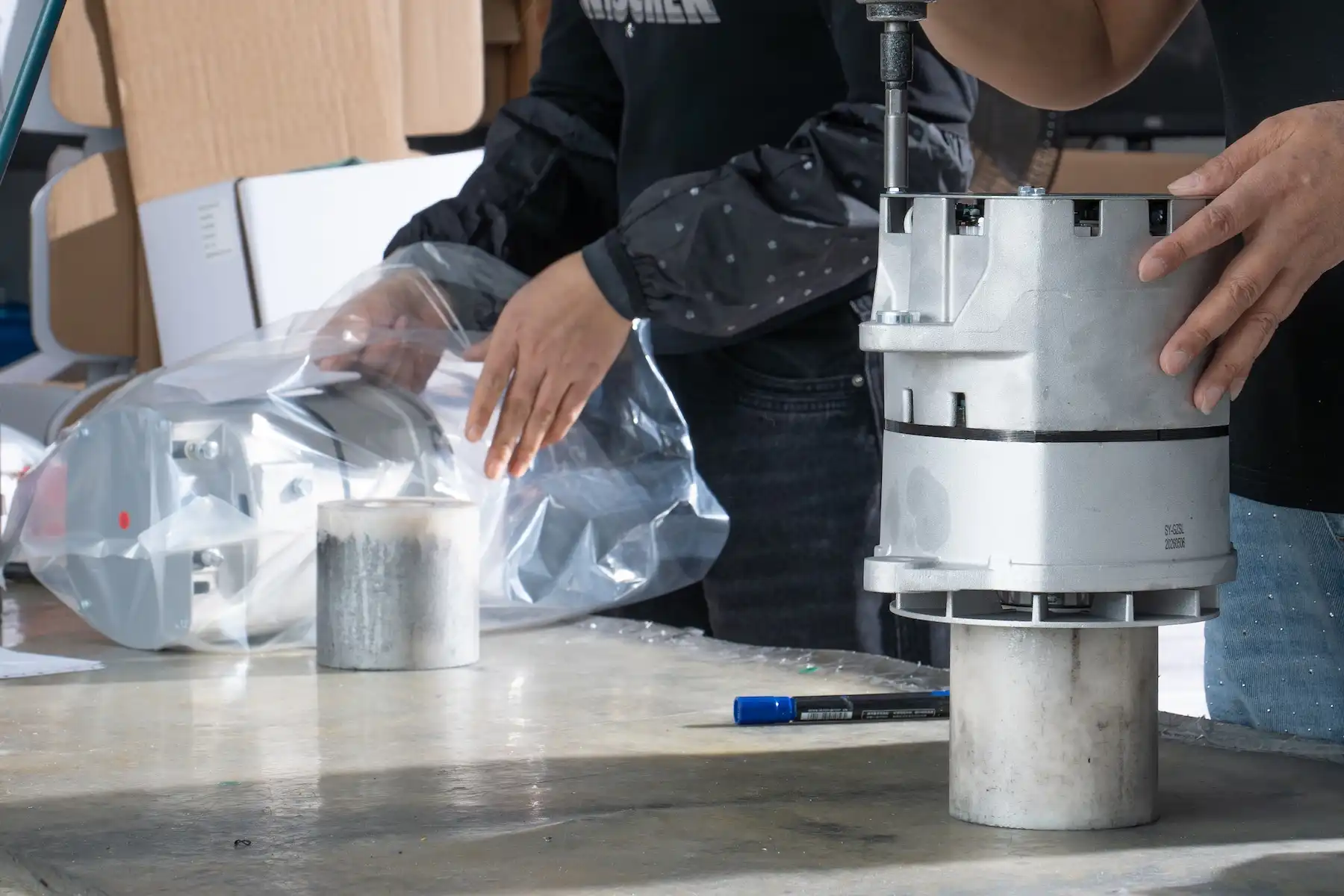
Comparing 12V Alternator Outputs for Different Vehicle Types and Needs
High Output vs Standard Alternator Specifications
Standard 12v alternator outputs, which usually range from 60A to 90A, provide enough power for cars with basic electricity needs. With ratings from 120A to 250A, high-output units are used in places where a lot of electricity is needed, like in refrigeration systems, power liftgates, extra lights, and communication arrays. The difference in current lets more than one accessory work at the same time without draining the battery or affecting the voltage stability.
Quality of voltage control is what sets professional-grade units apart from cheaper ones. Higher-quality 12v alternator outputs keep voltage tolerances tighter across the entire RPM range. This keeps sensitive electronics safe from damaging voltage spikes that happen when the load changes quickly. Specialized units with two rectifiers can handle heavy loads like medical equipment and emergency lights, even when the temperature is high and the 12v alternator outputs are not being used for a long time.
Application-Specific Selection Criteria
Because vehicles spend a lot of time idling or in stop-and-go traffic, commercial fleet operators look for 12v alternator outputs that can charge at low voltages. For marine uses, housings must be resistant to ignition and rust and be able to handle salt mist while filling deep-cycle house banks. Units for construction tools need to be able to handle constant vibration and dust exposure without losing function.
These ideas are shown by the XITU 12v alternator output, which is designed to work with the Kia Sportage I 2.0 TD K00 (1996–2002), the Retona 2.0 TD (from June 1999), and the Sportage 2.2 4WD (Aug 1994–Apr 1999). It works with many OEM numbers, such as WAI 23236R, BOSCH F032CA1795, DELCO REMY DRA4198, Hyundai 373002W000/373002W001, Kia 0K05418300 series, PMX 9212933, and POONG SUNG 0212180XX series, so you can choose how to buy it and be sure it will fit correctly. The 1/2PK belt configuration provides stable charging, and its strong design withstands heat, vibration, and wear that are common in harsh working conditions.
Manufacturer Reliability and Warranty Considerations
Buying decisions include more than just the initial specs; they also include long-term dependability and support after the sale. Manufacturers who have been certified by IATF16949 can show that they can control the production process so that the standard of each batch of products is the same. ISO 9000 approval makes sure that quality management standards are being followed. This lowers the chance of getting units that aren't up to par and break down early.
Warranty coverage shows that the company that made the product is sure that it will last. A full six-month warranty protects buyers from problems with the products and the work, and it offers replacement or fix services for problems that were not caused by people. This way of lowering the risk is especially helpful when buying for foreign markets, where returning items can be expensive and take a long time.
Procuring 12V Alternators with Optimal Output – What to Look For
Critical Specifications for Procurement Teams
When looking at 12v alternator output providers, make sure you ask for specific performance data, such as full output charts that show how much amperage is delivered across the RPM range, from low speed to high speed. Specifications for voltage control should spell out the tolerance band when the load and temperature change. Ratings of efficiency show how much mechanical energy is turned into electrical output and how much is lost as heat, which can change how much fuel is used in mobile applications.
The physical details are just as important. Installation flexibility is based on the mounting design, which can be horizontal or vertical with standard brackets. Protection grades make sure that the level of dust and water protection is right for the working area. Specifications for the materials prove that the metal housings and copper windings allow for good heat transfer and electrical conductivity.
OEM vs Aftermarket Quality Assessment
OEM 12v alternator outputs made to the exact specs of the original equipment ensure performance and dependability that are the same as factory parts and work with any car. But approved aftermarket providers that offer quality on par with OEM standards can save you money without lowering standards. The difference is not in the design specs but in how the production process is controlled.
XITU is a good example of this method because they strictly follow the original equipment specifications and use their 28 years of manufacturing knowledge and in-house R&D. Instead of remanufactured cores, all 12v alternator outputs have 100% brand-new, high-quality parts. This gets rid of the risks that come with not knowing the parts' service history. ISO9000 approval and full testing of every unit before it is shipped make sure that the quality is always the same and meets or beats OEM standards.
Evaluating Supplier Capabilities and Terms
Check the supplier's skills that affect the total cost of ownership in addition to the product specifications. A company's production ability shows whether it can grow to meet rising demand without affecting supply times. Stable wait times of 30 to 60 days make it possible to plan accurately for supplies and avoid running out of stock, which can slow down operations.
Specifications can be changed to fit specific needs or regional tastes thanks to customization options. When making private-label goods or changing designs for certain market groups, ODM/OEM flexibility is very helpful. Suppliers who have successfully supplied OEMs in other countries show that they have the quality control and thorough paperwork needed to pass customer checks.
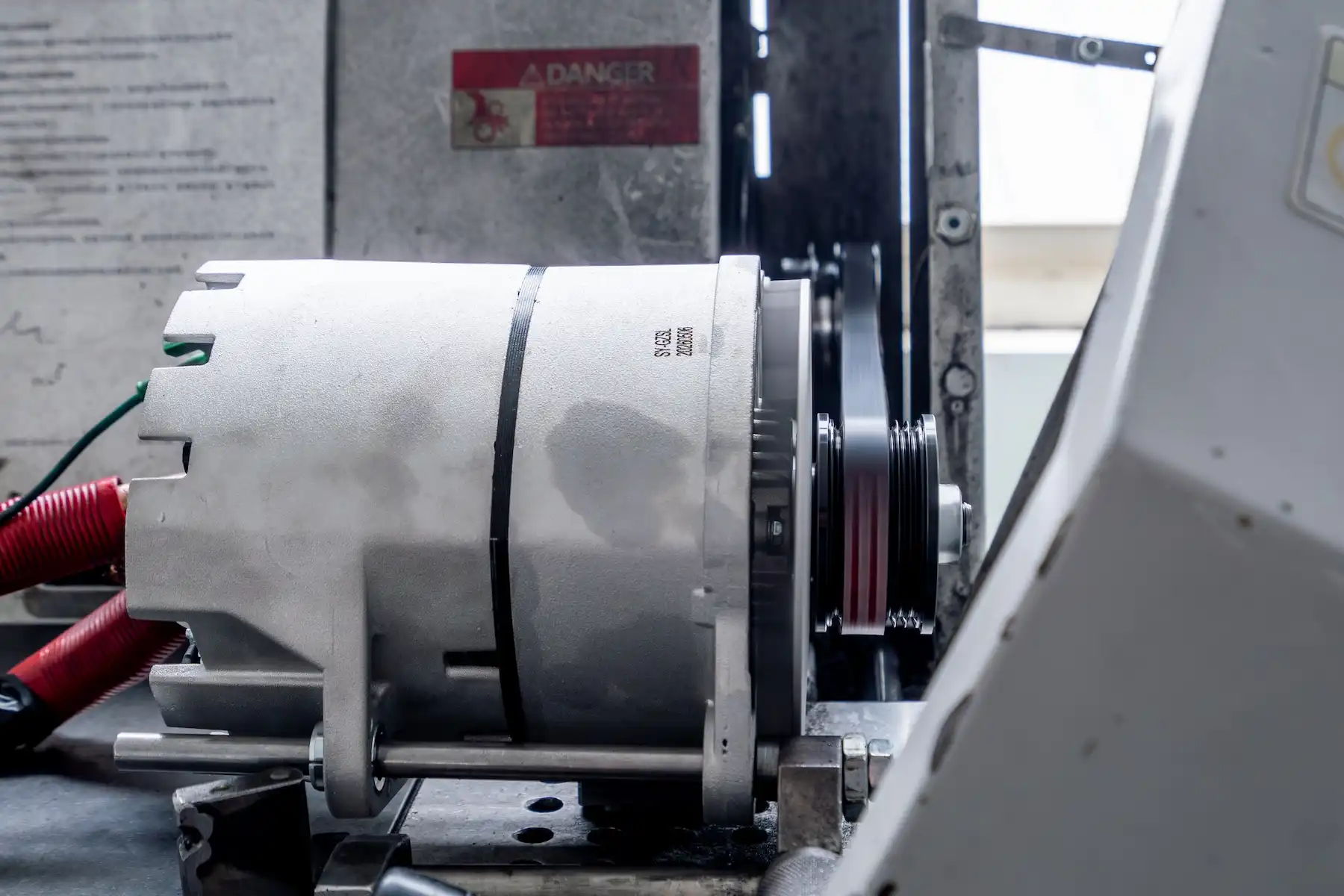
Technical Guide to Testing and Maintaining 12V Alternator Output
Step-by-Step Output Testing Procedure
To test a 12v alternator output correctly, you need a digital voltmeter and to follow safety rules. Check the battery voltage while the car is off. When fully charged, it should show about 12.6V. Start the engine and raise the RPM to about 2,000. The voltage should rise to 13.8V to 14.4V, which means the voltage regulator is working correctly. During load testing, electrical features like lighting, HVAC, and radio systems are turned on while the voltage is watched. It should stay within the acceptable range even when demand rises.
By showing AC noise in the DC output, oscilloscope analysis gives you more troubleshooting power. If the ripple level is too high, usually more than 10% of the total power, it means that the rectifier diode is failing, which leads to electrical interference and batteries dying too soon. This special testing finds problems before the 12v alternator output completely fails, so you don't have to deal with crashes on the side of the road.
Common Causes of Output Problems
Low or changing output is often caused by worn brushes that can't keep electrical contact with slip rings. When the belt slips, the spinning speed drops below the cut-in level, which stops it from charging properly when it's not in use. Voltage drops happen when electrical connections are corroded or loose, denying the system the power it needs. When voltage regulators fail, they either overcharge, which hurts electronics and batteries, or they undercharge, which drains batteries over time.
Environmental factors speed up the breakdown of parts. Extreme temperatures put a lot of stress on electronic parts and insulation materials. When moisture gets inside, it causes internal rust that makes the resistance higher. It is possible for vibration to break solder joints on circuit boards and open mechanical links. These dangers are kept out by fully sealed, dust and water-resistant housings, which also make the service life longer in difficult circumstances.
Maintenance Best Practices and Upgrade Options
Regular inspections keep things from breaking down too soon. Every month, check the tightness of the belt because the wrong tension can damage the bearings and make charging uneven. To make sure connections have low resistance, clean the terminals once a year. Listen for bearing noise that means the failure is about to happen. During regular repair times, check the charging voltage to find problems with regulation early.
By upgrading to 12v alternator outputs with higher power, you can add more electrical devices without putting too much stress on the charging system. Figure out the total electrical load that includes all of your accessories, and then choose a 12v alternator output that is rated at least 25% higher than this number. This will keep it from running at full output all the time, which speeds up wear. Smaller pulleys raise the alternator-to-crankshaft ratio, which boosts idle power. However, the engine's highest RPM must not be pushed past its limits to protect the bearings.
Conclusion
To choose the right 12v alternator output, you need to weigh the technical specs against the supplier's skills and their ability to provide long-term support. Procurement pros can find units that work reliably in real-world situations by understanding output curves, voltage control, and application-specific needs. Process certifications, thorough testing, and guarantee programs that protect buyers from unexpected failures are some of the ways that good makers stand out. You can find charging solutions that improve system reliability and lower the total cost of ownership across your fleet or product line by looking at both product specs and supplier credentials.
FAQ
Why does the alternator produce more than 12 volts?
To charge a 12v battery, you need a higher voltage, commonly between 13.8V and 14.4V, to get around the battery's internal resistance and let the current run. This difference in voltage makes sure that the battery charges properly no matter how charged it is.
Can I upgrade my alternator to higher output?
Yes, upgrading to a higher amperage output makes room for more electrical accessories. Make sure that the fitting options and belt types are right for the job, and make sure that the vehicle's wiring can handle more power without getting too hot.
What causes alternator output to fluctuate?
Common reasons are old brushes, voltage regulators that don't work right, belt tension that is too low, links that are rusted, and rectifier diodes that don't work right. Each one makes an electrical connection or control that isn't stable, which shows up as voltage instability.
How does temperature affect charging performance?
When parts get hot, internal resistance goes up, which lowers the power capacity of normal 12v alternator outputs by 10 to 20 percent. When the working temperature goes up, good units have temperature adjustment that changes the voltage to keep the battery from overcharging.
Partner with XITU for Reliable 12V Alternator Solutions
If you choose the right 12v alternator output supplier, your operations will be able to keep using their electrical systems without any problems. With IATF16949 and ISO9000 certifications and 28 years of experience making things, XITU makes OEM-grade 12v alternator outputs that carmakers around the world trust. Our in-house research and development team is always improving designs to make them more stable and long-lasting. We also offer open ODM and OEM options to meet the needs of your unique market. We take away the stress of working with unreliable suppliers by offering stable lead times of 30 to 60 days, full warranties for six months, and dedicated technical support. Email our team at arisa@xitu-auto.com to talk about your buying needs and find out why top automotive professionals choose XITU as their top 12v alternator output manufacturer.
References
1. Society of Automotive Engineers (2019). "SAE J56: Alternator Performance Standards and Testing Protocols," SAE International Technical Paper Series.
2. International Organization for Standardization (2016). "ISO 8854: Road Vehicles – Alternators with Regulators – Test Methods and General Requirements," ISO Standards Catalogue.
3. Anderson, M. & Thompson, R. (2020). "Automotive Electrical Systems: Design, Testing and Reliability Analysis," Automotive Engineering Publication.
4. National Institute for Automotive Service Excellence (2021). "Charging System Diagnosis and Repair: Professional Technician Guidelines," ASE Certification Study Materials.
5. Chen, L. & Wagner, P. (2018). "Advanced Alternator Technologies: Efficiency Improvements in Modern Vehicle Charging Systems," International Journal of Automotive Technology, Vol. 19, No. 4, pp. 687-695.
6. European Automotive Manufacturers Association (2022). "Quality Standards in Automotive Component Procurement: Best Practices for OEM and Aftermarket Sourcing," ACEA Technical Guidelines.