




What Is a 12 Volt Car Alternator? A Complete Guide
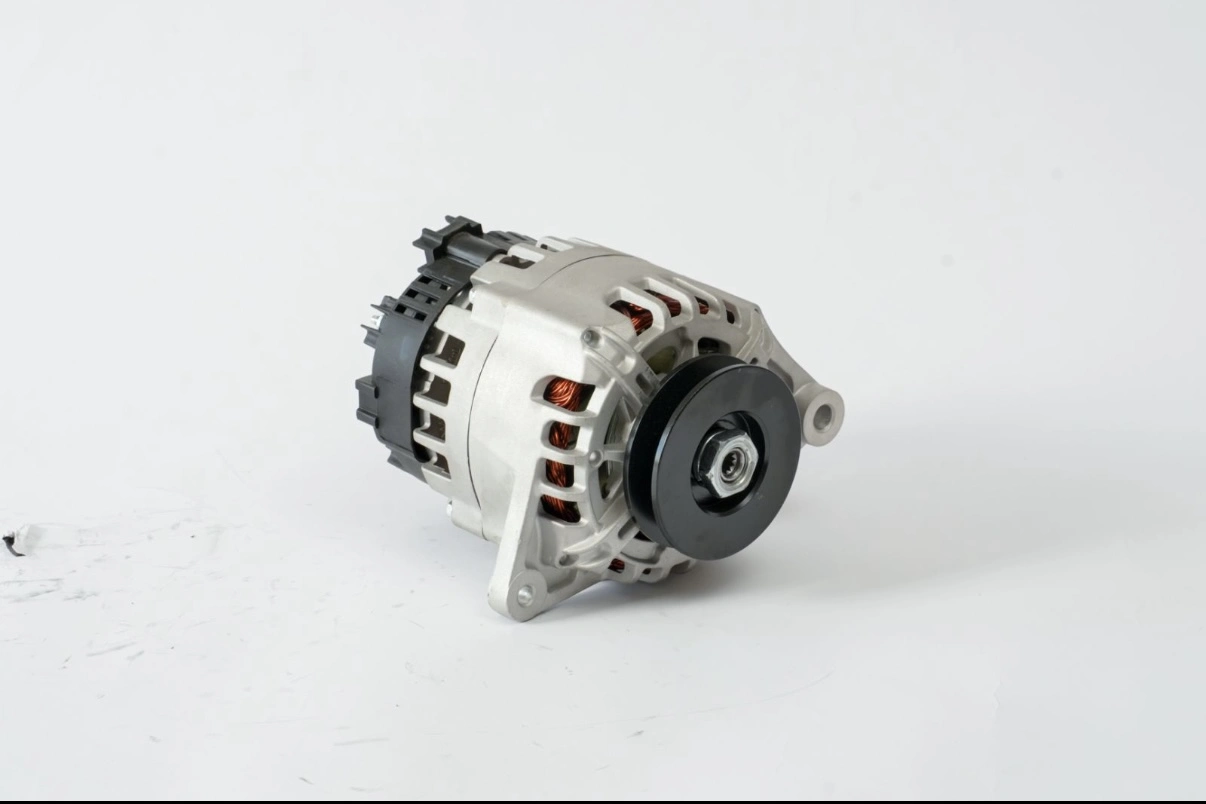
A alternator&type=products">12 volt car alternator is an electromechanical device that converts mechanical energy from a running engine into electrical energy, maintaining a regulated DC output between 13.8V and 14.4V to charge the battery and power onboard systems. Without a properly functioning automotive charging system, even a fully charged battery will drain within minutes. For purchasing managers, distributors, and OEM clients sourcing auto electrical components at scale, understanding how this device works — and what separates a reliable unit from a substandard one — is the foundation of smart procurement.
Understanding the Basics of a 12 Volt Car Alternator
How It Generates Power
The 12 volt car alternator works because electricity moves through it. Rotors that are driven by belts spin inside stators that are wound. This makes an AC current. An AC power source changes that power into DC power that can be used. The built-in voltage regulator always keeps the output steady, between 13.8V and 14.4V, no matter what the engine RPM or load is. Voltage spikes can hurt ECUs, sensors, and control modules that are sensitive, but this output keeps them safe.
Key Internal Components
| Component | Function |
|---|---|
| Rotor | Spinning magnetic field source |
| Stator | Fixed windings that produce AC current |
| Rectifier | Converts AC to DC using diode bridges |
| Voltage Regulator | Maintains stable output voltage |
| Bearings | Support rotor shaft, reduce friction and noise |
Standard Output Parameters
Most units for passenger cars put out 60A to 120A at 12V. Builders' trucks and heavy tools often need alternators that can keep putting out 65A so that they can power the lights, hydraulics, and engine control systems all at the same time. XITU's 12V 65A type can meet these needs. It works with the CASE 1155 E, 1845 C, 760, 560, and CATERPILLAR T50E 426B 428.
Common Problems and Maintenance of 12 Volt Car Alternators
Recognizing Failure Symptoms Early
There are several things that could be wrong with a car: headlights that are dim or flickering, electrical parts that are not working right, and a burning smell coming from the engine bay. If the voltage drops below 13V when the engine is not going, that's a good sign that something is wrong. You can tell if the charging system is working right by using a good multimeter to check the battery terminals while the car is going.
Typical Fault Categories
This is because of three main types of failure. When something is pushed on a bearing, it whines or grinds. AC noise gets into the DC circuit when a diode fails in the rectifier bridge. This is bad for electronics that are sensitive to it. Overcharging (output over 14.8V) happens when the voltage regulator gets worn out. This makes the battery die faster and raises the risk of ECU damage.
Lifespan and Replacement Strategy
The Automotive Parts Remanufacturers Association (APRA) says that when used regularly, most 12 volt car alternator last between 80,000 and 150,000 miles. Fleet owners who have a lot of empty hours should replace parts before they break at 70% of their expected service life. This will cut down on unplanned downtime. It is always better to use units with pure copper windings and Class H insulation (rated to 180°C) than ones with aluminum windings.
Comparing 12 Volt Car Alternators — Making Informed Procurement Decisions
12V vs. 24V: Choosing the Right System
The type of car and the amount of power being used will determine whether to use 12V or 24V. Most light trucks, farm equipment, and building equipment in the CASE and CATERPILLAR compact lines use 12V systems. Most heavy-duty long-haul trucks and large mining equipment use 24V systems because they can handle more load over longer wire runs with less voltage drop.
Key Procurement Criteria at a Glance
| Specification | Value (XITU 12V Unit) |
|---|---|
| Voltage | 12V |
| Amperage | 65A |
| Housing Material | Aluminum alloy |
| Winding Material | Pure copper |
| Protection Level | Fully sealed, dust & water resistant |
| Certification | IATF 16949, ISO 9001 |
| Compatible OEM Numbers | 0120188290, 0120488205, CA1197IR, 12161N, A186125 |
Brand Landscape for B2B Buyers
Most of the OEM supply lines for cars and light trucks are run by Bosch, Denso, and Valeo. You can get parts for the aftermarket in North America from both AC Delco and Remy. In Europe, Hitachi and Magneti Marelli are two of the most well-known OEM companies. If you want OEM-equivalent performance with flexible MOQs, certified Chinese manufacturers like XITU are a good choice. Their 20,000 m² plant can make more than 500,000 units a year and is IATF 16949 certified. They also keep full records for workplace audits.
Procurement Guide: Where and How to Buy 12 Volt Car Alternators
OEM vs. Aftermarket: What Matters for Your Business
You can be sure that OEM alternators will fit and work, but they are very expensive and often take a long time to get through authorized dealer channels. There is a wide range in the quality of aftermarket units. A provider is different if they have a quality control system that has been approved. IATF 16949 certification, which is the process standard for the car industry, shows that a provider has written down steps for controlling the process, keeping track of it, and taking corrective action.
Evaluating Supplier Reliability
You should ask a 12 volt car alternator provider for sample test data, third-party audit records, and proof that they can make what you need. Not being able to show IATF 16949 certificates, not having any testing tools on-site, and making false claims about wait times are all big red flags. The usual wait time at XITU is 30 to 60 days. They work with transportation partners that are known all over the world, and each batch gets a test report before it ships.
Managing Bulk Orders and Minimizing Risk
Here are the most important things you should check before you place a big order:
- MOQ flexibility: Confirm whether the supplier accommodates trial orders for market testing before committing to full volume.
- Documentation readiness: Ensure the supplier can produce CE, RoHS, or IATF certificates for customs and compliance purposes.
- After-sales coverage: A minimum six-month warranty on non-human defects is standard for reputable manufacturers.
- Cross-platform sourcing: Sourcing both starters and alternators from a single supplier reduces audit burden and ensures matched quality levels.
It's safer to buy things from these small shops because they lower the risk of problems and protect your supply line from those problems. When buyers do all of their shopping from one certified maker, inspections usually go more smoothly and disagreements are settled faster.
Benefits and Future Trends of 12 Volt Car Alternators
Performance Advantages of Modern Units
Alternators made ten years ago are not nearly as good as the ones used in cars today. A lot of European platforms now come with smart alternators as standard. They tell the ECU that the battery should only be charged when the car slows down. SAE International research shows that this can cut fuel use by up to 3% in city driving. When bearings are made of better materials and better thermal control, they last longer between services and cost less to own for fleet managers.
Market Direction and Procurement Implications
Grand View Research (2023) says that the global market for car alternators was worth USD 5.6 billion in 2022 and will continue to grow until 2030. It's because more business cars are being made and people want to get rid of their old ones. There are fewer passenger cars after the switch to electricity, but heavy machinery, farm equipment, and off-road vehicles don't change much right away. These are the kinds of vehicles that need 12V alternators.
Conclusion
A good 12 volt car alternator is the most important part of any car's power system. When buying teams and wholesalers make their choice, they look at three things: quality standards that have been checked, how reliable the production is, and how open the supplier is.
FAQ
1. What voltage should a healthy alternator output at idle?
A properly functioning unit should read between 13.8V and 14.4V at the battery terminals with the engine idling. Readings below 13V indicate an undercharging condition; readings above 14.8V suggest a faulty voltage regulator that may damage the battery over time.
2. What does IATF 16949 certification mean for buyers?
It confirms the manufacturer follows a documented quality management system specifically designed for automotive parts production. This includes process controls, traceability, and corrective action procedures — making the supplier audit-ready and reducing incoming quality risk.
3. Can a higher-amperage alternator replace my existing unit?
Yes, provided the mounting brackets and wiring gauge are compatible. A 65A unit replacing a 55A unit will operate with more output headroom, running cooler under equivalent loads and extending service life.
4. How do I confirm cross-compatibility before ordering?
Match the OEM reference number on your existing unit against the supplier's compatibility list. XITU's 12V 65A unit covers Bosch OEM numbers 0120188290, 0120488205, CA1197IR, 12161N, and A186125 — confirmed fits for CASE 1155 E, 1845 C, 760, 560 and CATERPILLAR T50E 426B 428.
5. What is the standard warranty for aftermarket alternators?
Industry standard is six months on non-human-caused defects. XITU provides this coverage along with technical support and, where required, on-site installation assistance.
Source Your Next 12 Volt Car Alternator Through XITU
For 28 years, XITU has been making charging systems for cars that are good enough for OEMs. These systems have been checked out by real factories and work well in the real world. Our 12 volt car alternators can be changed in a number of ways to fit your needs. We earn the IATF 16949 mark and make more than 500,000 items every year. Lead times are 30 to 60 days, and we guaranty your satisfaction for six months. Email our team at arisa@xitu-auto.com or go to xitu-auto.com right now to get details, prices, or a sample order.
References
1. Automotive Parts Remanufacturers Association (APRA). Alternator and Starter Remanufacturing Industry Report. 2022.
2. Grand View Research. automotive alternator Market Size, Share & Trends Analysis Report. 2023.
3. SAE International. SAE J56: Alternators and Regulators — Test Procedures and Performance Requirements. 2019.
4. International Automotive Task Force (IATF). IATF 16949:2016 — Quality Management System Requirements for Automotive Production. 2016.
5. Bosch Automotive Handbook, 10th Edition. Robert Bosch GmbH. 2022.
6. ISO. ISO 8854: Road Vehicles — Alternators with Regulators — Test Methods and General Requirements. 2012.