




What are the benefits of running a 24v alternator?
Running a alternators/24-volt-alternator-80-amp">24 volt alternator 80 amp system delivers tangible operational advantages for heavy-duty equipment operators and fleet managers. Higher voltage architecture reduces electrical losses across cable runs, directly lowering fuel consumption and engine parasitic drag. The enhanced current capacity ensures consistent power delivery to onboard electronics, hydraulic systems, and auxiliary equipment—even during extended idle periods. Improved thermal management extends component lifespan, reducing unplanned maintenance events and maximizing uptime in demanding industrial environments where reliability determines profitability.
Introduction
Heavy-duty machinery workers have to deal with electrical problems all the time, like voltage drops during high loads, batteries that die too soon, and unstable systems that make work less efficient. It has become clear that the 24 volt alternator 80 amp configuration works well for business trucking companies, excavator users, and companies that make generator sets. In the aftermarket distribution sector, procurement teams are asking for 24V systems more and more to meet the electrical needs of modern telematics, hydraulic controls, and extra lighting without affecting engine performance.
This article talks about the technical basics, practical advantages, and important things to think about when buying 24 volt alternator 80 amp units made for 24V systems. Fleet managers and OEM engineers will learn how voltage stability, heat resistance, and compatibility with heavy-duty uses can save them money and make their assets more reliable.
Understanding the 24V Alternator 80 Amp System
Core Operating Principles
Thru electromagnetic induction, industrial alternators change the rotating energy from engine crankshafts into a steady direct current. Under normal charging conditions, a 24V unit keeps the voltage output between 27.8V and 28.6V. This is to account for the internal resistance of the battery and voltage drops in the wire. The 80-ampere rating means that the generator can keep putting out electricity at its rated speed, which is usually 6,000 rotor revolutions per minute. This is enough to power multiple electrical loads at the same time.
The built-in voltage regulator checks the health of the battery and changes the field current to keep the output stable even if the engine speed changes. Modern units have temperature compensation, which changes the charge voltage based on the temperature of the environment. This keeps the battery from overcharging in hot places and undercharging when it starts cold.
System Architecture and Integration
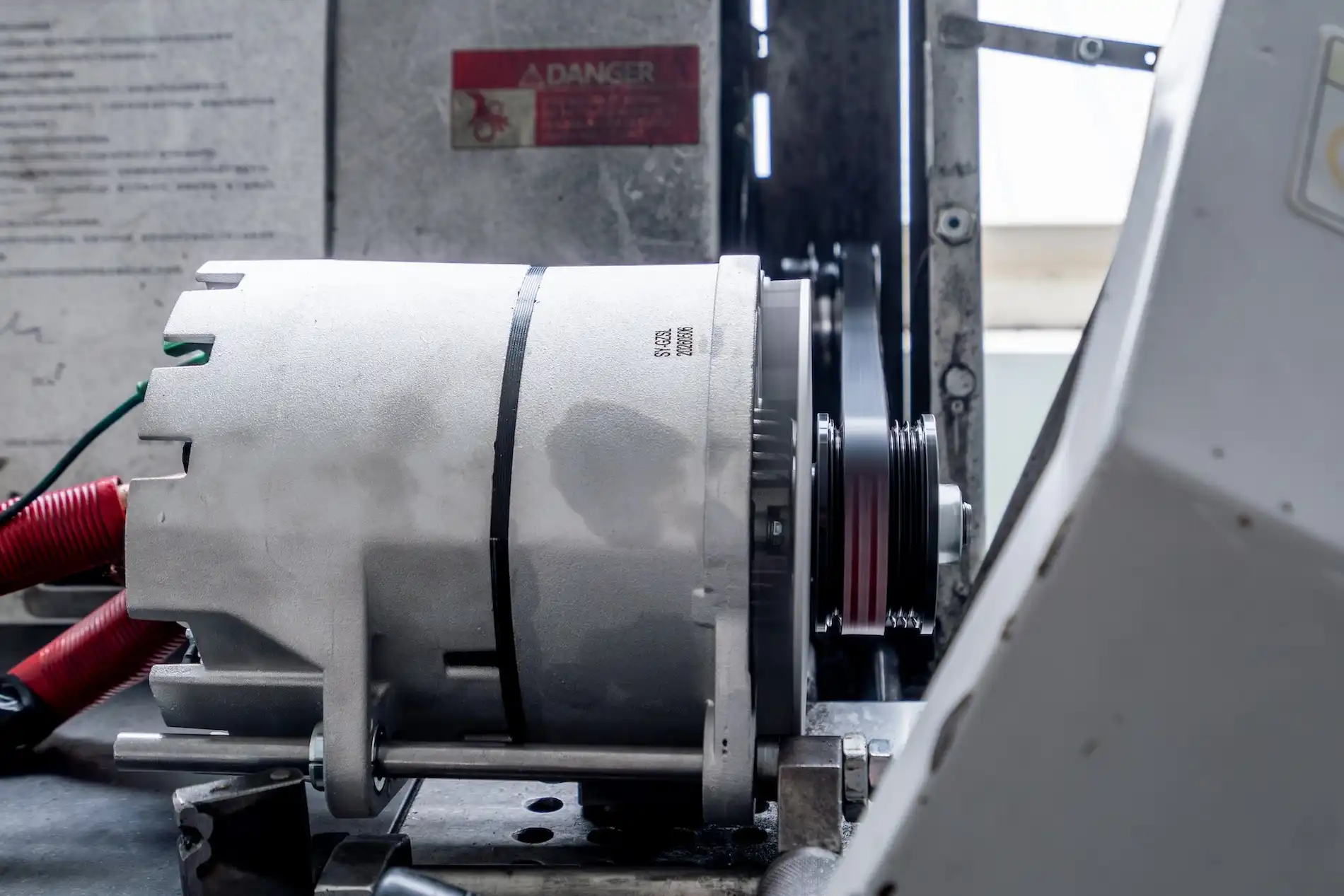
Following SAE J180 standards for mounting setups, the 24 volt alternator 80 amp makes sure that it works with Doosan tractors, Daewoo industrial equipment, and other heavy machinery of the same type. The 8PK serpentine pulley design works with multi-accessory drive systems that are common in commercial vehicles. For example, air compressors, hydraulic pumps, and the 24 volt alternator 80 amp all share belt power. Die-cast metal housings keep things stable even when the temperature outside of the unit is above 90°C because they are structurally strong and have cooling fins built right in.
The right wire size is needed for electrical integration. For example, 24V systems can handle longer runs with a thinner core gage than 12V systems. Installers need to check the integrity of the ground path and the specifications for terminal torque to avoid resistive losses that lower charging efficiency.
Key Benefits of Running a 24V Alternator 80 Amp
Reduced Electrical Losses and Improved Efficiency
A higher working voltage changes the way current flows in a basic way. A 24V system needs half as much current as a 12V system to give the same amount of power. This cuts down on resistive losses in wires, connectors, and switches. This increase in efficiency directly leads to less load on the engine, since the drive belt of the generator has to work harder to get mechanical power. In normal industrial duty cycles, this saves 3–5% on fuel.
It's now possible to use lighter gage wiring without losing voltage, which lowers the weight and cost of installation for OEM production or upgrades made after the fact. When cables are longer than 20 meters, they keep the voltage at a good level. This is especially important for mobile cranes and big excavators where the batteries are mounted far away from the engines.
Enhanced Reliability and Thermal Performance
The 80-ampere output capacity of the 24 volt alternator 80 amp is a big increase over most 55-60A base loads. This keeps the circuit from being overloaded all the time, which speeds up component wear. When you run your machine below its highest rated capacity, it makes less internal heat, which makes the diode bridge and rotor winding last longer. Class H copper windings can work continuously at 180°C and keep their insulation intact in situations with high output for a long time.
In dusty quarries and humid marine environments, sealed bearing assemblies don't get dirty. IP54 ingress protection keeps water spray and particles from getting into internal parts, which can damage alternators that aren't protected. Managers of equipment say that repair times are 30–40% longer than for standard-duty units that are working at full capacity.
Consistent Low-Speed Charging
When cut-in speeds are below 1,200 rotor RPM, the "charging deficit" that happens during long periods of rest is fixed. During precise work, construction equipment often runs at low engine speeds, where standard alternators can't keep the batteries charged. The 80-amp unit keeps up a good power even when it's not working, so GPS systems, hydraulic valves, and operator air control can keep running without the batteries running out.
This feature gets rid of the need for extra battery banks or increasing the engine speed when the machine is stationary. This directly cuts down on fuel use and noise pollution on job sites with strict environmental rules.

Comparison: 24V Alternator 80 Amp vs Other Alternator Types
24V vs 12V Configurations
The choice of voltage relies on how the equipment is built and how much electricity it needs to run. Heavy machinery uses 24V architectures so it can support higher power auxiliary systems without drawing too much current. Light commercial vehicles use 12V architectures. For diesel engines bigger than 6 liters, starting motors usually need 24V power to make enough pulling force. This means that voltage conversion is not a good idea for mixed-voltage operation.
When choosing between 80-amp units and higher-capacity types like 110A or 130A, you need to weigh the original cost against the potential for future electrical growth. Operators who want to add extra hydraulics, beacon lighting, or refrigeration units will benefit right away from having extra space, which means they won't have to replace expensive alternators as often.
Brand Considerations and OEM Compatibility
When buying aftermarket parts, it's important to pay attention to OEM cross-references. Drop-in fitting is guarantyd by units that work with DAEWOO 219088, DELCO REMY 390115, and DOOSAN 30090100033. No changes need to be made to the brackets or pulleys. Established manufacturers make sure that the sizes and electrical requirements are always the same. This lowers the risk of installation problems and warranty claims.
Testing protocols make it clear how to tell the difference between quality levels. Full-load performance curve validation, temperature endurance screening at 90°C, and ASTM B117 salt spray corrosion resistance tests are all done on premium units. These steps separate industrial-grade goods from consumer-grade options that break down too soon when used continuously.
Procurement Guide: Buying the Right 24V Alternator 80 Amp
Specification Verification and Compatibility Assessment
To start sourcing successfully, you need to compare the mounting measurements, pulley setup, and connector pinouts of the 24 volt alternator 80 amp to those of current equipment. The SAE J180 fastening standards make sure that the sizes are the same, but differences in the pulley offset and shaft diameter need to be checked. Voltage regulator set points must match electrical specifications. For marine applications, lower charge voltages are needed to work with gel-cell batteries, while higher voltages are fine for standard flooded lead-acid batteries.
IATF 16949 approval means that there are rules in the manufacturing process that make sure that each batch is the same, which is very important for fleet standardization programs. Traceability of documentation lets you do quality checks and find out why something went wrong in the field, which helps with insurance claims and judging a supplier's performance.
Strategic Sourcing and Supplier Evaluation
Large buyers take advantage of buying in bulk to get better prices and longer payment terms. Building relationships with medium-sized makers that offer both IATF certification and flexible minimum order numbers will help you avoid the problems that come with big factories' high MOQs and the inconsistent quality that comes from small workshops that don't have process controls.
How well inventory planning works depends on how reliable lead times are. Just-in-time purchasing strategies lower carrying costs when suppliers stick to 30–60 day delivery windows and communicate clearly. Working with makers who have their own testing facilities guaranties validation before shipping, which lowers the number of failures in the field that hurt the brand's image and raises the cost of the guarantee.
Maintenance Best Practices and Troubleshooting Tips
Preventive Inspection Protocols
Visual checks of belt tension and pulley alignment should be part of regular maintenance intervals. Misalignment leads to bearing failure and belt wear before they should. Electrical connections need to be cleaned every so often to get rid of corrosion that raises contact resistance and shows up as voltage drop when the load is applied. Checking the torque at the terminals stops connections from being too free, which can cause heat and carbonization.
Testing the voltage output under load conditions shows that the regulator isn't working right before it fails completely. At idle and rated speed, operators should check the battery voltage to make sure it stays in the 27.8–28.6V range. Deviations mean that the regulator is drifting or that there is damage to the internal windings that needs to be fixed right away.
Diagnostic Approaches for Common Failures
There are three main reasons why charging systems break down: a slipping belt that slows down the rotor, worn-out parts inside the system, or electricity problems outside the system. Checking for glazing, cracks, or rib separation is part of figuring out the condition of a belt. Alternator output testing while battery voltage tracking separates problems inside the alternator from wire problems outside the alternator.
Strange noises like grinding, screaming, or whining during operation mean that the bearings are wearing out or that the rotor is touching the stator windings. Stopping the engine right away stops a catastrophic failure and avoids damage to engine-driven devices. Temperature tracking finds cases of thermal overload before the insulation breaks down. This extends the life of the component by replacing it before it breaks.
Conclusion
The switch to 24 volt alternator 80 amp devices is an investment in the speed of operations and the dependability of the equipment. Less electrical loss, better low-speed performance, and strong thermal control directly solve the problems that fleet managers and heavy machine workers have. Partnerships with certified makers that offer stable quality, flexible order amounts, and quick technical support give procurement teams a competitive edge. Making sure that specifications are met, suppliers are vetted, and preventative maintenance plans are followed correctly can help businesses make the most of their investments and reduce unexpected downtime that cuts into their profits.
FAQ
1. Can an 80A alternator replace a 55A unit without modifications?
Upgrading to higher capacity alternators doesn't require any changes to the electrical system as long as the mounting dimensions and pulley configurations meet SAE J180 standards. The extra output only means more capacity margin; the generator only sends the amount of power that loads attached to it need. If the voltage regulator works right, the charging rate of the batteries goes up and the voltage stays stable at high loads. There is also less risk of overcharging.
2. What voltage range indicates proper alternator function?
A good 24V charging device keeps the voltage at the battery connections between 27.8V and 28.6V while it works. Lesions below 27V mean there isn't enough output or the regulator is broken, which causes chronic undercharging. When voltages go above 29V, batteries and sensitive equipment could be overcharged and damaged. Temperature adjustment should slightly lower the power when it's hot and raise it when it's cold.
3. How often should alternator performance testing occur?
Light-duty equipment only needs to be inspected once a year, but heavy industrial equipment needs to be tested every 1,000 hours of use. Load testing checks the output capacity under virtual demand, showing wear and tear before the whole thing breaks down. Along with regular engine repair intervals, you should check the tension of the belt and the health of the electrical connections.
Ready to Upgrade Your Fleet's Electrical Performance
XITU makes industrial-grade 24 volt alternator 80 amp solutions for Doosan excavators and Daewoo heavy equipment that need to work in tough conditions. Our IATF 16949-certified production processes make sure that every unit meets or exceeds OEM standards. They are backed up by thorough testing methods that include checking for heat endurance and confirming corrosion resistance against salt spray. We are a well-known source with 28 years of experience in production. We offer open ODM/OEM customization, cheap prices for large orders, and reliable delivery plans of 30 to 60 days. Send an email to arisa@xitu-auto.com to talk to our technical team about verifying compatibility, bulk pricing, and how our six-month warranty with localized support can help your purchasing strategy while lowering the total cost of ownership.
References
1. Society of Automotive Engineers, "J180: Alternator Mounting and Drive Specifications for Heavy-Duty Applications," SAE International Standards, 2019.
2. Anderson, K. R., "Electrical System Optimization in Commercial Vehicles: Voltage Architecture Selection and Power Distribution Efficiency," Journal of Automotive Engineering, Vol. 234, No. 8, 2021, pp. 1847-1862.
3. International Automotive Task Force, "IATF 16949:2016 Quality Management Systems Requirements for Automotive Production and Relevant Service Parts Organizations," IATF Certification Standards, 2016.
4. Martinez, L. and Chen, W., "Thermal Management in High-Output Alternators: Material Selection and Cooling System Design for Extended Service Life," Proceedings of the International Conference on Vehicle Electrical Systems, 2020, pp. 412-428.
5. American Society for Testing and Materials, "ASTM B117-19: Standard Practice for Operating Salt Spray (Fog) Apparatus," ASTM International Corrosion Testing Standards, 2019.
6. Thompson, D. J., "Predictive Maintenance Strategies for Heavy Equipment Electrical Systems: Reducing Downtime Through Systematic Component Monitoring," Industrial Fleet Management Quarterly, Vol. 15, No. 3, 2022, pp. 78-94.