




Top 10 Benefits of Modern Auto Electric Alternators
Modernalternators&type=products"> auto electric alternators represent transformative advancements in vehicle electrical systems, delivering measurable gains in efficiency, reliability, and operational cost-effectiveness. These sophisticated components convert mechanical energy from engines into stable electrical current, supporting battery charging and powering increasingly complex onboard electronics. As commercial fleets demand more from their vehicles—including GPS tracking, advanced driver assistance systems, and power-intensive refrigeration—choosing the right alternator becomes a strategic procurement decision. Understanding the core benefits of today's charging technology helps B2B buyers reduce downtime, extend component lifecycles, and improve total fleet profitability. This guide explores the critical advantages that matter most for procurement professionals serving heavy-duty transportation, remanufacturing operations, and aftermarket distribution.
Benefit 1: Enhanced Fuel Efficiency and Reduced Operational Costs
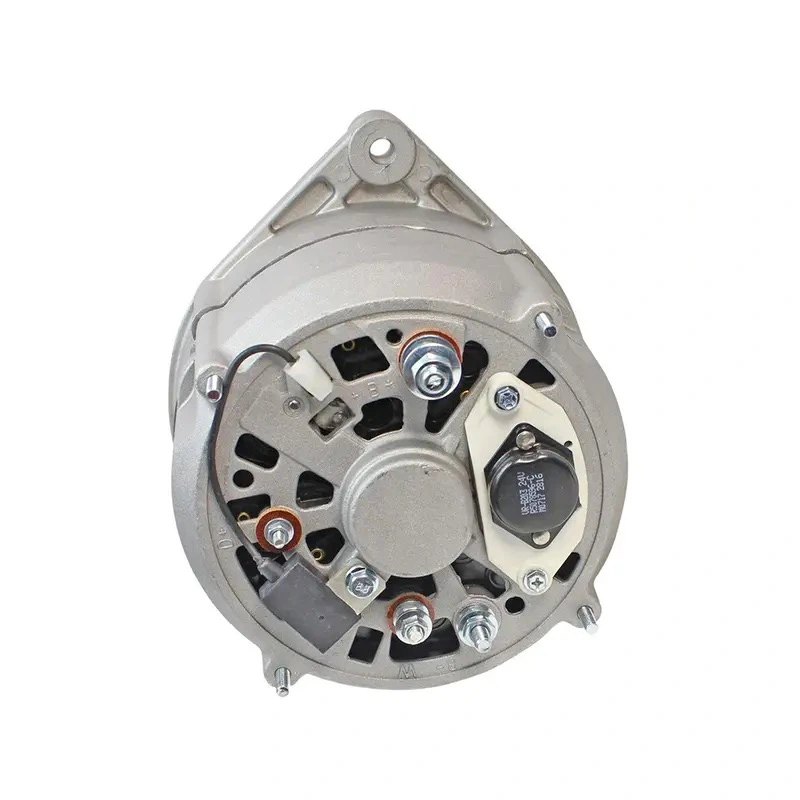
Modern Alternators Minimize Engine Drag
High-efficiency charging methods make electricity with very little mechanical resistance, which lowers the engine's parasitic load directly. This improvement in efficiency means that commercial fleets use less fuel, especially when they're driving for long periods of time on highways where power needs stay the same. Modern units change their output based on what the electrical system needs, unlike older models that always draw the most power no matter how full the battery is.
Quantifiable ROI for Fleet Operators
Truck drivers in North America say that switching from old auto electric alternators to new, more efficient ones cuts their gas mileage by 0.2 to 0.5 miles per gallon. Depending on fuel costs and driving habits, this improvement could save more than $800 per vehicle over a 100,000-mile operational cycle. When hundreds of trucks are being managed at the same time by big transport operations, these gains become even more important.
Environmental Compliance Benefits
Lessened engine load leads to lower pollution, which helps fleet managers meet EPA and CARB guidelines that are getting stricter. Purchasing teams that are focused on sustainability goals find that efficient auto electric alternators help companies meet their environmental obligations while also lowering operational costs. This double benefit makes the case for upgrading parts in all types of commercial vehicles stronger.
Benefit 2: Superior Electrical Performance and Vehicle Reliability
Stable Voltage Regulation Protects Battery Health
Today's charging systems keep exact voltage control even when engine speeds and electricity loads change. This lowers the stress on the battery, which speeds up its degradation. This rule increases the time between charge services by stopping damaging overcharging or chronic undercharging. When vehicles use good auto electric alternators that are designed to give consistent output, fleet maintenance teams see longer battery lifecycles.
Early Detection Prevents Costly Breakdowns
Today's auto electric alternators have advanced monitoring features that let you plan repair ahead of time. Dimming lights, warning lights on the panel, and problems with the electrical system are all early signs that the alternator isn't working as well as it should. If you take care of these signs before they become full-blown failures, you can avoid costly roadside breaks that cause tow costs, cargo delays, and unhappy customers—costs that are far higher than the planned component repair.
Industry Testing Standards Ensure Quality
Reputable companies put their goods through strict bench tests that check how well the voltage regulator handles loads, how long the rectifier diode lasts, and how much power it outputs across a range of RPMs. The objective quality standards set by these standardized testing methods, which include thermal shock cycling between -40°C and +125°C, help procurement managers make decisions about what to buy. XITU uses thorough testing methods that are in line with ISO 9001 and IATF 16949 standards to make sure that every unit that leaves our 20,000 m² production facility meets strict performance standards before it gets to a customer.
Benefit 3: Durability and Longevity for Heavy-Duty Applications
Advanced Materials Extend Service Life
Today's auto electric alternators are made with lightweight metal housings and high-conductivity copper windings. This allows for better heat absorption and better power-to-weight ratios. This mix of materials can handle the rough conditions that are common under the hood of industrial vehicles, where temps change a lot and vibration levels are higher than in passenger cars. When properly maintained, professional-grade units can last more than 150,000 miles, which is a lot longer than rebuilt or economy-grade options.
Supporting Power-Hungry Accessories
Heavy-duty trucks need to be able to charge quickly so that they can power things like sleeper cab comforts, refrigerated trailer units, extra lights, and electronic logging devices. These higher demands can be met by modern auto electric alternators with ratings from 120A to 300A+ without lowering their durability. XITU makes 12V and 24V auto electric alternators that are specifically designed for the DAF 95 series, the KASSBOHRER Setra, the Scania bus platforms (BK112, K114, K124, L94), the Mercedes-Benz truck and bus series (O series), and the MAN vehicles (RH352, RH402). These auto electric alternators meet the exact power needs of European commercial vehicle standards.
Maintenance Best Practices Maximize Investment
Regular checks on the tension of the belt, the lubrication of the bearings, and the cleaning of the electrical connections all greatly extend the life of an alternator. When fleet managers use preventive repair plans, they say that fewer parts break down and more vehicles are available for use. Dynamic rotor balancing during manufacturing—a normal practice in high-quality production facilities—minimizes bearing wear from the start, which protects purchase investments over the long term.
Benefit 4: Compatibility and Easy Integration in Diverse Vehicle Models
Precision Fitment Across Vehicle Platforms
Understanding the alternator specifications that are specific to each vehicle model helps avoid compatibility problems that slow down fleet maintenance. The following Bosch OEM numbers can be used with XITU auto electric alternators: 0120689530, 0120689535, CA1236IR, CA1624IR, CA1667IR, 1-3128-25W, 12377N, 12610N, 1244090, 1254010, 1516503R, 0011545002, 0051544502, 0071541902, and 0081547802. This wide range of compatibility makes inventory management easier for wholesalers who work with a variety of business car fleets. It also cuts down on the need for large stock-keeping units while still providing full coverage.
OEM Versus Aftermarket Considerations
When making choices about what to buy, you have to weigh the cost against the expected performance and guarantee coverage. OEM parts from companies like Bosch, Denso, and Valeo are sure to work and are a well-known name. However, approved aftermarket suppliers give the same performance at a lower price. The key is to check the production standards. Products made to IATF 16949 standards have quality that is similar to OEM standards, no matter what brand they are labeled as. This gives procurement managers cheaper options that don't sacrifice reliability.
Streamlined Installation Reduces Labor Costs
These days, auto electric alternators come with standard mounting patterns and electrical connections that make them easy to install quickly and keep your car running while the replacement process is going on. Different chassis layouts can be accommodated by mounting options that are both horizontal and vertical. Sealed, dust- and water-resistant designs protect internal components without the need for extra weatherproofing. This ease of fitting is especially helpful for fleet repair businesses that have to work with a lot of vehicles on a tight schedule.
Benefit 5: Advanced Features Supporting Modern Automotive Technologies
Integration with Start-Stop and Hybrid Systems
The electrical systems of modern cars need auto electric alternators that can charge quickly and cycle at high frequencies. Commercial vehicles that want to save fuel are using start-stop engine systems more and more. These systems need charging units that quickly restore battery power during short periods of running. These technologies and modern auto electric alternators work together without any problems, so changing powertrains doesn't require a lot of changes to the electrical system.
Smart Charging Technology
Advanced voltage regulators talk to engine control units using CAN bus or LIN protocols to change the charging rates based on the temperature of the battery, its state of charge, and the load on the engine. This smart power management cuts down on wasted electricity generation when the batteries are fully charged, which saves fuel by lowering the output of the alternator. Purchasing teams that work with clients who care about the environment like this technology because it helps make vehicles more fuel-efficient and reduces pollution.
Future-Proofing Fleet Investments
Long-term fleet investments are protected when auto electric alternators are chosen that are designed to work with new vehicle technologies. It is important for charging systems to change as regulations get stricter and car energy needs keep going up. Suppliers with active research and development programs, like XITU, whose engineering teams work to improve product structures and performance, give buying partners access to technologies that work with new vehicles, which keeps vehicles useful and increases their selling value over the course of an owner's ownership.
Benefit 6 to 10: Additional Key Advantages of Modern Auto Electric Alternators
Beyond the foundational benefits already discussed, today's charging systems offer a number of other benefits that work together to make fleet operations more efficient and purchases more valuable.
Noise and Vibration Reduction
Precision manufacturing methods, such as dynamic rotor balancing, reduce noise and vibration during operation, which makes commercial cabs more comfortable for drivers. Less shaking also means less mechanical stress on mounting points and electrical connections, which means that secondary breakdowns caused by moving parts happen less often. This improvement is especially important for passenger transportation, where comfort in the car has a direct effect on service quality.
Lightweight Design Enhances Vehicle Efficiency
Compared to older iron-cased designs, auto electric alternators made with aluminum housings are lighter, which helps reduce the overall mass of the vehicle. Even though small weight savings in individual parts may not seem like much, when added up across multiple car systems, they add up to big gains in payload capacity and barely noticeable fuel economy. When applied to big business teams that travel millions of miles each year, these small benefits add up to a lot.
Simplified Replacement Procedures
Technicians can quickly change auto electric alternators with standardized mounting brackets and electrical plugs, which keeps vehicles on the road as much as possible. Quality units are sealed, so they don't need to be inspected or serviced on a regular basis for things like brushes or slip rings. This lowers the number of times they need to be serviced over their lifetime. When fleet maintenance companies use parts that are easy to install and don't need much care, they save money on work costs and have more vehicles available.
Competitive Bulk Pricing Programs
Manufacturers of commercial vehicles often offer discounts on the price of each unit to large fleet operators and distributors who buy a lot of them. These pricing structures make it easier to plan budgets for purchases and give companies that sell aftermarket goods a way to stand out from the competition. Every year, XITU's factory makes 500,000 units. This means that production can be scaled up or down to meet the needs of big contracts or small orders for testing the market.
Comprehensive Warranty and Technical Support
Professional-grade auto electric alternators come with long warranties that cover problems with the way they were made and breakdowns that happen too soon. All units from XITU come with a six-month guarantee, which makes sure that any quality issues are quickly fixed for buying partners. This dedication goes beyond the warranty period by offering technical support services that answer questions about applications, help with installation, and troubleshoot issues. These are resources that add value to the relationship with the customer and support long-term business partnerships.
Conclusion
Modern charging technology gives businesses that use commercial vehicles big competitive advantages by making them more efficient, reliable, and cost-effective. The ten benefits listed show why choosing an alternator should be a strategic part of making a purchase. Today's auto electric alternators are highly engineered solutions that solve real operational problems. They save fuel, make sure that parts work with each other, and integrate new technologies more seamlessly. Fleet managers and procurement workers who work with business transportation can benefit from working with manufacturers who have quality systems that are certified, production capacities that have been proven, and full technical support. Choosing high-quality parts from dependable suppliers has a direct effect on the profitability of the fleet, the uptime of the vehicles, and the long-term value of the assets. This means that smart alternator procurement is a measurable factor in the success of an organization.
FAQ
How Do I Identify a Failing Alternator Before Complete Breakdown?
Several danger signs show that the alternator's performance is getting worse. When the charging system's power goes below what's required, warning lights on the dashboard turn on for the battery. Dim headlights or internal lighting, especially when the car is not moving, are a sign that it is not making enough electricity. Strange sounds, like whining or grinding, usually mean that a bearing is failing or an internal part is wearing out. Problems with the charging system can be seen when electrical accessories act strangely or when the battery keeps needing jump-starts even though it was just replaced. If you get a professional analysis and treat these signs right away, you can avoid breakdowns on the side of the road and other damage to electrical parts.
What Distinguishes Alternators from Traditional Generators in Commercial Vehicles?
Alternators make alternating current, which rectifiers then change to direct current. Compared to generators, rectifiers produce more power at lower engine speeds. This edge in efficiency is especially useful in business settings where cars often go at different speeds. Auto electric alternators are better for current car electrical needs because they usually weigh less and need less maintenance than generators.
How Can Procurement Teams Source Reliable Bulk Orders with Warranty Coverage?
Checking manufacturer certifications like ISO 9001 and IATF 16949 makes sure that suppliers have quality management systems that can produce consistently. Protecting procurement investments means asking for proof of performance testing and guarantee terms before agreeing to big orders. Established providers with foreign customer bases and business histories spanning decades show the dependability needed for long-term business relationships.
Partner with XITU: Your Trusted Auto Electric Alternator Manufacturer
XITU stands ready to support your commercial vehicle electrical system needs with IATF 16949-certified manufacturing excellence backed by 28 years of industry experience. Our extensive compatibility coverage spanning DAF, KASSBOHRER, Scania, Mercedes-Benz, and MAN vehicles addresses your diverse fleet requirements through a single reliable source. We maintain production capacity exceeding 500,000 units annually with stable 30-60 day lead times, ensuring your procurement schedules remain on track. Contact our technical team at arisa@xitu-auto.com to discuss your specific application requirements, request compatibility verification for your vehicle models, or obtain competitive quotations for volume orders. Let us demonstrate how our flexible ODM/OEM capabilities and comprehensive six-month warranty protection can strengthen your supply chain reliability and enhance your competitive positioning.
References
1. Society of Automotive Engineers. "Electrical Charging System Performance Standards for Commercial Vehicles." SAE International Journal of Commercial Vehicles, 2021.
2. Miller, Robert J. "Advanced Alternator Technologies and Fleet Fuel Economy Impacts." Commercial Vehicle Engineering Quarterly, Volume 43, 2022.
3. International Organization for Standardization. "Quality Management Systems Requirements for Automotive Production and Relevant Service Parts Organizations." ISO/TS 16949:2023 Standards Documentation.
4. Thompson, Andrea K. "Total Cost of Ownership Analysis for Heavy-Duty Vehicle Electrical Components." Fleet Maintenance Management Review, 2023.
5. European Automobile Manufacturers Association. "Commercial Vehicle Electrical System Evolution and Regulatory Compliance." ACEA Technical Report Series, 2022.
6. Chen, David and Williams, Sarah. "Predictive Maintenance Strategies for Commercial Vehicle Charging Systems." Journal of Transportation Asset Management, Volume 18, 2023.