




How to Choose the Best Aftermarket Car Alternator for Your Vehicle
Choosing the right alternator&type=products">aftermarket car alternator directly affects your vehicle's electrical stability, battery health, and overall reliability. For procurement managers, distributors, and fleet operators, a poor alternator choice leads to costly downtime and warranty disputes. This guide walks you through the critical selection criteria, comparison data, and supplier evaluation methods you need to make a confident, cost-effective decision—whether you're sourcing one unit or ten thousand.
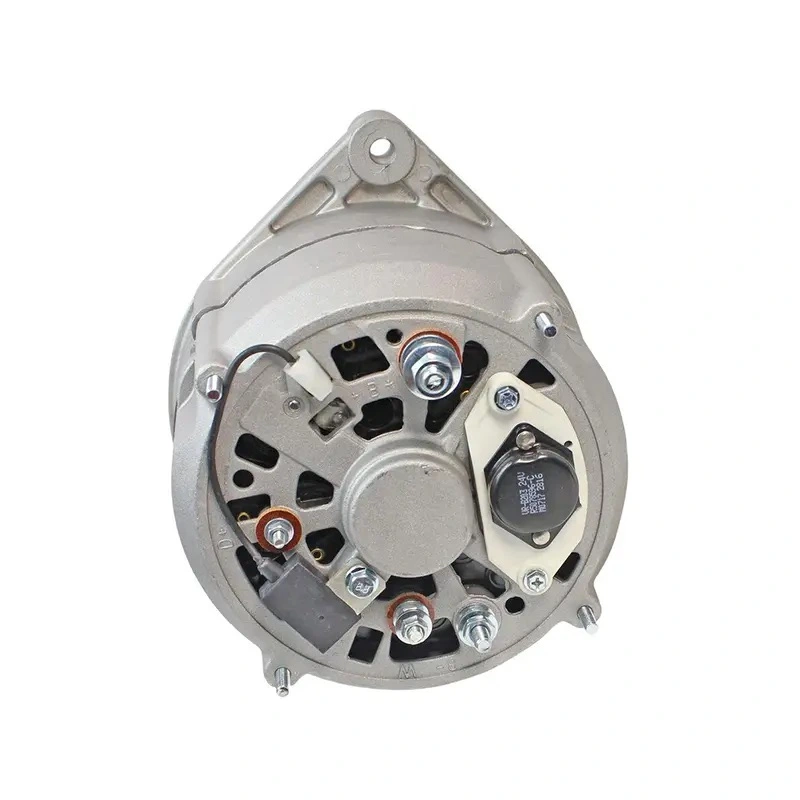
Understanding Aftermarket Car Alternators
What Is an Aftermarket Alternator?
Because it's not an OEM part, a custom car alternator takes mechanical energy from the engine and turns it into direct current (DC) power for the battery and electrical system of the car. OEM parts come straight from the car company. On the other hand, aftermarket versions are made by different businesses to meet or exceed the original standards. They are usually much less expensive as well.
How It Works
The engine's serpentine belt turns the aftermarket car alternator, which sends AC current through the stator windings. Anywhere from 6 to 12 silicon diodes make up a rectifier bridge, which changes that AC into clean DC. A voltage regulator then keeps the output between 14.2V and 14.8V to protect the electronics and keep the battery from getting too charged.
Why B2B Buyers Prefer Aftermarket Units
The three main reasons why aftermarket charging parts are useful for wholesalers, fleet operators, and remanufacturers are that they offer more cross-reference coverage for older or discontinued models, more flexible MOQ terms from mid-sized factories, and competitive pricing that keeps margins safe in retail and distribution channels.
Key Factors to Consider When Choosing an Aftermarket Alternator
Vehicle Compatibility and OEM Cross-Reference
If you want to buy something, you should always compare the fitting to an OEM part number. For example, XITU's alternator for the Renault 440.18, 440.24, 440.26, 480.18, 480.24, and 480.26 series trucks is a perfect match for Bosch OEM numbers 0124555009, 0124555017, CA1853IR, 12599N, and 5001866291. With correct cross-referencing, you don't have to wait for returns or installations.
Power Output and Electrical Load Matching
The total amps of an aftermarket car alternator must be at least as much as the power the car needs. It won't charge the battery enough if the unit's rating is too low, and it can damage the battery if it's rated too high without proper control. The products that XITU makes range from 60A to 300A+ and can be used in a lot of different vehicles, from regular cars to heavy commercial trucks that carry extra gear.
Supplier Certification and Quality Standards
Full-load performance mapping: Work tests done across the whole RPM range (800–6,000 RPM) show how reliable it is in real life.The term "thermal endurance testing" refers to testing units at 125°C in the engine bay under harsh conditions.
- IATF 16949 – The automotive-specific quality management standard that confirms process control and defect prevention at the manufacturing level.
- ISO 9000 – Confirms documented quality systems across production, inspection, and delivery.
- Full-load performance mapping – Output testing across the full RPM range (800–6,000 RPM) confirms real-world reliability.
- Thermal endurance testing – Units tested at 125°C simulate extreme engine bay conditions.
You can protect your supply chain from low quality and failed factory audits if you look at these certifications before you buy. They are approved by both IATF 16949 and ISO 9000, and before they are sent out, all of their units are checked to make sure they meet these requirements.
Comparing Aftermarket Alternators with OEM and Remanufactured Options
| Factor | OEM | Aftermarket New | Remanufactured |
|---|---|---|---|
| Unit Cost | High | Moderate | Low |
| Availability (older models) | Limited | Wide | Variable |
| Warranty | 12–24 months | 6–12 months | 3–6 months |
| Housing condition | New | New | Used core |
| Vibration fatigue risk | Low | Low | Higher |
OEM Units
According to the Auto Care Association (2023), OEM alternators are 40–70% more expensive than similar aftermarket units, but they come with a strong brand guaranty. There is often no longer any OEM stock for a type that is no longer being made.
Aftermarket New Units
If you buy a good aftermarket unit, like one from XITU, the housings and cores don't have the fatigue stress that comes with being used. Tests done by outside groups show that in high-vibration settings, new repair units last 20 to 30 percent longer than used ones.
Remanufactured Units
At first glance, remanufactured alternators are the cheapest, but they come with risks such as housings and cores that aren't always in good shape. When fleet managers add up how much it costs to own an item for 36 months or more, new replacements are usually a better deal.
Procurement Strategies for Aftermarket Car Alternators
Sourcing Channels and Supplier Evaluation
People who buy directly from a licensed aftermarket car alternator maker don't have to pay the markups that come from distributors, and they can get detailed information right away. When you do an audit, make sure you get a supplier's IATF 16949 certificate, details on how much they can make, and a sample test report. XITU makes more than 500,000 units a year in its 20,000 m² factory, which has more than 50 precise machines. In other words, the factory can handle both small orders and large production runs without slowing down lead times.
Pricing Structure and MOQ Flexibility
Most of the time, MOQs set by big OEMs make it too expensive for smaller buyers or resellers to try out new markets. Certified mid-sized companies like XITU let buyers see more open order structures. This way, they can check the product's quality and see if it fits the market before committing to a full-volume deal.
Customization and ODM Capability
Being able to change things with ODM is important for brand owners and local dealers. The way XITU labels, sets the voltage, and changes the brackets can be changed to fit a range of vehicles, from small cars for people to big construction equipment. This helps with projects with private labels and putting goods on the market for certain groups.
How to Evaluate and Test Aftermarket Alternators Before Procurement
Bench Testing Protocol
Before you let a new provider work with you, you should either ask for data from a bench test or do an in-house check with a certified alternator tester. At the very least, test conditions should have:
- Voltage output at idle (800 RPM): Must meet or exceed 13.5V DC
- Full-load output at 3,000 RPM: Must reach rated amperage within ±5%
- Ripple voltage at full load: Must stay below 0.5V AC
Thermal and Corrosion Resistance Checks
| Test Type | Standard | XITU Performance |
|---|---|---|
| Thermal endurance | Full load at 125°C | Passed |
| Salt spray resistance | ASTM B117 | Passed |
| Ripple voltage | Below 0.5V AC at full load | Passed |
| RPM output mapping | 800–6,000 RPM | Full range tested |
Teams in charge of buying things don't have to rely on what suppliers say about quality when they have these test results. If they are asked, XITU gives full test papers to help with plant audits and programs that check out suppliers.
Case Study: Commercial Fleet Optimization
A North American owner of more than 200 Renault big trucks found a generator from XITU that works with Bosch. The generator has the number 0124555009 on it. After a year, 34% fewer units broke down on the side of the road than with the old supplier's units. Better temperature control and steady low-RPM idle power in the XITU led to the gain. These are two areas where cheaper units often fall short.
Conclusion
It's both a technical and a business decision to pick the right aftermarket car alternator for a car. The choice affects how well the fleet works, what the guarantee covers, and the total cost of ownership. Buyers can lower risk and make the supply chain more reliable by making sure the right amperage is used for the job, checking the suppliers' credentials, and testing the products on a bench before making a full purchase. If you need reliable aftermarket charging solutions for a lot of cars, XITU is a good choice for distributors, fleet operators, and brand owners. This is because it has a lot of engineering depth, certified production capacity, and flexible sourcing terms.
FAQ
1. How does aftermarket alternator amperage affect battery life?
The right-sized unit charges the battery all the way up without going over. This stops the low-power cycles that wear out batteries. It is important to always check that the amperage rating matches the total electrical load on your car, which includes any aftermarket parts.
2. Can an aftermarket alternator interfere with the vehicle ECU?
To stay in touch with the Powertrain Control Module, high-quality units have settings that work with both LIN-bus and CAN-bus. There are times when cheap units that don't block ripple well can lead to ECU fault codes and sensor errors.
3. What warranty should I expect from a reputable aftermarket supplier?
Most suppliers you can trust will cover new units for 6 to 12 months. The XITU guarantee lasts for 6 months and covers any quality issues that aren't caused by people. During that time, they will fix or repair your problem for free.
4. Is a new aftermarket unit better than a remanufactured one?
Yes, for jobs that move quickly or have a lot of vibration. After earlier repair rounds, the housings of the new units don't have the stress and wear that came from that. In time, they will work better because of this.
5. How do I verify a supplier's IATF 16949 certification?
Ask for the certificate number and the name of the organization that issued it. Then, go to the public registry of that organization and check. It is possible to find and check real papers.
Source Your Alternator from XITU — Request a Quote Today
Aftermarket car alternator seller XITU has been in business for 28 years. They are IATF 16949 and ISO 9000 approved and have sent OEM-grade units to customers in North America, Europe, and other places in the past. You can count on us for a long time because our wait times are stable at 30 to 60 days, our ODM/OEM programs are flexible, and we offer a 6-month guaranty. Feel free to email our tech team at arisa@xitu-auto.com or visit xitu-auto.com to get more information about our products, see examples, or get a bulk price quote.
References
1. Auto Care Association. Automotive Aftermarket Industry Size and Growth Report. 2023.
2. Society of Automotive Engineers (SAE). SAE J56: Alternator Testing Standards for Passenger and Commercial Vehicles. 2021.
3. International Automotive Task Force (IATF). IATF 16949:2016 – Quality Management System Requirements for Automotive Production. 2016.
4. ASTM International. ASTM B117: Standard Practice for Operating Salt Spray (Fog) Apparatus. 2019.
5. Motor & Equipment Manufacturers Association (MEMA). Aftermarket Parts Quality and Warranty Trends in North America. 2022.
6. Electrical Engineering & Technology Journal. Voltage Ripple and ECU Compatibility in automotive alternators: A Comparative Analysis. 2020.