




Best Small Alternator for Boats, Tractors, and Generators
When searching for the best alternator%20150%20amp&type=products">small alternator for boats, tractors, and generators, procurement managers prioritize reliability, efficiency, and compatibility. A high-quality compact alternator delivers stable voltage output while withstanding harsh environmental conditions like saltwater corrosion, vibration, and temperature extremes. Whether powering marine auxiliary systems, agricultural machinery, or portable generators, the right alternator choice directly impacts operational uptime, maintenance costs, and equipment longevity. Selecting units with OEM-grade components, comprehensive certifications, and proven supplier track records ensures long-term value for industrial applications across demanding sectors.
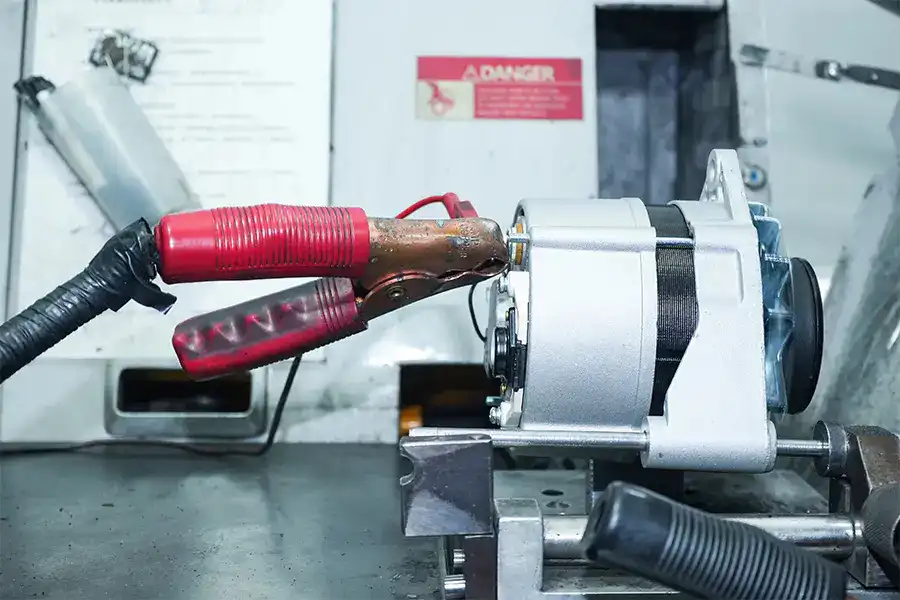
Introduction
Small alternators are the most important part of boats, trucks, and portable generators because they turn mechanical energy into stable electrical current, which is needed for modern factories to run. Finding the best charging solution for the US market requires procurement managers, design engineers, and aftermarket distributors to balance technical performance with business realities. During busy times, equipment downtime due to a broken small alternator can cost farms thousands of dollars every day. On the other hand, naval boats need power all the time for their tracking safety systems.
This complete guide talks about important choice factors that B2B buyers have to make, such as total cost of ownership estimates, supplier certification requirements, electromagnetic efficiency standards, and environmental protection rates. We look at how top makers balance power density with thermal management. We also look at warranty structures that protect big purchases and describe strategies for buying things that keep supply chain risks to a minimum. When looking for charging systems, whether for OEM integration or aftermarket distribution, knowing these factors helps buyers get systems that meet both short-term operating needs and long-term goals for fleet efficiency.
Understanding Small Alternators: Working Principles and Key Components
Electromagnetic Induction Fundamentals
A rotating magnetic field causes voltage to build up in copper windings that are stationary. This is how small alternators make electricity. The magnetic field is made by the rotor assembly, and the created current is caught by the three-phase windings in the stator. Built-in rectifiers change the alternating current from this design's output to direct current so that batteries can be charged. Units rated between 12V and 24V usually make 60 to 150 amps, which is enough to keep battery banks charged and power other devices.
Critical Component Analysis
The stator has Class H materials insulating high-grade copper windings that can withstand temperatures of up to 180°C for long periods of time. Silicon steel laminations cut down on eddy current losses, which makes the conversion process more efficient overall. In traditional designs, the rotor has slip rings and carbon brushes. In brushless designs, these wear parts are not present, so the machine can go longer between servicing. Voltage regulators keep the output within a range of ±1%. This keeps batteries from getting too charged and keeps sensitive electronics safe. Aluminum housings are strong and light, and they get rid of heat through strategically placed cooling fins.
Performance Metrics That Matter
Dependable units can be told apart from poor workers by how stable their output is when the load changes. Good small alternators keep the rated amperage from the idle speed to the maximum RPM, which is very important for tractors that use PTO-driven implements. Microprocessor-controlled systems that are popular in current generators are protected by Total Harmonic Distortion below 5%. Protection grades of IP54 or higher make sure that dust and water don't get in, which is important for marine and farming settings where contamination speeds up bearing wear and winding degradation.
How to Choose the Best Small Alternator for Your Application?
Application-Specific Load Assessment
Marine charging systems need small alternators that can handle both deep-cycle battery banks and constant loads like bilge pumps, navigation lights, and communication gear. Agricultural tractors need high-output units that can keep charging while running electronic fuel injection and hydraulic systems for long periods of time in the field. Generator sets need to be able to precisely control the power so that sensitive equipment that is attached doesn't get damaged. Figuring out the highest amperage draw plus a 20% safety gap makes sure that there is enough capacity for when multiple loads are activated at the same time.
Environmental Durability Requirements
To stop galvanic rusting, units in saltwater settings must have conformal-coated circuit boards and stainless steel fasteners. Fully sealed designs with labyrinth seals that keep dust out of bearings are good for tractors that work in dusty grain fields. Going from -40°C for storage in the winter to +125°C for engine rooms in the summer means that parts need to be able to withstand thermal growth without breaking. Off-road vehicles need strong vibration resistance because unbalanced rotors can cause bearings to fail early.
Supplier Certification Verification
When suppliers get IATF 16949 approval, it means they have quality management systems that meet car standards. These systems include traceability methods and statistical process control. ISO 9000 certification gives you basic quality assurance, but it doesn't have the automotive-specific standards that are needed for high-reliability uses. Teams in charge of buying things should make sure that sellers give them material certificates for copper wire, reports on the dimensions of made parts, and electrical test data for every batch of production. Suppliers who let you inspect their factories show openness that isn't common in small workshops that don't have good paperwork systems.
Customization Versus Standard Models
Off-the-shelf units are ready to ship right away and have lower unit costs, making them a good choice for distributors who want to meet a wide range of aftermarket needs. Custom configurations are used for mounting needs that aren't standard, voltage outputs that aren't standard, or integrated control systems for OEM uses. XITU's in-house engineering team creates custom solutions for customers who need to change the pulley ratios, get a longer guarantee, or use private labels to make their brand stand out. Customized units usually have a minimum order quantity of 500 pieces, which strikes a balance between the cost of the tools and the freedom to test the market.
Top Small Alternator Models and Brands Recommended for Boats, Tractors, and Generators
Industry-Leading Manufacturers
Bosch continues to be the market leader in Europe for industrial vehicles with units that have good thermal control and long repair intervals. Their 0124555 line consistently performs well in IVECO trucks and farm equipment, and parts are easy to find to serve global distribution networks. Denso works on small designs with a lot of power, which are popular in Japanese tractors that need to save room. Mitsubishi Electric makes heavy-duty units designed for construction equipment. These units have sealed bearings and stronger mounting brackets that can handle shock loads.
XITU's Competitive Positioning
Our factory makes small alternators that are compatible with Bosch OEM numbers, such as 0124555063, 0124555107, 0124555602, and F000BL series models. This means that they can be used as a drop-in replacement for existing equipment. Before being sent out, each unit is tested for dielectric strength and dynamic rotor balance to make sure it meets the performance standards of the original equipment. Our 20,000-square-meter production facility can make more than 500,000 units a year, which means it can handle both big wholesale orders and smaller test market amounts. IATF 16949 approval proves that our process controls meet the needs of the car industry, and 30 years of experience in manufacturing help us keep improving our products.
Sourcing Strategy Considerations
When you work directly with a manufacturer, you don't have to pay markups to distributors. This means that wholesalers serving regional markets can make more money. When suppliers ship both starters and small alternators at the same time, it makes handling easier and lowers the cost of freight. It's better to judge sellers by how consistent their lead times are than by how fast they can deliver, because knowing when to restock goods lets customers keep their promises. Manufacturers who offer warranties that last longer than the standard six months show that they are confident in the quality of the parts and the regularity of the production.
Maintenance, Troubleshooting, and Longevity Tips for Small Alternators
Preventive Maintenance Protocols
Checking the tightness of the belt should be part of scheduled checks every 2,000 hours of operation, since too much slack makes charging less effective and too much tightening speeds up bearing wear. Cleaning the outside cooling fins gets rid of dirt and other things that build up and stop heat from escaping, which is especially important in farming settings. Failures caused by vibration can be avoided by checking electrical lines for corrosion and making sure fixing bolts are tight. Taking readings of the output voltage at both idle and rated RPM can find signs of regulator wear before they completely break down and damage the equipment.
Common Failure Diagnosis
Voltage readings below 13.5V on 12V systems mean that the diodes or brushes are failing and need to be fixed right away. Grinding or squealing sounds that are timed to the engine speed are signs of abnormal bearing noise. This could mean that the bearings are not properly oiled or are dirty. If your dashboard lights flicker and your car charges and charges sometimes, it could mean that the wire connections are loose or the voltage controllers are failing. When you use a voltmeter to check the diode forward voltage drop, you can find broken rectifier parts that are lowering the output capacity.
Extending Service Life
When you keep small alternators within their stated amperage capacity, they don't get too hot, which damages the covering around the windings. Making sure that the cooling fins don't sit idle for long periods of time at low RPM is important. Electrical parts are protected from rust caused by humidity when equipment is stored in climate-controlled areas during off-season times. When you use real replacement parts, you get the same performance as the original. This is because aftermarket parts may be made with lower-quality materials, which lowers their trustworthiness.
Procurement Tips: Where and How to Buy Small Alternators for B2B Clients?
Strategic Budget Planning
On the market, good small alternators cost between $85 and $250 each, depending on the brand's reputation, certification level, and amperage rating. When wholesalers buy more than 200 units, they can usually get savings of 15 to 25 percent, which helps them compete. For correct margin analysis, you need to figure out the total landed cost, which includes freight, taxes, and storage costs. The true cost-per-operating-hour value can be found by comparing the unit price to the guarantee coverage and the expected service life.
Supplier Evaluation Framework
Manufacturers who have separate export offices with expert staff who speak English make contact easier and cut down on specification mistakes. When suppliers offer free units for confirmation testing, it shows that they are sure of the quality of their products and want to make sure their customers are happy. By comparing production capacity to order size, you can be sure that suppliers won't skimp on quality to meet demand. Checking references from current North American customers can give you an idea of how well delivery works in real life and how quick customer service is after the sale.
Risk Mitigation Strategies
By using two qualified manufacturers as suppliers, you can keep your supply from being cut off completely if one of them experiences production delays. Quality differences can be avoided by negotiating payment terms that hold back the final balance until after delivery. Setting basic inventory levels based on wait time and adding safety stock to protect against sudden increases in demand. Working with freight forwarders who know how to classify car parts will make sure you have the right paperwork for customs clearance.
Conclusion
To choose the best small alternator for use in generators, boats, and farms, you need to weigh the technical specs against the trustworthiness of the provider and the total cost of ownership. Quality units with OEM-grade parts, full environmental protection, and proven electromagnetic efficiency work well for years in tough industrial settings without any problems. To be successful at procurement, you need to work with certified makers who offer clear quality documentation, flexible order amounts, and quick expert help. With 30 years of experience in production, IATF 16949 certification, and established relationships with OEM suppliers, XITU is a reliable source for buyers seeking competitive prices without sacrificing the high reliability standards needed to protect equipment investments and keep operations running smoothly.
FAQ
What amperage rating suits different equipment types?
Small yachts usually need 60–80 amp small alternators for their auxiliary systems, while bigger cabin cruisers need 100–150 amp units to power their electronics and air conditioning. Small tractors with less than 50 horsepower work well with 70-90 amp models. Larger farm equipment, on the other hand, needs hydraulic systems with 120 amps or more. Portable generators work best with small alternators that are matched to the output of the engine. For 5-8 kW units, this means 50–75 amps.
How do compact alternators compare to generator systems?
Small alternators keep charging while engines are running, so battery stores are kept up without using extra fuel. Standalone generators can provide power on their own, but they need their own place to be mounted and a fuel supply. When it comes to equipment that already has engines, small alternators are more efficient and easier to maintain than backup generator systems, which need their own service plans.
Can one alternator model work across multiple applications?
Cross-application compatibility depends on how the components are mounted, the size of the pulleys, and the electrical requirements. Units made to be mounted horizontally might not work for installations that are mounted vertically without being changed. Before they can be used, voltage controls that are set for certain types of batteries need to be checked. The engineering team at XITU helps buyers find good models or make special solutions that meet their specific connectivity needs.
Partner with XITU—Your Trusted Small Alternator Supplier for Reliable Industrial Power
XITU offers charging options that are of OEM standard and are backed by IATF 16949 approval and 28 years of production excellence. Our small alternators are sold to fleet operators, equipment manufacturers, and distributors all over North America. We offer competitive wholesale prices, consistent quality, and a range of order sizes. We keep production processes between 30 and 60 days, and we ship internationally with trusted logistics partners. This makes sure that we can always restock our inventory. Our dedicated technical support team and six-month warranty give you peace of mind that your procurement investment is safe. Get in touch with our experts right away at arisa@xitu-auto.com to talk about bulk pricing, get technical specs, and ask for sample units. Find out how working with a skilled small alternator maker can help you stay competitive and give your customers the reliability they want.
References
1. Society of Automotive Engineers. "Automotive Electrical Systems: Alternator Performance Standards and Testing Protocols. "SAE International Journal of Passenger Cars, 2021.
2. Marine Electrical Systems Handbook. "Charging System Design for Auxiliary Power Applications in Recreational and Commercial Vessels." Maritime Technical Publications, 2020.
3. Agricultural Equipment Manufacturers Association. "Power Generation and Electrical System Requirements for Modern Agricultural Machinery." AEMA Technical Report, 2022.
4. International Electrotechnical Commission. "Rotating Electrical Machines Part 1: Rating and Performance Standards." IEC 60034-1 Standard, 2019 Edition.
5. National Marine Manufacturers Association. "Electrical Component Environmental Protection Standards for Marine Applications." NMMA Certification Guidelines, 2021.
6. Industrial Power Systems Technical Review. "Total Harmonic Distortion Effects on Sensitive Electronic Loads and Mitigation Strategies." IEEE Industry Applications Magazine, 2023.