




Best Alternator 12V 120A for Trucks and Buses
When searching for the best alternator/alternator-12v-120a">alternator 12v 120a designed specifically for heavy-duty commercial applications, fleet managers and procurement specialists need equipment that delivers consistent high-amperage output under extreme operating conditions. The ideal alternator 12v 120a provides dependable charging for trucks and buses operating long routes with substantial electrical loads—from climate control and telematics systems to auxiliary lighting and onboard diagnostics. XITU manufactures high-output alternators engineered with copper windings, aluminum housing, and fully sealed protection to withstand the thermal stress and vibration inherent in commercial vehicle environments while maintaining voltage stability across diverse operational scenarios.
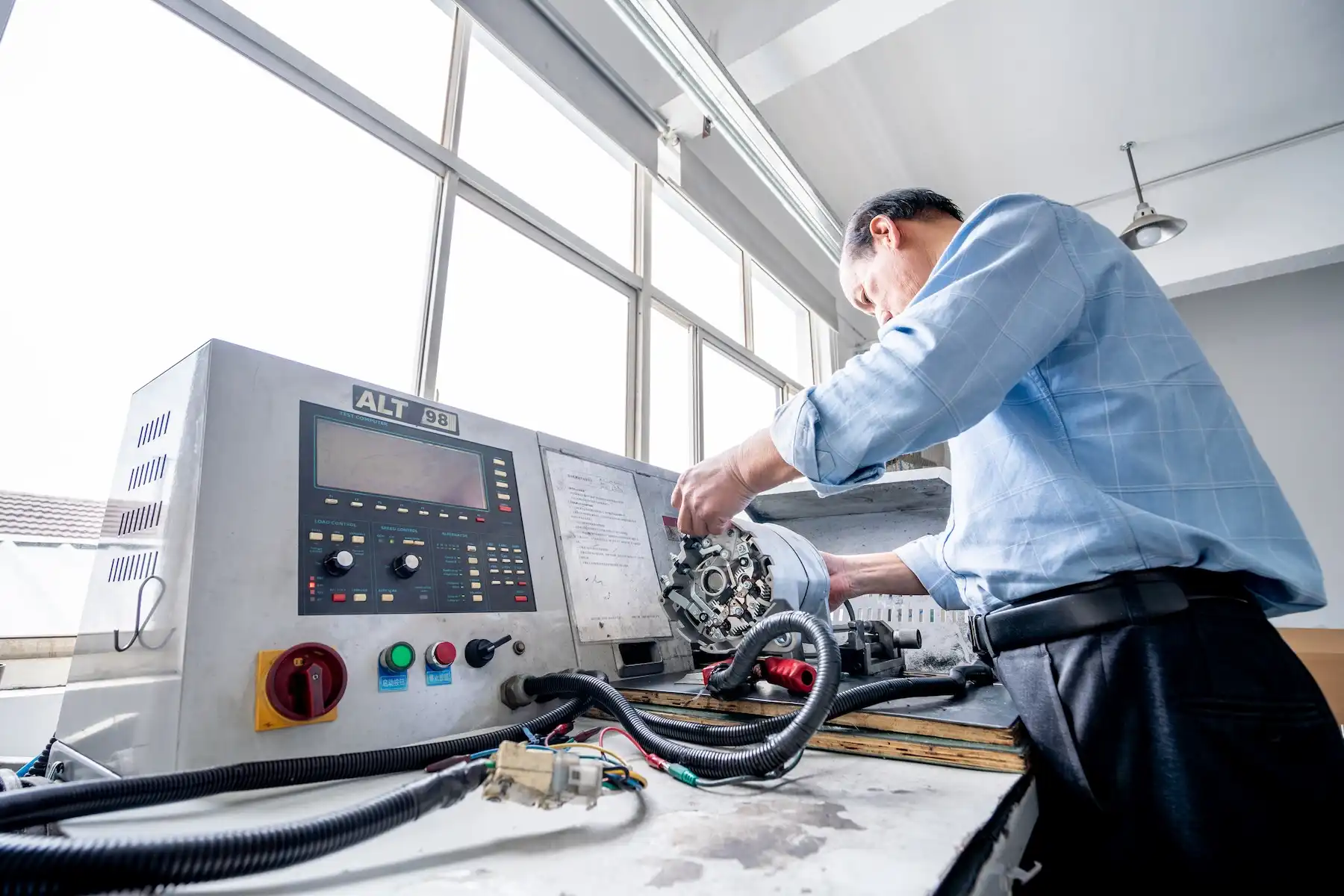
Understanding the 12V 120A Alternator: How It Works and Why It Matters
Core Operating Principles of High-Output Alternators
Explosive induction is how a 12v 120a alternator turns the engine's mechanical energy into an electric current. The rotor spins inside a stator that stays still. This creates alternating current that flows through a rectifier bridge and turns into direct current that can charge batteries and power electronics in the car. The alternator 12v 120a rate is the highest output that can be sustained, so the unit can charge dead batteries and power high-demand devices at the same time without switching between them.
Why 120A Outperforms Lower-Rated Units in Commercial Fleets
The electricity needs of commercial cars and buses are higher than those of passenger vehicles. GPS tracking, refrigeration units, hydraulic lift gates, and other high-tech safety systems that use a lot of steady power are used by modern companies. Lower-amperage alternators have a hard time keeping the battery charged when the car is not being used or when multiple systems are running at the same time. This can cause the battery to die early and cause problems on the side of the road. The alternator 12v 120a standard makes sure that it has enough spare capacity to handle peak electrical loads while keeping the output between 13.8V and 14.4V even when the engine speed changes.
Critical Applications in Heavy-Duty Transportation
We've seen fleet owners use alternator 12v 120as in a variety of situations. When delivery vehicles in cities stop and start a lot, the batteries recharge quickly. Long-haul trucks with backup power units need steady high-amperage output to power sleeper cab amenities without draining the starting batteries. Strong charging systems are needed for transit buses with wheelchair lifts, door mechanisms, and passenger information displays so that they can stay on schedule along longer routes.
Comparing 12V 120A Alternators: Making the Right Choice for Your Fleet
Evaluating Power Output Against Operational Requirements
To choose the right alternator capacity, you need to look at the total electrical load plus 20 to 30 percent as a safety margin. A 100A unit might be enough for basic transportation needs, but it's not enough when companies add extra tools or work in extreme temperatures. The alternator 12v 120a standard allows for operational headroom for adding new equipment in the future without having to update the system right away. On the other hand, 150A alternators are better for specific uses like mobile workshops or emergency response vehicles. However, they have more mechanical drag, which means they use a little more fuel when they're not working at full capacity.
Brand Analysis and OEM Versus Aftermarket Considerations
Leading brands like Denso, Bosch, and Valeo offer reliable products with long warranties, but their high prices represent how they place themselves in the market. IATF 16949 certification shows that XITU alternators meet OEM quality standards. They also have competitive pricing that makes them good for buying in bulk. Our units are compatible with major OEM numbers, such as DELCO REMY, HC-PARTS, HYUNDAI, and KIA. This makes it easy to integrate across teams of different brands. When deciding between OEM and quality aftermarket units, people usually look at things like warranty requirements, networks for getting parts, and the total cost of ownership, rather than how well the two perform.
Innovation Trends Affecting Procurement Decisions
Recent improvements in engineering have focused on making things lighter by designing housings more efficiently and managing heat better by changing the shape of cooling fans. Overrunning alternator pulleys cut down on noise and wear on the belt tensioner, which are both important for uses that move people. In XITU, copper windings are insulated with Class H materials, which are better at resisting heat than standard Class F materials. This makes the cables last longer in hot southern U.S. states.
Installation and Wiring Guide for 12V 120 An Alternator: Simplified for Fleet Engineers
Preparatory Safety Protocols and Component Inspection
Before installing, disconnect both battery terminals, starting with the negative terminal. This will keep you from getting shocked and stop short circuits from happening by accident. Check the serpentine belt for cracks, coating, or too much wear. If it needs to be replaced, do so because new alternators have different tension requirements. Check the position of all the moving parts' pulleys with a straight edge. If they aren't lined up right, the bearings will fail early and the belt will make noise.
Proper Electrical Connections for Maximum Reliability
If you are switching from a lower-capacity alternator to an alternator 12v 120a unit, check the existing wiring gauge. We suggest using at least a 4-gauge wire from the generator output to the positive terminal of the battery so that the higher current capacity can be safely handled without too much voltage drop. Use wire brushes to clean all the connection points and make sure there is low-resistance metal-to-metal contact. Then, put dielectric grease on the contacts to stop rust. Make sure the voltage regulator link is tightly connected, and keep the wires away from the exhaust manifolds and other moving parts.
Diagnostic Testing Procedures Post-Installation
Start the engine after fitting and use a digital multimeter to check the voltage output across the battery connections. The charging voltage should be between 13.8V and 14.4V at 2000 RPM with a moderate load on the electrical system. Turn on high-draw devices like the headlights, climate control, and heated mirrors while keeping an eye on the voltage. Any reading below 13.5V under load or above 14.6V means the regulator isn't working right, which needs to be fixed right away to keep the battery from getting damaged or the electronics from breaking down.

Procuring 12V 120A Alternators: Where and How to Buy with Confidence
Understanding Cost Drivers in B2B Procurement
Depending on order volume, name placement, and included warranty coverage, quality alternator 12v 120a units typically sell for between $85 and $180 wholesale. Core exchange schemes lower costs up front, but you have to handle the details of the return. Units made to OEM standards cost more, but they are sure to fit and work the same way every time. XITU has reasonable pricing for large orders and upholds ISO 9001 quality standards. This makes them a reliable 12v 120a supplier partner for fleet managers and wholesalers who want to plan their budgets for purchases.
Evaluating Supplier Credibility and Support Infrastructure
Some reliable ways to buy things are through approved distributors who can help with technical issues, direct maker relationships for big fleet sales, and well-known online sites that serve the aftermarket for commercial vehicles. We give more weight to suppliers who offer full warranty terms (XITU covers manufacturing defects for six months) and quick technical support for help with installation. Our history of making things for 30 years and our IATF 16949 certification show that we are dedicated to process control and quality stability in a way that isn't common in smaller workshops.
Real-World ROI Through Strategic Supplier Partnerships
A transportation company in the Midwest cut down on downtime caused by alternators by 40% after moving to quality-certified sources with similar warranty terms and quick replacement practices. The extra 15% cost over economy units was paid for in eight months by fewer calls for roadside assistance and better sticking to schedules. This case shows that buying decisions that are only based on the lowest unit cost often don't take into account the total cost of ownership, which includes things like failure rates, warranty coverage, and how quickly the supplier can respond to problems.
Maximizing Alternator Performance and Longevity for Trucks and Buses
Preventative Maintenance Strategies for Extended Service Life
We suggest eye reviews every three months to check the stability of the mounting brackets, the condition of the electrical connections for corrosion, and that the belt tension is within the manufacturer's guidelines. Using compressed air to clean off road debris and oil residue that has built up on the outside of the cooling fins is important because heat buildup speeds up the breakdown of internal parts. Regularly check the state of the batteries—weak batteries force alternators to work at full power all the time, which shortens their useful life by a lot. In normal conditions, a alternator 12v 120a should last between 100,000 and 150,000 miles. However, heavy-duty applications may need to be replaced sooner.
Electrical Load Assessment and System Planning
More and more, modern commercial vehicles have telematics systems, collision avoidance radar, and electric extra equipment that puts a lot of stress on electrical systems that were built decades ago. Do full load checks that record how much current all the installed equipment uses, then compare the total demand to the alternator's capacity. Instead of waiting for system failures to happen, plan upgrades ahead of time before adding accessories that use a lot of power. XITU can be customized for groups that need voltage regulation or mounting options that aren't covered by the standard catalog.
Future-Proofing Fleet Electrical Systems
New technologies like electric power steering, air control that works even when the engine is off, and electric parking brakes will make industrial vehicle platforms need more electricity. When fleet managers change alternators on a regular basis, they should always choose alternator 12v 120as, even if the current loads don't need full capacity. This makes the infrastructure ready for new technologies to be used. Our in-house research and development team keeps an eye on industry trends to make sure that our products are always compatible with new car electrical systems.
Conclusion
When choosing the best 12V 120A alternator for commercial trucks and buses, you need to think about technical specs, supplier reliability, and total cost. The alternator's 12V 120A rating gives it the necessary power for modern loads while keeping operational reserves for tough situations. XITU uses ISO 9001-certified methods to make alternators that meet OEM quality standards. These alternators are compatible with most car platforms, such as Hyundai and Kia, and can be used with DELCO, REMY, and HC-PARTS cross-references. Our aluminum-cased units with copper windings and fully sealed security give reliable performance and are built to withstand heat, vibration, and weather exposure for long periods of time between service intervals.
FAQ
What is the typical lifespan of a 120A alternator in commercial applications?
When properly maintained, a good alternator 12v 120a should last between 100,000 and 150,000 miles. In heavy-duty situations where there is a lot of sitting, short trips, or operation in high temperatures, the lifespan may be shortened to 80,000 to 100,000 miles. Checking the state of the drive belt, electrical connections, and mounting tools on a regular basis can help find problems before they become too big to fix.
Should I choose OEM or remanufactured alternators for my fleet?
New OEM-quality alternators, like those made by XITU, work reliably and come with a full guarantee, so you don't have to worry about how they were serviced in the past. Remanufactured units can save you money, but there is a chance that the core quality will vary. Fleet apps gain from the dependability and consistent performance of new units, which lowers the costs of unplanned downtime.
Does professional installation matter for alternator replacement?
Even though expert techs can do installations on their own, hiring a professional service makes sure that the electrical connections are correct, the belt tension is correct, and that the system is tested after installation. For warranty coverage, you may need professional installation paperwork. When it comes to fleet applications where downtime costs a lot, professional installation is worth the extra cost because it guarantees quality.
Partner with XITU for Reliable Alternator 12v 120a Supply Solutions
With 28 years of production experience and IATF 16949 approval, XITU is a maker of OEM-grade alternator 12v 120a. Our alternators, 12v 120as, are made for trucks, buses, and construction vehicles that work in harsh conditions. They have an aluminum frame, copper windings, and a fully sealed design that keeps out dust and water. We keep our lead times stable at 30 to 60 days and offer flexible ODM and OEM customization to meet the needs of customers all over the world. You can email our expert team at arisa@xitu-auto.com to get personalized quotes, make sure your products are compatible, and find ways to buy them. We offer a six-month guarantee and quick customer service after the sale. Form relationships with qualified makers who are dedicated to consistent quality and dependable global transportation coordination to gain long-term supply chain benefits.
References
1. Society of Automotive Engineers. (2021). "Alternator Performance Standards for Heavy-Duty Commercial Vehicles." SAE Technical Paper Series.
2. Fleet Maintenance Magazine. (2022). "Electrical System Reliability in Modern Commercial Transportation: A Comprehensive Analysis."
3. International Organization for Standardization. (2020). "ISO 9001 Quality Management Systems: Requirements for Automotive Component Manufacturing."
4. Automotive Engineering International. (2023). "Advances in Alternator Technology: Efficiency Improvements and Thermal Management Innovations."
5. Commercial Vehicle Technology Symposium. (2022). "Total Cost of Ownership Analysis: Electrical System Components in Fleet Operations."
6. National Institute for Automotive Service Excellence. (2021). "Electrical System Diagnosis and Repair: Best Practices for Commercial Vehicle Technicians."