




24V 100 Amp Alternator for Agricultural Machinery: What You Need to Know
If you manage a fleet of John Deere loaders or excavators, you already know that electrical failure in the field does not just slow you down—it stops everything. A dependablealternator%20100%20amp&type=products"> 24v alternator 100 amp is the foundation of your machine's charging system. This guide covers what separates a capable heavy-duty alternator from a short-lived substitute, how to match the right unit to your equipment, and what to look for when sourcing at volume. Whether you distribute aftermarket parts or manage a large construction fleet, the answers here will help you buy smarter.
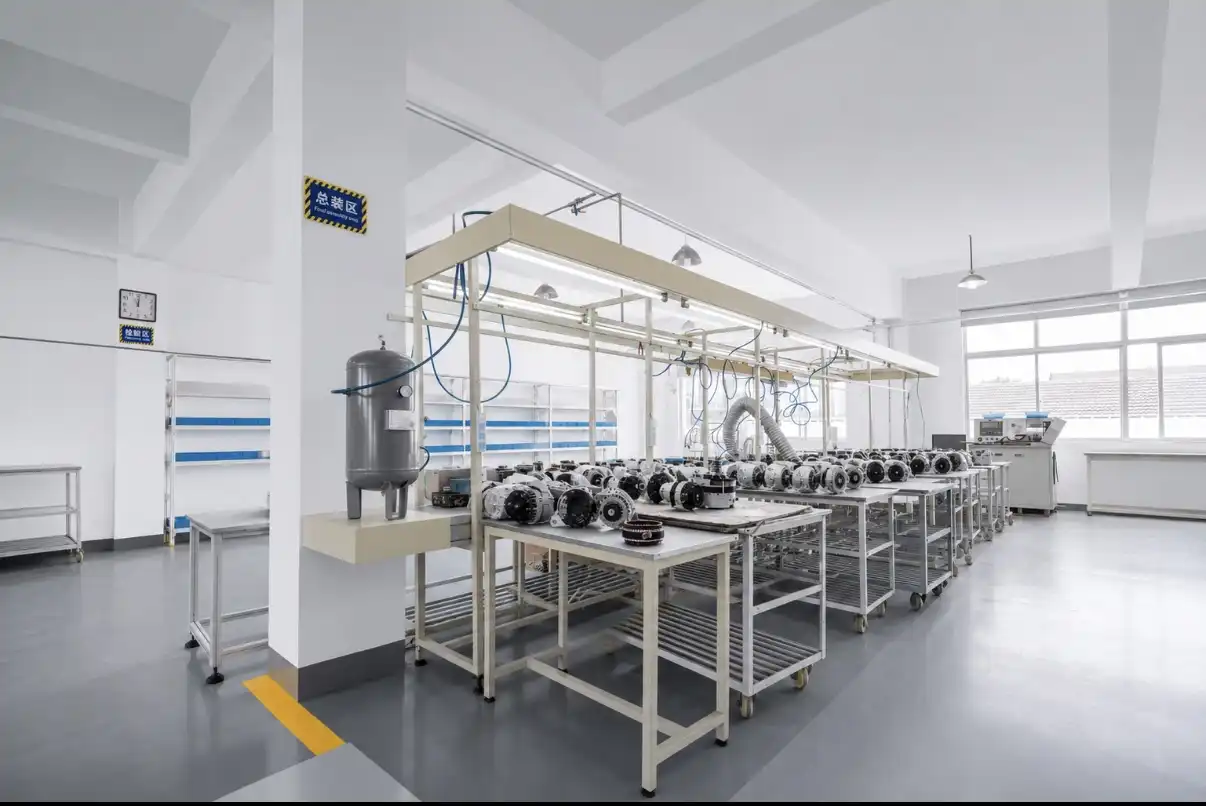
Understanding the 24V 100 Amp Alternator: Basics and Technical Specs
How It Works
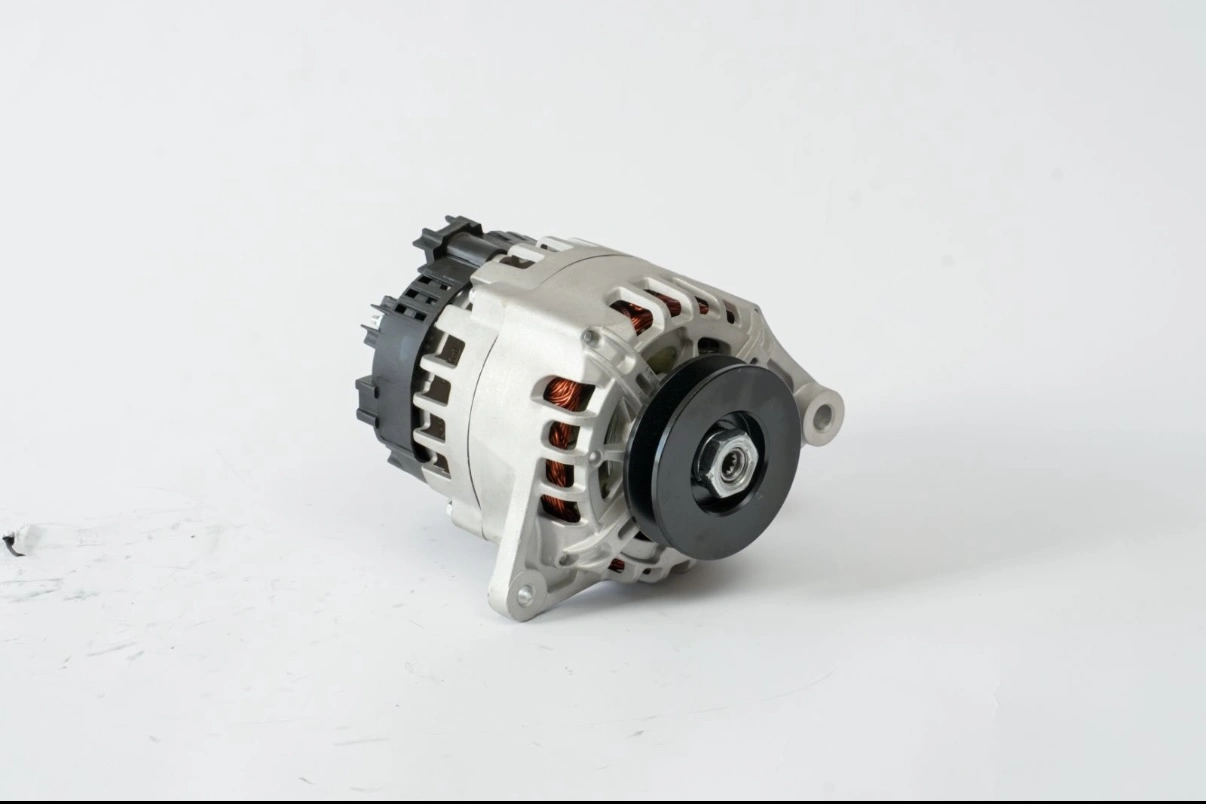
An alternator takes mechanical energy from the drive belt of an engine and turns it into electrical energy. The rotor spins inside the stator winding, making AC current. A rectifier bridge changes this current to DC. In a 24V system, this DC output charges the battery bank and powers all the electronics on board at the same time. This unit has an 8PK pulley, which is an eight-rib serpentine belt that moves belt load easily while preventing slip at high power.
Key Electrical Specifications
The XITU 24V 100-amp alternator gives off 2.4–2.8 kW of power all the time. Between 5,000 and 6,000 rotor RPM, the full 100A output is reached, and charging can start at as low as 1,200 to 1,500 RPM, which means the battery can start getting charged even when the engine is not running. Copper windings in engine bays that are usually hotter than 105°C are protected by Class H insulation, which is rated to 180°C.
Details and specifications: | Output voltage: 24V DC | Rated current: 100A constant |
The pulley is an 8PK with a 62mm shaft, the insulation is Class H (180°C), the bearings are double-sealed 6305 series, the voltage regulator is an integrated EVR with temperature compensation, and the company is certified by ISO 9000 and IATF 16949.
Compatibility and Part Number Cross-Reference
If you have a 470G LC, 670G, 670GP, 672G, 672GP, 724K, 744K, 755K, 850K, 903K, 903KH, 909K, 909KH, 953K, or 959K John Deere, this alternator will fit them all. It’s a straight match for Bosch OEM numbers 0124655081, 0124655189, 0124655190, 11909N, RE538241, RE558676, and SE502563. When you cover this many SKUs from a single part number, your inventory costs go down by a lot.
Advantages and Performance in Agricultural Use
When John Deere equipment is used during harvest time or a mining contract, the alternator has to deal with dust, changes in temperature, and constant shaking. A normal car unit won't last more than a few hundred hours in these circumstances.
Why 24V Outperforms 12V in Heavy Equipment
There is 2,400W of power in a 24V 100-amp alternator. A 12V 100A machine can only put out 1,200W. In addition to higher output, higher voltage lets the wiring gages be smaller all over the harness. This lowers the amount of heat lost through resistance and the chance of wire wear failures. 24V is not a choice for machines that have telematics, hydraulic cooling fans, and work lighting systems all going at the same time; it is a must.
Durability Features That Cut Return Rates
The following features directly deal with the types of failure that lead to the most warranty returns in harsh environments:
- Double-sealed 6305 series bearings stop silica dust and water from getting in, which is the main reason why bearings fail early in mining and quarrying settings. In dirty situations, standard open bearings in a 24v alternator 100 amp can fail after 300 hours of use. Sealed heavy-duty bearings, on the other hand, are designed to last forever.
- Class 8 commercial-grade thermal design moves heat away from the rectifier bridge and stator. The aluminum alloy case keeps the diode's temperature below the point where it fails too soon by acting as a passive heat sink.
- Integrated EVR with temperature compensation changes the charge voltage based on the temperature of the area. This keeps the battery bank and generator from being under-charged in cold places (down to -40°C) and over-charged in the desert, which is good for both.
These engineering choices lower return rates, which is one of the fastest ways for distributors to lose money. When the unit is made to these standards, it is possible to keep field returns below 3%.
Troubleshooting Common Charging Issues
Output that isn't stable is usually caused by one of three things: an old or loose drive belt, a voltage regulator that isn't working right, or air vents that are clogged up. This alternator doesn't need an external regulator because it has an EVR built in. If the output drops, first check the tightness of the belt and then use a multimeter to check the resistance of the ground link. Clean DC output, which is proven by testing for voltage ripple during production, keeps interference that causes false fault codes from reaching sensitive ECUs.
Comparing Alternator Options for Agricultural Machinery
OEM vs. Quality Aftermarket
Original factory alternators from John Deere cost 30–50% more than good aftermarket alternatives, and for export markets, lead times are often longer than four weeks. When comparing OEM (John Deere) and XITU Aftermarket, it's important to note that the latter has a higher price point than the former, but the former's lead time is shorter by 30 to 60 days. The differences in part number coverage are limited to one brand, with 15 or more JD models and 7 cross-references. The test standards used are OEM internal and include ASTM B117 and SAE J1455. The warranty period varies, but is usually 6 months.
100A vs. Higher Amperage Ratings
Some buyers want to know if a 120A or 150A unit would be safer. Based on a 100A system, this list of John Deere models shows how the factory designed their electrical loads. Putting in a higher-output generator doesn't give the machine more power by itself; it only does if the electricity load really needs it. Asking for too much adds to the cost and can put stress on the drive belt system. Because of this, 100A is the right engineering match for this job.
Evaluating Supplier Credentials
Before placing a bulk order, ask for the full power curve test report, the ASTM B117 salt spray certificate (look for at least 96–240 hours), and the SAE J1455 vibration test data before you place a bulk order. If a seller can't give you these papers, they are only selling based on price, and that cost will come back to haunt you in the form of guarantee claims.
Installation and Wiring Guidelines
Mounting the Unit
A standard horizontal and vertical bracket mount is used for the generator. Make sure the belt path fits the 8PK pulley shape on the engine before you install it. The John Deere repair instructions for that model will tell you how much torque to put on the mounting nuts. Too much or too little torque is the main reason why belts get out of alignment and bearings wear out faster.
Wiring Connections
Connect the positive end of the B+ terminal of the 24v alternator 100 amp to the positive end of the main battery using a cable gage that is rated for 100A continuous load (at least 6 AWG for runs shorter than 1.5 meters). The W terminal is linked to the circuit for the charge indication light, and the D+ contact provides field excitation. Make sure the ground strap between the engine block and chassis is clean and tight. If the ground has a lot of resistance, the voltage will drop, which the regulator will mistake for low battery.
Output Verification After Installation
Once everything is set up, run the engine to about 2,000 RPM and check the voltage at the battery connections. On a 24V system, a reading of 27.2 to 28.4V is good. To make sure the 100A output is correct at 5,000 RPM and full load, use an accurate inductive clamp meter at the B+ input. If the reading stays below 90A for a while, the machine needs to be looked at more closely before it can be used.
Procurement Guide: Buying the Right Unit at Volume
When buying this kind of part, unit price is not the only thing that matters. A wholesaler who ships 50 to 150 units per order needs to know that each batch will be the same, that the packaging will be safe for sea freight, and that the seller can keep up the output without lowering quality.
Assessing Your Power Requirements
List the types of machines you have and how much power they use. In a mining setting with full lighting and hydraulic cooling going at the same time, the 100A rating for the John Deere 903K or 850K is about 80% of peak load, which is a good operating margin. Write down this load analysis; it will help your technical team and buyers understand why the standard is important.
Evaluating Supplier Reliability
A supplier with IATF 16949 certification has a written quality control system that covers the whole process, from getting the raw materials to the end test. If the annual production capacity is more than 500,000 units, it means that the infrastructure is there to fill an order for 150 units without stopping deliveries to other customers.
Logistics and Lead Time Planning
It takes 4–6 weeks for goods to get from China to North America by sea. Include that in the time it takes to replace. Make sure that the export packaging uses foam-lined cartons that can handle the stacking loads that are common in container shipping. If they aren't, vibration and impact during transit will damage the alternators before they even get to the customer. Ask for the details of the box drop test.
Conclusion
A 24v alternator 100 amp heavy-duty unit that works with 15 John Deere models, seven OEM part numbers, and has test certificates is a very valuable SKU for any aftermarket dealer that works with mining and building companies. The engineering details, like sealed bearings, thermal management, and temperature-compensated regulation, are what make the difference between a product line that makes money and one that is full of returns and complaints. Make sure the test data is correct and that the standard fits the application. Then, find a manufacturer that can keep the batch stability over time.
FAQ
1. Why choose a 24V 100A alternator over a 12V 100A unit for John Deere equipment?
The 24V system gives off twice as much power at the same current—2,400W vs. 1,200W. It also lets the wires inside the machine be lighter, which cuts down on heat loss and makes running harnesses in big equipment frames easier.
2. Can this alternator charge LiFePO4 batteries?
Yes, as long as the EVR's charge voltage setting is accepted by the battery control system. When you connect the alternator to an external DC-DC charger, you have better control over the voltage curve for lithium batteries.
3. What causes premature alternator failure in dusty environments?
The main reason is dust getting into open bearings. The double-sealed 6305 bearings in this unit are made to keep particles out even when the shaking level is high all the time.
Source Your 24V Alternator 100 Amp Through XITU — Request a Quote Today
Since almost 30 years ago, XITU has sold heavy-duty alternators to fleet operators and distributors in North America, South America, Europe, and Russia. Our
is produced in accordance with IATF 16949 standards, tested in accordance with ASTM B117 and SAE J1455 standards, and comes with a six-month warranty and technical support. We are a direct 24V 100-amp alternator maker, and our wait time is 30 to 60 days. We also offer bulk discounts and ODM/OEM packing. To get a power curve study, sample unit, or bulk price, email our team at arisa@xitu-auto.com or visit xitu-auto.com.
References
1. Society of Automotive Engineers. SAE J1455: Joint SAE/TMC Recommended Environmental Practices for Electronic Equipment Design in Heavy-Duty Vehicle Applications. SAE International, 2017.
2. ASTM International. ASTM B117: Standard Practice for Operating Salt Spray (Fog) Apparatus. ASTM International, 2019.
3. Bosch Automotive Handbook, 10th Edition. Robert Bosch GmbH, 2022.
4. John Deere Parts & Service Division. John Deere K-Series Loader and Excavator Electrical Systems Service Manual. Deere & Company, 2020.
5. Stone, R. and Ball, J. K. Automotive Engineering Fundamentals. SAE International, 2004.
6. Trout, S. "Understanding Permanent Magnet Alternator and Generator Design." MAGNETICS BUSINESS & TECHNOLOGY, Spring 2018.