




24 Volt Truck Alternator Specs: What Buyers Should Check
When sourcing aproducts"> 24 volt truck alternator, buyers must verify critical specifications including voltage output (typically 28V nominal), amperage capacity (ranging from 50A to 180A), compatibility with dual-battery systems, thermal resistance ratings, and certification compliance such as IATF16949. Understanding these parameters ensures your heavy-duty fleet maintains consistent electrical performance under extreme operating conditions, preventing costly downtime and premature component failure across long-haul transport, refrigerated logistics, and construction applications.
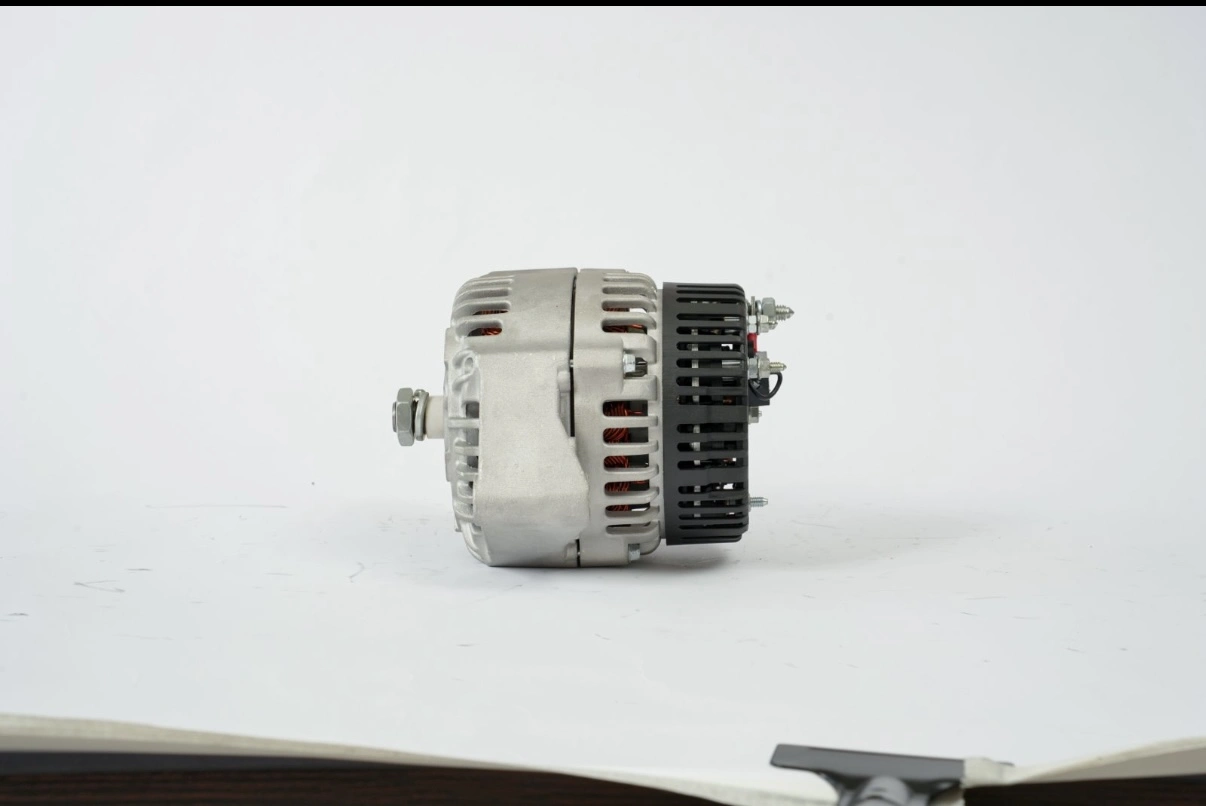
Understanding 24 Volt Truck Alternator Basics
Heavy-duty business vehicles need electricity systems that are built to meet higher standards than those used in cars. Class 8 trucks and building tools have charging systems that work very differently from those in passenger cars.
Core Function and Voltage Requirements
The engine's mechanical energy is turned into electricity by a heavy-duty charging unit. It keeps two battery banks in good shape so they can provide both starting current and continuous power. During operation, the system makes between 28 volt and 28.5 volt. This high voltage gets around the resistance in long chassis wiring and makes up for voltage drops along long cable runs. This design solves a common problem: the "dead battery syndrome" that happens in sleeper cabs with lots of gadgets, where power is lost overnight by multiple devices.
Amperage Output and Load Capacity
How many electrical devices your truck can handle at the same time is directly related to its amperage. Modern trucks with telematics, ELD systems, and climate control need 100A to 180A capacity, while a 70A unit can power basic engine settings and lights. A 24 volt truck alternator (70A 2PK) made by XITU is built for Mitsubishi Fuso 8.5T and 11T trucks with 6D16 and 6D22 engines. It provides stable power output that keeps the engine running, lights on, and electronics on board.
Efficiency and Heat Management
Diesel engine rooms go through thermal cycling that hits 125°C, which puts stress on internal parts. Even when the temperature is very high, high-quality silicon rectifier diodes and precision-wound copper stators keep working well. Two internal fans and high-temperature lead solder keep the diodes from failing too soon, which happens with cheaper units. The small and strong design of XITU can withstand heat, pressure, and wear thanks to 100% brand-new parts that have been tested to meet or beat OEM standards.
Common Failure Indicators
Breakdowns on the side of the road can be avoided by spotting early warning signs. Headlights that dim when the car is not moving, dashboard warning lights, strange whining sounds, or a battery level below 27 volt are all signs that the car's performance is getting worse. Managers of procurement should set up testing procedures. Oscilloscope analysis can find diodes that are shorted out in the rectifier bridge, and thermal imaging can find regulators that are burning before they break completely.
Critical Specs Comparison: 24 Volt Truck Alternator vs 12 Volt Models
Knowing the differences between voltage systems helps buying teams choose the right parts and avoid problems with connectivity.
Performance Differences Under High Electrical Loads
Heavy-duty trucks have power needs that are impossible for passenger cars. Continuously high amperage is used by refrigerated transport units, and construction equipment powers hydraulic pumps and extra lighting. A 24 volt system gives off the same amount of power but only uses half as much current as a 12 volt system. This means that smaller wire gauges are needed and resistance losses are kept to a minimum. This means that the engine uses less gas because it doesn't have to work as hard to spin the 24 volt truck alternator.
Durability and Lifespan Advantages
In 24 volt systems with two batteries, charging processes are spread out more evenly, which makes the batteries last 30–40% longer than in 12 volt systems with only one battery. The XITU alternator's design gets rid of common ways for them to break. For example, sealed bearings keep dust out in mine settings, and IP6K9K-rated housings can handle pressure washing in fleet maintenance jobs. These engineering features cut down on downtime costs that for business fleets can be more than $1,000 per incident.
Wiring and Installation Considerations
Installation teams have to be very careful to check the polarity, because switching the connections will destroy electronic control units right away. The 2PK pulley configuration needs precise belt tension. If the tension is too low, the belt will slip and undercharge, and if it's too high, the bearings will wear out faster. XITU devices are still compatible with OEM numbers like Hyundai 3730093000, Mitsubishi A6T75586, and VALEO 600253. This makes drop-in replacement easier without having to make custom brackets.
Brushless Technology Benefits
Traditional alternators need to be replaced every 50,000 miles because the carbon brushes wear out. Brushless designs don't have these brushes. This operation doesn't need any upkeep, which is especially helpful for rural mining operations that can't get to services easily. Also, brushless units produce less radio frequency interference, which keeps GPS tracking and communication systems from being hampered, which is important for modern fleet management.
How to Choose the Best 24 Volt Truck Alternator – A Buyer's Checklist
Professionals in procurement have to weigh the costs of the original purchase against the dependability of the product over time. Your cash is safe with a structured review process.
Matching Specifications to Operating Conditions
To find the total electrical load, make a list of all the devices that use electricity, such as lights, HVAC, refrigeration units, telematics, and safety systems. Add 20% as a safety margin in case upgrades are made in the future. Standard setups work with XITU's 70A model, but specs that use a lot of electronics need a higher capacity. Environmental factors are important. For example, operations in the desert need better heat dissipation, and teams that work in cold weather need solid cold-cranking support.
Quality Certification and Supplier Credentials
The IATF16949 certification shows that the quality management and process control systems meet the standards of the automotive industry. A lot of procurement teams have had problems with inconsistent quality from small groups that didn't have written processes. The 20,000 m² facility that XITU runs is IATF16949-certified and makes more than 500,000 units a year. This is enough to pass factory audits because of the size and documentation. This solves a major problem for cross-border sourcing agents who work with foreign customers who need approved Chinese suppliers.
Warranty Coverage and Support
Standard six-month guarantees cover problems with the way the 24 volt truck alternator product was made, but check to see what causes the warranty to be void—usually, poor installation, wrong use, or damage from the environment. The availability of technical support is also important: can the supplier help with installation, troubleshooting, and getting replacement parts? XITU provides expert help and localized services, such as on-site installation when needed. This gets rid of the communication problems and long wait times that make foreign procurement difficult.
Cost-Benefit Analysis for Bulk Orders
At number levels, usually 50, 100, or 500 units, the price per individual unit drops by a large amount. XITU's fluid MOQ policies help distributors meet the needs of the aftermarket because they let them try out new markets without taking on a huge inventory risk. Medium-sized suppliers like XITU balance production capacity with order flexibility, while large factories have strict minimum order requirements. Instead of just looking at the unit price, figure out the total cost of purchase, which should include freight, customs fees, and storage.
Maintenance, Testing, and Troubleshooting of 24 Volt Truck Alternators
Regular maintenance increases the useful life of an item and stops it from breaking down when it's needed most.
Preventive Maintenance Schedules
Every 20,000 miles, or six months, heavy-duty uses need to be inspected. Use a tension gauge to check the belt's tension. If it's correct, the belt won't slip and the bearings won't fail early. Use contact cleaner to clean electrical links and dielectric grease to keep them from rusting. Check the fixing bolts for looseness that could be caused by the engine shaking. These easy steps only take 15 minutes, but they stop alternator fires that can happen when connections that are too loose cause arcing.
Electrical Testing Procedures
To make a correct evaluation, you need the right tools. If the reading on a digital multimeter is less than 27.5 volt when the load is on, it means that the performance is decreasing, and if it's more than 29 volt, it means that the regulator has failed and the battery is overcharging. Load testing mimics real-life situations; connect a carbon pile tester and make sure the amperage output fits the number on the plate. An oscilloscope shows the AC ripple voltage. If the ripple is too high (above 0.5 volt), it means that diodes in the rectifier bridge are failing. This causes electrical noise that hurts sensitive ECUs and CAN bus protocols.
Rebuild vs Replacement Decision Matrix
When compared to buying a new unit, rebuilding saves 40 to 60 percent, but it needs skilled techs. Check the state of the core: if the case has cracks, the bearing races have pits, or the stator windings smell like they've been burned, it's cheaper to get a new one. Remanufacturers looking for high-quality core units for their programs like XITU's OEM-grade construction because our parts can be rebuilt many times, unlike cheaper options that break when they are taken apart. The stable lead time of 30 to 60 days makes it easy to plan your inventory for both new units and replacement parts.
Market Overview: Top-Rated 24 Volt Truck Alternators & Supplier Insights
As technology improves and suppliers change, the charging system market continues to change.
Leading Manufacturer Capabilities
Brands that have been around for a long time, like Delco, Bosch, and Prestolite, control the OEM market. But purchasing teams are finding more and more that certified Asian manufacturers can provide the same quality at lower prices. XITU has been making 24 volt truck alternator parts for 28 years and has its own research and development department. It makes parts that meet ISO 9000 standards and sends them to OEM clients overseas. This technical edge comes from our research team's deep knowledge of the industry. They know exactly what Mitsubishi Fuso applications need, so they make alternators that work with AC149 engines and fit perfectly on 8.5T and 11T truck frames.
North American Distribution Considerations
Logistics partnerships decide how reliable delivery is. XITU works with transportation companies that are known all over the world for their safe shipping options around the world. It usually takes 25 to 35 days for a container to ship from Asia across the ocean and through customs. For urgent orders, air freight can cut that time down to 7 to 10 days. When distributors plan their inventory, they should keep these dates in mind. The 30–60 day production lead time lets them make accurate predictions without keeping too much safety stock on hand, which ties up working capital.
2024 Technology Innovations
Smart alternators with built-in battery management systems adjust charge profiles based on the temperature and state of the battery. More powerful current ratings—up to 180A now—meet the rising power needs of advanced driver assistance systems and electric extra parts. Brushless permanent magnet designs make engines 10-15% more efficient by lowering the load on the engine that isn't needed. This saves fuel. XITU is always putting money into research and development to make sure that our product line changes to meet the needs of the business while still being affordable for aftermarket buyers.
Supplier Evaluation Best Practices
Factory checks show skills that go beyond what the marketing says. Look at how the work floor is set up, how quality control is done, and how advanced the testing equipment is. While IATF16949 approval is a good starting point for confidence, you should also look at the seller's real processes. For example, does the supplier do dynamic rotor balance, full-load thermal bench testing, and salt spray corrosion resistance testing that meet ASTM B117 standards? These strict rules are part of XITU's quality management system. They make sure that every unit meets the 96+ hour salt spray protection needed to survive winters in North America. The fluid ODM/OEM solutions we offer, which allow us to adapt specs to different countries and customer needs, are well received by procurement managers who work for multiple buyers.
Conclusion
To choose the best charging system for heavy-duty uses, you need to weigh technical specs, supplier capabilities, and the overall cost of ownership. For vehicles with a lot of electrical load, the 24 volt truck alternator architecture works better, but only if the parts meet strict quality standards. XITU is a reliable partner for procurement workers because our manufacturing is IATF16949-certified, we have a lot of compatibility with major OEM part numbers, and we have a history of supplying foreign customers. Whether you're an aftermarket dealer, an OEM maker, or a fleet operator, knowing about voltage needs, amperage capacity, thermal management, and seller records will help you protect your investment and make sure your equipment works reliably in tough situations.
FAQ
What is the typical lifespan of a 24 volt truck alternator?
Good units work for 3,000 to 5,000 hours before they need to be serviced, which is about 150,000 to 250,000 miles in long-haul situations. XITU alternators have the same lifespan as original equipment because they use precision bearings and manage heat well. Extreme conditions shorten the life of things. For example, building equipment that is used in dusty conditions may need to be replaced after 2,000 hours.
Can I install a 12V alternator on a 24V system?
Without a doubt not. The 12 volt unit can't charge 24 volt battery banks, which leaves your car's batteries chronically undercharged and stranded. Voltage requirements must be met properly by electrical systems. Putting in the wrong voltage components could cause expensive damage to the ECU.
Why does my alternator output 28V instead of 24V?
This is the right way to do it. For batteries to be charged, the voltage needs to be higher than their nominal voltage. For example, 28 volt to 28.5 volt works well to push current into battery cells. Readings between 27.5 volt and 29 volt mean that the function is working right.
What warranty should I expect from a supplier?
Six months of coverage against production flaws is normal in the business. Check to see what causes the guarantee to be void: improper application, installation mistakes, and damage to the surroundings are common reasons. XITU offers a full guarantee and expert support to help with any problems.
Partner with XITU for Reliable Heavy-Duty Charging Solutions
XITU Industry and Trade Co., Ltd. is ready to help you with your buying needs by providing approved, high-performance charging systems designed for tough business uses. We can supply 24 volt truck alternators that are flexible for OEM and ODM needs, are IATF16949-certified, and work with major OEM part numbers from Mitsubishi, Hyundai, and VALEO. Our 30- to 60-day lead times and 28 years of production knowledge make sure that we can support your supply chain, whether you need one unit or a lot of them for a distribution network. Please email our team at arisa@xitu-auto.com to talk about your specific needs and find out how our low-cost OEM parts can improve the performance of your fleet while lowering the total cost of ownership.
References
1. Society of Automotive Engineers. (2023). SAE J180: Alternator Dimensional Specifications for Heavy-Duty Applications. SAE International Standards.
2. International Organization for Standardization. (2022). ISO 8854: Road Vehicles - Alternators with Regulators - Test Methods and Requirements. ISO Technical Committee.
3. American Trucking Associations. (2024). Technology & Maintenance Council Recommended Practices: Electrical System Maintenance for Commercial Vehicles. ATA Publications.
4. National Institute for Automotive Service Excellence. (2023). Heavy-Duty Truck Electrical Systems Certification Guide. ASE Education Foundation.
5. Diesel Technology Forum. (2024). Best Practices for Fleet Electrical System Management. DTF Industry Reports.
6. International Automotive Task Force. (2023). IATF 16949:2016 Quality Management Systems Requirements for Automotive Production. IATF Certification Standards.