




12 Volt Alternator Guide: Performance, Compatibility, and Maintenance
If your commercial fleet runs on HYUNDAI Porter or H100 trucks with D4CB engines, keeping the charging system healthy is non-negotiable. Analternator%2012%20volt&type=products"> alternator 12 volt unit is the heart of that system — it converts engine rotation into DC power, feeds every electrical load on the vehicle, and keeps the battery ready for the next start. This guide walks through how these units work, how to pick the right one, how to install and maintain it properly, and where to source a dependable replacement that won't break your maintenance budget.
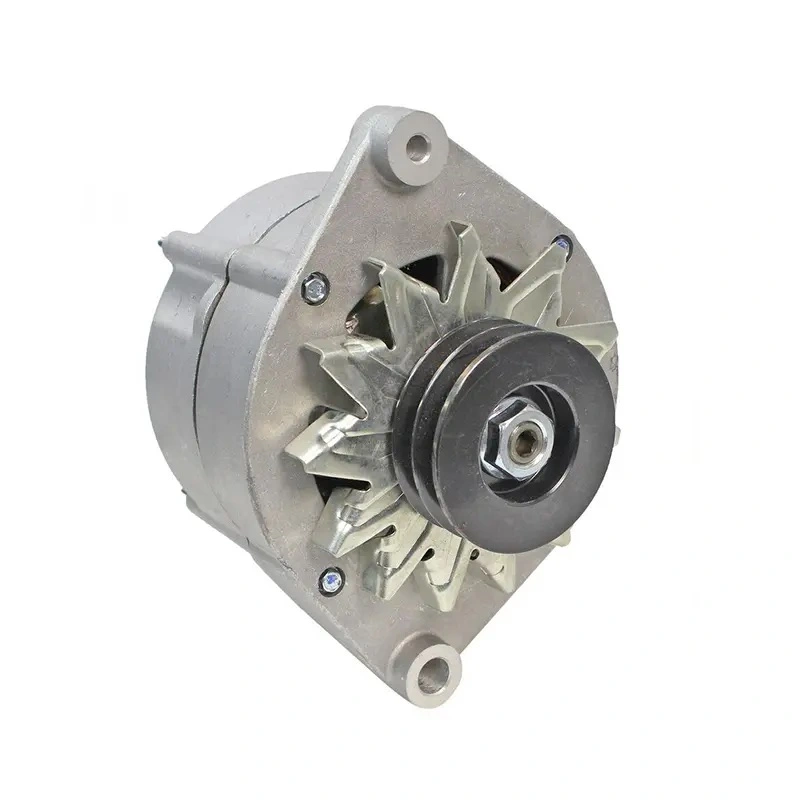
Understanding 12 Volt Alternators: Basics and Performance
How a 12V Alternator Converts Power
A 12 volt alternator turns a rotor inside a stator winding. Being spun makes three-phase alternating current, which is then changed into 12V DC by a built-in rectifier. After that, it keeps the voltage between 13.8V and 14.8V, which is good for both the battery and the ECU. It will slowly die if the voltage falls below 13.5V. Tech that is sensitive could get broken if the voltage goes above 14.8V.
Output Standards That Define Performance
How much steady current the unit can give you is shown by its amperage rating. You can use GPS units, cooling fans, extra lights, and contact radios all at the same time if the power supply has a 110A output, like XITU's 12V 110A 7PK type. This unit stays stable during the 10 to 14-hour daily cycles because it has Class H copper windings that can handle temperatures up to 180°C. It is used for urban delivery and cold chain logistics.
12V vs. 24V: Choosing the Right Architecture
There are light to medium-sized business trucks that use 12V electricity systems, such as the HYUNDAI Porter 2.5 CRDi and the H100 series. Going from a 12V to a 24V unit would cost more money because the whole car would have to be rewired. When you get the right alternator 12 volt, it fits in with the existing architecture, installs faster, and makes it easy for fleet maintenance teams to find spare parts.
Compatibility and Selection Criteria for 12 Volt Alternators
OEM Numbers: The Fastest Way to Confirm Fit
When you cross-reference OEM part numbers, you don't have to guess. Below are the key OEM references we use to verify an alternator's fit. If your old unit carries any of these numbers, it is highly likely that our replacement will bolt on without modifying the mounting frame or wiring. (However, always double-check the pulley type and plug shape before installation.)
| Brand | OEM Number(s) |
|---|---|
| BOSCH | 0986080640 |
| DELCO REMY | DRA0074 / DRA0074N / DRA0075 / DRA0075N |
| HYUNDAI | 373004A000 – 373004A203 |
| KIA | 373004A001 – 373004A003 |
| VALEO | 600046 – 600868 |
| PRESTOLITE | 20130187 |
| ZAUFER | 301N20757Z |
OEM vs. Aftermarket: A Practical Comparison
A lot of original equipment parts from HYUNDAI or Bosch cost around $200 to $400 each. How much does that cost when 20 cars break down every three months? It adds up quickly. The cost per unit can be cut by 40–60% with a good replacement generator that meets IATF 16949 standards and is the same size and electrical standards. This is because the overhead costs are lower. It is important to make sure that the aftermarket seller has test results and approval to back up what they say, not just a name.
Heavy-Duty vs. Light-Duty Construction
Not all brand-new generators are made to hold a lot of weight. Light-duty units often use pressed-in bearings with standard grease grades and smaller heat sinks. Heavy-duty designs, like the one made by XITU, have rotors that are perfectly balanced and diodes that are pressed into heat sinks that are too small. So, the joints don't get worn out. There is a difference in construction that makes a unit last 18 months or 4 years. This is important for trucks that work 12-hour days in dusty or hot places like Saudi Arabia, the Philippines, and southwest Brazil.
Installation and Wiring: Ensuring Proper Setup
Standard Wiring Configuration for D4CB-Engine Trucks
The HYUNDAI Porter and H100's alternator 12 volt generator circuit has three terminals: B+ (main charge output to battery positive), IG (ignition sense), and L (warning lamp). It doesn't need to be changed because the XITU unit has a connection that works with OEMs. Before putting it together, disconnect the negative battery cable, check the wiring harness for chafing or corrosion, and make sure the belt tensioner works.
Common Wiring Mistakes to Avoid
Wiring something wrong can waste time and hurt parts. This is what people usually do wrong:
- Reversed B+ and ground connections — causes immediate diode burnout and may damage the ECU.
- Undersized charge wire — a 110A unit needs at least a 6 AWG cable on the B+ line; thinner wire creates resistance heat and voltage drop.
- Loose ground path — a poor chassis ground causes voltage fluctuation and triggers false battery warning lights.
These issues should be fixed before the unit is turned on to protect it as well as the rest of the charging circuit.
Matching Battery Capacity to Alternator Output
If you want to use an industrial truck for most things, you should get batteries that are between 80 and 120 Ah. When you run a generator with a battery that is very low on power, it has to work at full power for a long time. This makes it heat up more quickly. The alternator will work best if you keep the battery charged above 50% when the engine is not in use.
Maintenance and Troubleshooting for Optimal Performance
Early Warning Signs of Charging System Problems
You can avoid crashes on the side of the road if you notice a failed charging unit early on. Keep an eye out for these signs on cars that use D4CB fuel:
- The battery warning light stays on after startup
- Headlights dim at idle but brighten when you rev the engine
- The battery needs jump-starting more than once a week
- A high-pitched whine that changes with engine speed (often a failing bearing or shorted diode)
There seems to be a problem with the charging system based on these signs. If the generator is to blame, a test with a multimeter at the battery connections will show.
Step-by-Step On-Site Testing
| Test Step | Tool Needed | Pass Criteria |
|---|---|---|
| Static battery voltage | Digital multimeter | 12.4V – 12.7V (engine off) |
| Charging voltage at idle | Digital multimeter | 13.8V – 14.8V (engine running) |
| Full-load voltage drop | Multimeter + load tester | No more than 0.5V drop under full load |
| AC ripple check | Oscilloscope or ripple tester | Below 50mV AC; higher reading = diode fault |
When to Call a Professional
It will tell you for sure after 10 minutes whether you need to fix the unit or buy a new one.
Procurement Insights: Where and How to Buy Reliable 12 Volt Alternators
Leading Brands and What They Offer
Cars with D4CB engines are mostly made by Bosch and Delco Remy. In the business world in Europe, Bosch is known for its long bearing life and tight voltage regulation. When it comes to transportation, Delco Remy is known for its stable high-amperage output in both North America and Asia. Valeo is working on lowering the weight and keeping the temperature in check. Each brand has some good points, but low OEM prices keep fleet buyers from getting them.
Sourcing Through B2B Platforms
Buyers from outside of China can find the best sources on Alibaba, Made-in-China, and direct selling websites. Before you buy an alternator 12 volt from a certain company, make sure they give you a valid IATF 16949 certificate, a sample test report with load testing data, and clear MOQ terms. If fleet managers want to make sure the products fit and work well before buying a lot of them, 10 units is a good number to order as a trial order.
Why XITU Stands Out for Fleet Buyers
XITU has been making goods for 28 years and can make 500,000 units a year, so even during busy times there are never any backorders. The 20,000 m² ISO 9000 and IATF 16949 shop from which all units are sent out. When you place your first order or keep coming back for more, it's easy to understand the supply relationship because of the 6-month guaranty, documented OEM cross-reference coverage across 20+ part numbers, and expert help by email.
Conclusion
Having the right charging unit will help you keep your fleet running and let you know how much it will cost to keep up. People who run fleets mostly need to know how to match the OEM number, check the quality of the build, install it correctly, and do a simple voltage test on every car that needs service. People who drive a HYUNDAI Porter or H100 should get a 12V 110A 7PK generator instead. This type of alternator 12 volt is IATF 16949 approved and fully OEM cross-reference compatible. This alternator is a good mix of price, availability, and performance for the real-world conditions that these trucks face every day.
FAQ
1. Why does my alternator run hot during long shifts?
Operating temperatures between 60°C and 100°C are normal for a commercial-duty alternator. Temperatures above that range usually indicate poor ventilation around the unit or an oversized electrical load. A thermal load test identifies whether the unit itself or the installation environment is the problem.
2. Can I replace a 90A unit with a 110A alternator?
Yes, provided the B+ charge wire is sized appropriately — 6 AWG minimum for 110A. The mounting bracket must also match. XITU's unit uses standard OEM bracket geometry, so fitment on D4CB-engine trucks is direct.
3. What causes the whining noise from a charging unit?
A worn bearing or a shorted diode are the two most common sources. An oscilloscope AC ripple test distinguishes between them. Above 50mV AC ripple at the battery terminals points to a diode fault.
4. What does the 7PK belt designation mean?
7PK refers to the poly-V belt profile: 7 ribs on a K-profile groove. This matches the OEM belt specification on HYUNDAI Porter and H100 D4CB engines, ensuring correct tension and pulley contact without belt wear.
5. How does XITU handle warranty claims?
XITU offers a 6-month warranty covering defects under normal operating conditions. Units that fail due to verified manufacturing issues are replaced or repaired at no cost. Contact with your order number and a brief description of the issue.
Power Your Fleet Smarter — Get a Quote from XITU Today
IATF 16949-certified XITU alternator 12 volt units are bought by fleet owners, distributors, and auto parts sellers in Southeast Asia, the Middle East, and the Americas. It's easy to try our product before you buy more because the MOQ is only 10 units and the guaranty lasts for 6 months. Visit xitu-auto.com or email arisa@xitu-auto.com to obtain a price from a reputable alternator 12 volt manufacturer.
References
1. Bosch Automotive Handbook — Bosch, 2022
2. SAE International Journal of Commercial Vehicles — SAE International, 2021
3. Fundamentals of Automotive Technology: Principles and Practice — Jones & Bartlett Learning, 2019
4. Automotive Electrical and Electronic Systems — Pearson Education, 2020
5. IATF 16949:2016 — Quality Management System Requirements for Automotive Production — IATF, 2016
6. Vehicle Electrical Systems and Circuitry — Delmar Cengage Learning, 2018